
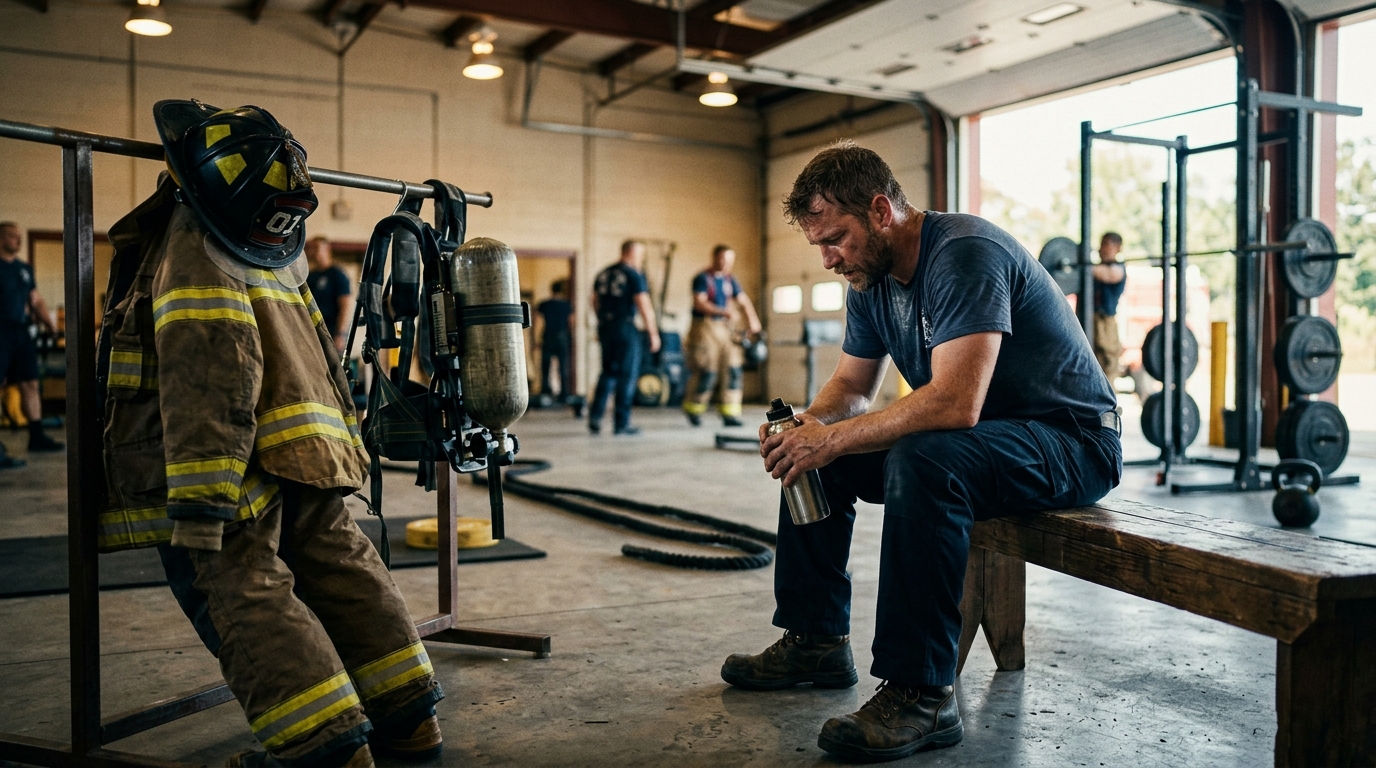
Firefighting is one of the most physically demanding professions in the world. Between hauling hose, forcing doors, and climbing ladders in full turnout gear, your body takes a beating that generic gym routines simply cannot prepare you for. Finding a fitness program that actually matches the demands of the fireground is not just a preference; it is a career necessity. This guide walks you through exactly what to look for, what to avoid, and how to choose a program that keeps you strong, injury-free, and ready for every shift.
Why Generic Fitness Programs Fail Firefighters
Most commercial fitness programs are built for the general population. They focus on aesthetics, isolated muscle groups, or endurance alone. Firefighters, however, need a unique blend of strength, cardiovascular endurance, mobility, and mental resilience that mirrors real-world fireground tasks.
Shift work adds another layer of complexity. Irregular sleep schedules, long hours on duty, and the stress of emergency calls make cookie-cutter workout plans nearly impossible to follow consistently. A firefighter fitness program is a structured training system specifically designed around the physical tasks, scheduling challenges, and recovery needs of fire service professionals.
The Shift-Work Problem
Working 24- or 48-hour shifts disrupts your circadian rhythm and recovery windows. Programs that assume a standard Monday-through-Friday schedule will leave you overtrained on some weeks and undertrained on others. The right program adapts to your rotation.
Functional Demands of the Job
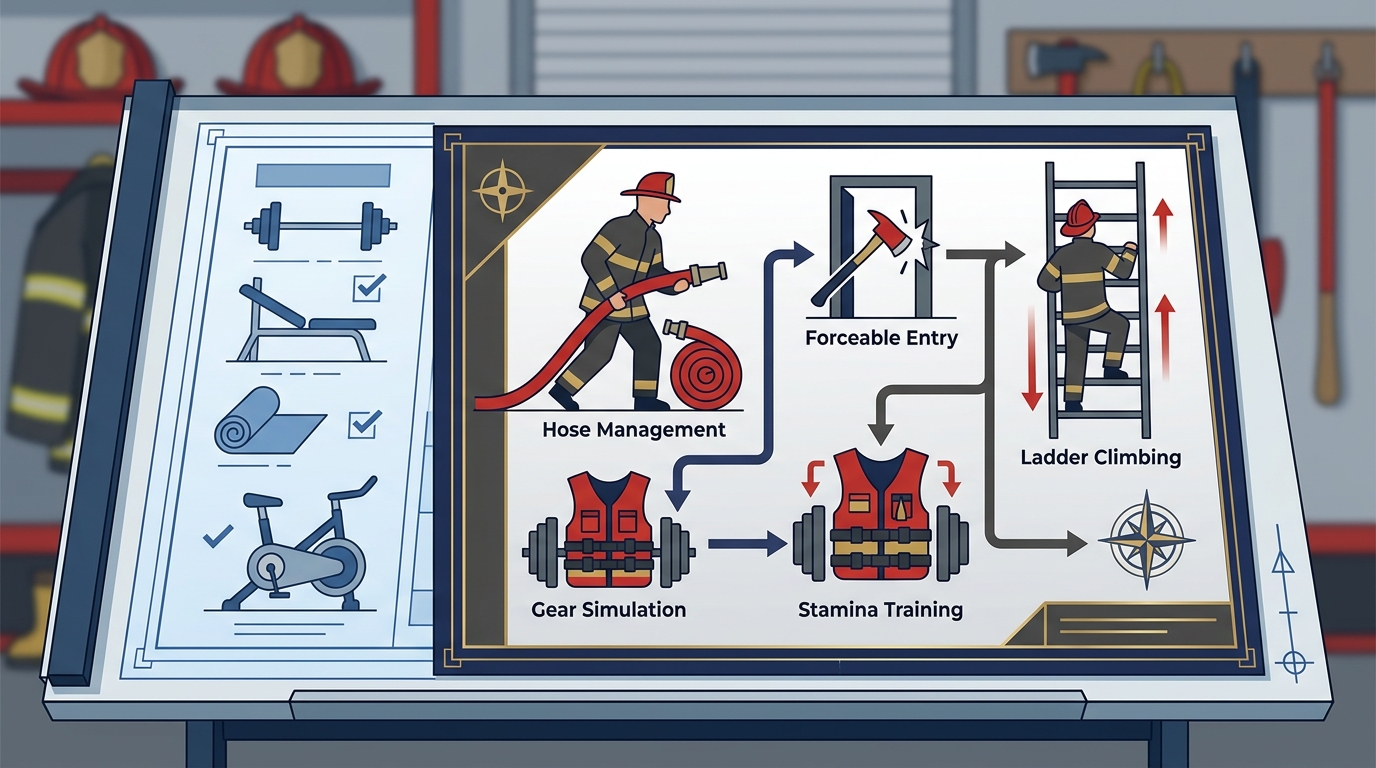
According to the National Fire Protection Association (NFPA), overexertion and strain are among the leading causes of firefighter line-of-duty injuries each year. Training that mimics job-specific movements, such as dragging, carrying, climbing, and forcible entry, directly reduces injury risk.
Key Components of a True Firefighter Fitness Program
Not every program that calls itself "firefighter fitness" actually delivers. Here are the non-negotiable components you should look for.
Functional Training That Mirrors the Fireground
Functional training is exercise that trains muscles to work together in patterns used during real-life activities. For firefighters, that means movements like kettlebell carries, sled drags, and loaded stair climbs. Everyday Heroes Fitness builds its entire coaching program around functional workouts designed to enhance your capacity to lift, move, and endure during long shifts.
Nutrition Coaching Built for the Firehouse
Eating well on shift is a challenge. Between cooking at the station and grabbing whatever is available between calls, nutrition often falls apart. Look for programs that offer custom meal plans and macro guidance tailored to your goals, not rigid diet templates that ignore firehouse realities.
Accountability and Coaching
Accountability coaching is ongoing, structured support from a coach who tracks your progress and adjusts your plan. Weekly check-ins, progress tracking, and a direct line to your coach make the difference between a program you start and a program you finish. Coach Mitch at Everyday Heroes Fitness is a career firefighter himself who understands the unique pressures of the job firsthand.
Red Flags to Watch For
When evaluating a firefighter fitness program, steer clear of these warning signs:
- No customization: If the program gives every person the same plan, it is not built for you.
- No coaching access: A PDF download with no human support will not keep you on track through a tough rotation.
- Aesthetic-only focus: Programs that prioritize how you look over how you perform miss the point entirely.
- No understanding of shift work: If the program does not account for 24/48 or 48/96 schedules, move on.
- No proven results from firefighters: Look for real testimonials from people who do the same job you do.
Where to Find Firefighter-Specific Programs
Start by exploring programs created by people who actually serve in the fire service. A coach who has worn turnout gear understands the demands in a way that a general personal trainer cannot.
Everyday Heroes Fitness has helped over 1,000 first responders regain their strength, confidence, and drive through a proven system built for the unique demands of the job. Their program includes functional workouts, science-backed nutrition plans, in-app progress tracking, and weekly coaching calls.
You can also explore their free resources page for downloadable training programs, including a 4-week functional first responder training program and a firefighter kettlebell foundations guide.
Additionally, consult peer-reviewed resources. The IAFC/IAFF Wellness-Fitness Initiative provides evidence-based guidelines for fire service health and fitness programs.
Comparing Your Options: What Matters Most
Use this table to evaluate any firefighter fitness program you are considering:
| Feature | Generic Gym Program | Firefighter-Specific Program |
|---|---|---|
| Functional fireground movements | Rarely included | Core focus of every workout |
| Shift-work scheduling | Not considered | Built around 24/48 or 48/96 rotations |
| Nutrition for firehouse life | Generic meal templates | Custom plans for on-shift eating |
| 1-on-1 coaching access | Typically unavailable | Weekly calls and direct messaging |
| Community of first responders | General population | Tight-knit group who understand the job |
| CPAT/academy preparation | Not addressed | Integrated into programming |
| Mental resilience training | Rarely addressed | Built into the coaching framework |
How to Get Started Today
Finding the right program does not need to be complicated. Follow these steps:
- Assess your current fitness level honestly. Know where you stand so you can find a program that meets you there.
- Define your goals. Are you training for the CPAT, recovering from an injury, or trying to lose weight gained on shift?
- Research the coach. Make sure they have fire service experience, not just a personal training certification.
- Look for proven results. Real testimonials from firefighters matter more than flashy marketing.
- Start with a free resource. Try the free 4-week functional training program from Everyday Heroes Fitness to experience firefighter-specific programming firsthand.
Key Takeaways
- Generic fitness programs do not address the unique physical demands, scheduling, or recovery needs of firefighters.
- Functional training that mirrors fireground tasks is the foundation of any effective firefighter fitness program.
- Nutrition coaching should account for firehouse eating habits and shift-work challenges.
- Accountability through coaching and community keeps firefighters consistent long-term.
- Choose a coach with real fire service experience who understands the job from the inside.
- Everyday Heroes Fitness has helped over 1,000 first responders with a proven, firefighter-built system.
- Start with free resources to test a program before committing fully.
Frequently Asked Questions
What makes a firefighter fitness program different from a regular workout plan?
A firefighter fitness program is specifically designed around the physical tasks performed on the fireground, such as hose drags, ladder climbs, and forcible entry. It also accounts for shift-work schedules, firehouse nutrition, and the mental demands of emergency service. A regular workout plan typically targets general fitness goals without these job-specific considerations.
Can I do a firefighter fitness program if I am a volunteer or still in the academy?
Absolutely. Programs like Everyday Heroes Fitness work with career firefighters, volunteers, and candidates preparing for the CPAT or academy. The programming is customized to your current fitness level and goals, regardless of where you are in your fire service career.
How important is nutrition in a firefighter fitness program?
Nutrition is critical. Firefighters burn significant calories during calls and training, and poor firehouse eating habits can undermine even the best workout plan. A quality program provides custom meal plans and macro guidance tailored to your schedule and goals.
Do I need a gym to follow a firefighter fitness program?
It depends on the program. Many firefighter-specific programs use minimal equipment like kettlebells, pull-up bars, and resistance bands, making them practical for station gyms. The firefighter kettlebell foundations program is one example of a low-equipment option.
How do I know if a firefighter fitness coach is legitimate?
Look for coaches who are active or former firefighters with professional fitness certifications. Check for real client testimonials from first responders, and ask about their coaching methodology. A coach who has lived the shift-work lifestyle will understand your challenges in a way others cannot.
What results can I expect from a firefighter fitness program?
Results vary based on your starting point and commitment, but firefighters in structured programs commonly report significant weight loss, improved strength, better endurance on shift, reduced back pain, and increased confidence. Everyday Heroes Fitness clients have reported losing 20 to 45 pounds while building functional strength.
How much time per day does a firefighter fitness program require?
Most quality programs require 45 to 60 minutes per training session, typically 4 to 5 days per week. The best programs are flexible enough to work around your shift rotation, so you never have to choose between rest and training.
Is online coaching effective for firefighters?
Yes. Online coaching allows firefighters to train on their own schedule while still receiving personalized programming, nutrition guidance, and weekly accountability calls. It is especially practical for firefighters whose shift patterns make in-person training sessions difficult to schedule consistently.
Ready to Train Like the Firefighter You Were Meant to Be?
Stop guessing and start following a system that was built by a firefighter, for firefighters. Apply for the Everyday Heroes Fitness coaching program today and take the first step toward becoming the strongest version of yourself, on shift and off.