
First Responder Strength and Endurance Training: The Ultimate Guide
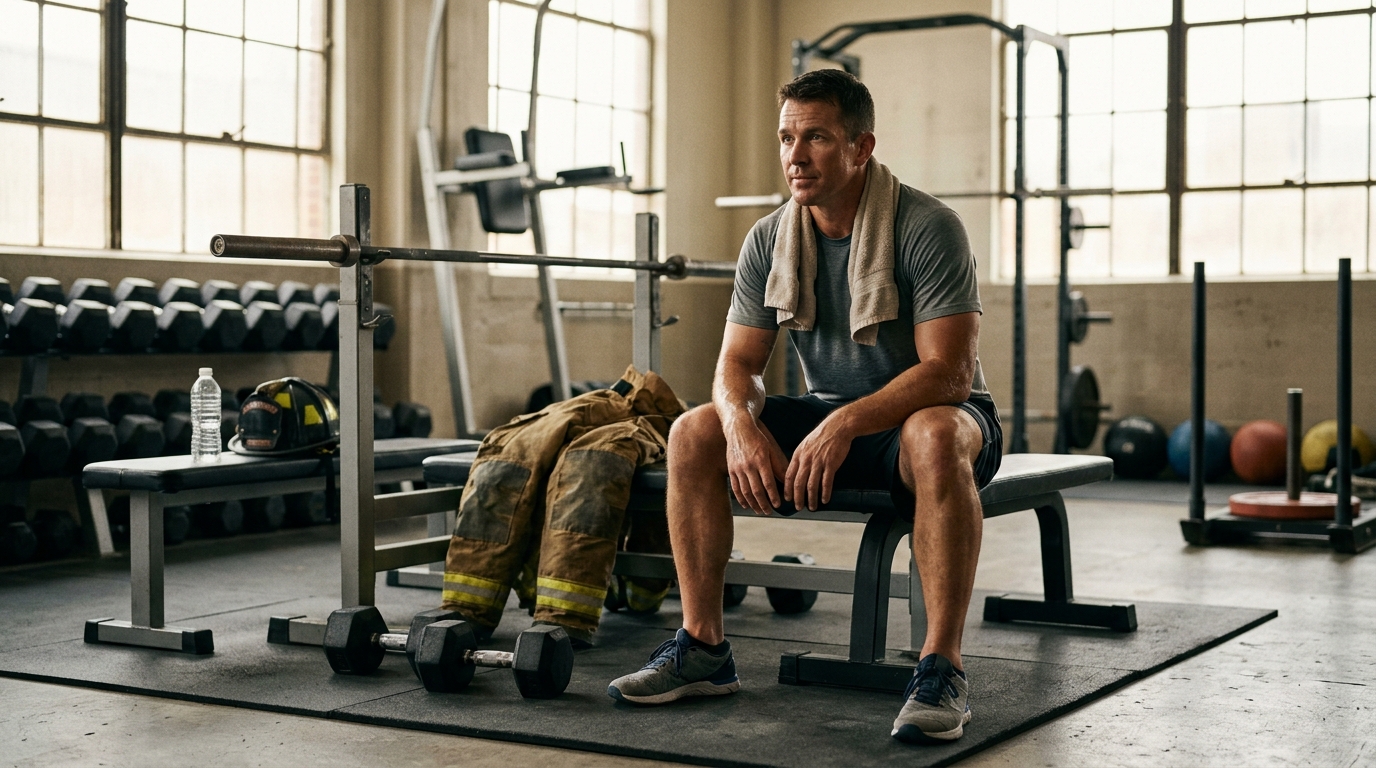
First responders face physical demands that most gym programs never prepare you for. From dragging hose lines up stairwells in full turnout gear to performing patient extractions after a 16-hour shift, the job requires a unique blend of raw strength, sustained endurance, and mental toughness. Cardiovascular disease accounts for 45% of all on-duty firefighter fatalities, making targeted fitness more than a career advantage. It is a life-saving necessity. This guide breaks down the exact training strategies first responders need to stay fit for duty and fit for life.
Why Strength and Endurance Matter for First Responders
First responders regularly lift, carry, climb, crawl, and sprint in high-pressure situations while wearing 50 or more pounds of protective equipment. Without proper physical preparation, these tasks increase the risk of both acute injury and long-term health decline. According to research published in the National Library of Medicine, firefighters face a disproportionate burden of cardiovascular disease driven by sedentary shift time punctuated by sudden, strenuous exertion.
The reality is that most first responders spend the majority of their shift sedentary. Over time, this pattern leads to steady declines in health and fitness unless proactive training measures are taken. A structured online coaching program built for the unique demands of the job can bridge that gap.
Functional Training: The Foundation of Job-Ready Fitness
Functional fitness is a training approach that mimics real-world movement patterns to build the strength, endurance, and mobility needed for occupational tasks. Unlike traditional bodybuilding splits that isolate individual muscles, functional training focuses on multi-joint movements that mirror the pushing, pulling, and carrying you do on scene.
Why Multi-Joint Movements Win
There are no isolating movements on the fire ground. Exercises like deadlifts, goblet squats, lunges, and pull-ups strengthen multiple joints across several planes of motion. As Dr. Jay Dawes of Oklahoma State University recommends, first responders should focus on training movements rather than specific muscle groups for better transfer to job tasks.
Periodization Is Non-Negotiable
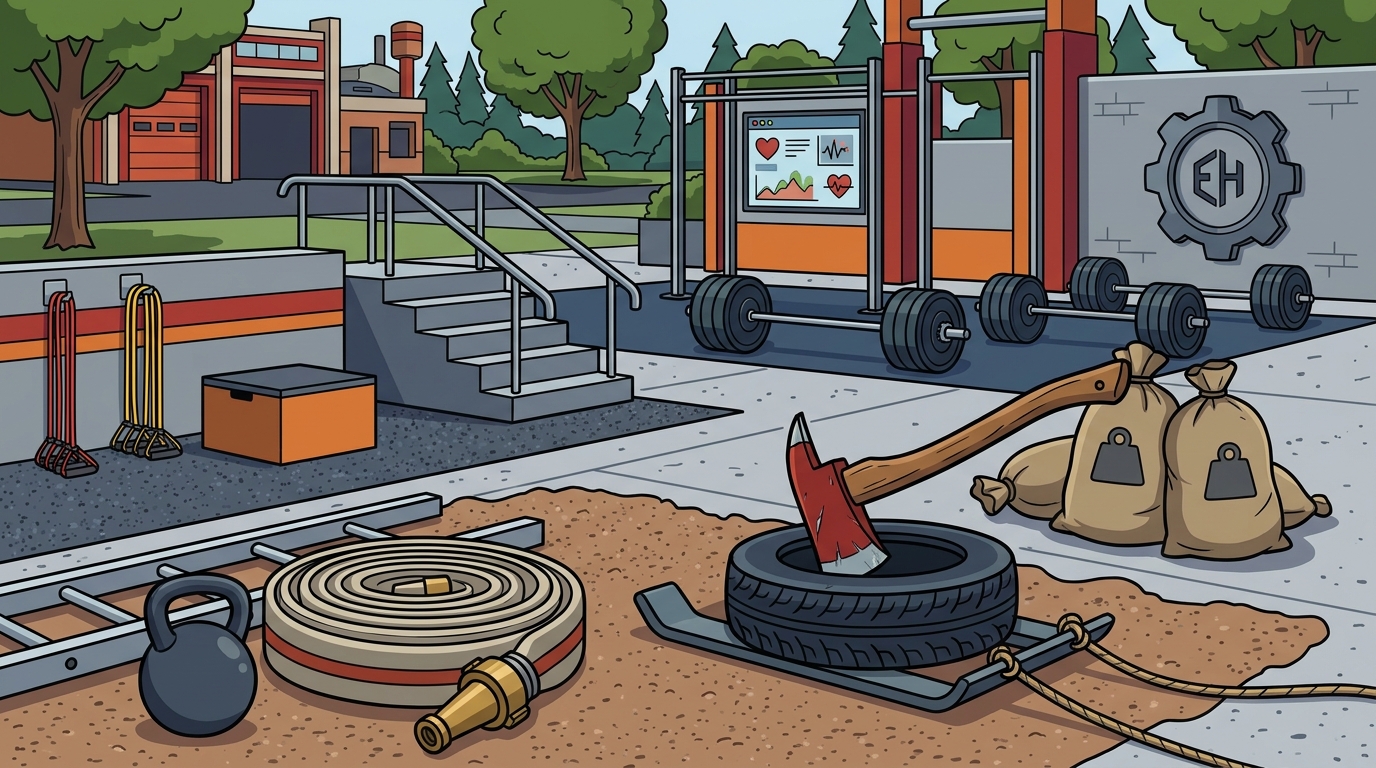
Periodization is the systematic planning of training phases that progress from building a base to increasing intensity. A sound program develops stability first, then strength, and finally power. This approach prevents the overuse injuries common in programs that skip foundational work. Everyday Heroes Fitness follows this principle in the 4-Week Functional First Responder Training Program.
Strength Programming for the Fire Ground
Strength training is essential to increase your capacity to push, pull, lift, and carry loads safely. Upper body strength in particular provides critical musculoskeletal bracing that protects vertebral alignment under the weight of turnout gear and Kevlar.
Core Exercises Every First Responder Needs
Nearly 50% of all fire rescue athletes will injure their back during their career, and low back pain remains the number one reason firefighters retire early. Effective programming must prioritize glutes, hamstrings, hips, shoulder girdle, and deep core muscles. The Firefighter Kettlebell Foundations program is an excellent starting point for building that functional base.
Sample Strength Exercises
- Deadlifts (mirrors casualty extraction mechanics)
- Bent-over rows (upper back and grip strength)
- Goblet squats (lower body and core stability)
- Push-ups (ground-to-standing transitions)
- Farmer carries (loaded movement endurance)
Endurance and Cardiovascular Conditioning
Cardiovascular endurance is the ability of the heart and lungs to sustain prolonged physical effort. For first responders, this means being able to work at near-maximal heart rates for extended periods while wearing heavy gear. During a 30-minute simulated fire operation, studies have recorded maximal heart rates of 177 beats per minute and core body temperature increases of nearly 1 degree Celsius.
Endurance training does not have to mean long, slow runs. Interval-based conditioning, circuit training, and work-capacity sessions more closely replicate the stop-and-go nature of emergency calls. The Zero to Hero 10K Running Program is a structured option for building an aerobic base that supports on-shift performance.
Mobility and Recovery
Mobility training is the practice of improving joint range of motion and tissue quality to move freely and reduce injury risk. Active warm-ups and flexibility work are not optional extras. They prepare the body for movement, boost blood flow, and raise core temperature before intense effort.
Recovery is equally critical. Sleep quality, active rest days, and dedicated stretching sessions all play a role in long-term performance. The First Responder Stretching and Mobility Program from Everyday Heroes Fitness addresses this often-neglected component directly.
Nutrition for Shift Workers
Unreliable meal times and firehouse food traditions often lead to poor dietary habits that compound cardiovascular risk. A solid nutrition plan for first responders should focus on whole foods, proper hydration, and strategic meal timing around shifts.
Simple guidelines include prioritizing lean protein at every meal, preparing food in advance for shift days, and limiting processed sugar and excess sodium. Proper fueling supports both recovery from training and readiness for emergency calls. Explore free nutrition resources to start making better choices today.
Training Approaches Compared
| Training Style | Strength | Endurance | Injury Risk | Job Specificity |
|---|---|---|---|---|
| Traditional Bodybuilding | High | Low | Moderate | Low |
| Long-Distance Running | Low | High | Moderate | Low |
| CrossFit / High-Intensity | Moderate | High | High | Moderate |
| Functional First Responder Program | High | High | Low | Very High |
A functional first responder program combines periodized strength work with job-specific conditioning and built-in recovery, offering the best transfer to on-duty performance with the lowest injury risk.
Key Takeaways
- Cardiovascular disease causes 45% of on-duty firefighter deaths, making fitness a survival issue, not just a performance one.
- Functional training that mimics real-world movements provides the best transfer to job tasks.
- Strength programming should prioritize multi-joint exercises and follow a stability-to-strength-to-power progression.
- Endurance conditioning should replicate the interval-based demands of emergency calls, not just steady-state cardio.
- Mobility and recovery are essential components, not optional add-ons.
- Nutrition and meal planning must account for the unpredictable schedules of shift work.
- A program designed specifically for first responders outperforms generic gym routines in both safety and results.
Frequently Asked Questions
What is functional fitness for first responders?
Functional fitness is a training approach that uses exercises mimicking real-world movement patterns like pushing, pulling, lifting, and carrying. It builds the strength, endurance, and mobility first responders need to perform safely on the job.
How often should first responders train?
Three to five sessions per week is ideal, with each session lasting 30 to 60 minutes. Consistency matters more than duration. Even 15-minute daily workouts produce meaningful benefits over time.
Can I train around an unpredictable shift schedule?
Yes. Programs like those from Everyday Heroes Fitness are designed with flexible scheduling so you can move sessions around duty days, overtime, and shift changes.
Will strength training make me too bulky for the job?
No. Properly programmed strength training improves force production, joint stability, and injury resilience without excessive bulk. It enhances, not hinders, cardiovascular endurance when balanced with conditioning work.
Why is core training so important for firefighters?
Low back pain is the number one reason firefighters retire early, and nearly half will experience a back injury during their career. Core training strengthens the deep stabilizers that protect your spine under load.
What role does nutrition play in first responder fitness?
Nutrition fuels training adaptation, supports recovery, and directly affects cardiovascular health. Poor dietary habits from irregular meal times are a significant risk factor for heart disease among firefighters.
How do I get started if I have not trained in years?
Start with a foundational program that builds proper movement patterns before adding intensity. The 4-Week Functional First Responder Training Program is designed for exactly this scenario.
Ready to Train Like the Hero You Are?
You took an oath to serve your community. Now it is time to invest in the body that carries out that mission every single shift. Everyday Heroes Fitness offers a proven system built specifically for firefighters and first responders, with guaranteed results. Explore the Online Coaching Program and take the first step toward being truly fit for duty.