
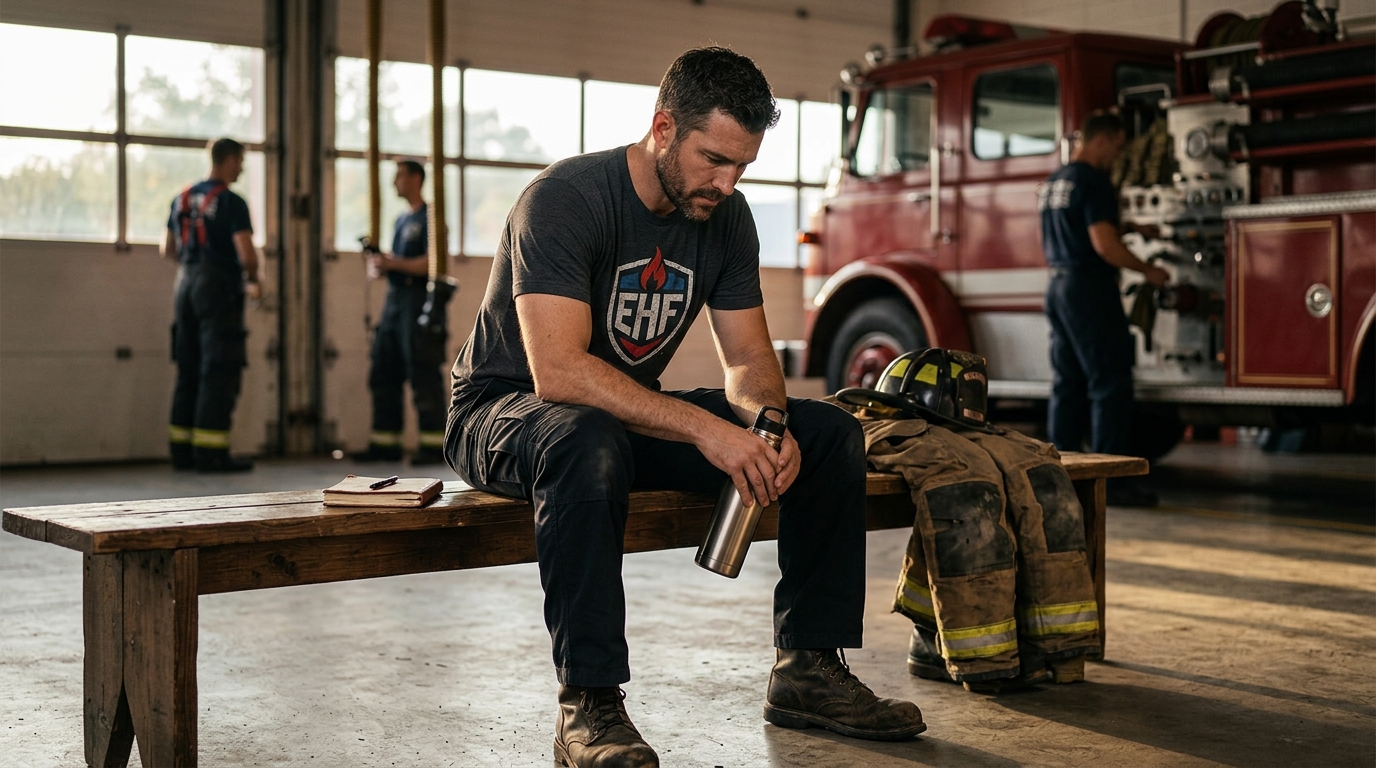
If you are a firefighter exploring dedicated fitness programs, one of your first questions is likely about cost. Firefighter fitness programs range from free PDF downloads to premium one-on-one coaching that can run several hundred dollars a month. The right investment depends on what you need: accountability, custom programming, nutrition support, or all three. In this guide, we break down every pricing tier, explain what drives cost differences, and help you decide where your money delivers the best return for your health, career, and longevity on the job.
Why Firefighters Need Specialized Fitness
Firefighting is not a desk job, yet the health statistics are alarming. According to a CDC study published in Preventing Chronic Disease, more than 70% of U.S. firefighters are overweight or obese, exceeding the national average for adults. Cardiovascular events remain the leading cause of line-of-duty deaths.
Generic gym memberships rarely address the unique demands of the fireground. A firefighter fitness program is a structured training system designed specifically around the physical tasks firefighters perform, such as hose drags, ladder throws, and victim rescues while wearing up to 75 pounds of gear. That specificity is exactly why pricing differs from a standard Planet Fitness membership.
Pricing Tiers for Firefighter Fitness Programs
The market for firefighter-focused fitness breaks down into three broad tiers. Understanding where each option falls helps you match your budget with the level of support you actually need.
Free and Low-Cost Resources ($0 to $50)
Several organizations offer free workout-of-the-day content and downloadable PDFs. Everyday Heroes Fitness provides free resources for first responders as a starting point. Standalone e-books, like basic 12-week bodyweight programs, typically sell for around $30. These are great entry points but offer zero personalization or coaching.
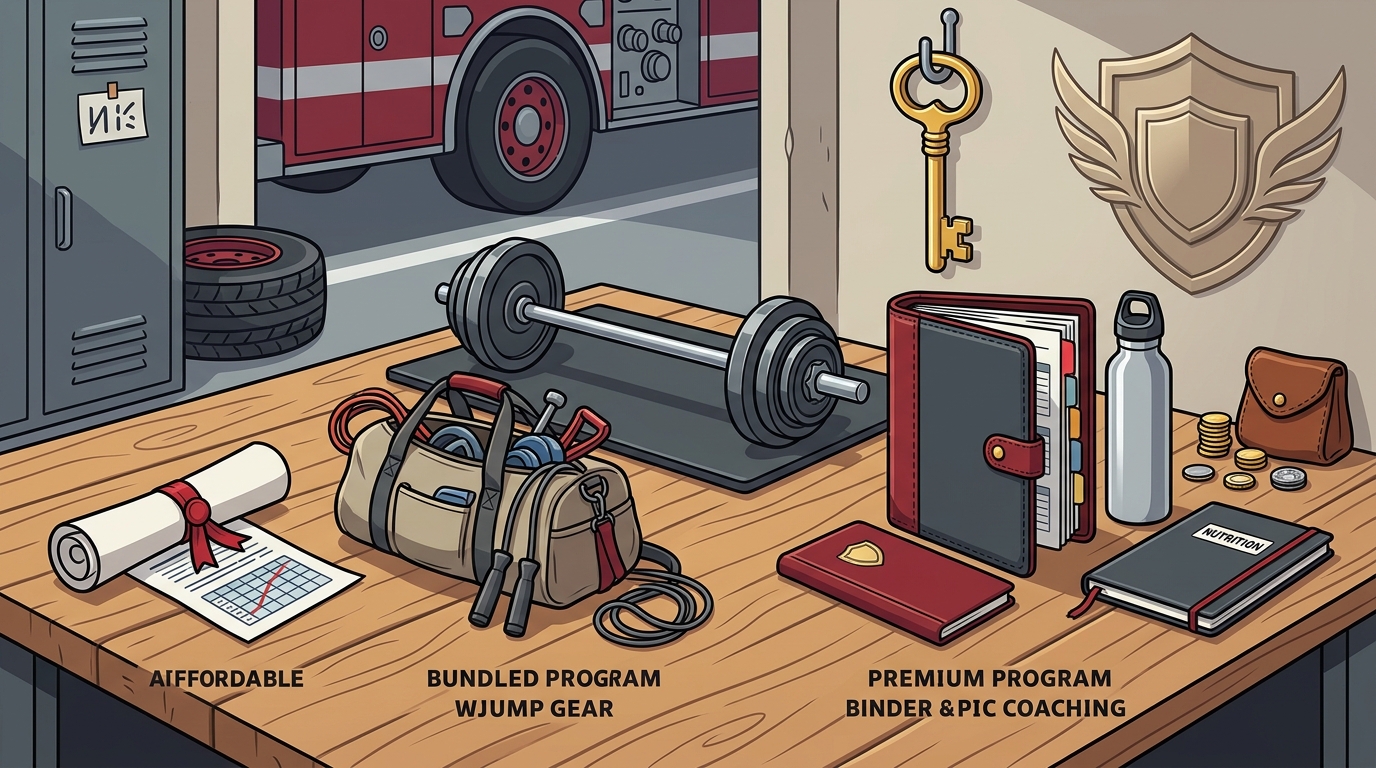
Self-Guided Subscription Programs ($50 to $150/month)
A self-guided subscription program is a membership that gives you access to a library of workouts, often through a mobile app, with limited or no direct coaching. You follow the programming on your own schedule. These usually include exercise demo videos and community forums but no individualized feedback.
Premium Coaching Programs ($200 to $500+/month)
Premium coaching is the top tier. According to WodGuru's 2026 pricing data, premium online personal training packages that include nutrition coaching, progress tracking, and one-on-one support typically range from $200 to $400 or more per month. Programs built specifically for firefighters sometimes command higher rates because of the specialized programming knowledge required.
What Drives the Cost Differences
Not every firefighter fitness program charges the same rate, and understanding the variables helps you evaluate what you are actually paying for.
Personalization and Coaching Access
The single biggest cost driver is the level of human attention you receive. A pre-recorded workout library costs the provider almost nothing to deliver after creation. A program that includes weekly coaching calls and custom training plans requires a coach to invest time in your individual progress every single week.
Nutrition and Lifestyle Support
Fitness coaches generally charge an additional $50 to $150 per month when nutrition tracking and meal planning are included, according to FitBudd's coaching pricing guide. Programs that bundle nutrition into the base price, like Everyday Heroes Fitness, often represent better overall value.
Credential Depth and Fire-Service Experience
Programs led by coaches who are active or former firefighters, hold exercise science degrees, or carry certifications from organizations like NASM or NSCA naturally cost more. Their programming is informed by firsthand knowledge of shift schedules, station culture, and fireground demands.
Cost Comparison Table
| Program Type | Typical Monthly Cost | Custom Plans | Nutrition Support | 1-on-1 Coaching | Community Access |
|---|---|---|---|---|---|
| Free PDFs / E-books | $0 to $50 (one-time) | No | No | No | No |
| Self-Guided App Subscription | $50 to $150/month | Limited | Sometimes | No | Yes |
| Group Coaching | $100 to $200/month | Some | Sometimes | Limited | Yes |
| Premium 1-on-1 Coaching | $200 to $500+/month | Yes | Yes | Yes | Yes |
Premium programs that combine custom workouts, nutrition, coaching calls, and community support typically deliver the fastest and most sustainable results because nothing is left to guesswork.
The ROI of Investing in Your Fitness
Cost only tells half the story. The return on investment for a structured firefighter fitness program can be measured in both health outcomes and financial savings.
The IAFC/IAFF Wellness Fitness Initiative states that an effective wellness program should realize significant cost savings in lost work time, workers' compensation, and disability. For individual firefighters, avoiding even one serious musculoskeletal injury can save tens of thousands of dollars in medical bills and lost wages.
A cost-benefit analysis conducted by the Raleigh Fire Department found that investing in fitness led to measurable improvements in weight, blood sugar, and cholesterol levels among firefighters. When you frame a $200 to $400 monthly coaching investment against the potential cost of a career-ending cardiac event or chronic injury, the math becomes clear.
What an Everyday Heroes Fitness Program Includes
Everyday Heroes Fitness is a firefighter-built coaching program designed for the unique demands of the job. Founded by Coach Mitch, a firefighter who rebuilt his own fitness after losing his drive on the job, the program goes far beyond generic workout plans. You can learn more about Coach Mitch's story here.
The Online Coaching Program includes functional workouts that mirror in-field demands, science-backed nutrition with custom meal plans, in-app progress tracking, and weekly coaching calls for accountability. The program also provides access to a private community of first responders who understand the lifestyle.
For firefighters looking for a specific starting point, Everyday Heroes Fitness also offers a 4-Week Functional First Responder Training Program and a dedicated Firefighter Kettlebell Foundations program. These entry-level options help you build a base before committing to full coaching.
Key Takeaways
- Firefighter fitness programs range from free downloads to $500+ per month for premium one-on-one coaching.
- The most common price range for comprehensive online coaching with nutrition and accountability is $200 to $400 per month.
- Personalization, coaching access, and nutrition support are the three biggest factors that drive cost.
- Over 70% of U.S. firefighters are overweight or obese, making structured fitness programs a health necessity, not a luxury.
- The ROI of a quality program includes reduced injury risk, lower medical costs, and a longer, healthier career.
- Free resources are a solid starting point, but sustained results typically require structured coaching and accountability.
- Everyday Heroes Fitness offers a firefighter-built system with custom training, nutrition, and weekly coaching calls.
Frequently Asked Questions
How much does a firefighter fitness program cost per month?
Costs vary widely. Basic app subscriptions run $50 to $150 per month, while premium one-on-one coaching programs typically range from $200 to $400 or more per month. The price depends on how much personalization and coaching access is included.
Are there free firefighter fitness programs?
Yes. Several providers offer free workout content and downloadable guides. Everyday Heroes Fitness has a free resources page with tools to help firefighters get started at no cost.
Why are firefighter fitness programs more expensive than regular gym memberships?
Firefighter fitness programs are built around the specific physical demands of the job, including load carriage, stair climbing, and sustained effort under heat stress. This specialized programming, combined with coaching and nutrition support, justifies a higher price point than a $30 per month commercial gym membership.
Is online coaching worth it for firefighters?
For many firefighters, online coaching is the most practical option because it works around unpredictable shift schedules. Programs with custom plans and weekly check-ins deliver better adherence and results than trying to figure it out alone.
What should I look for in a firefighter fitness program?
Look for programs led by coaches with fire-service experience, individualized programming, integrated nutrition guidance, accountability through regular check-ins, and a community of fellow first responders. Avoid generic templates that do not account for shift work or fireground demands.
Does Everyday Heroes Fitness offer a guarantee?
Everyday Heroes Fitness is backed by a commitment to real results. The program uses an application process to ensure it is the right fit, and Coach Mitch works closely with each member through weekly coaching and custom programming to drive measurable outcomes.
Can I start with a shorter program before committing to full coaching?
Absolutely. Everyday Heroes Fitness offers entry-level programs like the 4-Week Functional Training Program and the Kettlebell Foundations program that let you experience the training style before moving into full coaching.
How do firefighter fitness program costs compare to in-person personal training?
In-person personal training typically costs $50 to $120 per session, which can add up to $400 to $960 per month for two to three sessions per week. Online coaching programs that include daily programming, nutrition, and weekly calls at $200 to $400 per month often deliver more comprehensive support at a lower total cost.
Ready to Invest in Your Fitness?
If you are a firefighter who is tired of guessing and ready for a proven system, take the first step today. Apply to the Everyday Heroes Fitness Online Coaching Program and find out if it is the right fit for your goals. Spots are limited, so do not wait to start building the strength, confidence, and drive you need to show up ready every shift.