
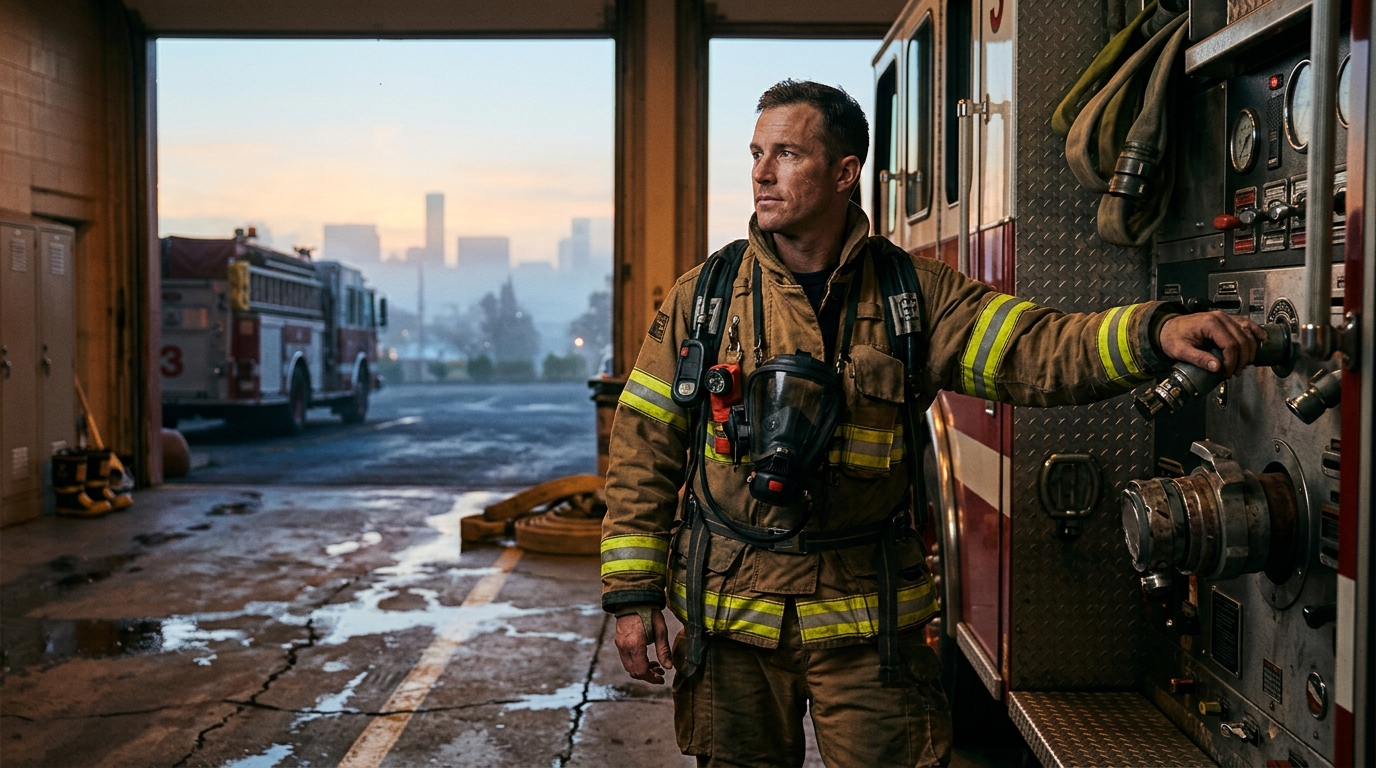
Firefighter Fitness Program to Regain Strength and Confidence
Firefighting is one of the most physically demanding occupations in the United States. Yet many firefighters watch their fitness slip after years on the job, losing the strength and confidence they had as a probie. The good news: a structured, job-specific fitness program can reverse the decline. Everyday Heroes Fitness has helped over 1,000 first responders regain their edge through a proven system built for the unique demands of the fireground. In this guide, you will learn why generic gym plans fall short, what components matter most, and how to take action today.
Why Firefighters Need Specialized Fitness
Functional fitness is training that mirrors real-world movement patterns rather than isolated muscle exercises. For firefighters, that means dragging hose, climbing ladders, breaching doors, and carrying victims. A standard bodybuilding split does not prepare you for these demands.
Core strength and balance are critical on the fireground. When you are navigating a zero-visibility structure fire in full turnout gear, every second and every muscle fiber counts. Unilateral exercises, loaded carries, and explosive movements are far more relevant than a seated leg curl.
A firefighter-specific program also accounts for the 24/48 or 48/96 shift schedule, allowing you to train effectively around on-duty days without overtraining or missing sessions.
The Cardiac Risk Reality
Fitness is not optional for firefighters. It is a life-or-death issue. According to NFPA data, sudden cardiac deaths consistently account for the largest share of on-duty firefighter fatalities. In 2022, overexertion and stress accounted for roughly half of all line-of-duty deaths, with 34 of 49 deaths in that category being sudden cardiac incidents.
The data is even more striking when you look at risk distribution. Fire suppression represents only 1 to 5 percent of a firefighter's annual work time, yet it is associated with over 30 percent of cardiac line-of-duty deaths, according to research published in the National Library of Medicine. Meanwhile, 72% of fire departments still do not have programs to maintain basic firefighter fitness and health.
This gap between risk and preparedness is exactly why a structured fitness program is not a luxury. It is survival equipment.
Key Components of an Effective Firefighter Program
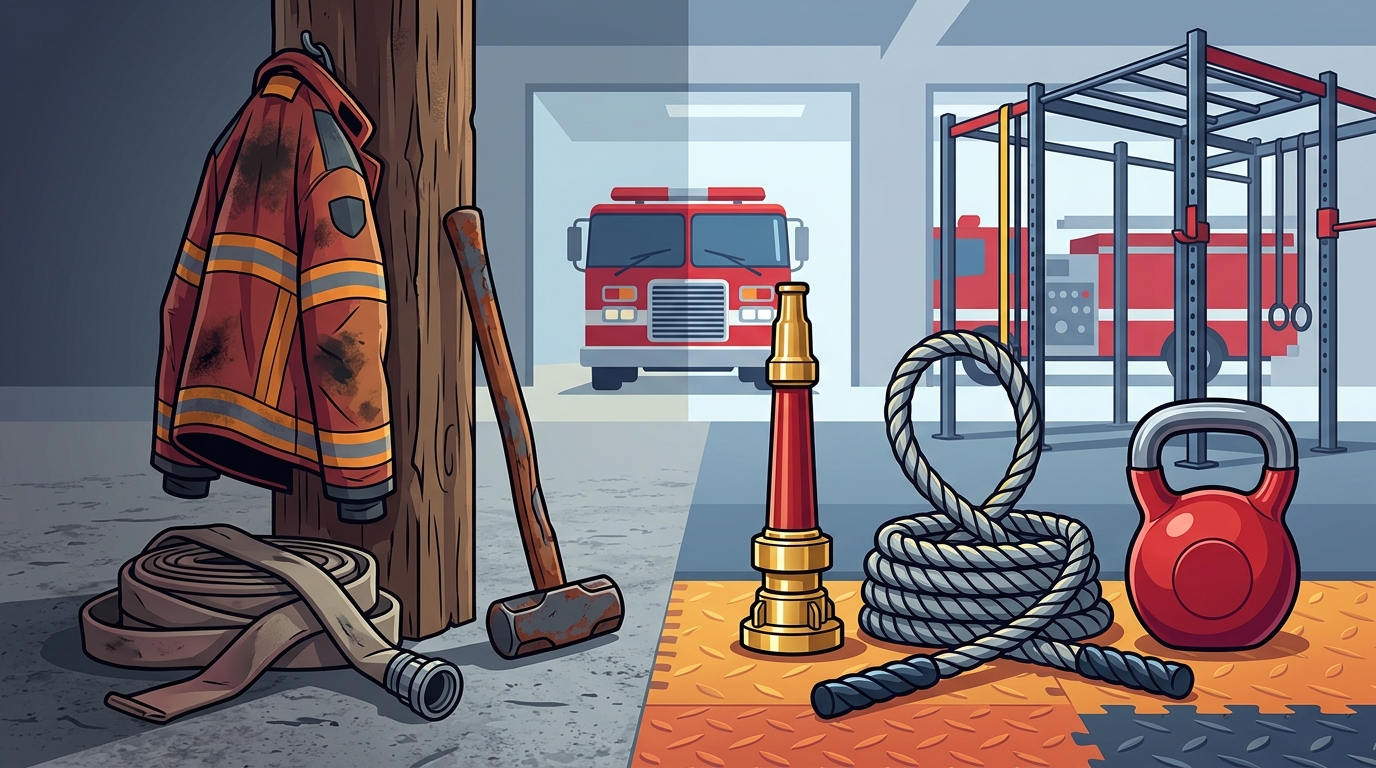
Functional Strength Training
Functional strength training is resistance exercise that develops movement patterns used on the job. Think kettlebell swings, deadlifts, farmer carries, and sled pushes. Kettlebells, in particular, are considered the top tool for building functional firefighter strength because they train grip, core, and posterior chain simultaneously.
Cardiovascular Conditioning
Cardiovascular conditioning is training designed to improve the heart's ability to deliver oxygen under sustained physical stress. Both aerobic endurance (for extended wildland operations) and anaerobic capacity (for short, intense structure fire tasks) must be developed. Interval training and rucking are excellent choices.
Mobility and Recovery
Years of wearing heavy gear and sleeping on station bunks take a toll. A complete program includes dedicated stretching and mobility work to prevent chronic pain and maintain range of motion.
The Everyday Heroes Fitness Approach
Everyday Heroes Fitness, founded by Coach Mitch Gourley, is a fitness program designed specifically for firefighters looking to lose weight, eliminate pain, and regain strength and confidence both on and off the fireground. The program goes beyond generic workouts by providing custom training, real coaching, weekly accountability calls, and nutrition guidance that fits a firefighter's lifestyle.
The online coaching program is built for firefighters who have gained weight, lost motivation, or tried programs that did not fit the demands of shift work. Real results back it up: one client lost 21 pounds and eliminated chronic back pain, while another lost 41 pounds while preparing for the CPAT.
For those who want to start with a free option, the Firefighter Kettlebell Foundations program is a free 4-day plan that teaches you how to use the kettlebell for functional firefighter strength.
How Firefighter Fitness Programs Compare
| Feature | Everyday Heroes Fitness | Generic Gym Plan | DIY YouTube Workouts |
|---|---|---|---|
| Firefighter-specific programming | Yes | No | Sometimes |
| 1-on-1 coaching | Yes | Extra cost | No |
| Nutrition guidance for shift work | Yes | No | Rarely |
| Weekly accountability calls | Yes | No | No |
| In-app progress tracking | Yes | Varies | No |
| Community of first responders | Yes | No | No |
| Free starter resources | Yes | No | Yes |
The difference between a firefighter-specific program and a generic plan comes down to context. Everyday Heroes Fitness programs account for 24-hour shifts, firehouse gym limitations, and the physical demands unique to the job.
Free Resources to Start Today
Everyday Heroes Fitness offers several free resources so you can begin your fitness journey at zero cost:
- Firefighter Kettlebell Foundations: A free 4-day kettlebell plan for functional strength.
- 4-Week Functional First Responder Training Program: A structured training block used by over 6,000 firefighters.
- First Responder Stretching and Mobility Program: Dedicated mobility work for pain reduction and injury prevention.
These programs are designed to give you a real taste of structured, job-specific training before you commit to the full coaching experience.
Key Takeaways
- Firefighters face disproportionate cardiac risk during fire suppression, making fitness a safety imperative, not a vanity project.
- 72% of fire departments lack formal fitness programs, leaving individual firefighters responsible for their own preparation.
- Functional strength, cardiovascular conditioning, and mobility are the three pillars of an effective firefighter fitness program.
- Everyday Heroes Fitness provides 1-on-1 coaching, nutrition guidance, and accountability built around the realities of shift work.
- Over 1,000 first responders have used the Everyday Heroes system to regain strength and confidence.
- Free resources like the Kettlebell Foundations program let you start with zero cost and zero risk.
- The right program does not just make you fitter. It makes you a safer, more reliable member of your crew.
Frequently Asked Questions
What makes a firefighter fitness program different from a regular gym program?
A firefighter fitness program emphasizes functional movements like loaded carries, sled drags, and kettlebell work that mirror on-the-job tasks. It also accounts for irregular shift schedules and firehouse gym equipment limitations.
How does Everyday Heroes Fitness work?
Everyday Heroes Fitness provides custom training plans, weekly coaching calls, in-app progress tracking, and nutrition guidance tailored to the firefighter lifestyle. You work directly with Coach Mitch Gourley.
Is there a free program I can try first?
Yes. The Firefighter Kettlebell Foundations program is a free 4-day plan. There is also a free 4-week functional training program available on the site.
How important is cardiovascular fitness for firefighters?
Extremely important. Cardiac events account for 45 to 50 percent of on-duty firefighter deaths, according to NFPA data spanning four decades. Cardiovascular conditioning directly reduces this risk.
Can I do this program at the firehouse?
Yes. The programs are designed to work with minimal equipment, including kettlebells, dumbbells, and bodyweight movements commonly available in firehouse gyms.
What results can I expect?
Results vary, but documented outcomes from Everyday Heroes Fitness clients include losing 20 to 40+ pounds, eliminating chronic back pain, and passing the CPAT with confidence.
Do I need to be in shape to start?
No. The program meets you where you are. Whether you are 20 pounds overweight or 60 pounds overweight, the coaching is customized to your current fitness level and goals.
How long before I see results?
Most firefighters in the program report noticeable improvements in energy, strength, and body composition within the first 4 to 6 weeks of consistent effort.
Take the First Step
You became a firefighter to protect others. Now it is time to protect yourself. Whether you start with a free kettlebell program or apply for the full online coaching program, the important thing is to start. Your crew, your family, and your future self are counting on you.