
Firefighter Fitness Program: How to Regain Strength and Confidence
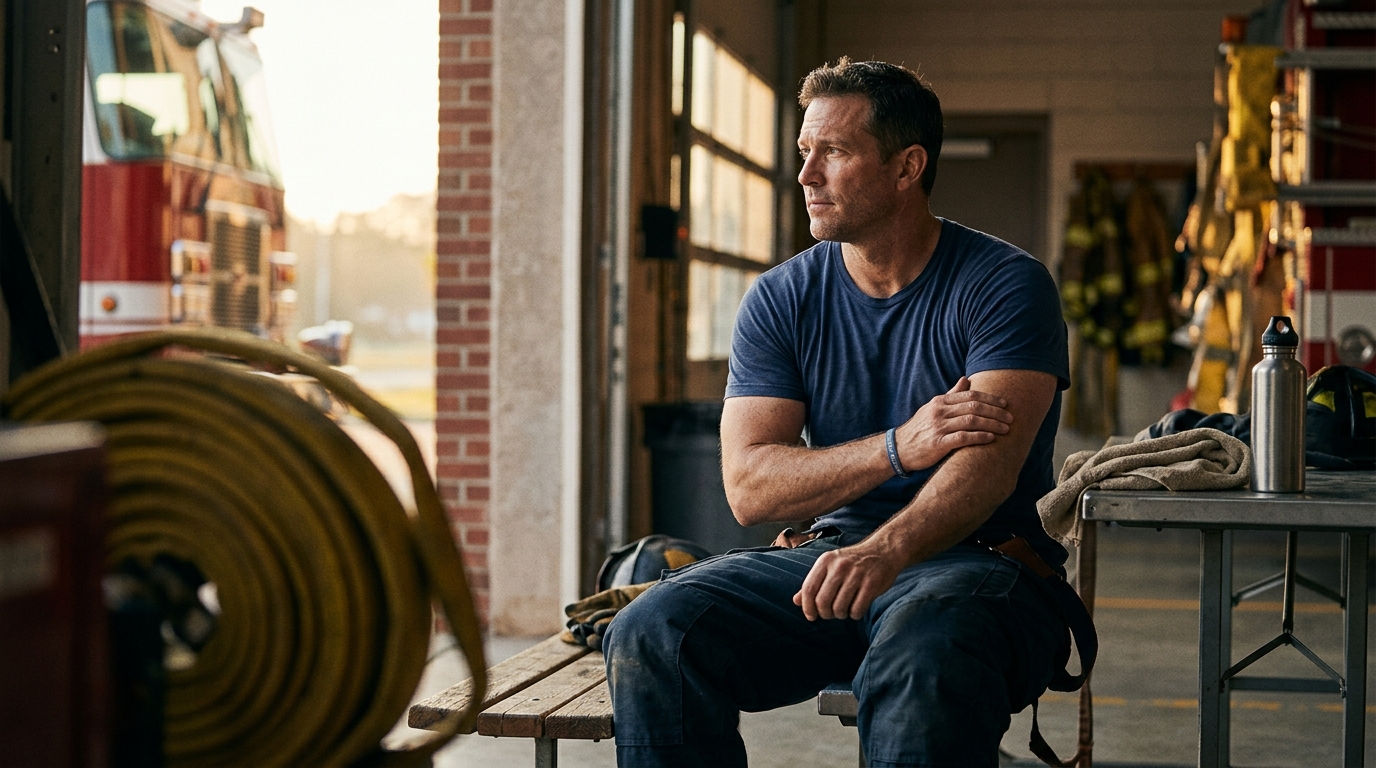
Firefighting is one of the most physically demanding professions in the world, yet many firefighters watch their fitness slowly decline after the academy. Between 24-hour shifts, disrupted sleep, and station-house eating habits, it is easy to lose the strength and confidence you once had. The good news is that a structured, job-specific fitness program can help you reclaim both. This guide breaks down why firefighter-specific training matters, what an effective program looks like, and how Everyday Heroes Fitness has helped thousands of first responders get back on track.
Why Fitness Is a Life-or-Death Issue for Firefighters
Cardiac events are not a secondary concern in the fire service. They are the leading killer. According to research published in the National Library of Medicine, sudden cardiac death accounts for approximately 45% of all firefighter duty-related fatalities. More recent data paints an even sharper picture: in 2025, 48 of 76 on-duty firefighter deaths (63%) were caused by cardiac events.
Shift work disrupts circadian rhythm. Sleep interruptions cause repeated cardiovascular stress. Occupational exposure to combustion byproducts adds chronic inflammation. On top of that, rates of obesity and hypertension in the fire service exceed those of the general population. A dedicated fitness program is not optional; it is essential protective equipment.
What Makes a Firefighter Fitness Program Effective
A firefighter fitness program is a structured training system designed to build the specific physical capacities required for fireground performance. Generic gym routines miss the mark because they do not account for the unique demands of the job: dragging hose, forcing entry, climbing ladders in full turnout gear, and performing rescues under extreme heat and fatigue.
Job-Specific Movement Patterns
Effective programs prioritize functional movements like carries, pulls, presses, and squats that mirror real-world fireground tasks. Unilateral training is especially valuable because firefighters rarely load both sides of the body equally during emergency operations.
Integrated Cardiovascular Conditioning
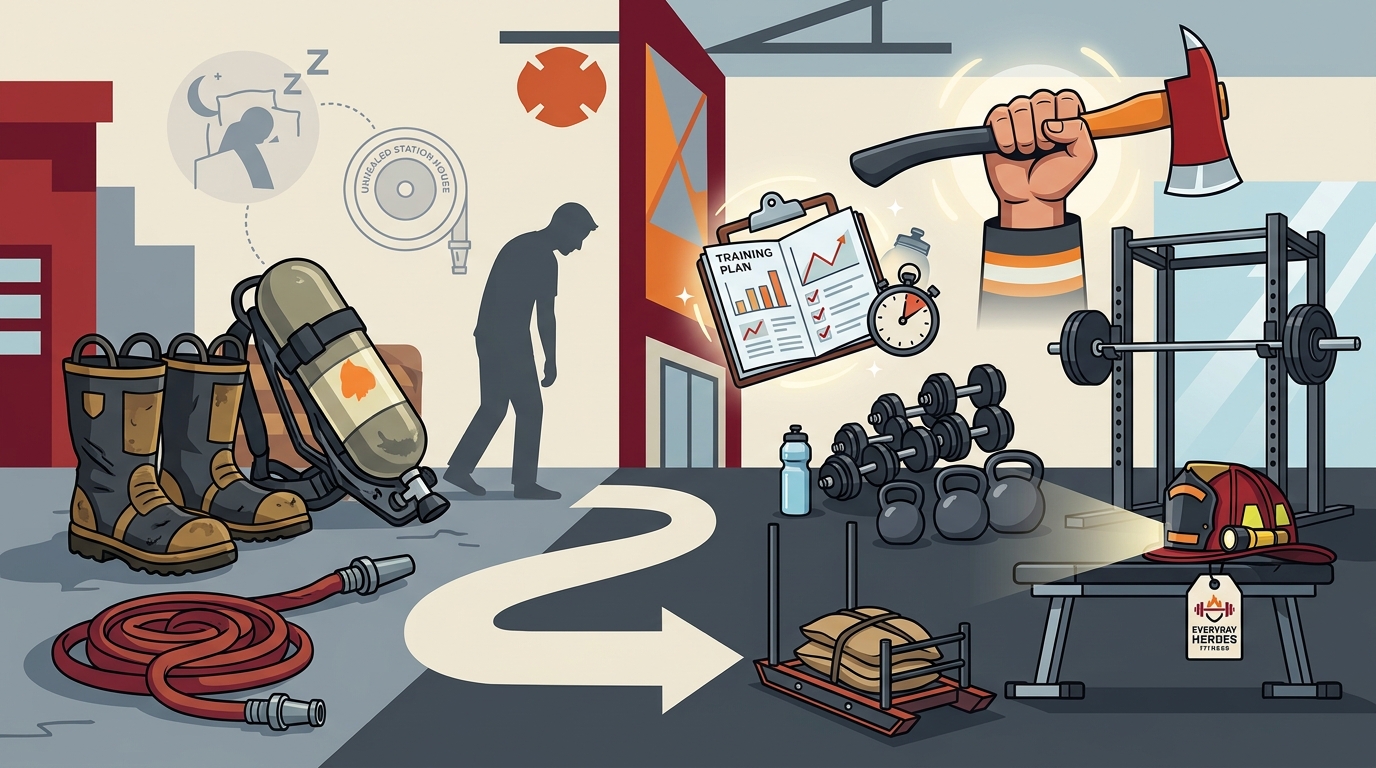
Cardiovascular fitness is a direct predictor of on-duty survival. The NFPA updated its 1582 standard in 2024 to include age- and sex-adjusted cardiorespiratory benchmarks with a minimum performance threshold. Programs that combine strength and conditioning prepare you for the sustained, high-output effort that firefighting demands.
Coaching and Accountability
Accountability is the difference between a PDF gathering dust and real transformation. The best programs include regular check-ins, progress tracking, and a coach who understands the fire service lifestyle.
The Four Pillars of Firefighter Strength
Functional strength for firefighters rests on four training pillars. Each pillar targets a specific physical quality needed on the fireground.
| Pillar | Training Focus | Fireground Application |
|---|---|---|
| Maximal Strength | Heavy compound lifts, progressive overload | Forcible entry, victim rescue, equipment handling |
| Work Capacity | Circuit training, EMOM workouts, kettlebell complexes | Sustained effort during extended operations |
| Cardiovascular Endurance | Zone 2 cardio, interval training | Operating on air, multi-story climbs, rehab recovery |
| Mobility and Recovery | Dynamic stretching, soft tissue work | Injury prevention, operating in confined spaces |
A well-designed program addresses all four pillars, not just one or two. That balance is what separates a firefighter training system from a standard gym routine.
How Everyday Heroes Fitness Works
Everyday Heroes Fitness is a coaching program built specifically for firefighters by Coach Mitch Gourley, a firefighter himself. The program has helped over 1,000 first responders regain their strength, confidence, and drive through a proven system backed by guaranteed results.
Unlike generic workout apps, the online coaching program delivers custom training, real coaching, weekly accountability, and nutrition guidance that fits the shift-work lifestyle. In-app progress tracking and weekly coaching calls keep you moving forward consistently.
The program is designed for firefighters who have gained weight, lost motivation, or tried other programs that did not reflect the demands of the job. Real results from real firefighters back it up: one member lost 21 pounds, got hired full-time, and eliminated chronic back pain. Another lost 41 pounds and passed the CPAT.
Free Resources to Start
Not ready for full coaching? Everyday Heroes Fitness offers free entry points including the Firefighter Kettlebell Foundations program and the 4-Week Functional First Responder Training Program, which has been used by over 6,000 firefighters. There is also a dedicated stretching and mobility program for those dealing with chronic tightness or pain.
Firefighter Fitness Program Comparison
Not all firefighter fitness programs are created equal. Here is how key features stack up when choosing a program.
| Feature | Generic Gym Program | Firefighter-Specific Program |
|---|---|---|
| Movement Selection | Bodybuilding-style isolation | Functional, job-task oriented |
| Cardiovascular Training | Separate or ignored | Integrated with strength work |
| Schedule Flexibility | Assumes 9-to-5 lifestyle | Built for shift workers (24/48, 48/96) |
| Coaching Support | None or AI-generated | Real coach with fire service experience |
| Nutrition Guidance | Generic macros | Adapted for on-shift eating patterns |
| Accountability System | Self-directed | Weekly check-ins and progress tracking |
Firefighter-specific programming accounts for the realities of the job: limited equipment at the station, disrupted schedules, and the need to be ready for a call at any moment.
Getting Started: Your First 4 Weeks
The hardest part is starting. A phased approach prevents burnout and builds momentum.
Weeks 1-2: Build the Foundation
Focus on movement quality over intensity. Learn fundamental patterns like the kettlebell swing, goblet squat, and Turkish get-up. The Firefighter Kettlebell Foundations guide is an excellent starting point. Add 20 to 30 minutes of low-intensity cardio (walking, cycling) on non-training days.
Weeks 3-4: Add Intensity
Progress to structured circuits and EMOM (every minute on the minute) workouts. Begin integrating loaded carries and pulling movements. Track your workouts so you can see measurable progress.
After four weeks of consistent training, most firefighters report noticeable improvements in energy, sleep quality, and on-shift performance.
Key Takeaways
- Cardiac events are the leading cause of on-duty firefighter deaths, making cardiovascular fitness a survival priority.
- A firefighter fitness program must address strength, work capacity, endurance, and mobility together.
- Generic gym programs fail firefighters because they ignore shift-work schedules and job-specific demands.
- Everyday Heroes Fitness offers a proven coaching system built by a firefighter for firefighters.
- Free resources like the 4-Week Functional Training Program let you start without financial commitment.
- Accountability through coaching and progress tracking is the key differentiator for lasting results.
- Starting with foundational movement quality in weeks one and two sets you up for long-term success.
Frequently Asked Questions
What is the best fitness program for firefighters?
The best fitness program for firefighters is one that combines functional strength training, cardiovascular conditioning, mobility work, and real coaching accountability. Programs like Everyday Heroes Fitness are designed specifically for the demands and schedules of the fire service.
How often should firefighters work out?
Most firefighter fitness experts recommend training 3 to 5 days per week. The key is consistency, not extreme volume. Even 30 minutes of moderate-intensity exercise five days a week meets the minimum effective dose for cardiovascular health.
Can I train effectively at the fire station?
Yes. Many firefighter-specific programs are designed around minimal equipment like kettlebells, pull-up bars, and bands. The Kettlebell Foundations program from Everyday Heroes Fitness uses only a single kettlebell.
Why do firefighters need specialized fitness programs?
Firefighters face unique physical demands including operating in extreme heat, wearing 50+ pounds of gear, and performing high-intensity tasks with minimal rest. Standard gym routines do not prepare the body for these specific stressors.
What is functional fitness?
Functional fitness is a training approach that focuses on exercises mimicking real-world movement patterns. For firefighters, this means movements like carries, drags, climbs, and overhead presses that translate directly to fireground tasks.
How does Everyday Heroes Fitness differ from a workout app?
Everyday Heroes Fitness provides custom training plans, weekly coaching calls, nutrition guidance, and in-app progress tracking with a real coach. A workout app gives you pre-built routines without personalization or accountability.
Is cardiovascular training important for firefighters?
Absolutely. Cardiovascular fitness is the single most important factor in reducing the risk of on-duty cardiac events. The NFPA 1582 standard now requires firefighters to meet minimum cardiorespiratory benchmarks.
How quickly will I see results?
Most firefighters in the Everyday Heroes Fitness program notice improvements in energy and daily performance within the first two to four weeks. Significant body composition changes typically appear between weeks six and twelve with consistent effort.
Take the First Step Today
You do not need to overhaul your life overnight. Start with a free resource and build from there. Download the 4-Week Functional First Responder Training Program or explore the full online coaching program to get matched with a system built for the demands of your job. Your crew is counting on you. Show up ready.