
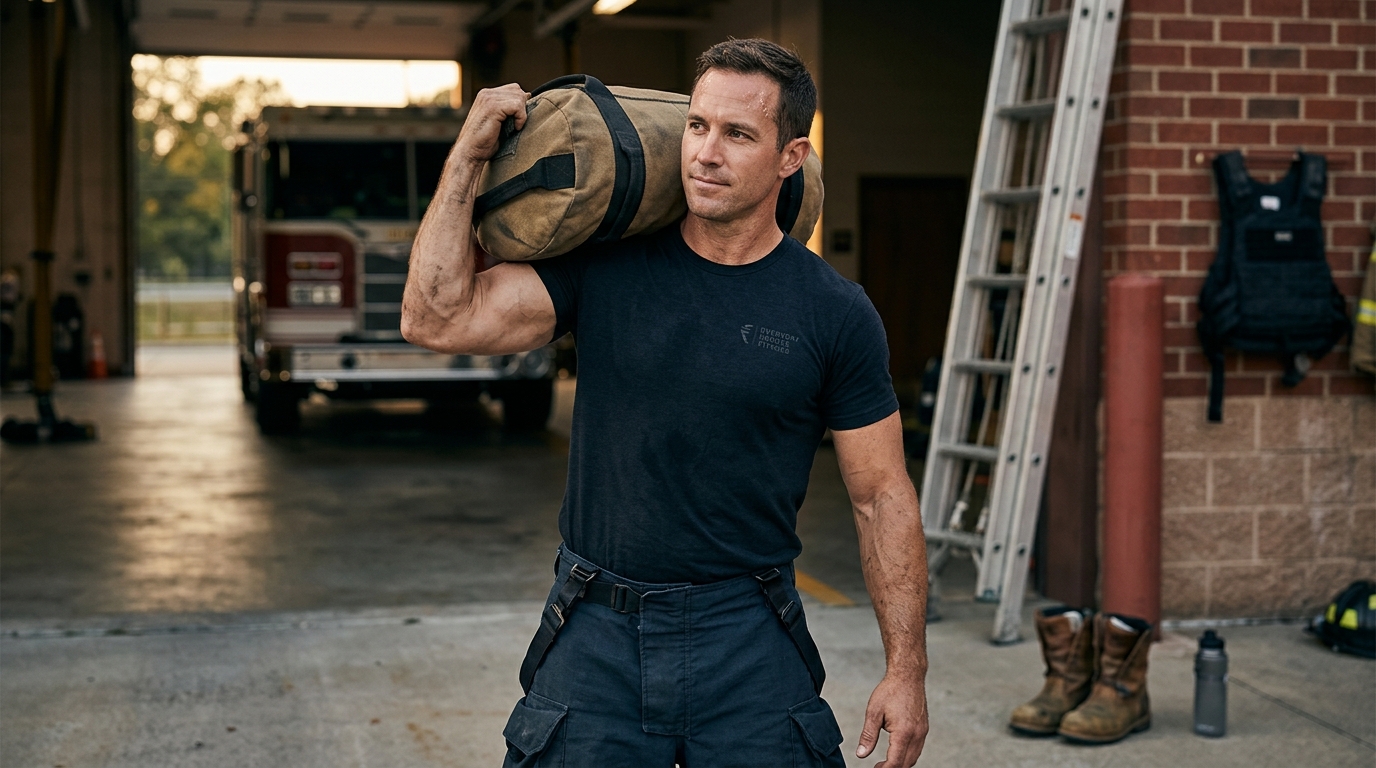
Firefighter Fitness Program: How to Regain Strength and Confidence
Firefighting demands peak physical performance every single shift. Yet many firefighters find their fitness slipping over the years, weighed down by irregular schedules, fatigue, and a lack of structured training. The good news is that the right program can reverse the decline. A firefighter fitness program is a structured training system designed specifically to address the physical demands of fireground operations, including functional strength, cardiovascular endurance, and injury resilience. In this guide, we break down what makes a program effective, the key training pillars every firefighter needs, and how to choose a system that delivers lasting results.
Why Firefighters Need Specialized Fitness
Firefighting is one of the most physically demanding professions in the world. According to NFPA research, there were an estimated 53,575 firefighter injuries in 2024, with 30% occurring on the fireground. The most prevalent injury type across years of data remains sprains, strains, and muscular pain, driven primarily by overexertion.
Research published in the Journal of Occupational and Environmental Medicine found that firefighters are almost four times more likely to experience a work-related musculoskeletal disorder than private-sector employees. These numbers make one thing clear: generic gym routines are not enough. Firefighters need training that mirrors the unpredictable, high-intensity nature of their work.
The 5 Pillars of Effective Firefighter Training
1. Functional Strength
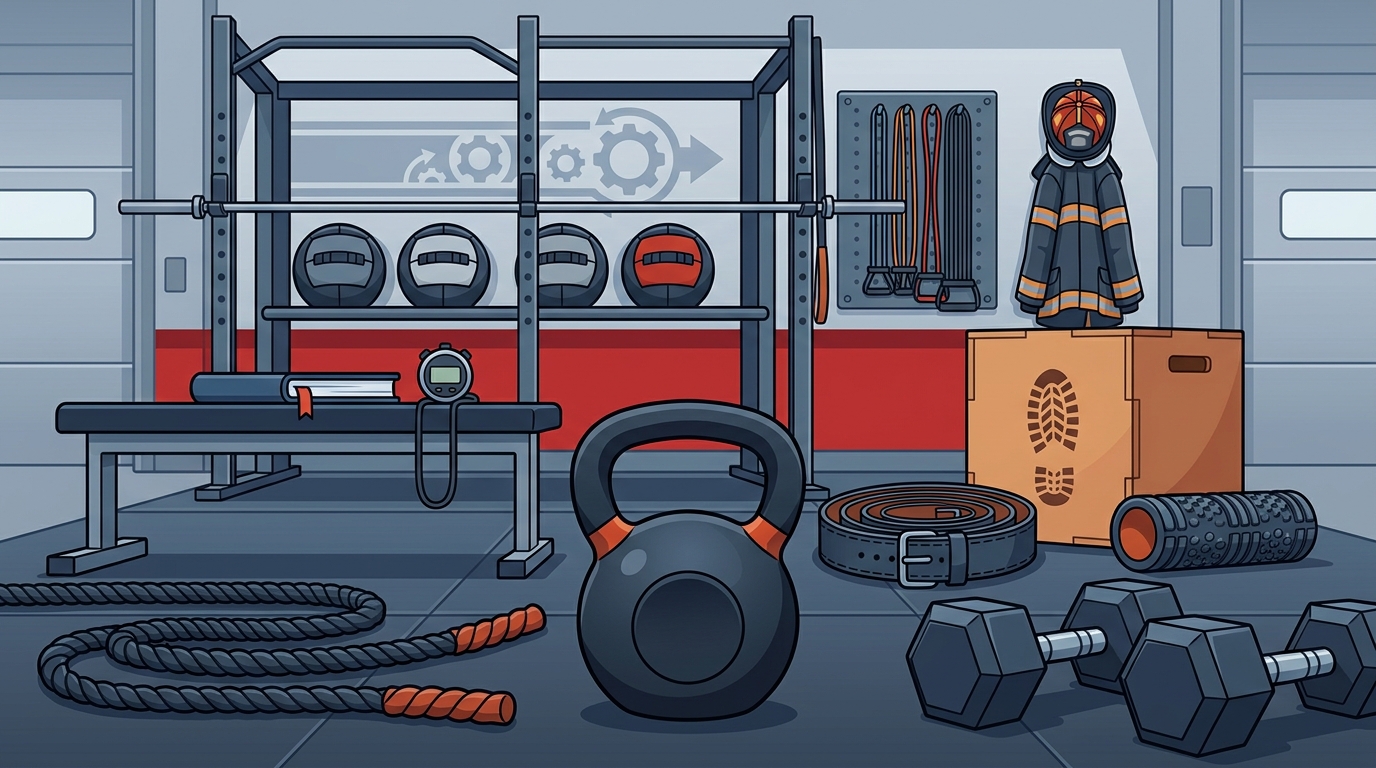
Functional strength is the ability to produce force in real-world movement patterns such as lifting, pulling, and carrying. Firefighters regularly haul charged hose lines, force entry through doors, and carry victims. Training should prioritize compound movements like deadlifts, squats, and carries over isolated muscle work.
2. Cardiovascular Endurance
Overexertion and strain represented the leading cause of firefighter fatalities in 2024, accounting for 65% of on-duty deaths. Building aerobic and anaerobic capacity reduces cardiac risk and keeps you operational longer on the fireground. Programs like the Zero to Hero 10K Running Program are designed to develop this base.
3. Mobility and Recovery
Mobility is the ability to move joints through their full range of motion under control. Tight hips, stiff shoulders, and limited thoracic rotation increase injury risk when wearing SCBA or working in confined spaces. A dedicated stretching and mobility program should be part of every firefighter's weekly routine.
Common Mistakes Firefighters Make With Fitness
Many firefighters default to bodybuilding-style splits or random workouts with no periodization. While these may build muscle, they often neglect the cardiovascular conditioning and movement quality needed on the job. Others chase quick fixes or unsustainable crash diets that lead to rebound weight gain.
Another common pitfall is training without accountability. Shift work makes consistency difficult, and without coaching or progress tracking, motivation fades quickly. The result is a cycle of starting and stopping that never produces lasting change.
What to Look for in a Firefighter Fitness Program
An effective firefighter fitness program should include several non-negotiable elements:
- Job-specific programming: Workouts that reflect fireground demands, not generic fitness templates.
- Nutrition guidance: A plan that fits the realities of shift cooking and 24-hour rotations.
- Coaching and accountability: Regular check-ins, progress tracking, and expert feedback.
- Scalability: Adaptable for both firehouse gyms and home setups with minimal equipment.
- Proven results: Testimonials and documented outcomes from real firefighters.
How Everyday Heroes Fitness Solves the Problem
Everyday Heroes Fitness was built from the ground up for firefighters. Founded by Coach Mitch Gourley, a firefighter himself, the program has helped over 1,000 first responders regain their strength, confidence, and drive through a proven system backed by guaranteed results.
The Online Coaching Program goes beyond cookie-cutter workouts. It includes custom training plans, weekly coaching calls, in-app progress tracking, and nutrition guidance tailored to the firefighter lifestyle. Clients have reported results like losing 41 pounds and eliminating chronic back pain.
For those just starting out, the free Firefighter Kettlebell Foundations program offers a 4-day plan built around the kettlebell, which Coach Mitch calls the number-one tool for functional firefighter strength.
Firefighter Training Approaches Compared
| Feature | Generic Gym Program | DIY Firehouse Workouts | Everyday Heroes Fitness |
|---|---|---|---|
| Job-Specific Programming | No | Sometimes | Yes |
| Nutrition for Shift Work | No | No | Yes |
| 1-on-1 Coaching | Varies | No | Yes (weekly calls) |
| Progress Tracking App | Varies | No | Yes |
| Mobility Programming | Rarely | Rarely | Yes |
| Built by a Firefighter | No | N/A | Yes |
| Guaranteed Results | No | No | Yes |
Key Takeaways
- Firefighters face nearly four times the musculoskeletal injury risk of private-sector workers, making specialized training essential.
- The most effective programs combine functional strength, cardiovascular endurance, and mobility work.
- Overexertion remains the leading cause of on-duty firefighter fatalities, underscoring the need for proper conditioning.
- Accountability and coaching are critical for consistency, especially with the demands of shift work.
- Everyday Heroes Fitness offers a complete system with custom training, nutrition, coaching calls, and in-app tracking.
- Free resources like the Kettlebell Foundations program provide a strong starting point.
- Choose a program built by someone who understands the job, not just fitness in general.
Frequently Asked Questions
What is a firefighter fitness program?
A firefighter fitness program is a structured training plan designed to build the specific physical capacities required for fireground operations, including functional strength, cardiovascular endurance, mobility, and injury resilience.
How often should firefighters work out?
Most firefighters benefit from training 4 to 5 days per week, combining strength sessions, conditioning work, and mobility routines. Programs like the 4-Week Functional First Responder Training Program are structured to fit around shift schedules.
Can I train at the firehouse with limited equipment?
Yes. Kettlebells, resistance bands, and bodyweight exercises are highly effective for firefighter fitness. The Kettlebell Foundations program is specifically designed for minimal-equipment environments.
What is the CPAT and how should I train for it?
The CPAT (Candidate Physical Ability Test) is a standardized test used by fire departments to evaluate a candidate's physical readiness. It includes events like stair climbing, hose dragging, and victim rescue. A program combining strength training and cardiovascular conditioning is the best preparation strategy.
How does Everyday Heroes Fitness differ from other programs?
Everyday Heroes Fitness provides one-on-one coaching from a firefighter, weekly accountability calls, in-app progress tracking, and nutrition guidance built for shift life. It has helped over 1,000 first responders achieve measurable results.
Is nutrition coaching included?
Yes. The Online Coaching Program includes nutrition planning designed to work with the realities of firehouse cooking and 24-hour shifts, not against them.
What results can I expect?
Results vary, but program participants have reported losing over 40 pounds, eliminating chronic pain, and successfully passing the CPAT. The program is backed by a results guarantee.
Are there free resources to get started?
Yes. Everyday Heroes Fitness offers several free resources, including the Kettlebell Foundations program and a stretching and mobility guide for first responders.
Ready to Take Action?
If you are a firefighter ready to stop guessing and start training with a system that works, take the first step today. Apply for the Everyday Heroes Fitness Online Coaching Program and join the 1,000+ first responders who have already transformed their fitness, their confidence, and their careers. You can also start for free with the Kettlebell Foundations program to experience the approach firsthand.