
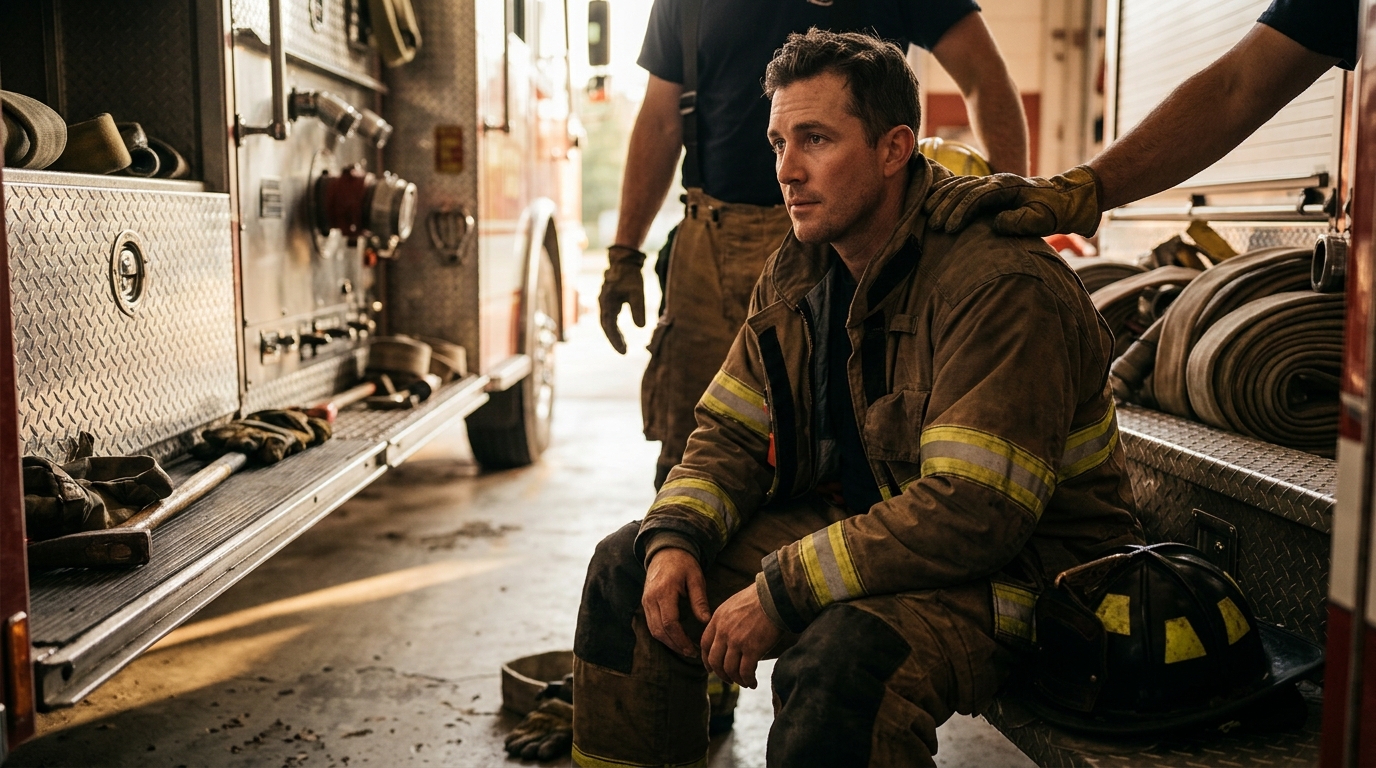
Functional fitness for first responders is not a trend; it is a necessity for career longevity. According to recent industry data, over 6,000 firefighters have utilized specialized training systems to regain their physical readiness and mental resilience. This statistic highlights a massive shift away from generic gym routines toward targeted, job-specific conditioning. If you are looking to reclaim your strength, you need a system that understands the unique demands of the fireground. (Everyday Heroes Fitness)
Why Generic Programs Fail First Responders
Most commercial fitness programs are designed for aesthetics, not operational readiness. They focus on isolated muscle groups that rarely engage during a structural fire or medical emergency. Functional fitness is the practice of training movements, not just muscles, to improve performance in daily life and high-stress environments. For a firefighter, this means lifting heavy loads, dragging hoses, and climbing stairs while wearing 75 pounds of gear. (Everyday Heroes Fitness)
Generic programs often ignore the asymmetrical nature of firefighting. You might carry a victim on one shoulder or operate a saw with one dominant arm. A program built for firefighters must address these imbalances. It must prepare your body for the unpredictable chaos of the job, not just the controlled environment of a gym.
When you choose a program, ask yourself if it mirrors the physical demands of your shift. If the answer is no, you are wasting time that could be spent building genuine resilience. The goal is not to look good in a uniform. The goal is to be fit for duty, fit for life.
The Role of Kettlebell Foundations
Among the various tools available for first responders, the kettlebell stands out as the premier instrument for functional strength. It is not just a weight; it is a dynamic tool for building power and endurance simultaneously. Kettlebell training is a method of exercise that uses a cast-iron weight with a handle to develop grip strength, core stability, and explosive power. This specific type of training is critical for firefighters who need to maintain control over heavy, awkward objects.
Many successful first responders start with a structured kettlebell foundation. This approach teaches you how to unlock the full potential of the tool without risking injury. It is a four-day plan that focuses on the fundamentals of swinging, pressing, and carrying. These movements directly translate to the fireground.
Consider the mechanics of a hose drag. It requires a strong posterior chain and a stable core. Kettlebell swings build exactly that. They teach your body to generate power from the hips, protecting your lower back during heavy lifts. This is why a dedicated kettlebell program is often the starting point for any serious first responder fitness journey.
Nutrition That Fits Your Shift Work
Training is only half the equation. Nutrition is the fuel that powers your recovery and performance. However, standard diet advice often fails first responders because it does not account for irregular sleep schedules and high-stress shifts. Shift work nutrition is a dietary approach that aligns food intake with irregular circadian rhythms to maintain energy levels and metabolic health.
When you are working 24-hour shifts, your body’s natural hunger cues can become disrupted. You might find yourself craving high-sugar foods during the night shift or struggling to eat before a morning call. A good fitness program must address this by providing meal plans that fit your lifestyle, not fight it.
Look for programs that offer science-backed nutrition guidance tailored to your specific goals. This might include strategies for pre-shift fueling, on-shift maintenance, and post-shift recovery. It is about making smart choices when options are limited. You need a system that helps you stay energized and focused, regardless of the hour.
The Necessity of Real Coaching
Self-guided programs often lead to stagnation. Without external accountability, it is easy to skip workouts or cut corners on form. This is where online coaching becomes invaluable. It provides a layer of support that generic apps simply cannot match. Online coaching is a service model where fitness professionals provide personalized guidance, feedback, and accountability through digital platforms.
Real coaching means you have a dedicated professional who understands the stress of the job. They keep you accountable on the days you want to quit. They adjust your plan when your shift schedule changes. They help you navigate the mental hurdles that come with physical transformation.
Testimonials from other first responders highlight this impact. Many report losing significant weight and regaining their confidence through personalized coaching. One firefighter noted that working with a coach helped him lose 45 pounds and prepare for the CPAT. Another mentioned that chronic back pain disappeared after months of targeted training. These results are not accidental. They are the product of consistent, guided effort.
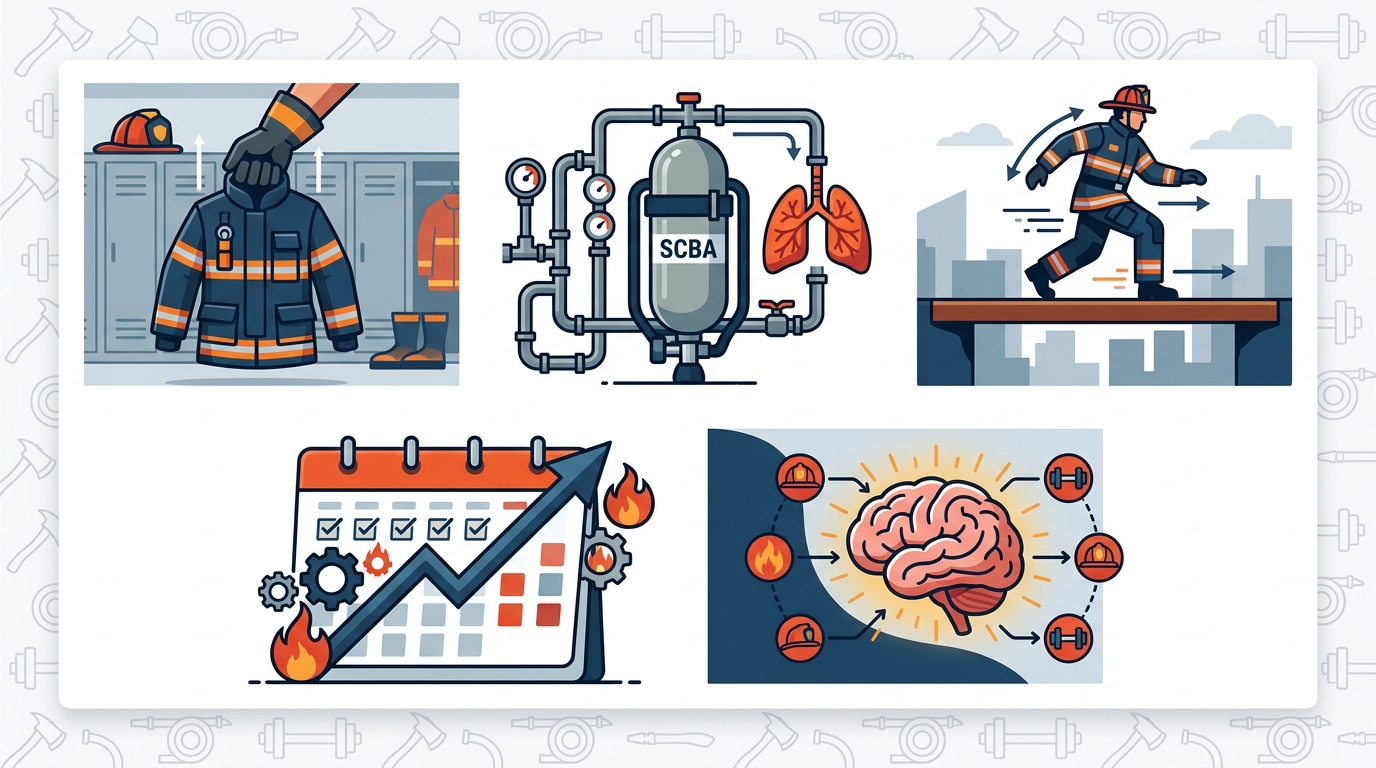
Program Comparison: DIY vs. Guided
Choosing between a do-it-yourself approach and a guided program is a critical decision. Each has its pros and cons, depending on your experience level and discipline. The table below summarizes the key differences to help you decide.
| Feature | DIY Program | Guided Coaching |
|---|---|---|
| Customization | Static, one-size-fits-all | Dynamic, adjusted to your progress |
| Accountability | Self-driven, low support | High, with regular check-ins |
| Nutrition | Generic meal plans | Tailored to shift work |
| Community | None or limited forums | Private group of first responders |
| Results | Variable, often slow | Consistent, guaranteed outcomes |
While a DIY program might seem cheaper upfront, the long-term cost of injury or lack of progress can be much higher. Guided coaching offers a structured path to success. It removes the guesswork and allows you to focus on execution. For those serious about their career and health, the investment in coaching is often the deciding factor.
Key Takeaways
- Functional Focus: Prioritize programs that train movements, not just muscles, to mirror fireground demands.
- Kettlebell Utility: Use kettlebell foundations to build grip strength and core stability essential for heavy lifting.
- Shift Work Nutrition: Choose meal plans that adapt to irregular sleep schedules and high-stress environments.
- Coaching Impact: Real coaching provides accountability and personalized adjustments that generic apps cannot match.
- Community Support: Joining a group of first responders creates a shared path to mental and physical resilience.
- Proven Results: Over 1,000 first responders have regained their strength and confidence through specialized systems.
- Long-Term Health: Investing in functional fitness reduces injury risk and extends career longevity.
Frequently Asked Questions
What is the best type of exercise for firefighters?
Functional fitness is the best type of exercise for firefighters. It focuses on multi-joint movements that mimic the physical demands of the job, such as lifting, dragging, and climbing. This approach builds real-world strength and endurance.
How does shift work affect fitness goals?
Shift work disrupts circadian rhythms, making it harder to maintain energy and recover properly. Nutrition and training must be adjusted to fit your schedule, rather than forcing your body to adapt to a standard 9-to-5 routine.
Is a kettlebell program effective for first responders?
Yes, kettlebell programs are highly effective. They build explosive power, grip strength, and core stability. These are critical attributes for handling heavy gear and performing rescues safely.
What is the difference between online coaching and a generic app?
Online coaching provides personalized feedback, accountability, and dynamic adjustments. Generic apps offer static workouts that do not adapt to your progress or specific needs as a first responder.
How long does it take to see results from a specialized program?
Results vary, but many first responders report significant changes in weight and strength within 4 to 8 weeks. Consistency and adherence to the program are key factors in achieving rapid transformation.
Can I do this program if I am a volunteer firefighter?
Absolutely. The program is designed for all first responders, including volunteers. It helps you prepare for the CPAT and maintain readiness regardless of your employment status.
What if I have chronic back pain?
Functional training often alleviates back pain by strengthening the core and improving movement patterns. However, always consult with a medical professional before starting any new exercise regimen.
Start Your Transformation
Do not let another day go by feeling out of shape or disconnected from your purpose. You have the drive. You have the discipline. Now you need the right system. Join the community of first responders who have reclaimed their strength and confidence. Apply for coaching today and take the first step toward becoming the Everyday Hero you were meant to be. Your career and your health depend on it.