
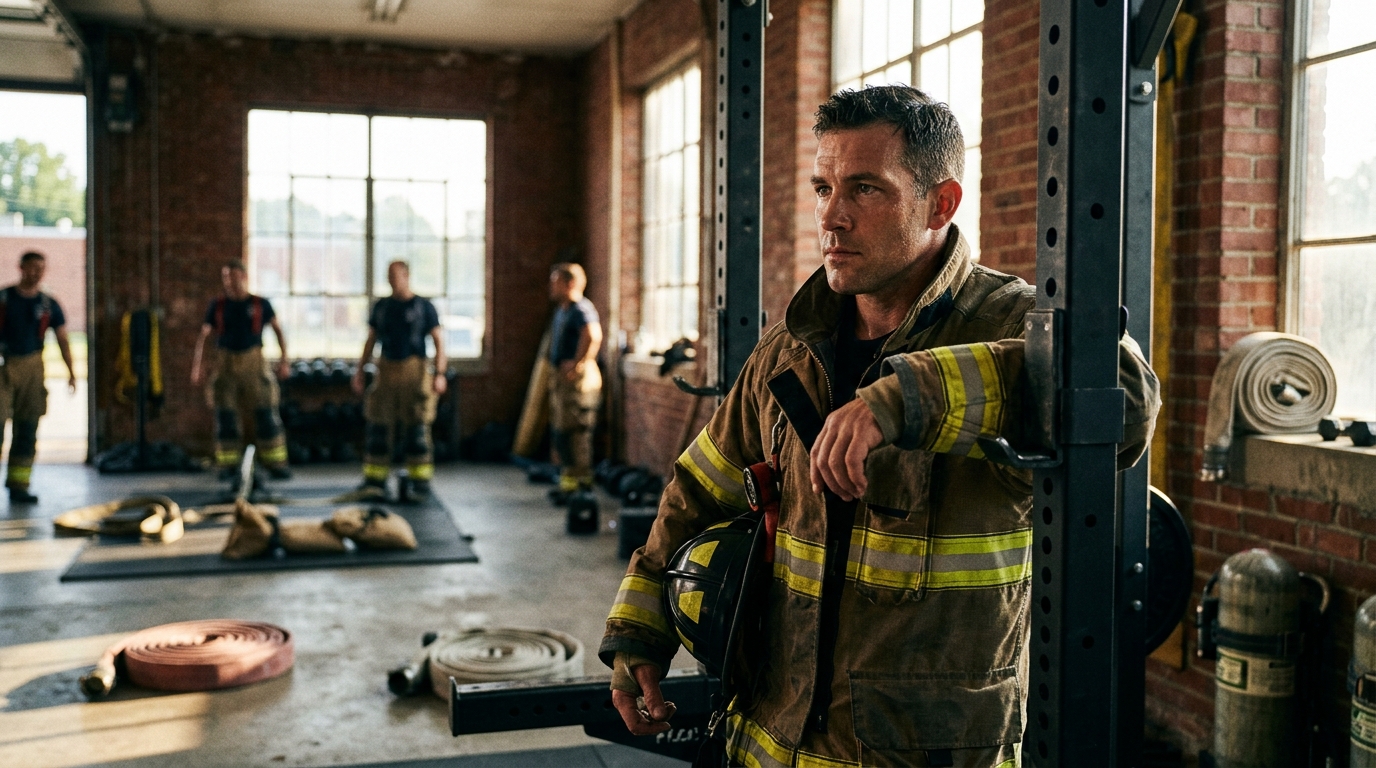
First responders face unique physical demands that standard gym routines simply cannot address. According to recent industry data, over 6,000 firefighters have utilized specialized functional training programs to regain their strength and confidence. This statistic highlights a critical shift in how the profession approaches physical readiness. Generic fitness plans often fail to account for the heavy gear, irregular shift work, and high-stress environments inherent to the job. Finding a program tailored to these specific needs is not just about aesthetics; it is about survival and operational readiness.
Why Generic Fitness Fails First Responders
Most commercial gyms are designed for the general population. They prioritize symmetry and isolation movements that do not translate to the fireground. When a firefighter puts on 75 pounds of Personal Protective Equipment (PPE), the mechanics of movement change entirely. A standard bench press does not prepare you for dragging a heavy hose line up a flight of stairs.
Functional fitness is the practice of training movements, not just muscles. This approach ensures that the strength you build is directly applicable to job tasks. Without this specific focus, firefighters often experience plateaus or, worse, injuries that sideline them from duty. The disconnect between gym strength and field performance is a common reason why many first responders feel they have lost their "probie" edge over time.
Furthermore, the mental aspect of fitness is often overlooked in traditional settings. First responders deal with high levels of trauma and stress. A program that ignores the mental component fails to address the whole person. This is why specialized coaching that understands the shift work lifestyle is essential for long-term success.
Key Functional Requirements for Firefighting
To find the right program, you must understand what the job actually demands. Firefighting is not a sport; it is a series of unpredictable, high-intensity physical challenges. A tailored program must address three core pillars of performance.
1. Load Bearing and Carrying Capacity
The ability to carry heavy loads over distance is paramount. This includes dragging victims, carrying equipment, and navigating uneven terrain. Programs must include loaded carries, farmer walks, and sled pushes. These exercises build the grip strength and core stability needed to maintain posture under load.
2. Anaerobic Endurance
Firefighting involves short bursts of extreme exertion followed by periods of relative calm. This mirrors the anaerobic energy system. Training must include high-intensity interval training (HIIT) that mimics the work-to-rest ratios of an active fire scene. Steady-state cardio alone is insufficient for preparing the heart and lungs for these spikes in demand.
3. Mobility and Recovery
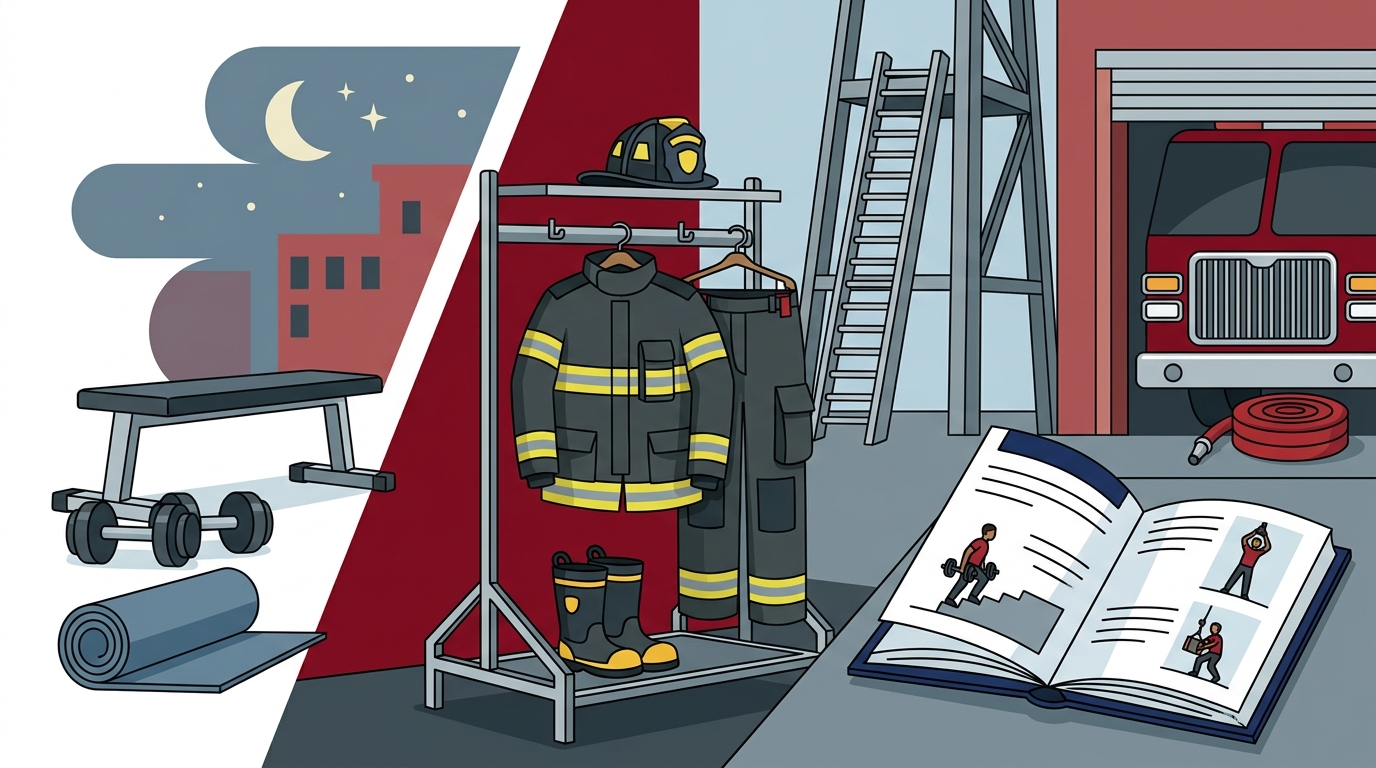
Shift work disrupts circadian rhythms, leading to poor recovery and increased injury risk. A good program integrates mobility work to counteract the tightness caused by wearing heavy gear. Kettlebell flows and dynamic stretching are often superior to static stretching for maintaining the range of motion needed for climbing and crawling.
Types of Tailored Fitness Programs
Not all specialized programs are created equal. Some offer rigid structures, while others provide flexibility for irregular schedules. Understanding the different models helps you choose the right fit for your lifestyle.
| Program Type | Best For | Key Benefit | Limitation |
|---|---|---|---|
| Online Coaching | Firefighters needing accountability and customization | Direct access to a coach who understands the job | Requires self-discipline to follow the plan |
| Functional First Responder Courses | Those wanting a structured, time-bound challenge | Clear roadmap and community support | Fixed schedule may not fit all shift patterns |
| Kettlebell Foundations | Beginners or those wanting to master one tool | Cost-effective and highly functional | May lack comprehensive nutrition guidance |
| CPAT Prep Programs | Applicants preparing for the physical exam | Specifically targets test components | May not address long-term health maintenance |
Online coaching programs often provide the most holistic approach. They combine training, nutrition, and mental accountability into a single system. This is crucial for firefighters who struggle with the isolation of shift work. Having a coach who checks in on your progress ensures you stay on track even when you are tired or stressed.
For those who prefer a more self-guided approach, functional first responder courses offer a structured path. These programs typically run for a set number of weeks, providing a clear start and end date. This can be motivating for individuals who thrive on deadlines and measurable outcomes.
How to Evaluate a Firefighter Program
When searching for a fitness program, you must look beyond the marketing claims. The right program will demonstrate a deep understanding of the first responder lifestyle. Here are the critical factors to consider during your evaluation.
Coach Background and Experience
Does the coach have experience with first responders? Ideally, they should have personal experience or a proven track record of working with this specific demographic. A coach who understands the physical toll of the job will design safer, more effective workouts. They will also be better equipped to handle the unique stressors that come with the profession.
Flexibility for Shift Work
Firefighters work rotating shifts, including nights and weekends. A rigid program that requires daily attendance at a specific time is often doomed to fail. Look for programs that offer flexible scheduling options. The ability to train at 4 AM or 4 PM is essential for maintaining consistency.
Community and Accountability
Training alone can be isolating. A strong community of peers who understand your struggles can provide immense motivation. Look for programs that include private groups or regular check-ins. This social support network is often the key to long-term adherence and success.
Key Takeaways
- Specialized Training is Essential: Generic fitness plans do not prepare you for the specific demands of wearing PPE and performing rescue operations.
- Functional Over Aesthetics: Focus on movements that mimic job tasks, such as dragging, lifting, and carrying, rather than isolated muscle groups.
- Coach Expertise Matters: Choose a coach who understands the first responder lifestyle, including shift work and high stress.
- Community Support: Programs with strong peer networks improve accountability and mental resilience.
- Proven Results: Look for programs with a history of helping thousands of firefighters, such as the 6,000+ who have used the 4-Week Functional First Responder Training Program.
- Flexible Scheduling: Ensure the program can adapt to your irregular shift schedule to maintain consistency.
- Holistic Approach: The best programs integrate nutrition, mental health, and physical training for complete readiness.
Frequently Asked Questions
What is the best type of exercise for firefighters?
Functional fitness is the most effective type of exercise for firefighters. This includes compound movements like squats, deadlifts, and kettlebell swings that mimic real-world tasks. These exercises build the strength and endurance needed for the fireground.
How can I find a fitness program that understands shift work?
Look for online coaching programs that explicitly mention flexibility in their offerings. Programs like the Online Coaching Program are designed to accommodate irregular schedules. They provide guidance that fits around your shifts rather than dictating them.
Is kettlebell training good for firefighters?
Yes, kettlebell training is highly beneficial. It builds grip strength, core stability, and cardiovascular endurance simultaneously. The Firefighter Kettlebell Foundations program is a great starting point for mastering this versatile tool.
What is the CPAT and how does fitness help?
The Candidate Physical Ability Test (CPAT) is the standard exam for firefighter hiring. It includes tasks like stair climbing and hose dragging. A tailored fitness program prepares you for these specific events, increasing your chances of passing.
How long does it take to see results?
Results vary based on individual effort and starting point. However, many participants in the 4-Week Functional First Responder Training Program report noticeable improvements in strength and energy within the first few weeks.
Do I need a gym membership for these programs?
Not necessarily. Many functional programs can be adapted for home gyms or minimal equipment. The kettlebell foundations, for example, require only one tool. This makes it easier to stay consistent regardless of your location.
Start Your Transformation
Reclaiming your physical fitness is not just about looking better; it is about performing better when it matters most. The journey to becoming fit for duty and fit for life begins with the right support. Join the community of first responders who have already transformed their health and confidence.
Take the first step today by exploring the Online Coaching Program or applying for the 4-Week Functional First Responder Training Program. Your future self on the fireground will thank you.