
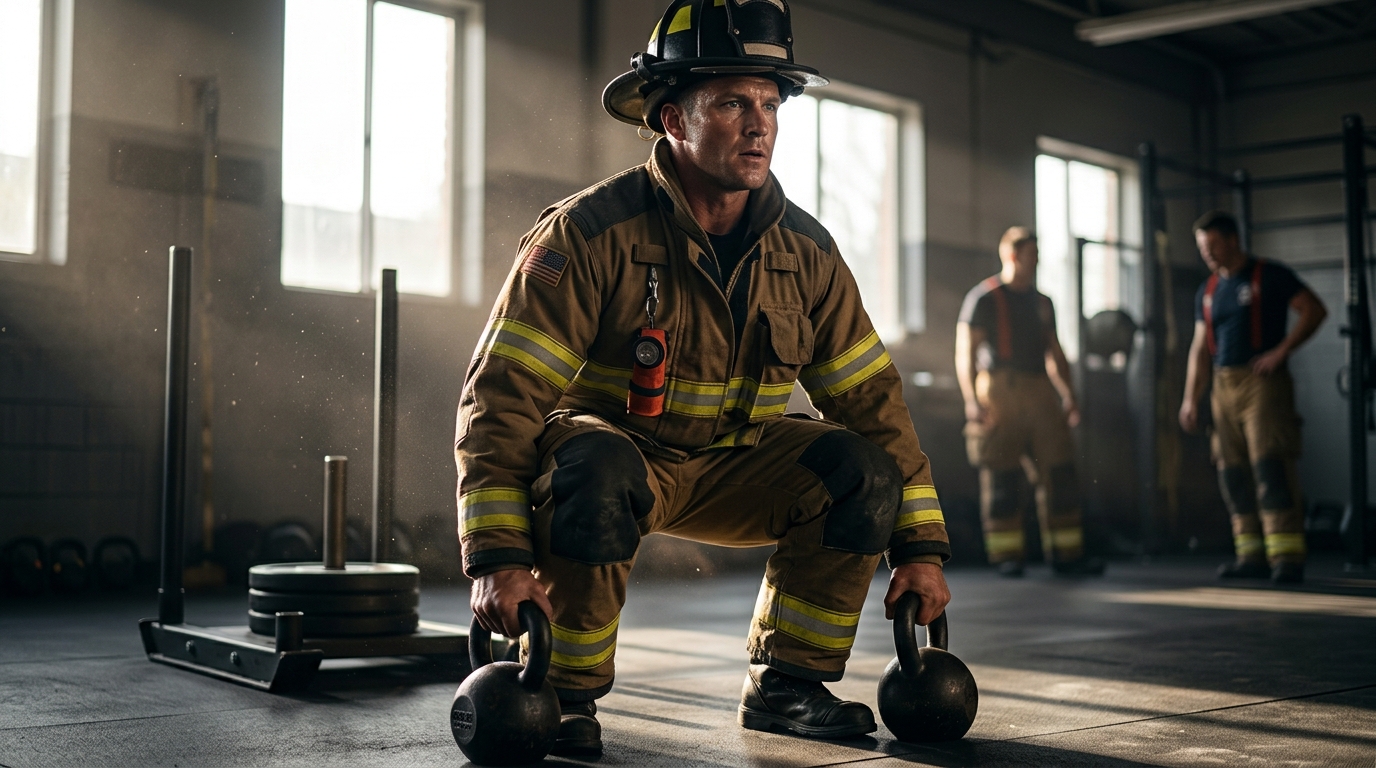
Firefighting is one of the most physically demanding professions in the world. The average firefighter must carry over 50 pounds of gear while navigating unstable terrain, climbing ladders, and forcing entry into burning structures. According to the National Fire Protection Association, physical fitness is a critical component of job performance and longevity in the field. This guide details the specific exercises that build the functional strength and cardiovascular endurance required to survive and thrive on the fireground.
Functional Movements Over Isolation
Traditional bodybuilding routines often focus on isolating specific muscles, such as bicep curls or leg extensions. While these exercises have their place in rehabilitation, they do not translate well to the chaotic environment of a fire station or active incident scene. Functional fitness prioritizes compound movements that engage multiple muscle groups simultaneously, mimicking the real-world demands of the job.
Deadlifts are the cornerstone of any firefighter strength program. This exercise builds posterior chain strength, which is essential for lifting heavy objects like victims, hoses, and equipment from the ground. Proper deadlift technique teaches the body to generate power from the hips and glutes, protecting the lower back during heavy loads.
Similarly, overhead presses are critical for firefighters who must frequently lift equipment above their heads, such as forcing doors or managing hose lines. This movement strengthens the shoulders and triceps while requiring significant core stabilization to maintain an upright posture under load.
Another vital movement is the farmer's carry. This simple yet brutal exercise involves walking with heavy weights in each hand. It builds grip strength, which is often the first thing to fail during a long shift, and reinforces shoulder stability. A strong grip ensures that firefighters can maintain control of their tools and equipment when fatigue sets in.
Kettlebell Foundations for Grip and Power
Kettlebells have become a staple in first responder training due to their unique center of mass and the dynamic nature of the exercises they enable. The Firefighter Kettlebell Foundations program highlights how this single tool can unlock functional strength that barbell-only routines often miss.
The kettlebell swing is perhaps the most important exercise in this category. It teaches the body to explosively extend the hips, generating power that translates directly to tasks like breaking down doors or lifting heavy debris. Unlike a squat, which is primarily vertical, the swing introduces a horizontal force vector that mimics pushing or pulling actions common in firefighting.
Goblet squats are another essential kettlebell movement. By holding the weight at chest level, firefighters are forced to maintain an upright torso and engage their core deeply. This movement builds leg strength and mobility, which are crucial for climbing ladders and navigating uneven surfaces while wearing heavy protective gear.
For those looking to start, a 4-Week Functional First Responder Training Program can provide a structured entry point into kettlebell training. This approach ensures that form is prioritized over weight, reducing the risk of injury while building a solid foundation of strength.
Cardiovascular Endurance for Long Shifts
Firefighting is not just about strength; it is about endurance. A single incident can last for hours, requiring sustained physical output in extreme heat and stressful conditions. Cardiovascular fitness ensures that firefighters can maintain performance levels throughout the entire duration of a call.
High-Intensity Interval Training (HIIT) is highly effective for building this type of endurance. By alternating between short bursts of intense effort and periods of rest, HIIT mimics the stop-start nature of firefighting tasks. For example, sprinting for 30 seconds followed by a 30-second rest simulates the exertion of forcing entry followed by a brief recovery period.
Rowing machines are also an excellent tool for building cardiovascular fitness. Rowing engages the legs, core, and upper body simultaneously, providing a full-body cardio workout that is low-impact on the joints. This makes it ideal for firefighters who may already have wear and tear on their knees and hips from years of service.
Additionally, stair climbing is a practical way to build leg endurance and cardiovascular health. Many fire stations have stair towers specifically for this purpose. Climbing with weighted vests can further simulate the load of wearing full turnout gear, preparing the body for the physical demands of the job.
Core Stability for Injury Prevention
A strong core is not just about having visible abs; it is about creating a stable platform for the limbs to move from. In firefighting, a weak core can lead to serious injuries, particularly in the lower back, when lifting or twisting under load.
Planks and their variations, such as side planks and plank walks, are essential for building isometric core strength. These exercises teach the body to resist movement and maintain stability under tension, which is crucial when carrying heavy equipment or navigating unstable surfaces.
Russian twists are another valuable exercise for building rotational core strength. Firefighters often need to twist their bodies while holding heavy objects, such as when passing hose lines or maneuvering in tight spaces. Russian twists help strengthen the obliques, reducing the risk of strain during these rotational movements.
Finally, bird-dogs are an excellent exercise for improving balance and coordination. This movement involves extending opposite arms and legs while on all fours, challenging the core to stabilize the spine. It is particularly useful for firefighters who need to maintain balance while wearing heavy gear and navigating uneven terrain.
Training Method Comparison
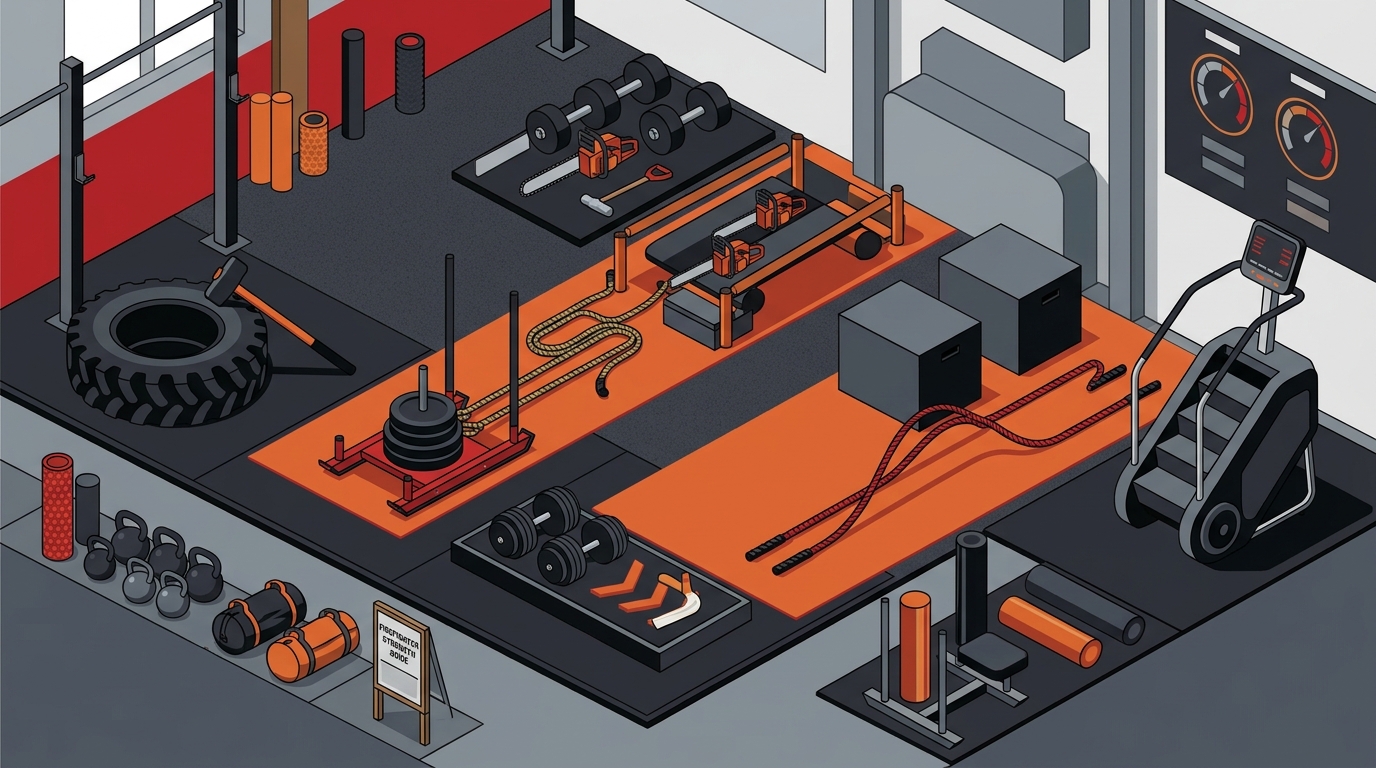
Choosing the right training method can significantly impact your progress as a firefighter. Below is a comparison of common training approaches to help you decide which is best for your goals.
| Training Method | Primary Benefit | Best For | Limitations |
|---|---|---|---|
| Bodybuilding | Maximizes muscle size | Aesthetic goals | Lacks functional transfer to job tasks |
| Powerlifting | Maximizes raw strength | Strength competitions | Limited cardiovascular benefit |
| Functional Fitness | Improves real-world performance | First responders | Requires proper coaching to avoid injury |
| HIIT | Boosts cardiovascular endurance | Endurance building | High fatigue if not managed properly |
Key Takeaways
- Functional movements like deadlifts and overhead presses are more effective than isolation exercises for job-specific strength.
- Kettlebell swings and goblet squats build the power and mobility needed for heavy lifting and climbing.
- Cardiovascular endurance is built through HIIT, rowing, and stair climbing to handle long shifts.
- Core stability exercises like planks and Russian twists prevent lower back injuries.
- Joining a community of first responders, such as those in the Online Coaching Program, provides accountability and specialized guidance.
- Consistency is key; regular training is more important than occasional intense sessions.
- Proper form must always be prioritized to avoid injury, especially when lifting heavy loads.
Frequently Asked Questions
How often should firefighters train to improve strength?
Most experts recommend training three to four times per week to balance strength gains with recovery. This frequency allows for sufficient stimulus without leading to overtraining or burnout.
Is kettlebell training safe for firefighters with back issues?
When performed with proper form, kettlebell training can actually help alleviate back pain by strengthening the posterior chain. However, it is crucial to start with lighter weights and focus on technique, potentially using resources like the Firefighter Kettlebell Foundations program.
What is the best cardio exercise for firefighters?
Rowing and stair climbing are among the best cardio exercises because they engage the entire body and simulate the demands of wearing heavy gear. HIIT is also highly effective for building the specific type of endurance needed for firefighting.
Can I train at home without a gym?
Yes, many functional exercises can be performed at home with minimal equipment. Bodyweight exercises, resistance bands, and kettlebells are all effective tools for building strength and endurance without a full gym setup.
How does functional fitness differ from traditional gym workouts?
Functional fitness focuses on movements that mimic real-world activities, whereas traditional gym workouts often isolate specific muscles. This makes functional fitness more transferable to the demands of firefighting.
What role does nutrition play in firefighter fitness?
Nutrition is critical for recovery and performance. A balanced diet rich in protein, healthy fats, and complex carbohydrates provides the energy needed for intense training and supports muscle repair.
How long does it take to see results from functional training?
Most firefighters begin to notice improvements in strength and endurance within four to six weeks of consistent training. Significant changes in body composition and performance metrics often take three to six months.
Start Your Transformation
Improving your strength and endurance is not just about looking good; it is about protecting yourself and your team on the fireground. By focusing on functional movements, cardiovascular endurance, and core stability, you can build the physical resilience needed to handle the demands of the job.
Take the first step today by applying for the Online Coaching Program. Join a community of first responders who are committed to being fit for duty and fit for life. Your journey to becoming an everyday hero starts now.