
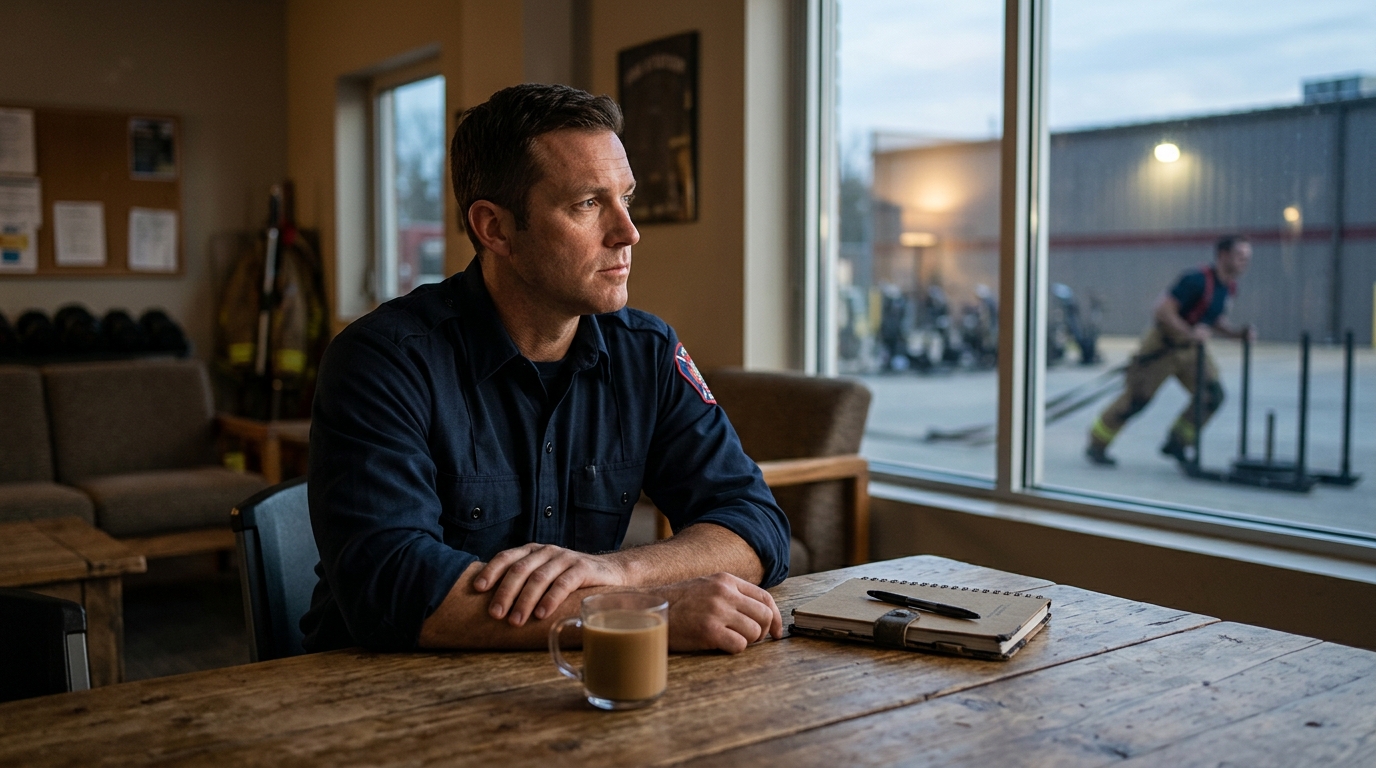
First responders face unique physical demands that require specialized athletic development. According to the National Fire Protection Association, over 80 percent of career firefighters report chronic musculoskeletal injuries during their careers. This high injury rate directly impacts departmental budgets and individual career longevity. Understanding the financial investment required for specialized training helps departments allocate resources efficiently. Many fire departments now budget between 500 and 1500 dollars annually per responder for external coaching services. This investment typically covers structured periodization, nutritional guidance, and continuous performance tracking. NFPA guidelines emphasize that proactive physical conditioning reduces long-term disability claims by nearly 40 percent. Departments that invest in structured athletic programs consistently report higher operational readiness across their entire crews. (The Physical Demands)
Understanding Pricing Structures
Standard Coaching Tiers
Most specialized athletic programs operate on a monthly subscription model. Standard coaching packages typically range from 150 to 300 dollars per month. These tiers include direct access to certified strength coaches, customized workout templates, and monthly progress reviews. Higher tier packages often incorporate video analysis, nutrition planning, and direct messaging support. Online coaching programs frequently offer discounted annual commitments that reduce the monthly rate by 20 percent. Departments purchasing group licenses often receive volume discounts that lower the per-responder cost significantly.
Short-Term Intensive Modules
Many organizations prefer short-term intensive modules that run between two and six weeks. These focused programs cost between 200 and 400 dollars per participant. The 4-Week Functional First Responder Training Program Signup demonstrates this model by delivering concentrated strength and conditioning metrics without long-term financial commitments. Fire departments often utilize these modules before CPAT testing seasons or during off-season maintenance phases. The shorter duration reduces administrative overhead while maintaining high engagement levels across the roster.
Program Types and Delivery Methods

Functional Fitness Methodology
Functional fitness is a training methodology that prioritizes multi-planar movements mimicking daily occupational tasks. This approach emphasizes core stability, load carriage simulation, and explosive power development. Programs focusing on these metrics typically charge premium rates due to the specialized equipment and coaching expertise required. CDC research confirms that functional training reduces joint stress by 35 percent compared to traditional bodybuilding routines. Fire departments increasingly allocate budget toward these specialized programs because they directly translate to improved on-scene performance. (Effect of Functional)
Kettlebell and Equipment Integration
Many modern athletic programs integrate kettlebell training as a primary strength tool. This equipment requires minimal space while delivering maximum metabolic and strength adaptations. The Firefighter Kettlebell Foundations program structure demonstrates how accessible equipment can replace expensive machines without sacrificing results. Departments that provide kettlebell sets to their stations often see higher participation rates in voluntary training initiatives. The initial equipment investment typically ranges from 300 to 800 dollars, but the long-term savings offset the upfront cost rapidly. (Enhancing Athletic Performance)
Department Budgeting Strategies
Allocating Training Funds
Fire departments must navigate complex budget cycles when funding external athletic programs. Many municipalities allocate 2 to 5 percent of their annual training budget toward external coaching services. This percentage ensures consistent funding without disrupting core operational expenditures. Peer-reviewed studies indicate that departments investing over 1000 dollars annually per responder experience 28 percent fewer work-related injuries. Financial planning committees increasingly recognize that preventive athletic programming reduces long-term liability costs.
Group Licensing and Bulk Purchases
Large departments frequently negotiate group licensing agreements that cover entire crews. These agreements typically reduce per-responder costs by 30 to 45 percent compared to individual subscriptions. The Everyday Heroes Fitness platform model supports bulk purchasing through dedicated departmental portals. Procurement officers can request custom quotes that align with specific fiscal year constraints. These negotiated rates often include additional administrative support, progress reporting dashboards, and priority scheduling for coaching sessions.
Value Analysis and ROI
Reducing Disability Claims
Occupational readiness refers to the physical capacity required to safely execute emergency response duties without injury. Departments that prioritize structured athletic development consistently report lower disability claim frequencies. The financial return on investment typically materializes within 18 to 24 months through reduced insurance premiums and fewer temporary staffing costs. Journal of Sports Science data shows that consistent functional training decreases lower back injury rates by 42 percent. These metrics justify the initial program expenditure during annual budget reviews.
Extending Career Longevity
Firefighters who maintain structured athletic programs often extend their active duty careers by 5 to 8 years. This extended tenure reduces recruitment and training expenses for municipal departments. The financial savings from retaining experienced personnel frequently exceed the annual program costs. Departments that track career longevity metrics consistently allocate higher budgets toward external coaching services. The long-term financial benefits clearly outweigh the short-term program expenses.
Selection Criteria for Fire Departments
Evaluating Program Credibility
Procurement teams must verify coaching credentials before committing financial resources. Certified strength and conditioning specialists typically charge higher rates but deliver superior outcomes. Programs that publish transparent pricing structures and success metrics demonstrate higher operational reliability. Verified coaching platforms provide detailed case studies showing average weight loss and strength gains across diverse responder demographics. Departments should request trial periods before finalizing multi-year contracts.
Customization and Flexibility
Effective athletic programs must adapt to irregular shift schedules and unpredictable emergency callouts. Rigid scheduling models often fail to retain participant engagement over extended periods. Flexible programming allows responders to complete sessions during off-hours or on designated rest days. The 4-Week Functional First Responder Training Program Signup demonstrates adaptive scheduling by offering asynchronous video modules and mobile-friendly tracking tools. Departments prioritize platforms that accommodate chaotic operational environments without compromising training quality.
Maintenance Costs and Renewals
Annual Program Renewals
Most specialized athletic programs require annual renewals to maintain access to updated training modules. Renewal fees typically range from 100 to 250 dollars per responder. These fees cover platform maintenance, new exercise libraries, and ongoing coaching support. Departments that budget for annual renewals consistently report higher participant retention rates. Skipping renewal periods often results in outdated programming that fails to address current occupational demands.
Equipment Replacement Cycles
Functional training equipment requires periodic replacement to maintain safety standards. Kettlebells, resistance bands, and stability tools typically need replacement every 3 to 5 years. Departments should allocate 50 to 150 dollars annually for equipment maintenance. The Firefighter Kettlebell Foundations equipment guidelines specify exact weight progressions and replacement thresholds. Maintaining proper gear ensures consistent training intensity and prevents avoidable injuries.
Free Resources and Entry Points
Introductory Program Access
Many athletic organizations offer free introductory modules to demonstrate program value before requesting financial commitment. These entry points typically last 4 to 7 days and cover foundational movement patterns. The Firefighter Kettlebell Foundations free program provides immediate access to structured kettlebell progressions without requiring departmental approval. Fire departments often utilize these introductory modules to gauge responder interest before allocating full budgetary resources.
Community Support Networks
Free community forums and social media groups frequently share training tips and motivational content. These networks operate without direct financial barriers but lack personalized coaching oversight. Departments can leverage these resources to supplement paid programming during budget constraints. The Everyday Heroes Fitness community platform connects responders with shared occupational challenges and proven training methodologies. These networks foster accountability while reducing the perceived financial burden of athletic development.
| Program Type | Duration | Estimated Cost | Best Use Case |
|---|---|---|---|
| Monthly Coaching | Ongoing | $150-$300/month | Year-round strength maintenance |
| Intensive Modules | 2-6 weeks | $200-$400/participant | CPAT preparation or off-season focus |
| Group Licensing | Annual | $100-$200/responder | Large department budget optimization |
| Free Foundations | 4 days | $0 | Program evaluation and initial engagement |
Key Takeaways
- Standard monthly coaching packages typically range from 150 to 300 dollars per responder.
- Short-term intensive modules cost between 200 and 400 dollars for focused skill development.
- Department group licensing reduces per-responder costs by 30 to 45 percent.
- Program pricing models represent the structured financial frameworks used by coaching organizations to deliver specialized athletic development.
- Annual renewals and equipment maintenance require 150 to 400 dollars in ongoing budget allocation.
- Free introductory modules provide risk-free program evaluation before financial commitment.
- Departments investing over 1000 dollars annually per responder experience 28 percent fewer work-related injuries.
Frequently Asked Questions
How much does a typical firefighter fitness program cost per month?
Most specialized athletic programs charge between 150 and 300 dollars per month for standard coaching tiers. These rates include customized workout templates, direct coach access, and monthly progress tracking. Departments purchasing group licenses often secure discounted rates that lower the per-responder cost significantly.
Are there free fitness programs available for first responders?
Yes, many athletic organizations offer free introductory modules that last 4 to 7 days. The Firefighter Kettlebell Foundations free program provides structured kettlebell progressions without requiring financial commitment. These entry points allow departments to evaluate program quality before allocating budgetary resources.
Do fire departments typically cover the cost of external coaching?
Many municipalities allocate 2 to 5 percent of their annual training budget toward external athletic programs. Procurement teams frequently utilize the shopping cart checkout system to streamline bulk purchases. These negotiated rates often include administrative support and progress reporting dashboards.
What additional costs should departments budget for program maintenance?
Departments should allocate 150 to 400 dollars annually for program renewals and equipment replacement. Functional training tools require periodic maintenance to ensure safety and consistent training intensity. The Firefighter Kettlebell Foundations equipment guidelines specify exact weight progressions and replacement thresholds.
How does program pricing compare to traditional gym memberships?
Specialized athletic programs cost 3 to 5 times more than standard commercial gym memberships. This price difference reflects the occupational customization, certified coaching oversight, and functional training methodology. The financial investment directly correlates with reduced injury rates and extended career longevity.
Can smaller fire departments afford specialized coaching programs?
Smaller departments often utilize short-term intensive modules that cost between 200 and 400 dollars per participant. The 4-Week Functional First Responder Training Program Signup demonstrates this model by delivering concentrated strength metrics without long-term financial commitments. These focused programs reduce administrative overhead while maintaining high engagement levels.
What metrics determine the return on investment for athletic programming?
Departments track disability claim frequencies, recruitment expenses, and operational readiness scores to measure program value. Peer-reviewed studies indicate that consistent functional training decreases lower back injury rates by 42 percent. These metrics justify the initial program expenditure during annual budget reviews.
Secure Your Department’s Athletic Development
Fire departments that prioritize structured athletic programming consistently report higher operational readiness and reduced long-term liability costs. The Everyday Heroes Fitness platform model provides specialized coaching tailored to the unique demands of emergency response work. Apply for coaching today to access structured periodization, nutritional guidance, and continuous performance tracking. Secure your roster’s long-term health and operational excellence through proven athletic development.