
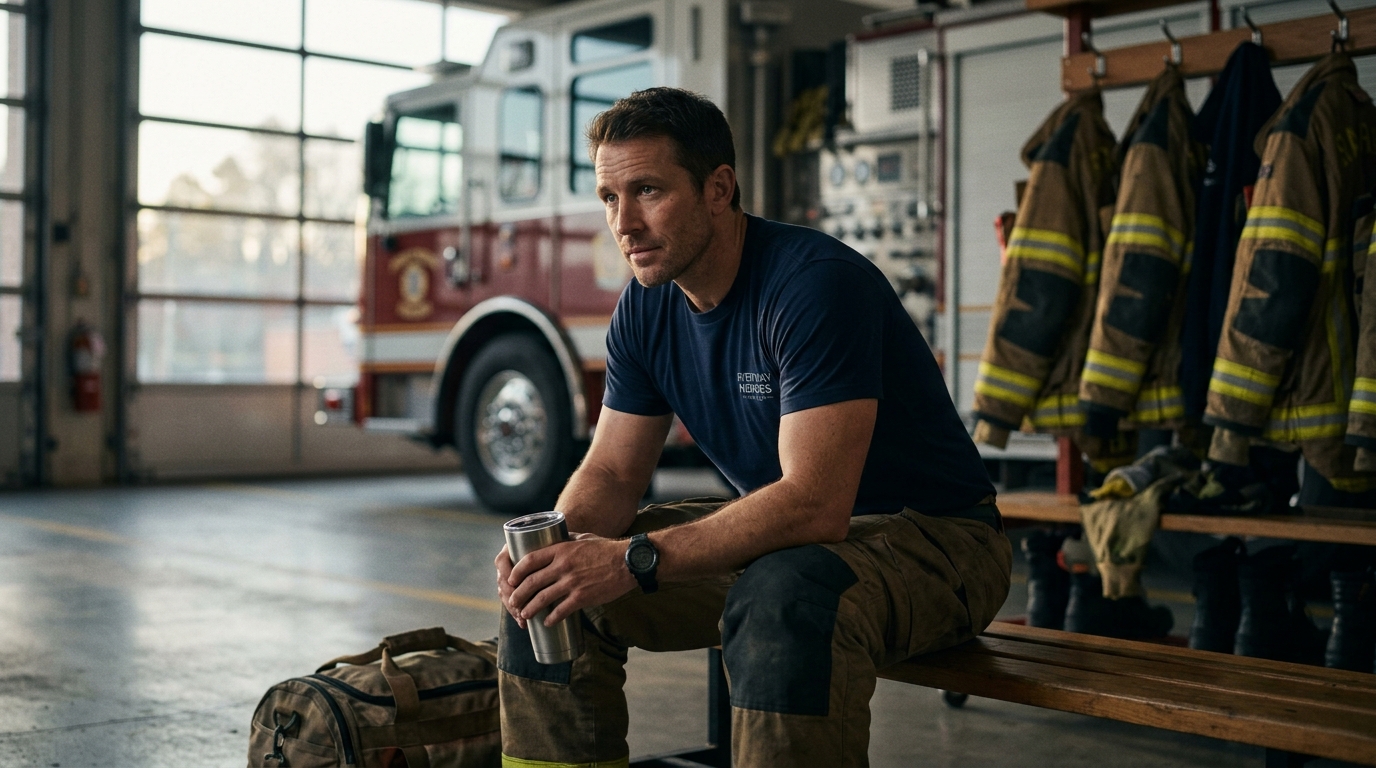
Firefighter Fitness Programs Built for Shift Work and Call Volume
Yes, specialized fitness programs exist that account for firefighter shift work and call volume. Everyday Heroes Fitness designs training around 24-hour shifts, irregular sleep, and high-stress callouts. This guide explains how to structure training for the unique demands of the job, covering programming, nutrition, and recovery strategies.
Firefighter-Specific Programs
General fitness programs often fail firefighters because they ignore the operational reality of the job. A firefighter-specific program is a training system designed around the physical, mental, and logistical demands of emergency response. It prioritizes functional strength, cardiovascular endurance, and injury prevention over aesthetic goals.
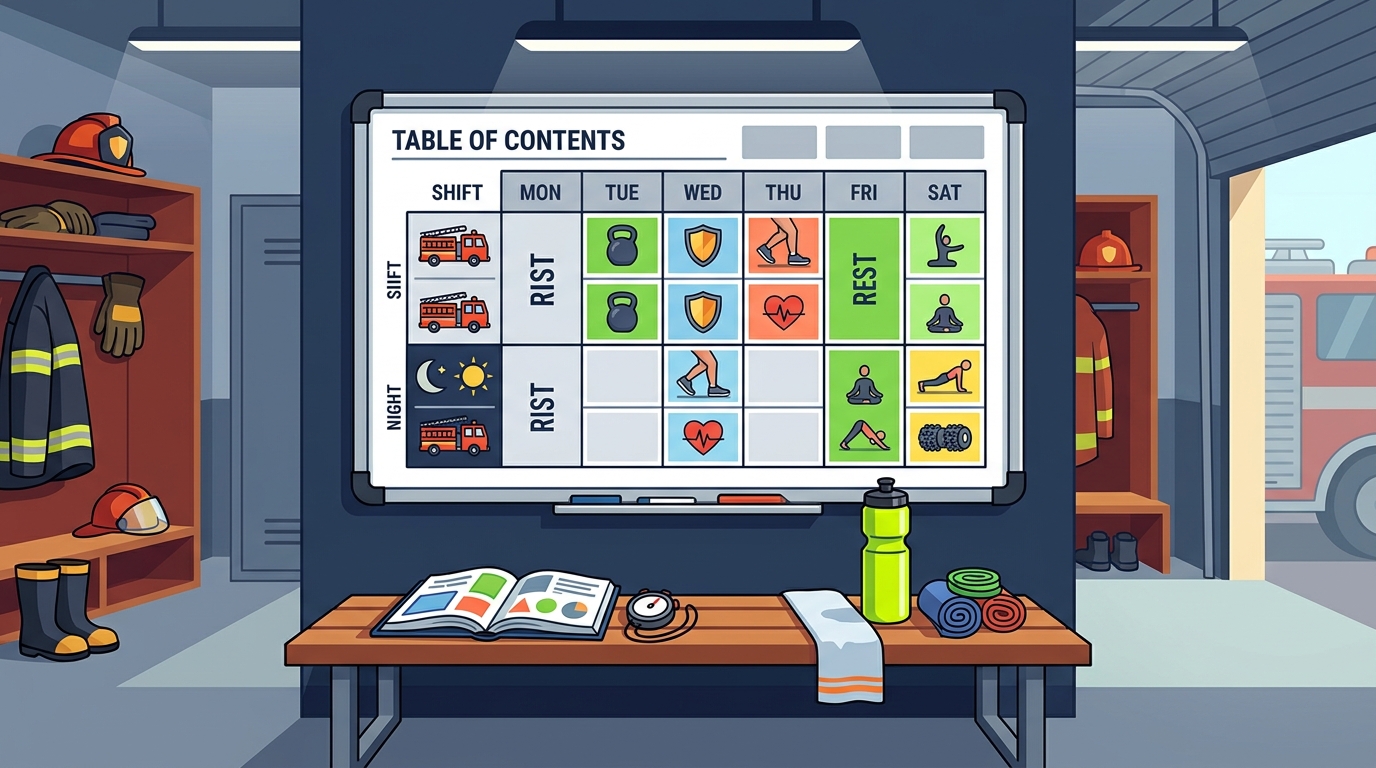
Most generic gym routines assume a stable 9-to-5 schedule. Firefighters work 24-hour shifts, often followed by 48 hours off. This irregularity disrupts circadian rhythms and recovery patterns. A specialized program adjusts volume and intensity to match the shift cycle. It ensures you are ready for a callout at any hour, not just during business hours.
Everyday Heroes Fitness provides customized programming built for this exact scenario. The system includes a 350+ movement video library and macro guidance. It is designed by first responders who understand the job. This approach helps you maintain performance without burning out.
Shift Work Physiology
Shift work is a schedule that involves working during hours typically reserved for sleep, such as nights or rotating 24-hour blocks. It significantly impacts hormonal balance, sleep quality, and metabolic function. Understanding these effects is critical for sustainable training.
Managing Circadian Disruption
Working nights or rotating shifts disrupts your circadian rhythm. This leads to poor sleep quality and increased cortisol levels. High cortisol can hinder muscle recovery and promote fat storage. Training must be timed to align with your peak energy windows.
On 24-hour shifts, you may train in the morning before the shift or in the evening after. The key is consistency. You need a routine that fits your specific shift pattern. Avoid heavy training immediately before a long night shift if it compromises your sleep.
Recovery Strategies for Irregular Schedules
Recovery is not just about sleep; it is about managing stress and nutrition. After a high-stress callout, your body needs specific nutrients to repair tissue. A structured recovery protocol helps you bounce back faster. This includes mobility work and strategic rest days.
Many firefighters struggle with recovery because they try to follow a standard Monday-to-Friday schedule. This is ineffective. You must build recovery into your shift cycle. This ensures you are ready for the next 24-hour block.
Call Volume Conditioning
Call volume conditioning is a training method that simulates the intermittent, high-intensity demands of emergency calls. It prepares your body for bursts of activity followed by periods of relative rest. This is distinct from steady-state cardio.
High-Intensity Interval Training (HIIT)
HIIT is a training style that alternates short bursts of intense effort with low-intensity recovery periods. It mimics the nature of firefighting, where you may sprint up stairs, carry heavy gear, and then wait for the next call. This type of conditioning improves your anaerobic capacity.
Standard endurance training, like long-distance running, does not prepare you for the explosive demands of the job. You need to be able to perform at a high level for short durations, repeatedly. HIIT builds this specific capacity. It also improves your ability to recover quickly between efforts.
Functional Strength for Gear and Tools
General strength training often isolates muscles in ways that do not apply to the job. You need integrated strength. This means training your core, back, and legs to work together under load. This reduces the risk of injury during physical tasks.
Nutrition and Recovery
Macro Guidance for Shift Workers
Macro guidance is the process of calculating and tracking your intake of protein, carbohydrates, and fats. It ensures you are eating the right amounts to support your goals. For firefighters, this often means adjusting macros based on shift type and call volume.
On high-call days, you may need more carbohydrates for energy. On lower-activity days, you may need to adjust to maintain a caloric deficit if losing weight is a goal. A personalized meal plan helps you navigate these fluctuations. It removes the guesswork from your diet.
Hydration and Electrolyte Management
Working in hot environments or wearing heavy gear leads to significant fluid loss. Proper hydration is essential for performance and safety. You need to replace fluids and electrolytes lost through sweat. This prevents cramping, fatigue, and heat-related illness.
CPAT Preparation
The Candidate Physical Ability Test (CPAT) is a standardized test used to assess the physical fitness of firefighter candidates. It consists of eight events that simulate common firefighting tasks. Passing the CPAT is a requirement for many fire departments.
Everyday Heroes Fitness includes CPAT prep in its coaching program. It provides the specific drills and conditioning needed to pass. This is a key component for those entering the profession or re-certifying.
Comparison of Training Approaches
| Approach | Shift Work Adaptation | Call Volume Simulation | Best For |
|---|---|---|---|
| Generic Gym Program | Low | Low | Aesthetics only |
| Standard CrossFit | Medium | Medium | General fitness |
| Firefighter-Specific Program | High | High | Job performance and safety |
Key Takeaways
- Firefighter-specific programs account for 24-hour shifts and irregular sleep patterns.
- Shift work disrupts circadian rhythms, requiring adjusted training and recovery strategies.
- Functional strength training focuses on movements that translate to carrying gear and using tools.
- Macro guidance helps manage nutrition across varying shift types and activity levels.
- CPAT preparation requires specific drills to pass the standardized physical test.
- Recovery is as important as training, especially after high-stress callouts.
- Personalized coaching ensures the program fits your specific shift schedule and goals.
Frequently Asked Questions
Do firefighter fitness programs account for night shifts?
Yes, specialized programs like Everyday Heroes Fitness are designed around 24-hour shifts. They adjust training timing and intensity to fit your specific schedule.
How does call volume affect training?
Can I use a generic fitness program for firefighting?
Generic programs may not address the specific demands of the job. They often ignore shift work and functional strength. A firefighter-specific program is more effective for job performance.
What is the best way to recover from a 24-hour shift?
Recovery involves sleep, nutrition, and mobility work. You should prioritize rest and hydration. A structured recovery plan helps you bounce back faster for the next shift.
Is CPAT prep included in firefighter fitness programs?
Many specialized programs include CPAT prep. It provides the specific drills and conditioning needed to pass the test. This is essential for candidates and re-certifying firefighters.
How does nutrition differ for shift workers?
Shift workers need to adjust their macros based on their schedule. This helps manage energy levels and weight. A personalized nutrition plan removes the guesswork.
Conclusion
Firefighter fitness requires a specialized approach that accounts for shift work and call volume. Generic programs often fail to address these unique demands. A dedicated system ensures you are prepared for the physical and mental challenges of the job.
Everyday Heroes Fitness offers a proven system built for first responders. It provides customized programming, nutrition support, and a private community. If you are ready to improve your performance and safety, apply for coaching today.