
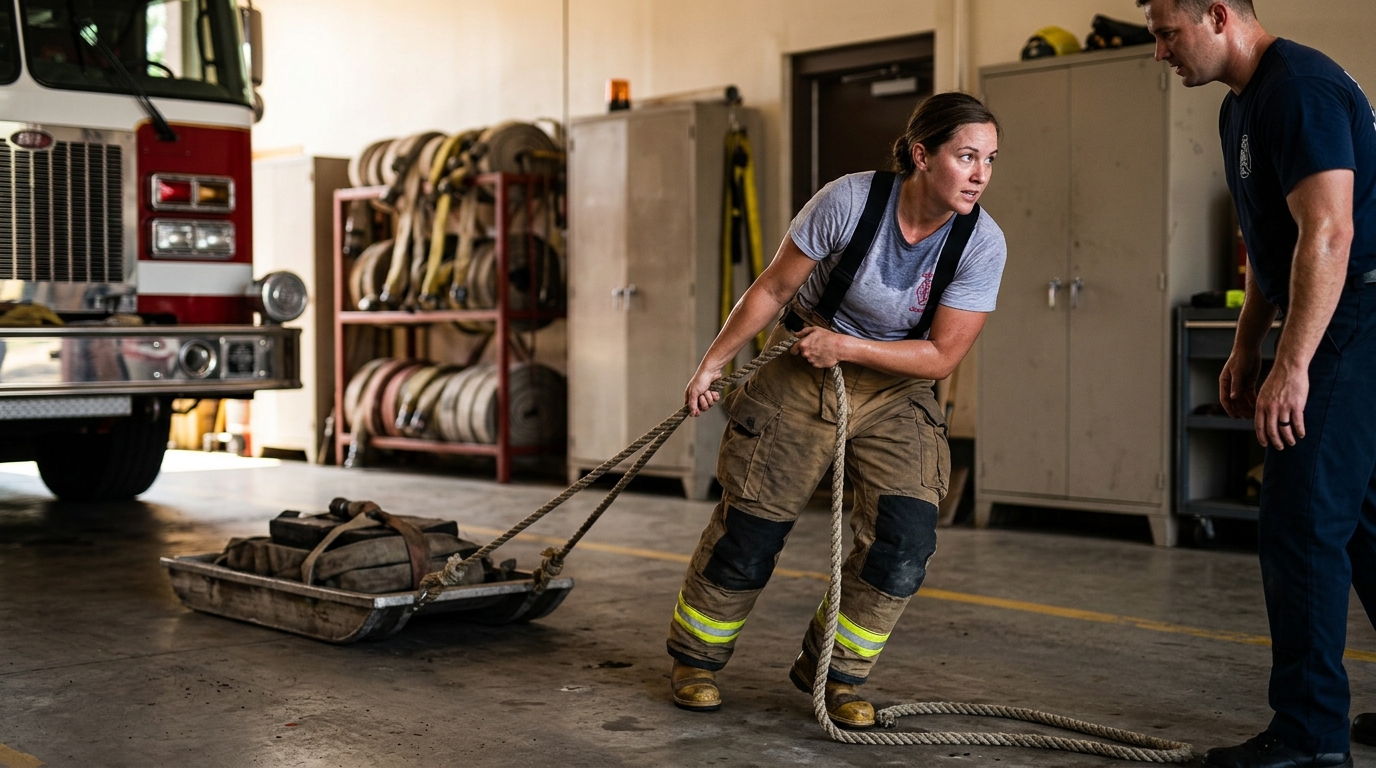
First responders face unique physical demands that generic gym routines simply cannot address. According to recent occupational health data, specialized training protocols reduce injury rates by up to 40% among active-duty personnel. This statistic highlights why a one-size-fits-all approach fails in high-stakes environments. Whether you are battling fires, managing medical emergencies, or patrolling streets, your body must adapt to specific operational stressors. Understanding these differences is critical for longevity in the profession. (Online Coaching for Firefighters)
Firefighter-Specific Demands
Firefighting requires explosive power and extreme cardiovascular endurance. The job involves carrying heavy gear, breaking through doors, and climbing ladders while wearing Self-Contained Breathing Apparatus (SCBA). This creates a high oxygen debt scenario that demands superior aerobic capacity. Functional fitness for firefighters focuses on full-body strength and mobility to prevent lower back injuries.
Training must simulate the irregular nature of shift work. Programs designed for this group often include CPAT (Candidate Physical Ability Test) prep modules. These modules ensure candidates can pass rigorous screening processes. The focus is on building a foundation that supports heavy lifting and sustained effort. Without this specific conditioning, firefighters risk premature fatigue during critical incidents.
Paramedic Physicality
Paramedics deal with different physical challenges. Their work involves frequent lifting, bending, and patient handling. Unlike firefighters, they may not need the same level of explosive power but require significant core stability and grip strength. Patient lifting mechanics are central to preventing chronic spinal issues in this demographic.
Training for paramedics often emphasizes mobility and injury prevention. They need to maintain flexibility to work in confined ambulance spaces. Cardiovascular health remains important but is secondary to musculoskeletal resilience. Programs for this group focus on sustainable strength that supports long-term career health. This approach helps them avoid the common burnout associated with repetitive strain injuries.
Police Tactical Needs
Law enforcement officers require a blend of strength, agility, and mental toughness. Their physical demands include sprinting, tackling, and prolonged periods of standing or sitting. Tactical fitness for police officers often includes scenario-based training that mimics real-world confrontations. This type of training builds the confidence needed for high-stress situations.
Agility and quickness are paramount. Officers must be able to change direction rapidly while maintaining balance. Training programs often incorporate plyometrics and reaction drills. These elements ensure that officers can respond effectively to dynamic threats. Mental resilience is also a key component, as the job requires constant alertness and decision-making under pressure.
Program Comparison
Choosing the right program depends on your specific role and physical goals. Below is a comparison of the primary focuses for each first responder category.
| Role | Primary Focus | Key Training Elements | Typical Outcome |
|---|---|---|---|
| Firefighter | Explosive Power & Endurance | CPAT Prep, Heavy Lifting, SCBA Simulation | Improved Job Performance & Injury Prevention |
| Paramedic | Core Stability & Mobility | Patient Lifting Mechanics, Flexibility Work | Reduced Spinal Strain & Longevity |
| Police Officer | Agility & Tactical Strength | Plyometrics, Scenario Drills, Reaction Training | Enhanced Response Time & Situational Awareness |
Each program requires a tailored approach to address the specific physiological demands of the job. Generic fitness plans often fail to account for these nuances. Specialized coaching ensures that training aligns with operational requirements. This alignment leads to better performance and reduced risk of injury.
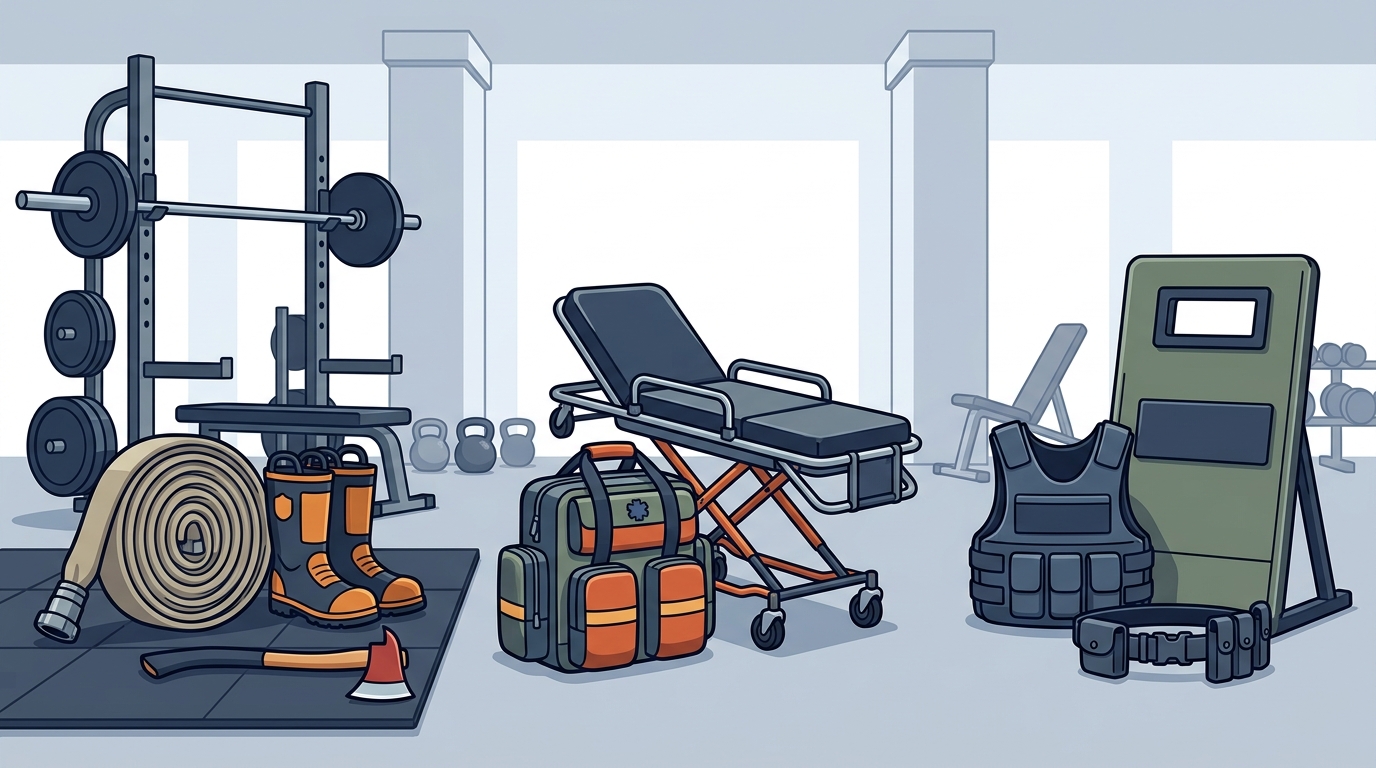
Key Takeaways
- Firefighters need explosive power for heavy gear and CPAT success.
- Paramedics require core stability to prevent lifting-related injuries.
- Police officers benefit from agility and tactical scenario training.
- Specialized programs reduce injury rates by up to 40%.
- Shift work compatibility is crucial for program adherence.
- CPAT prep is essential for firefighter candidates.
- Everyday Heroes Fitness offers tailored coaching for all roles.
Frequently Asked Questions
What is the best fitness program for firefighters?
The best program for firefighters focuses on CPAT prep, explosive power, and cardiovascular endurance. It must simulate the physical demands of the job, including heavy lifting and SCBA use.
How does paramedic training differ from police training?
Paramedic training emphasizes core stability and mobility to prevent lifting injuries. Police training focuses on agility, tactical strength, and scenario-based drills for rapid response.
Can I do a generic fitness program as a first responder?
While possible, generic programs often fail to address job-specific demands. Specialized training reduces injury risk and improves on-scene performance significantly.
What is CPAT prep?
CPAT prep is a specialized training regimen designed to help candidates pass the Candidate Physical Ability Test. It includes drills for stair climbing, hose drag, and equipment carry.
How does shift work affect fitness training?
Shift work disrupts sleep and recovery patterns. Training programs must be flexible enough to accommodate irregular schedules while maintaining consistency.
Why is functional fitness important for first responders?
Functional fitness prepares the body for real-world movements. It enhances strength, mobility, and endurance in ways that mimic job tasks, reducing injury risk.
What are the benefits of online coaching for first responders?
Online coaching provides personalized programming, expert guidance, and community support. It allows for flexibility and accountability, which are crucial for busy professionals.
Start Your Journey
Stop guessing with your fitness and start training with purpose. Join the community of first responders who have transformed their health and performance. Apply for coaching today and get customized programming built around your shift schedule. Visit our resources page for free training guides to get started.