
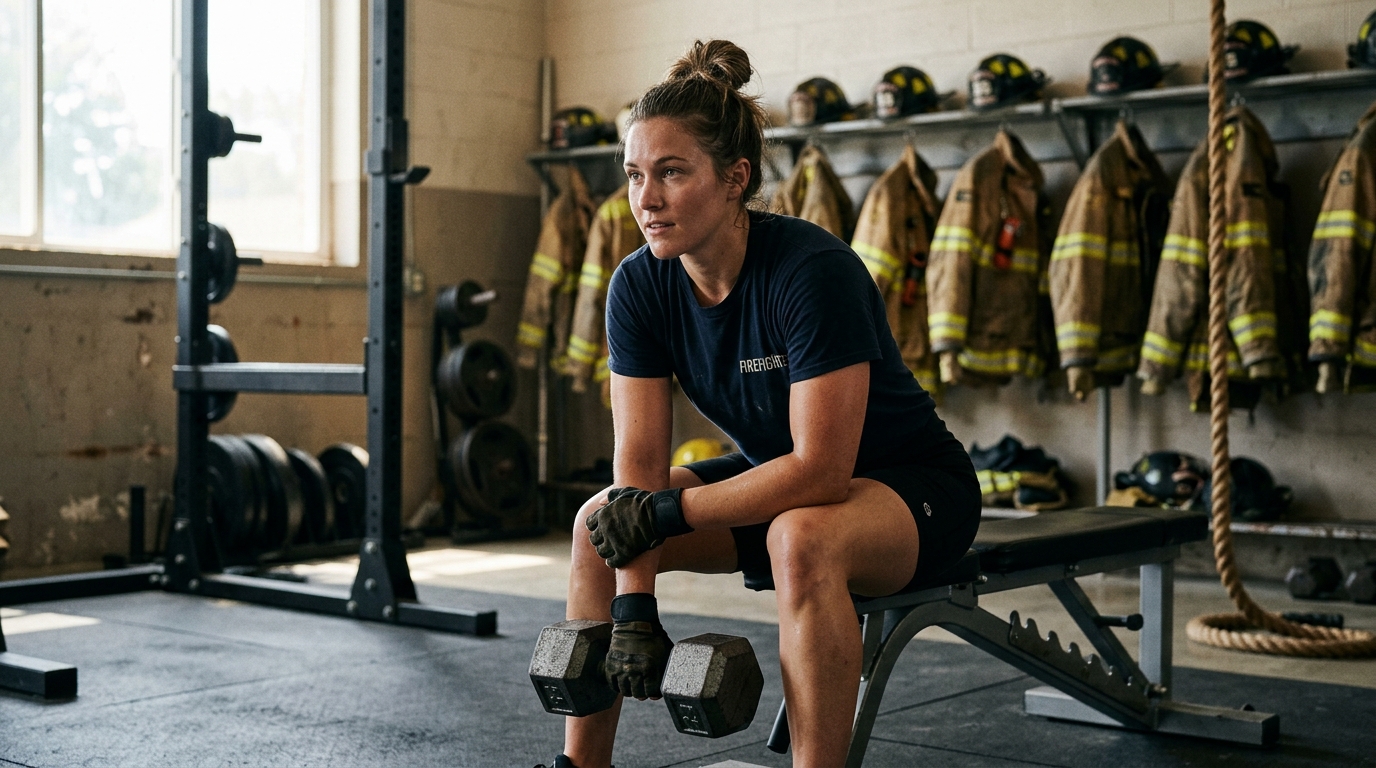
Firefighter Strength Comeback: A Complete Fitness Program to Regain Power and Confidence
Whether you're returning from injury, bouncing back after a slow season, or simply feeling like you've lost a step, this guide lays out a research-backed fitness program designed specifically for firefighters who want to rebuild strength and reignite confidence on the fireground.
Why Firefighters Need Specialized Training—Not Generic Gym Programs
Firefighting is not a sport played on a predictable schedule. It demands explosive effort at unpredictable moments, often under extreme environmental stress. Research published in the Journal of Occupational Medicine and Toxicology describes firefighting as a dangerous occupation with high rates of injuries and fatalities, with the majority of line-of-duty fatalities due to cardiovascular events. Firefighters also struggle with high rates—exceeding 80%—of overweight and obesity. This makes targeted fitness programming not optional, but essential for survival.
The physical demands span multiple fitness domains. Firefighters must routinely carry loads of 50 to 100 pounds, climb stairs and ladders, swing heavy mallets and axes, and drag heavy objects—all while wearing protective gear weighing at least 23 kilograms. A generic bodybuilding split or casual jogging routine simply cannot prepare you for these realities.
The concept of the "tactical athlete" has gained traction in strength and conditioning literature precisely because firefighters require both general physical preparedness—muscular strength, endurance, power, and cardiovascular endurance—and technical tactical skills, much like traditional sport athletes. However, unlike athletes with defined seasons, firefighters must maintain year-round readiness.
The Five Pillars of Firefighter Comeback Fitness
An effective comeback program for firefighters rests on five interconnected pillars. Neglecting any one of them creates a weak link that the fireground will expose.
1. Cardiovascular Endurance and Recovery
Research consistently shows that cardiovascular endurance and muscular endurance are the strongest predictors for completing fireground tasks quickly. Your aerobic base determines how long you can work under load and how fast you recover between bursts of intense effort. Target a minimum VO2 max of 42 mL/kg/min—the threshold researchers have identified as the minimum recommendation for firefighter performance.
2. Functional Muscular Strength
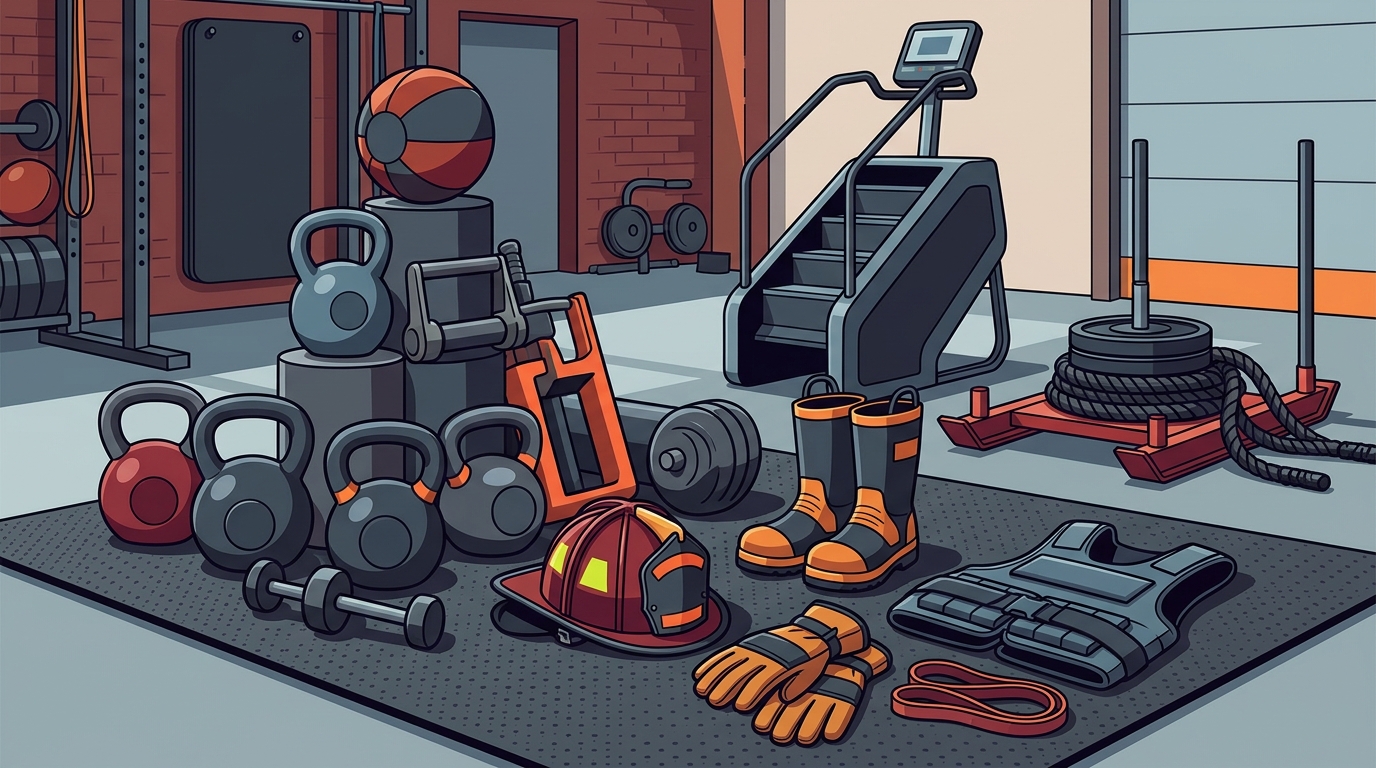
Strength training produces new muscle tissue that generates the force needed to do the job better and safer. Focus on compound, multi-joint movements that mirror fireground demands: pulling, pressing, carrying, and lifting from the floor. The deadlift, for instance, tests lower body strength, trunk stability, and safe lifting mechanics—all movements firefighters perform routinely when lifting civilians, gear, and equipment.
3. Core and Trunk Stability
Building trunk stability, muscular strength, and endurance is essential for maintaining proper form during physically demanding tasks. Core work should prioritize movement patterns—extension, flexion, rotation, and anti-rotation—rather than isolated crunches. Exercises performed from standing or kneeling positions integrate the full "combat chassis" from thighs to shoulders.
4. Mobility and Flexibility
Musculoskeletal injuries from overexertion are consistently among the leading causes of injury in the fire service, and these injuries are often accompanied by poor mobility or flexibility. By targeting flexibility early in a comeback program, you can prevent re-injury and extend your career. The Functional Movement Screen is one validated tool that can assess movement quality and guide corrective exercise.
5. Mental Resilience and Confidence
Confidence is not separate from fitness—it is a direct product of it. Mindfulness and deep breathing techniques help manage stress and improve focus, while peer support networks within the firehouse create emotional resilience. Physical training that progressively challenges you rebuilds trust in your own body.
The 12-Week Firefighter Comeback Program
This program is divided into three distinct four-week phases. Each phase builds on the previous one, progressively increasing intensity and specificity. Research supports this periodized approach: consistent, moderate training doses improve strength, reduce injury risk, and support cardiovascular health far better than occasional high-intensity sessions.
Phase 1: Foundation Reset (Weeks 1–4)
The goal here is re-establishing movement quality, baseline aerobic capacity, and muscular endurance. Do not rush this phase—it prevents the injuries that derail comebacks.
- Frequency: 4 days per week
- Strength: 2 days of full-body circuit training using bodyweight, kettlebells, and resistance bands. Focus on goblet squats, push-ups, TRX rows, hip hinges, and farmer's carries. Keep loads moderate (RPE 5–6).
- Conditioning: 2 days of low-intensity steady-state cardio (30–40 minutes). Rowing machine, cycling, or incline treadmill walking with a weighted vest (start at 10 lbs).
- Mobility: Daily 10-minute dynamic warm-up and 10-minute cool-down stretching. Include hip openers, thoracic spine rotations, and ankle mobility drills.
Phase 2: Strength and Work Capacity (Weeks 5–8)
Now you transition to heavier loads and introduce high-intensity interval training (HIIT). Circuit training with minimal rest between exercises stresses both aerobic and anaerobic systems simultaneously and can be performed with minimal equipment—ideal for the firehouse gym.
- Frequency: 5 days per week
- Strength: 3 days using a push/pull/legs split. Key lifts include barbell deadlifts, bench press, weighted pull-ups, overhead press, and barbell back squats. Work in the 3–5 rep range at 75–85% of estimated 1RM.
- Conditioning: 2 days of HIIT circuits: sled pushes, battle rope intervals, stair climbs with a weighted vest (20 lbs), and rowing sprints. Work-to-rest ratio of 1:2, progressing to 1:1 by week 8.
- Task-Specific Drills: Begin integrating hose drags, sledgehammer strikes on a tire, and dummy drags once per week.
Phase 3: Fireground Performance (Weeks 9–12)
This phase simulates the unpredictable, high-demand nature of actual fireground operations. High-intensity functional training (HIFT) sessions incorporate movements and equipment commonly used during firefighting tasks, including hoses and sledgehammers, and target aerobic capacity, muscular strength and endurance, power, flexibility, and agility.
- Frequency: 5–6 days per week
- Strength: 2 heavy days focusing on maximal strength (deadlift, squat, weighted carry progressions). 1 power day featuring box jumps, medicine ball slams, and kettlebell swings.
- Conditioning: 2–3 days of fireground simulation circuits. Examples: don full turnout gear and SCBA, climb 4 flights of stairs, advance a charged hoseline 100 feet, force a door with a halligan, perform a victim drag—all continuously with minimal rest.
- Testing: End of week 12, test yourself against a simulated fire ground test or the Candidate Physical Ability Test (CPAT) to measure progress.
Sample Weekly Training Schedule (Phase 2 Example)
| Day | Focus | Duration |
|---|---|---|
| Monday | Push Strength (Bench Press, OHP, Dips, Core) | 50 min |
| Tuesday | HIIT Conditioning (Sled Work, Ropes, Stair Climbs) | 35 min |
| Wednesday | Pull Strength (Deadlift, Pull-ups, Rows, Core) | 50 min |
| Thursday | Active Recovery (Mobility Flow, Light Cycling) | 30 min |
| Friday | Legs & Task-Specific (Squats, Step-ups, Hose Drags) | 55 min |
| Saturday | Conditioning Circuit or Group Workout | 40 min |
| Sunday | Full Rest | — |
Exercises That Transfer Directly to the Fireground
Not all exercises are created equal for firefighter performance. The following movements have direct carryover to the tasks you'll perform on duty:
- Deadlifts: Develop lower back and leg strength for lifting heavy equipment and victims. Mimics the lifting-from-floor movement pattern that firefighters perform constantly.
- Sled Pushes and Pulls: Mimic the physical demands of hose drags and victim rescues. Build leg drive and grip endurance simultaneously.
- Farmer's Carries: Improve grip strength and endurance for carrying tools across distance. Also develop trunk stability under load—a great exercise for upper and lower body strength.
- Weighted Step-Ups: Enhance stair-climbing endurance in full gear. Use a 20-inch box and progressively add vest weight.
- Battle Ropes: Develop grip strength and upper body endurance needed for sustained forcible entry and hose operations.
- Tire Flips: Engage full-body power and explosive strength. Firefighters in pilot studies preferred tire flips because they felt more incorporative of actual fireground work.
- Planks and Woodchoppers: Strengthen the core for lifting and carrying under asymmetric loads.
- Rowing Machine Intervals: Improve cardiovascular endurance while building pulling strength—a dual benefit that transfers to ladder operations.
Rebuilding Mental Confidence Alongside Physical Strength
Losing physical capacity often takes a psychological toll that is harder to measure but just as real. Firefighters returning from injury, illness, or extended time away frequently report anxiety about keeping up with their crew. Here is how to address this head-on:
- Set Process Goals, Not Just Outcome Goals: Instead of fixating on your old deadlift max, commit to training four times per week for the next four weeks. Process goals build momentum and self-efficacy.
- Use Progressive Overload as a Confidence Engine: Every small weight increase, extra rep, or faster circuit time is tangible proof that you are getting stronger. Log everything.
- Train With Your Crew: Studies show firefighters who exercise with peers report higher motivation and satisfaction. The firehouse gym is your laboratory—use it.
- Integrate Stress Management: Long shifts, high-stress environments, and exposure to traumatic incidents take a toll on mental well-being. Incorporate breathwork before training sessions and consider professional support if you are managing PTSD, anxiety, or burnout.
- Simulate the Job: Nothing rebuilds fireground confidence faster than successfully completing fireground simulation drills in gear. When your body performs under simulated stress, your brain learns to trust it again.
Nutrition and Recovery Essentials for the Comeback
Training hard without proper nutrition and recovery is like running calls without water on the rig—you will run out fast.
Nutrition Priorities
- Protein: Aim for 1.6–2.2 grams per kilogram of body weight daily to support muscle repair and growth. Distribute intake across 4–5 meals.
- Carbohydrates: Your primary fuel for high-intensity work. Prioritize complex carbs (oats, rice, sweet potatoes) before and after training.
- Hydration: Dehydration impairs both physical performance and cognitive function. Drink at minimum half your body weight (in pounds) in ounces of water daily, and more on training or shift days.
- Anti-Inflammatory Foods: Berries, fatty fish, leafy greens, and turmeric support recovery and help manage the chronic inflammation associated with shift work.
Recovery Protocols
- Sleep: Quality sleep plays a crucial role in recovery and performance. Aim for 7–9 hours. Use blackout curtains and limit screen time before bed—especially critical for shift workers.
- Active Recovery: Light movement on rest days (walking, easy cycling, foam rolling) promotes blood flow without adding training stress.
- Periodized Deload Weeks: Every fourth week, reduce training volume by 40–50% to allow accumulated fatigue to dissipate. This is where adaptation actually occurs.
Key Takeaways
- Firefighter fitness requires a multi-domain approach: cardiovascular endurance, muscular strength, core stability, mobility, and mental resilience all matter equally.
- A periodized 12-week program—progressing from foundational movement to heavy strength to fireground simulation—is the most effective structure for regaining lost capacity.
- Circuit-based training using minimal equipment is ideal for firehouse gyms and simultaneously develops aerobic and anaerobic fitness.
- Task-specific exercises like sled drags, farmer's carries, and stair climbs with weighted vests have direct carryover to fireground performance.
- Confidence returns through progressive overload, crew training, and successful completion of simulated fireground drills.
- Nutrition, sleep, and active recovery are non-negotiable components of any comeback program.
Frequently Asked Questions
How many days per week should a firefighter train?
Firefighters should train four to five times per week, incorporating a mix of strength, conditioning, and flexibility work. During a comeback phase, start with four days and build to five or six as your work capacity improves. Two of those sessions should emphasize strength, two should focus on conditioning, and at least one should include dedicated mobility work.
What are the most important fitness components for firefighters?
Research identifies five key components: aerobic capacity, muscular strength and endurance, power, flexibility, and agility. Cardiovascular endurance and muscular endurance have been found to be the strongest predictors of fireground task performance. A well-rounded program addresses all five components rather than focusing on just one.
Can I do this program in a firehouse gym with limited equipment?
Yes. Circuit training involves minimal rest between exercises and can be incorporated in a group setting with minimal equipment such as bodyweight exercises, kettlebells, sandbags, and firefighting equipment. Many of the most effective firefighter exercises—push-ups, step-ups, farmer's carries, and hose drags—require very little specialized gear.
How long does it take to see results from a firefighter fitness program?
Research shows that even a 10-week fitness program can increase a firefighter's ability to carry out job duties. Most firefighters following a structured program report noticeable improvements in strength, conditioning, and confidence within 12 weeks of consistent training. The key is adherence—following the program at least four to five days per week.
Is CrossFit a good workout for firefighters?
CrossFit builds general fitness, which has value, but it is not specifically designed around fireground demands. Firefighter-specific programs train the exact movements, energy systems, and work capacity used on the job. For a comeback program, a periodized approach that progressively builds toward task-specific simulation is more effective than randomized high-intensity workouts.
What role does mental health play in a firefighter fitness comeback?
Mental health is integral. Long shifts, high-stress environments, and exposure to traumatic incidents can significantly affect well-being. Regular exercise reduces stress, improves mental health, and boosts mood. Incorporating breathwork, peer support, and professional counseling into your comeback plan ensures you are rebuilding both physical and psychological readiness.