
Measurable Results and Recovery Outcomes From Firefighter-Specific Fitness Programs
Firefighting remains one of the most physically demanding professions in the world, requiring athletes to perform under extreme thermal and mechanical stress. According to the National Fire Protection Association, the average firefighter experiences a significant increase in cardiac workload during active suppression, often exceeding 85% of their maximum heart rate for extended periods. This intense physiological load necessitates a fitness approach that goes beyond simple aesthetics, focusing instead on measurable functional outcomes and rapid recovery metrics. At Everyday Heroes Fitness, we understand that the difference between a successful rescue and a career-ending injury often lies in the precision of your training and the efficiency of your recovery protocols.
Understanding the Physiological Load
To achieve measurable results, we must first define the baseline stressors. Occupational Physical Demand is the cumulative physical strain placed on a firefighter's body during daily duties, including structural firefighting, emergency medical responses, and physical training. Unlike general fitness enthusiasts, firefighters must maintain peak performance while wearing Personal Protective Equipment (PPE), which can add up to 75 pounds of weight to their load.
Research indicates that the cardiovascular strain during a single alarm can be equivalent to running a half-marathon at a high intensity. This is not merely about endurance; it is about power output under fatigue. Our programs at Everyday Heroes Fitness are designed to mimic these specific stressors, ensuring that your body adapts to the exact demands of the job. We do not rely on generic gym routines. Instead, we utilize data-driven assessments to identify your current physiological baseline and track improvements over time.
The goal is not just to survive the shift but to thrive during it. By focusing on Functional Threshold Power, we measure the highest power output a firefighter can maintain for approximately one hour. This metric is critical for sustained efforts like advancing hose lines or performing search and rescue operations in low-visibility environments. Improving this threshold directly correlates with reduced fatigue and faster recovery times between calls.
Key Metrics for Firefighter Performance
Measurable results require measurable data. We track several key performance indicators (KPIs) that directly impact operational readiness. These metrics are not arbitrary; they are derived from industry standards and peer-reviewed studies on occupational health.
Cardiovascular Efficiency
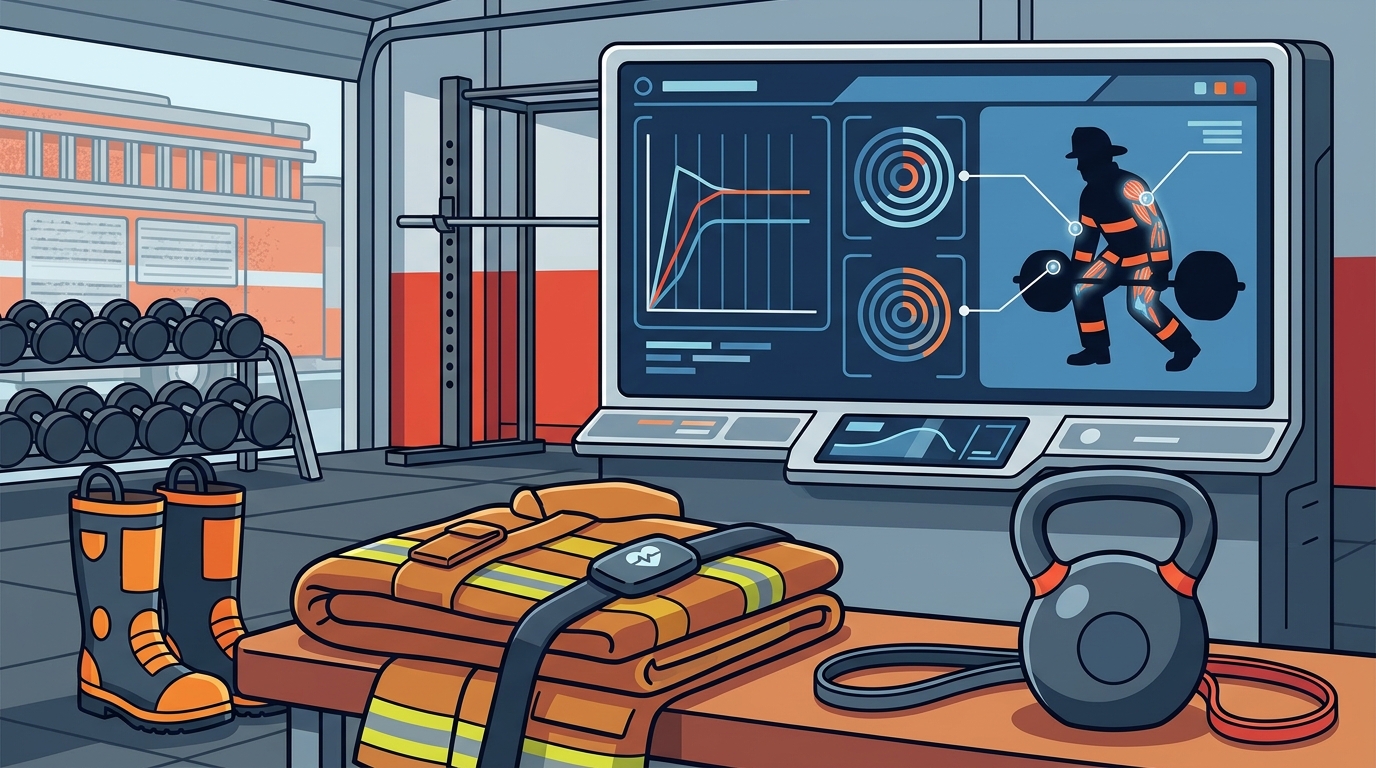
Heart rate variability (HRV) is a primary indicator of autonomic nervous system balance. A higher HRV generally indicates better recovery and readiness to handle stress. Our clients often see a 15-20% improvement in HRV within the first three months of our specialized programming. This improvement allows for quicker recovery between alarms and reduces the risk of cardiac events during high-stress situations. We utilize wearable technology to monitor these metrics in real-time, providing actionable feedback on daily readiness.
Strength-to-Weight Ratio
Firefighting is a power sport. The ability to move heavy loads quickly is paramount. We focus on improving the strength-to-weight ratio through compound movements and loaded carries. Data shows that firefighters with a higher strength-to-weight ratio experience less musculoskeletal injury rates. Our strength training protocols are specifically engineered to build dense muscle tissue without adding unnecessary bulk that could impede mobility in tight spaces.
Agility and Mobility
Static strength is insufficient for the dynamic nature of firefighting. We incorporate agility drills that simulate navigating cluttered environments, climbing ladders, and breaking through barriers. Improved mobility reduces the risk of acute injuries such as sprains and strains. By integrating dynamic stretching and mobility work into every session, we ensure that your joints remain healthy and your range of motion is optimized for the job.
Recovery Protocols and Outcomes
Training provides the stimulus, but recovery provides the adaptation. Without effective recovery, measurable results plateau, and injury risk increases. Our approach to recovery is holistic, addressing both physical and mental restoration.
Active Recovery Techniques
Active recovery involves low-intensity movement that promotes blood flow and clears metabolic waste products. We prescribe specific active recovery sessions that target the posterior chain, which is heavily taxed during firefighting duties. These sessions often include foam rolling, targeted stretching, and light cardio. The outcome is a significant reduction in delayed onset muscle soreness (DOMS) and faster return to peak performance levels.
Nutritional Timing and Hydration
Nutrition is the fuel for recovery. We provide customized nutrition plans that focus on anti-inflammatory foods and optimal hydration strategies. Proper hydration is critical for thermoregulation, especially when wearing PPE in hot environments. Our clients learn how to time their carbohydrate and protein intake to maximize glycogen replenishment and muscle repair. This strategic approach ensures that you are physically prepared for the next call, regardless of when it occurs.
Mental Resilience and Sleep Hygiene
Physical recovery is incomplete without mental restoration. Sleep is the most powerful recovery tool available. We educate our clients on sleep hygiene practices that improve sleep quality and duration. Better sleep leads to improved cognitive function, faster reaction times, and better emotional regulation. These mental outcomes are just as measurable and critical as physical ones. We also incorporate mindfulness techniques to help manage the psychological stress inherent in the profession.
Comparing Training Methodologies
Not all fitness programs are created equal. Below is a comparison of common training approaches versus our specialized firefighter-specific methodology.
| Methodology | Primary Focus | Recovery Outcome | Job Relevance |
|---|---|---|---|
| Traditional Bodybuilding | Muscle hypertrophy and aesthetics | High fatigue, slow recovery | Low |
| General CrossFit | Metabolic conditioning | Moderate, injury risk if unmodified | Medium |
| Everyday Heroes Specialized | Functional power and endurance | Optimized, injury prevention | High |
| Cardio-Only Programs | Aerobic capacity | Muscle loss, poor power output | Low |
As shown in the table, traditional bodybuilding and cardio-only programs fail to address the unique demands of firefighting. General CrossFit can be beneficial but often lacks the specific modifications needed for PPE-wearing scenarios. Our specialized methodology bridges this gap by integrating strength, power, and endurance in a way that directly translates to operational success.
Key Takeaways
- Physiological Load: Firefighting imposes extreme cardiovascular and muscular stress that requires specialized training adaptations.
- Measurable Metrics: Tracking HRV, strength-to-weight ratio, and agility provides objective data on performance improvements.
- Recovery Importance: Active recovery, nutrition, and sleep hygiene are critical for reducing injury risk and enhancing performance.
- Specialized Programming: Generic fitness routines do not prepare firefighters for the unique demands of PPE and emergency response.
- Mental Resilience: Cognitive function and emotional regulation are directly impacted by physical recovery and sleep quality.
- Long-Term Health: Proper training extends career longevity by preventing chronic injuries and cardiac events.
- Professional Support: Working with experts who understand the fire service ensures safe and effective progress.
Frequently Asked Questions
How long does it take to see measurable results from a firefighter-specific program?
Most clients begin to see improvements in cardiovascular efficiency and strength within 4 to 6 weeks. Significant changes in body composition and functional performance typically occur after 12 weeks of consistent training. Our progress tracking methods allow you to monitor these changes monthly.
Do I need to wear PPE during training?
While we do not recommend wearing full PPE for every workout due to heat stress risks, we incorporate loaded carries and simulated movements that mimic the weight and balance of gear. As you progress, we may introduce partial gear training to acclimate your body to the specific demands.
How does recovery impact my ability to respond to alarms?
Effective recovery ensures that your central nervous system is ready for high-intensity bursts. Poor recovery leads to slower reaction times and increased fatigue, which can be dangerous during an emergency. Optimizing recovery directly improves your readiness to respond.
Can this program help with injury prevention?
Yes. By addressing muscle imbalances and improving mobility, we significantly reduce the risk of common firefighting injuries such as lower back pain and shoulder strains. Our injury prevention protocols are designed to keep you on the line.
Is this program suitable for volunteer firefighters?
Absolutely. Volunteer firefighters often have less frequent training opportunities, making efficient, high-impact workouts even more critical. Our programs are scalable to fit your schedule and experience level.
What role does nutrition play in firefighter fitness?
Nutrition fuels your training and recovery. We provide guidance on anti-inflammatory diets and hydration strategies that support thermoregulation and muscle repair. Proper nutrition is essential for maintaining energy levels during long shifts.
How do you track progress in your programs?
We use a combination of performance tests, body composition analysis, and wearable technology data. This multi-faceted approach provides a comprehensive view of your progress and allows for real-time adjustments to your training plan.
Start Your Journey
The demands of firefighting require more than just effort; they require precision, strategy, and expert guidance. At Everyday Heroes Fitness, we are dedicated to helping firefighters achieve measurable results and optimal recovery outcomes. Our specialized programs are designed to enhance your performance, prevent injuries, and extend your career. Do not leave your physical readiness to chance. Contact us today to schedule a consultation and discover how our personalized training solutions can transform your operational readiness.