
Essential Standards for Evaluating Firefighter Fitness Program Quality
Firefighting remains one of the most physically demanding professions in the world. According to the National Fire Protection Association, the average firefighter loses approximately 10 to 15 pounds of muscle mass and gains significant body fat during their career due to the sedentary nature of station life and the heavy gear worn on duty. This physiological shift creates an urgent need for specialized training protocols that address these specific occupational hazards. Evaluating the quality of a fitness program is not merely about counting reps; it is about assessing functional relevance, safety, and professional alignment.
Assessing Functional Relevance and Job-Specific Demands
The primary standard for any firefighter fitness program is its direct applicability to the fireground. General fitness models often fail because they prioritize aesthetics over utility. A high-quality program must mimic the biomechanical stresses of the job. This includes rotational strength, unilateral stability, and sustained aerobic capacity under load.
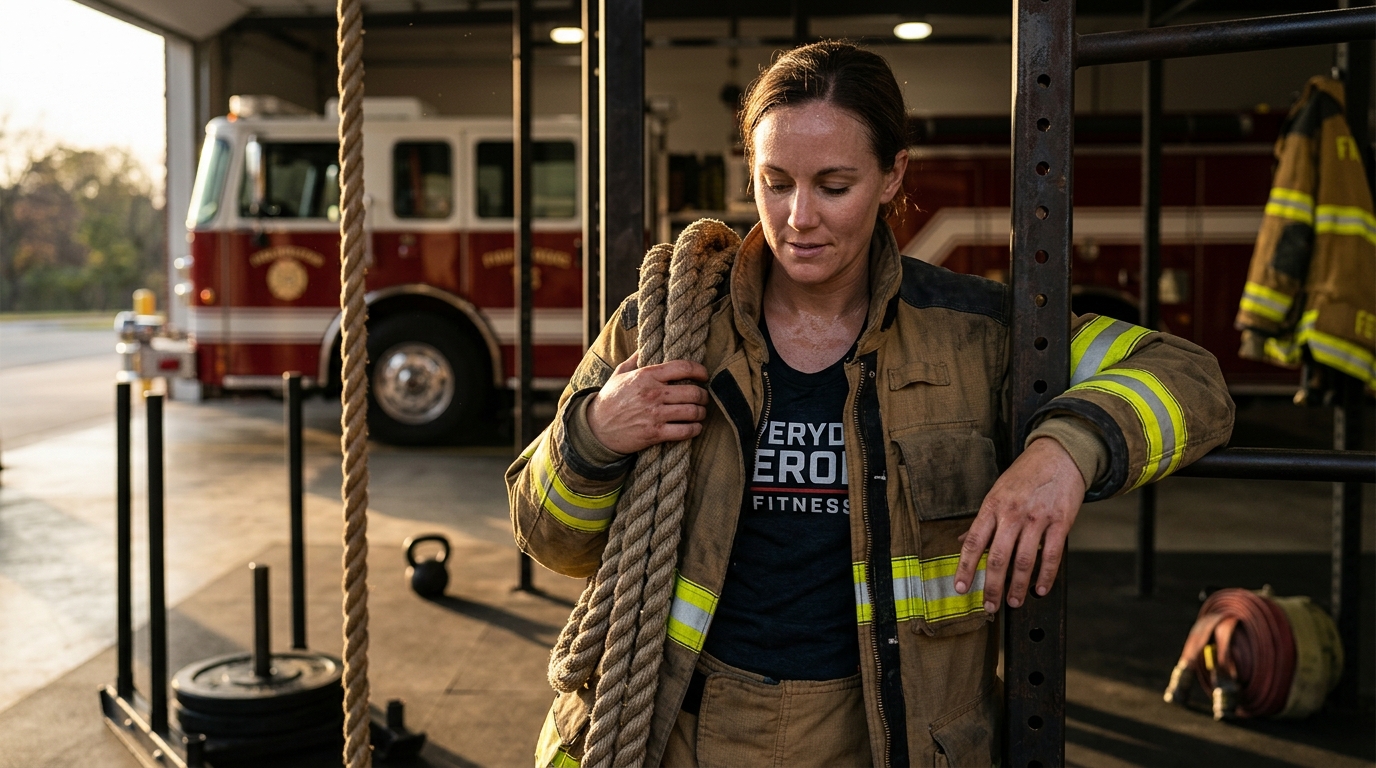
Functional fitness is defined as the ability to perform real-world tasks efficiently and safely. For firefighters, this means training that translates directly to dragging hoses, carrying victims, and breaching doors. Programs that ignore these specific movements leave gaps in operational readiness. The best coaching frameworks, such as those offered by Everyday Heroes Fitness, are built from the ground up to address these unique physical requirements.
When evaluating a program, look for evidence of job-specific simulation. Does the curriculum include drills that replicate the weight distribution of personal protective equipment (PPE)? Does it address the core stability needed for ladder work? If a program cannot articulate how its exercises map to fireground tasks, it likely lacks the necessary depth for professional first responders.
Safety Protocols and Mobility Integration
Firefighters are prone to specific musculoskeletal injuries due to repetitive strain and heavy lifting. A superior fitness program must prioritize injury prevention through integrated mobility work. This is not an afterthought but a foundational component of the training architecture.
Mobility is defined as the active range of motion available to a joint. Without adequate mobility in the hips, ankles, and thoracic spine, firefighters risk compensatory movements that lead to chronic pain or acute injury. High-quality programs include dedicated mobility sessions that target these critical areas. For instance, free training guides often highlight routines for ankle and hip mobility to counteract the effects of wearing heavy boots and gear.
Evaluate whether the program offers progressive overload that respects joint health. Does it include deload weeks? Are there modifications for firefighters with existing injuries? The presence of a private community, as seen in online coaching programs, allows members to share mobility wins and challenges, fostering a culture of safety and longevity.
Alignment with CPAT Standards and Physical Demands
The Candidate Physical Ability Test (CPAT) is the gold standard for fitness assessment in the fire service. Any credible fitness program must align its training phases with CPAT events. This includes the stair climb, hose drag, forcible entry, rescue drag, and the air tank fill.
According to data from the International Association of Fire Fighters, the CPAT is a pass/fail test that requires sustained effort and specific muscular endurance. Programs that claim to prepare you for the CPAT must demonstrate a clear pathway to success. This involves periodization strategies that build the specific energy systems required for each event.
Look for programs that offer CPAT prep modules. These should include technique breakdowns and simulated testing environments. The goal is not just to pass the test but to build the underlying fitness that makes the test manageable. Everyday Heroes Fitness explicitly includes CPAT prep in its coaching offerings, ensuring that members are not only fit but also test-ready.
The Role of Specialized Coaching and Accountability
Self-guided training often leads to plateaus and inconsistent results. The second critical standard is the quality of coaching support. Firefighters need more than a PDF; they need real-time feedback and accountability.
Effective coaching is defined as the ongoing process of guiding, supporting, and adjusting a client's training based on their progress and feedback. Weekly 1:1 check-ins allow coaches to address form issues, adjust programming based on shift schedules, and provide mental support. This level of personalization is rare in generic fitness apps.
Consider the accessibility of your coach. Do they understand the unique lifestyle of a firefighter? Can they adjust workouts when you have a long shift or a family emergency? The online coaching program at Everyday Heroes Fitness emphasizes weekly group calls and assigned 1:1 transformation coaches to ensure that no firefighter trains in isolation.
Nutrition Strategies for Shift Work and Recovery
Training is only half the equation. Nutrition is the fuel that powers recovery and performance. Firefighters often struggle with irregular eating patterns due to shift work. A high-quality program must address this challenge directly.
Nutrition for first responders is defined as a dietary approach that supports high-energy expenditure while accommodating irregular meal times. This includes strategies for meal prep, portable snacks, and hydration. Programs that offer macro guidance and meal plans provide a significant advantage over those that do not.
Look for programs that educate on the "why" behind nutrition. Understanding how macronutrients affect performance and recovery empowers firefighters to make better choices on the job. The resources available through specialized coaching platforms often include detailed guides on fueling for duty.
Comparing Program Structures for First Responders
Not all programs are created equal. Below is a comparison of key features to help you evaluate your options.
| Feature | Generic Fitness App | Specialized First Responder Program |
|---|---|---|
| Job-Specific Drills | Rarely Included | Core Component |
| CPAT Prep | Minimal or None | Structured Modules |
| Coaching Support | Automated Only | Weekly 1:1 Check-ins |
| Nutrition Guidance | Generic Meal Plans | Shift-Work Optimized |
| Community Access | Public Forums | Private Peer Network |
As shown in the table, specialized programs offer distinct advantages in relevance and support. The Everyday Heroes Fitness model exemplifies this by combining functional training with professional coaching.
Key Takeaways for Program Selection
- Functional Relevance: Ensure the program includes drills that mimic fireground tasks, such as hose drags and ladder climbs.
- Mobility Focus: Look for integrated mobility work to prevent injury and improve range of motion.
- CPAT Alignment: The program must explicitly prepare you for the Candidate Physical Ability Test.
- Coaching Quality: Weekly 1:1 check-ins and personalized feedback are essential for progress.
- Nutrition Support: Choose programs that offer meal plans tailored to shift work schedules.
- Community: Access to a private community of first responders provides accountability and motivation.
- Proven Results: Look for testimonials and data showing successful transformations, such as the 1,000+ first responders coached.
Frequently Asked Questions
What is the most important factor in choosing a firefighter fitness program?
The most important factor is functional relevance. The program must train the specific movements and energy systems used on the fireground, not just general fitness.
How does a specialized program differ from a generic gym routine?
Specialized programs include CPAT prep, job-specific drills, and nutrition guidance for shift work, which generic routines typically lack.
Is online coaching effective for firefighters?
Yes, when it includes weekly 1:1 check-ins and personalized programming. Online coaching allows for flexibility while maintaining accountability and professional guidance.
What is CPAT prep and why is it necessary?
CPAT prep is training specifically designed to pass the Candidate Physical Ability Test. It is necessary because the test requires specific skills and endurance that general fitness does not guarantee.
How does nutrition impact firefighter performance?
Nutrition fuels recovery and sustained energy. For firefighters, shift-work optimized nutrition ensures consistent performance despite irregular schedules.
Can I lose weight and gain strength simultaneously with this type of training?
Yes, functional fitness programs often lead to body recomposition, where you lose fat and gain muscle simultaneously due to the high intensity and specificity of the training.
What resources are available for free training?
Many specialized programs offer free resources, such as training guides and mobility routines, to help first responders start their journey.
Start Your Transformation Today
Evaluating the quality of a fitness program is critical for your career longevity and personal health. By focusing on functional relevance, safety, and specialized coaching, you can ensure that your training translates to the fireground. Join the community of first responders who have regained their strength and confidence. Apply for coaching today and take the first step toward a fitter, healthier future.