
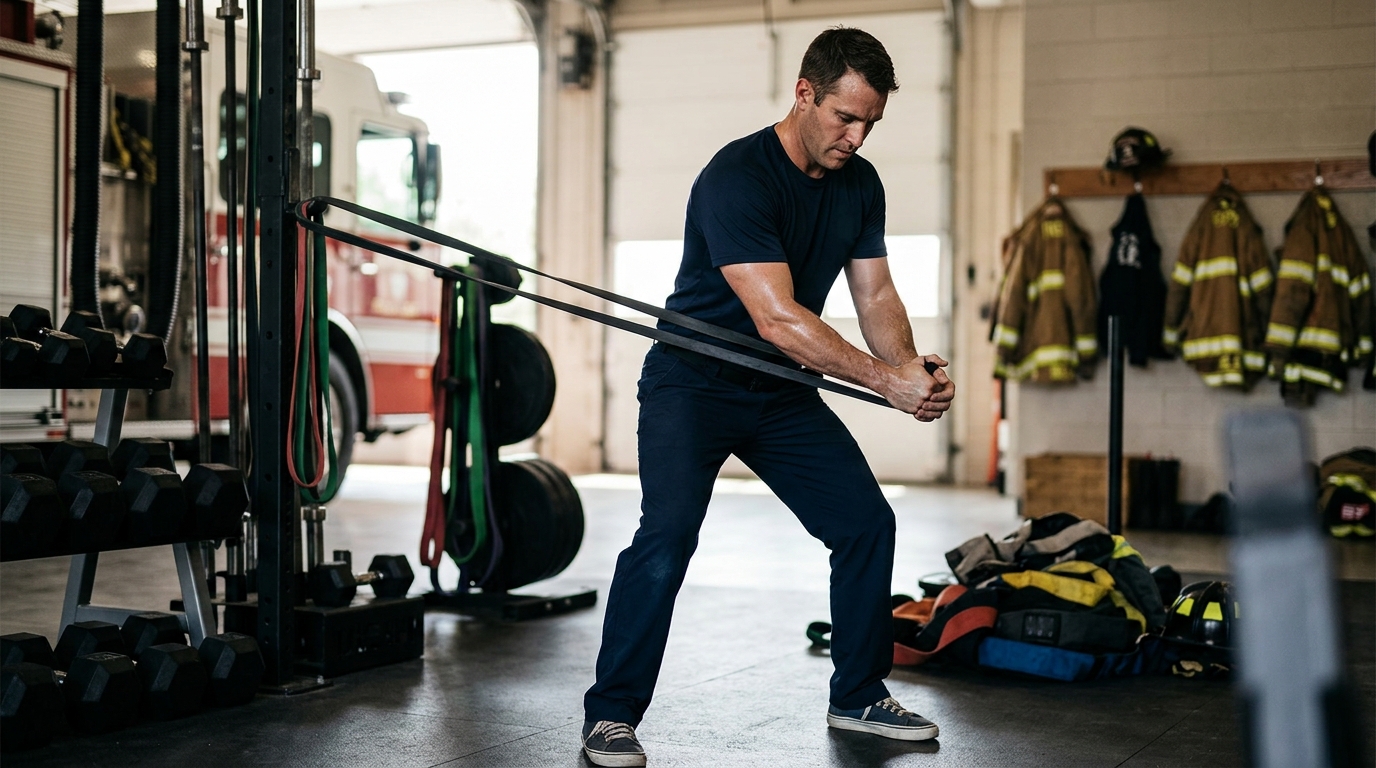
Chronic pain and physical decline affect the majority of the fire service community, with CDC data showing that musculoskeletal injuries are among the leading causes of line-of-duty injuries and early retirement. This guide explores how specialized functional fitness programs bridge the gap between injury recovery and peak operational readiness. We examine the specific methodologies used by organizations like Everyday Heroes Fitness to help firefighters regain strength, confidence, and drive through proven systems built for the unique demands of the job.
Understanding Firefighter Injuries
Firefighting is inherently dangerous, but the physical toll often extends beyond the fireground. The repetitive lifting of heavy gear, climbing ladders, and dragging hoses places immense strain on the lower back, shoulders, and knees. According to the National Fire Protection Association, overexertion and strain are consistently top contributors to firefighter injuries. These injuries rarely heal completely without targeted rehabilitation, leading to chronic pain that affects mental health and career longevity.
Many firefighters attempt to "push through" the pain, which often results in more severe injuries. A structured recovery program must address not just the acute injury but the underlying muscular imbalances that caused it in the first place. This is where functional first responder training becomes critical. It shifts the focus from aesthetic goals to performance-based outcomes, ensuring that the body can handle the unpredictable demands of emergency response.
Benefits of Functional Fitness
Functional fitness is defined as training that prepares the body for real-world movements rather than isolated muscle groups. For firefighters, this means exercises that mimic the actions of dragging a victim, forcing a door, or carrying heavy equipment. This approach yields several distinct advantages for injury recovery and overall fitness.
Improved Core Stability
A strong core is the foundation of injury prevention. Functional exercises engage the deep stabilizing muscles of the abdomen and lower back, which are often neglected in traditional gym routines. This stability protects the spine during heavy lifting and dynamic movements on the fireground.
Enhanced Mobility and Flexibility
Recovery programs prioritize mobility work to counteract the stiffness caused by wearing heavy turnout gear. Improved range of motion allows firefighters to move more efficiently, reducing the energy expenditure required for tasks and lowering the risk of acute strains.
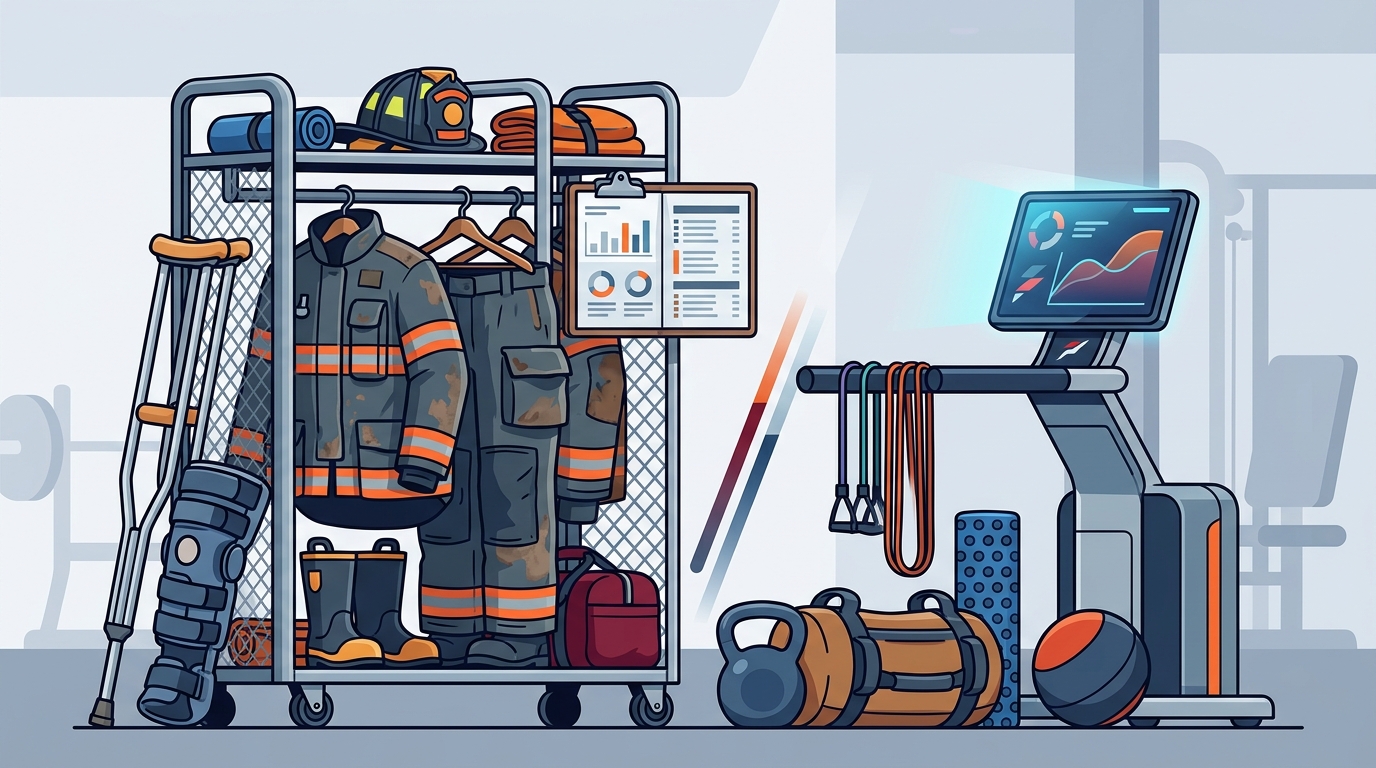
Mental Resilience
Physical fitness directly impacts mental health. The World Health Organization highlights the strong link between physical activity and reduced anxiety and depression. For first responders, regaining physical confidence often translates to improved mental clarity and resilience, helping them cope with the high-stress nature of the job.
Types of Recovery Programs
Not all fitness programs are created equal. For firefighters recovering from injury, the program must be scalable, safe, and specifically designed for their physiological needs. Below is a comparison of common program types.
| Program Type | Best For | Pros | Cons |
|---|---|---|---|
| Online Coaching | Personalized recovery plans | Customized nutrition and training | Requires self-discipline |
| Self-Guided PDFs | Budget-conscious firefighters | Low cost, flexible scheduling | No feedback or correction |
| Local CrossFit | Community support | In-person accountability | May not be fire-specific |
| Physical Therapy | Acute injury rehab | Medical supervision | Expensive, limited sessions |
While physical therapy is essential for acute injuries, it often ends before the firefighter is fully ready to return to duty. This is where specialized fitness programs fill the gap. Everyday Heroes Fitness offers a system that combines the best of both worlds, providing the medical-grade attention to form with the functional intensity required for the job.
Kettlebell Foundations
Kettlebells are a cornerstone of functional firefighter training. They are defined as cast-iron weights with a handle, used for ballistic and strength exercises that engage multiple muscle groups simultaneously. For firefighters, kettlebell training is particularly effective because it builds grip strength, shoulder stability, and posterior chain power—all critical for fireground tasks.
The Firefighter Kettlebell Foundations program is a free 4-day plan designed to unlock the full potential of this tool. It focuses on proper form and progressive overload, ensuring that firefighters can safely incorporate kettlebells into their routine without exacerbating existing injuries. This program is ideal for those looking to start their recovery journey with a low-barrier, high-impact entry point.
Online Coaching vs. Self-Guided
Choosing between self-guided programs and online coaching depends on your current fitness level and injury status. Self-guided programs are great for maintenance, but they lack the adaptive capacity needed for injury recovery. Online coaching provides real-time feedback, allowing coaches to adjust exercises based on your pain levels and progress.
Online coaching programs for firefighters often include weekly check-ins, nutrition guidance tailored to shift work, and access to a community of peers. This holistic approach addresses the lifestyle factors that contribute to injury, such as poor sleep, stress, and inadequate recovery. For firefighters who have tried and failed with generic apps, this personalized support is often the missing link to long-term success.
Key Takeaways
- Musculoskeletal injuries are a leading cause of early retirement in the fire service, making targeted recovery essential.
- Functional first responder training focuses on real-world movements rather than isolated muscle groups.
- Kettlebell foundations provide a safe and effective way to build grip strength and posterior chain power.
- Online coaching offers personalized adjustments that self-guided programs cannot match for injury recovery.
- Physical fitness directly correlates with mental health and resilience for first responders.
- Programs like those from Everyday Heroes Fitness are built specifically for the demands of the job.
- Recovery is not just about healing; it is about building a stronger, more resilient body for future calls.
Frequently Asked Questions
Can I start a fitness program while recovering from an injury?
Yes, but it is crucial to consult with a medical professional first. Specialized programs like functional first responder training are designed to be scalable and can often be modified to accommodate specific injuries under guidance.
What is the best type of exercise for firefighter back pain?
Functional core stability exercises and kettlebell swings are often recommended. These movements strengthen the posterior chain without placing excessive compressive force on the spine. The kettlebell foundations program provides specific guidance on this.
How does online coaching help with injury recovery?
Online coaching provides real-time feedback on form, allowing for immediate corrections that prevent further injury. Coaches can also adjust the intensity and volume of workouts based on your daily pain levels and progress.
Is kettlebell training safe for firefighters with shoulder injuries?
Kettlebell training can be safe and beneficial for shoulder health if performed with proper form. It builds stability and strength in the rotator cuff. However, it is essential to start with lighter weights and focus on mobility before progressing to heavier loads.
What are the benefits of functional fitness for first responders?
Functional fitness improves performance on the fireground, reduces the risk of injury, and enhances overall health. It prepares the body for the unpredictable demands of emergency response, ensuring that firefighters are ready for any situation.
How long does it take to recover from a firefighter injury?
Recovery time varies depending on the severity of the injury and the individual's commitment to rehabilitation. With a structured program like online coaching, many firefighters see significant improvements in strength and pain levels within a few months.
Do I need a gym membership to follow these programs?
Not necessarily. Many functional fitness programs, including the kettlebell foundations plan, can be adapted for home use with minimal equipment. The focus is on movement quality rather than expensive machines.
Ready to Take Control of Your Health?
Don't let injuries define your career. Join the community of first responders who have regained their strength and confidence through specialized functional fitness. Apply for coaching today and start your journey toward becoming the Everyday Hero you were meant to be.