
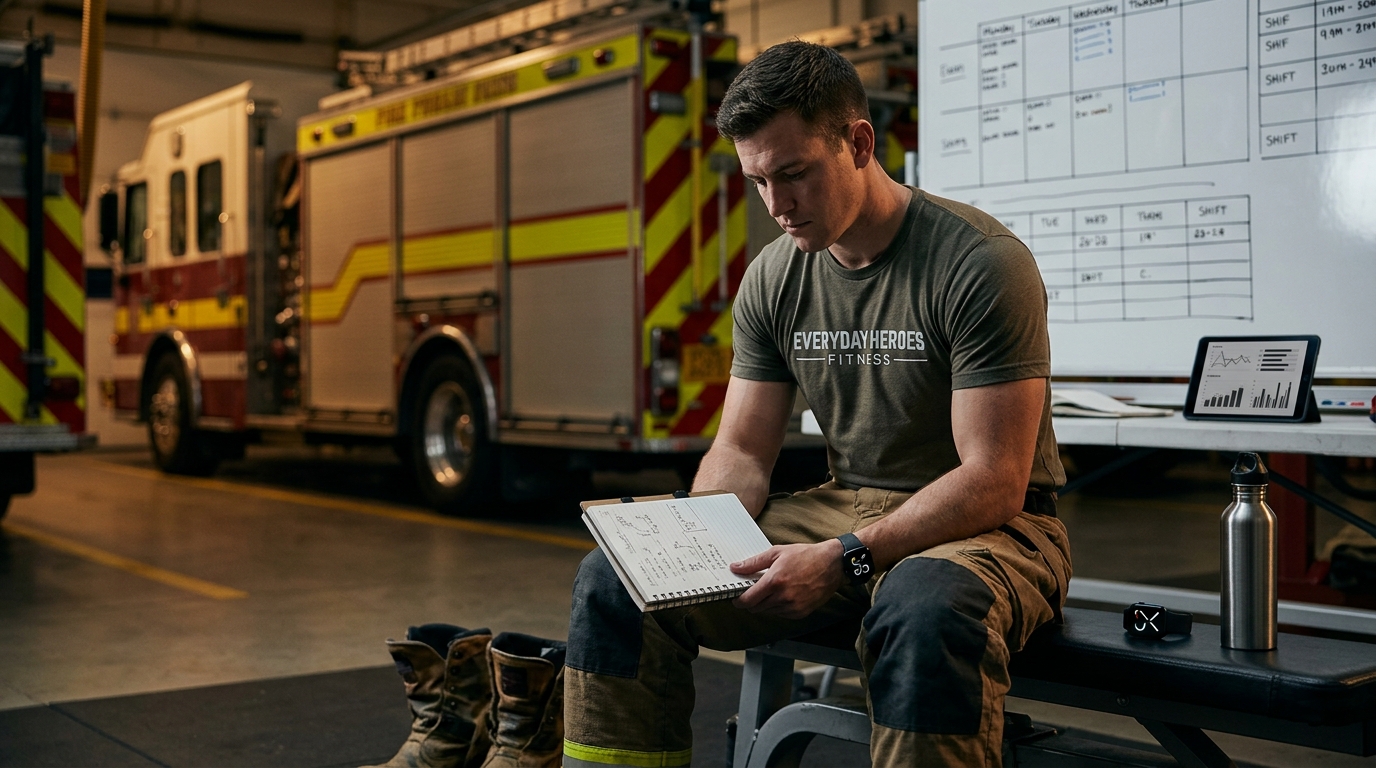
Yes, specialized fitness programs exist that account for firefighter shift work and call volume. These programs adjust training intensity, recovery windows, and nutrition timing to match 24-hour rotations and unpredictable emergency responses. This guide explains how to identify effective programs, manage physical load, and maintain performance during high-stress periods. It covers the core components of firefighter-specific training and how to integrate them into a demanding schedule. For additional details, review the Online Coaching for Firefighters.
Firefighter-Specific Programs
Firefighter-specific programs are training systems designed around the unique physical demands of emergency response. Unlike general fitness routines, these programs prioritize functional strength, cardiovascular endurance, and mobility. They focus on movements that mimic real-world tasks, such as carrying heavy loads, climbing ladders, and dragging hoses. This approach ensures that training transfers directly to job performance. For additional details, review the Online Coaching for Firefighters.
Functional Strength Training
Functional strength training is the development of muscle power that applies to daily tasks and emergency scenarios. Firefighters need to lift, carry, and push heavy equipment while wearing full personal protective equipment. This gear adds significant weight, increasing the physical load on the body. Programs that include kettlebell swings, deadlifts, and farmer's carries build the specific strength needed for these tasks. This type of training improves stability and reduces the risk of injury during high-stress situations. For additional details, review the .
Cardiovascular Endurance
Mobility and Injury Prevention
Mobility is the ability to move joints through their full range of motion. Firefighters often work in confined spaces and awkward positions, which can lead to joint stress and injury. Regular mobility work helps maintain flexibility and reduces the risk of strains and sprains. Programs that include dynamic stretching and foam rolling support long-term joint health. This focus on prevention is crucial for a career that spans decades. For additional details, review the Customer Experience.
Shift Work Considerations
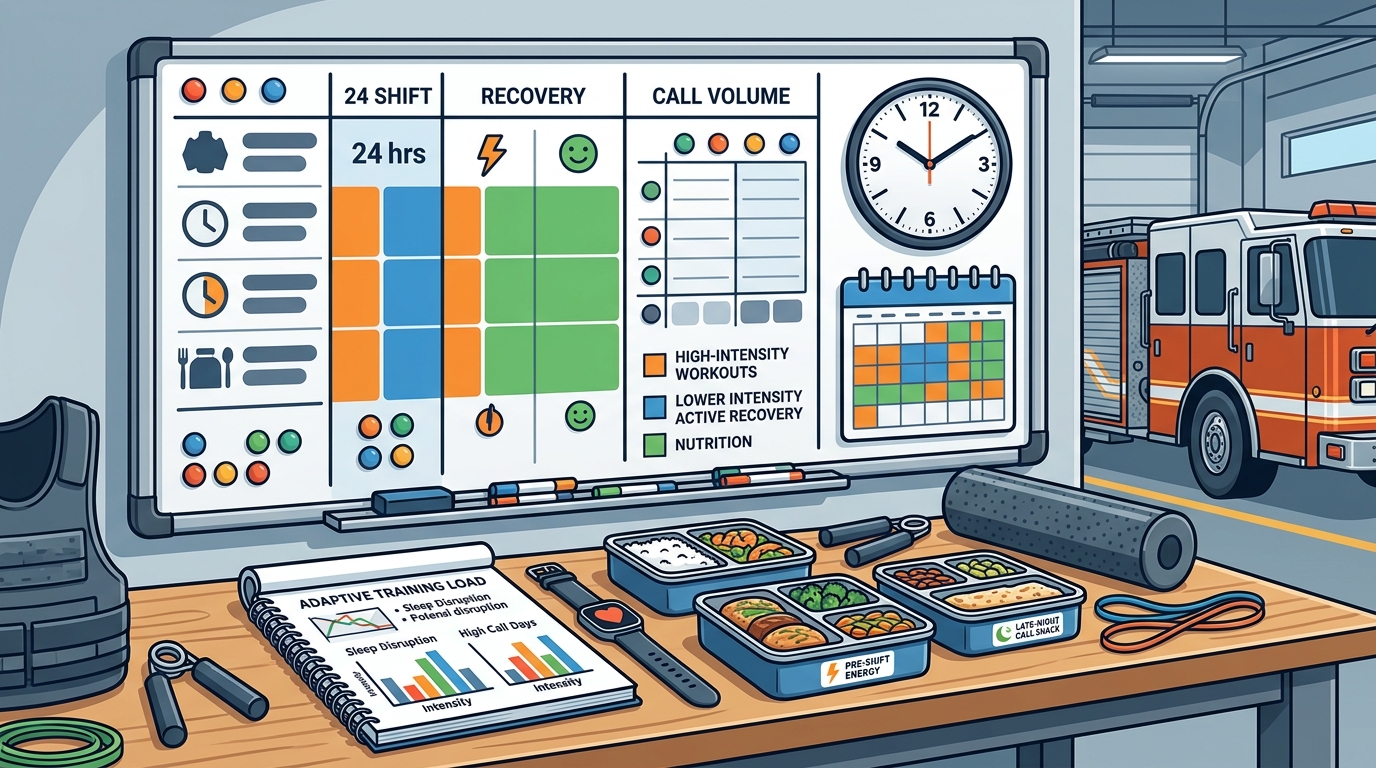
Shift work is a work schedule that involves rotating shifts, often including nights and weekends. For firefighters, this typically means 24-hour shifts followed by days off. This irregular schedule disrupts circadian rhythms, affecting sleep quality and energy levels. Fitness programs for firefighters must account for these disruptions. They adjust training timing and intensity to align with the body's natural energy cycles.
Training on Days Off
Training on Shifts
Recovery and Sleep
Call Volume Management
Adapting to High-Volume Periods
Maintaining Consistency During Low-Volume Periods
Mental Resilience
Mental resilience is the ability to cope with stress and maintain focus under pressure. High call volume can take a toll on mental health, leading to burnout and decreased motivation. Fitness programs that include mindset training and stress management techniques are valuable. These components help firefighters stay motivated and focused on their goals. They provide tools for managing stress and maintaining a positive outlook. This holistic approach supports both physical and mental well-being.
Nutrition and Recovery
Macronutrient Balance
Hydration and Electrolytes
Meal Timing and Shift Work
Program Comparison
| Feature | General Fitness Program | Firefighter-Specific Program |
|---|---|---|
| Training Focus | Aesthetic and general health | Functional strength and endurance |
| Schedule Flexibility | Fixed weekly schedule | Adaptable to shift work and call volume |
| Nutrition Guidance | General dietary advice | Shift-work-specific meal timing and macros |
| Recovery Strategies | Standard rest days | Shift-aware recovery and sleep hygiene |
| Community Support | General fitness community | First responder community and peer support |
Key Takeaways
- Firefighter-specific programs prioritize functional strength, endurance, and mobility to match job demands.
- Shift work requires flexible training schedules that align with circadian rhythms and recovery needs.
- Call volume management involves scaling training intensity based on workload to prevent burnout.
- Nutrition guidance should focus on macro balance, hydration, and meal timing suited to shift work.
- Recovery strategies, including sleep hygiene and stress management, are critical for long-term performance.
- Community support from fellow first responders enhances motivation and accountability.
- Consistency is key, with programs offering clear guidelines for both high and low-volume periods.
- Personalized programming ensures that training goals align with individual fitness levels and career stage.
Frequently Asked Questions
What is a firefighter-specific fitness program?
A firefighter-specific fitness program is a training system designed around the unique physical demands of emergency response. It focuses on functional strength, cardiovascular endurance, and mobility to improve job performance and reduce injury risk.
How do these programs account for shift work?
These programs adjust training timing and intensity to align with shift schedules. They offer flexible structures that allow firefighters to train on days off and during shifts, while prioritizing recovery and sleep hygiene.
What is call volume management in fitness?
Call volume management is the practice of adjusting training load based on the number of emergency responses. It involves scaling intensity and volume to prevent burnout during high-volume periods and maintaining consistency during low-volume periods.
Why is nutrition important for firefighters on shift work?
Can firefighters train during their shifts?
Yes, firefighters can train during their shifts using short, high-intensity sessions. These sessions help maintain movement and blood flow without causing excessive fatigue, allowing them to stay active while on duty.
How does community support benefit firefighter fitness?
Community support from fellow first responders enhances motivation and accountability. It provides a sense of belonging and shared purpose, which helps firefighters stay committed to their fitness goals and manage stress effectively.
What role does mobility play in firefighter fitness?
Mobility is the ability to move joints through their full range of motion. It helps prevent injury and supports long-term joint health, which is crucial for a career that involves working in confined spaces and awkward positions.
How can firefighters maintain consistency in their training?
Firefighters can maintain consistency by using flexible training schedules and clear guidelines for scaling workouts. Programs that offer progressive overload plans and recovery strategies help firefighters make steady gains and avoid burnout.