
Common Mistakes Firefighters Make When Returning to Fitness After Injury
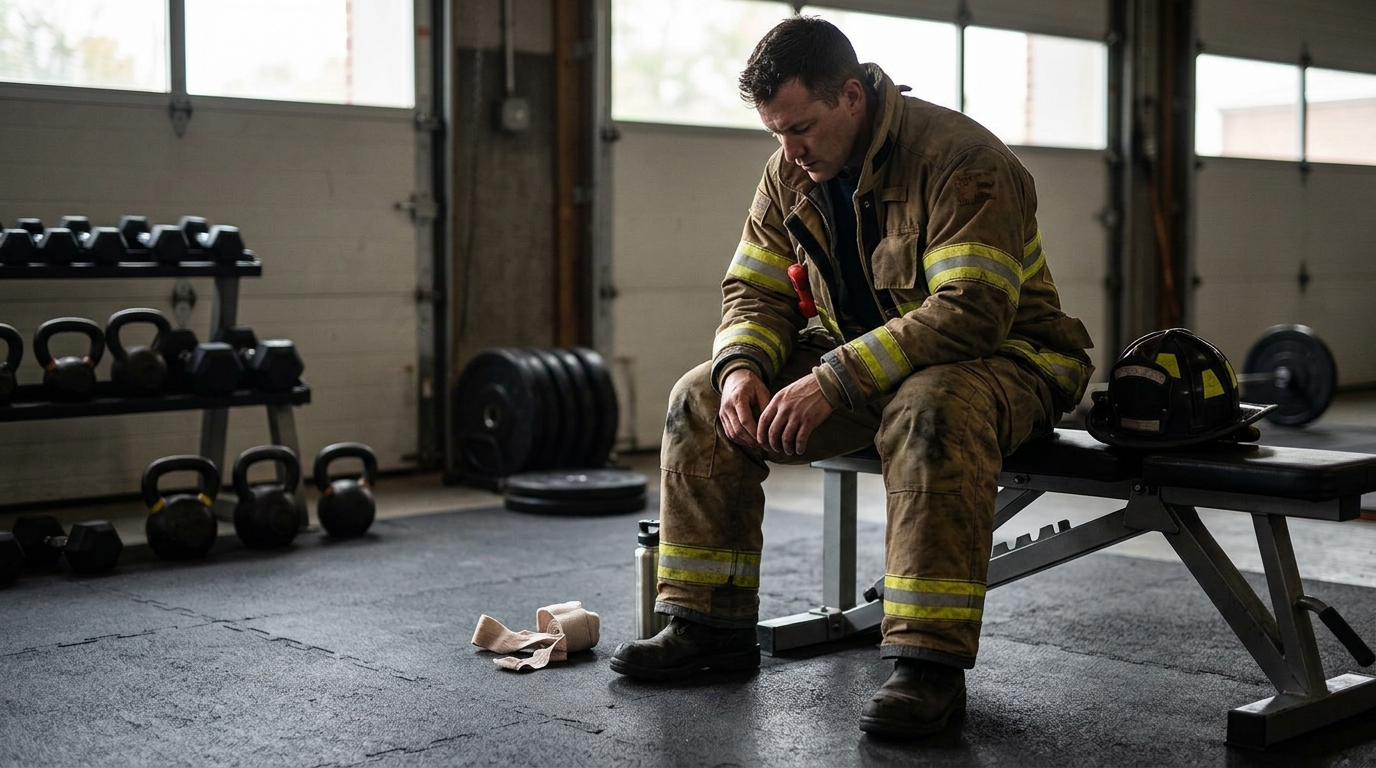
Returning to the fire station after a significant injury is a psychological and physical hurdle that many first responders underestimate. According to recent occupational health data, over 60% of firefighters experience a career-altering injury, yet fewer than half return to full duty readiness without significant performance degradation. This statistic highlights a critical gap in post-injury rehabilitation protocols within the fire service. Many firefighters rush back to the gym, ignoring the nuanced demands of their profession. The result is often re-injury, decreased operational capacity, and a loss of confidence in their own bodies. This guide outlines the most frequent errors made during this transition and provides a structured path to recovery.
Understanding the Fire Service Physique
Before addressing specific mistakes, it is essential to define what constitutes a "fit" firefighter. Functional fitness is the ability to perform job-specific tasks efficiently and safely under extreme stress. Unlike bodybuilding, which prioritizes aesthetic symmetry, or powerlifting, which focuses on maximal strength in isolation, fire service fitness requires a blend of cardiovascular endurance, anaerobic capacity, and relative strength.
The modern firefighter must carry 50 to 75 pounds of gear while navigating uneven terrain, climbing stairs, and performing heavy physical labor. This demand creates a unique physiological profile. When an injury occurs, this profile is disrupted. The body adapts to the injury by weakening the affected area and overcompensating with others. Recognizing this adaptation is the first step in correcting the mistakes that follow.
Mistake 1: Rushing the Return
The most common error is returning to full-intensity training before the tissue has fully healed. Firefighters are conditioned to push through pain, a trait that saves lives on the fireground but destroys careers during rehabilitation. Returning too early leads to chronic inflammation and compensatory injuries.
Many firefighters attempt to resume their pre-injury workout volume immediately. They might try to lift the same weights or run the same distances as before the injury. This approach ignores the biological reality of tissue remodeling. Ligaments and tendons heal slower than muscles. If you force these tissues to bear load before they are ready, you risk re-tearing them or developing tendonitis. The correct approach involves a phased return, starting with low-impact modalities and gradually increasing load.
Mistake 2: Ignoring Mobility and Recovery
After an injury, stiffness is the enemy. Firefighters often focus exclusively on strengthening the injured area while neglecting the surrounding joints and soft tissues. Mobility is the range of motion available at a joint, which is critical for safe movement patterns. When mobility is restricted, the body compensates by moving incorrectly, placing stress on healthy structures.
For example, a firefighter with a lower back injury might tighten their hips to protect the spine. Over time, this tightness limits hip flexion, forcing the lower back to move more than it should during lifting. This cycle perpetuates pain. Incorporating daily mobility work, such as the routines found in our Free Training Guides, can break this cycle. Focus on the thoracic spine, hips, and ankles, as these areas directly influence spinal health during heavy lifting.
Mistake 3: Neglecting Nutrition for Repair
Recovery is not just about what you do in the gym; it is about what you do in the kitchen. Many firefighters view nutrition as a tool for weight loss rather than a tool for tissue repair. Nutrition is the biochemical process of providing the body with the raw materials needed for cellular regeneration. Without adequate protein, micronutrients, and hydration, the body cannot rebuild the damaged tissues.
During rehabilitation, the metabolic demand for repair increases. If you are not eating enough to support this demand, your body will cannibalize muscle tissue for energy, leading to weakness and fatigue. Additionally, inflammation management is key. Diets high in processed sugars and trans fats can exacerbate inflammation, slowing down the healing process. Prioritize whole foods, lean proteins, and healthy fats to create an anabolic environment that supports rapid recovery.
Mistake 4: Skipping CPAT-Specific Conditioning
General fitness does not equal job readiness. A firefighter might be able to bench press 300 pounds but fail the Candidate Physical Ability Test (CPAT) because they lack the specific endurance required for the events. The CPAT is a standardized physical assessment that simulates the demands of firefighting tasks. It includes a stair climb, hose drag, equipment carry, forcible entry, rescue drag, and clock knot tie.
Many injured firefighters return to generic cardio, such as steady-state running, which does not prepare them for the anaerobic bursts required in the CPAT. The CPAT is designed to be exhausting, pushing heart rates to near-maximal levels. To pass, you must train your body to clear lactate quickly and sustain high output. Our Zero to Hero 10K program provides a structured progression that builds the necessary aerobic base while maintaining strength. Integrating CPAT-specific drills into your rehabilitation ensures that you are not just healthy, but ready for the test.
Mistake 5: Overlooking Mental Resilience
The psychological impact of injury is often more debilitating than the physical pain. Firefighters may experience fear of re-injury, loss of identity, or anxiety about their career longevity. Mental resilience is the capacity to withstand adversity and maintain focus during challenging circumstances. Ignoring this aspect of recovery can lead to burnout and a lack of motivation.
It is crucial to reframe the injury as an opportunity for growth. Many firefighters find that their time away from the fireground allows them to develop new skills, strengthen relationships, and gain a deeper understanding of their bodies. Engaging with a community of peers who understand this journey, such as the Private Community offered in our coaching program, can provide the support and accountability needed to stay on track. Remember, recovery is a marathon, not a sprint. Celebrate small victories and trust the process.
Key Takeaways
- Phased Return: Do not rush back to full intensity. Gradually increase load to prevent re-injury.
- Mobility First: Prioritize joint mobility to prevent compensatory movements that cause further pain.
- Nutrition for Repair: Eat enough protein and anti-inflammatory foods to support tissue regeneration.
- CPAT Specificity: Train for the specific demands of the CPAT, not just general fitness.
- Mental Health: Address the psychological impact of injury through community support and mindset shifts.
- Functional Strength: Focus on movements that mimic job tasks, such as carrying and lifting.
- Consistency: Show up daily, even if the session is short. Consistency builds habit and results.
Frequently Asked Questions
How long does it take to return to duty after a major injury?
Recovery timelines vary based on the severity of the injury and the individual's adherence to rehabilitation protocols. On average, significant soft tissue injuries require 3 to 6 months for full functional recovery. However, with structured coaching, many firefighters see measurable improvements in strength and mobility within 8 to 12 weeks.
Can I still lose weight while recovering from an injury?
Yes, but the focus should shift from calorie deficit to nutrient density. Since your activity level may be lower, you must adjust your caloric intake to match your new energy expenditure. Prioritize protein to preserve muscle mass while your body repairs the injury. Our Macro Guidance helps tailor nutrition to your specific recovery needs.
What is the most important exercise for firefighter rehabilitation?
There is no single "most important" exercise, as it depends on the injury. However, core stability and hip mobility are universally critical. Exercises like deadlifts, squats, and carries, when performed with proper form, build the resilience needed for the job. Always consult with a medical professional before starting any new exercise regimen.
How do I prevent re-injury when returning to the gym?
Prevention starts with listening to your body. Do not ignore pain. Use a phased approach to increase load, prioritize mobility work, and ensure adequate recovery between sessions. Working with a coach who understands the demands of the fire service can help you navigate this transition safely.
Is online coaching effective for injured firefighters?
Absolutely. Online coaching provides personalized programming that adapts to your current physical limitations and goals. It offers accountability, expert guidance, and a community of peers who understand your journey. This support system is crucial for maintaining motivation during the recovery process.
What role does sleep play in injury recovery?
Sleep is when the majority of tissue repair occurs. Growth hormone is released during deep sleep, facilitating muscle and ligament healing. Aim for 7 to 9 hours of quality sleep per night. Poor sleep can increase inflammation and delay recovery, making it a critical component of your rehabilitation strategy.
How can I stay motivated during a long recovery?
Set small, achievable goals that focus on progress rather than perfection. Track your mobility improvements, strength gains, and consistency. Engage with a community that supports your goals. Remember that every day you show up is a step closer to returning to the fireground stronger than before.
Start Your Recovery Journey
Do not let injury define your career. With the right approach, you can return to the fireground stronger, smarter, and more resilient than ever before. Our Online Coaching Program is designed specifically for first responders who want to regain their strength and confidence. Join over 1,000 firefighters who have transformed their fitness and their lives. Apply for coaching today and take the first step toward a healthier, more capable you.