
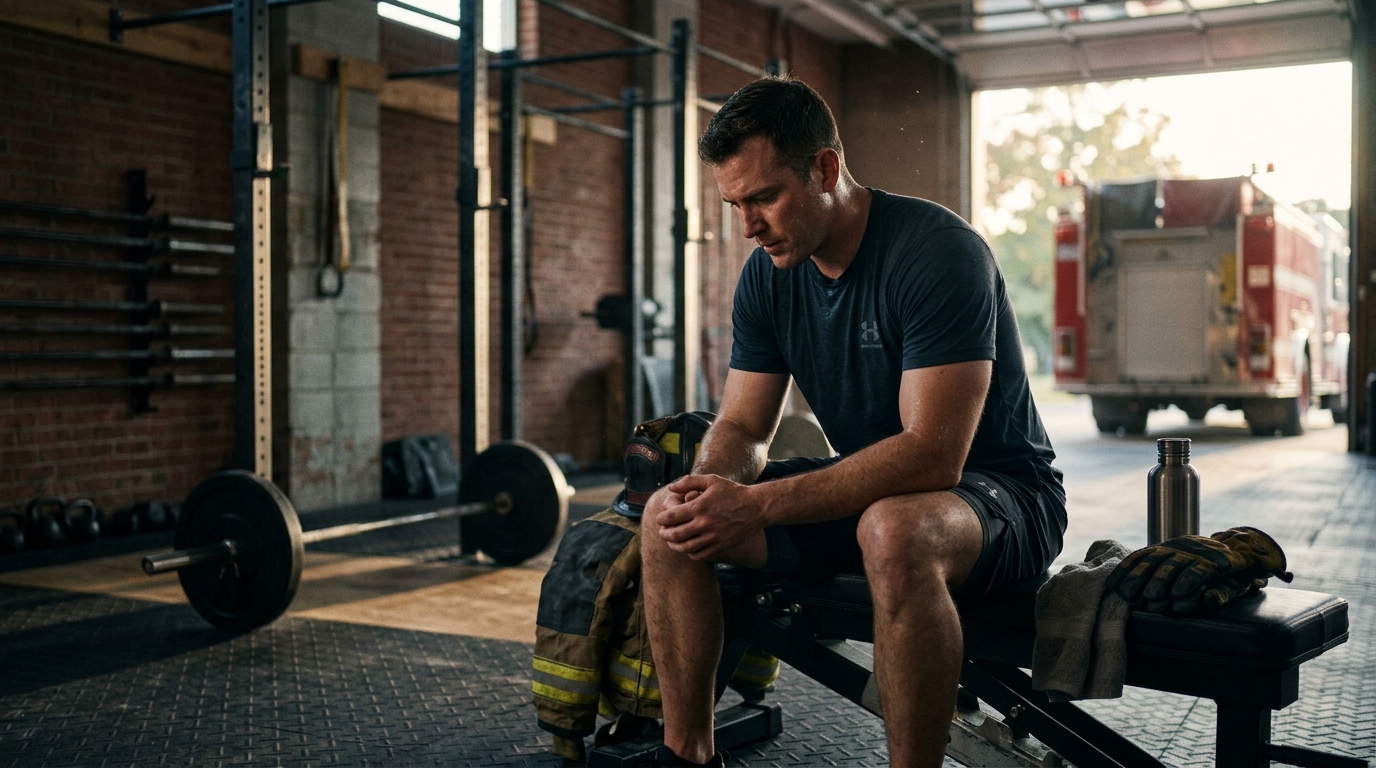
Choosing the wrong fitness program can cost more than just time. For firefighters, the stakes involve physical readiness and career longevity. Data shows that nearly 40% of firefighter injuries occur during training or off-duty activities, highlighting the critical need for specialized conditioning. This guide outlines the most frequent errors first responders make when selecting a fitness regimen and how to avoid them.
Why Generic Programs Fail First Responders
Many firefighters turn to off-the-shelf fitness plans found online. These programs are designed for the general population, not for individuals carrying 50 pounds of gear. Generic programs ignore the unique physiological demands of the job. Firefighting requires a blend of anaerobic power and aerobic endurance that standard bodybuilding or cardio routines do not address.
When you follow a plan built for a desk worker, you risk overtraining specific muscle groups while neglecting others. This imbalance leads to chronic injuries and decreased performance on the fireground. According to the National Fire Protection Association, physical fitness is a primary determinant of firefighter safety and effectiveness. A program that does not account for shift work, irregular sleep patterns, and high-stress environments is fundamentally flawed for your needs.
At Everyday Heroes Fitness, we build programs specifically for the crew. Our approach ensures that every movement translates to better performance on the job. You can explore our online coaching program to see how customized training differs from generic templates.
Ignoring CPAT-Specific Conditioning
The Candidate Physical Ability Test (CPAT) is the gateway to many careers and promotions. A common mistake is training for general fitness rather than CPAT-specific events. The CPAT consists of eight continuous, job-simulating events. These include the stair climb, hose drag, equipment carry, forcible entry, rescue drag, and clocked knot tie.
Training for the CPAT requires specific energy system development. You cannot simply run on a treadmill and expect to pass the hose drag event. The test demands high-intensity interval training that mimics the burst-and-recover nature of firefighting. CPAT prep must include functional movements that replicate the test equipment.
Our free training guides include specific modules for CPAT preparation. These resources help you understand the mechanics of each event and how to build the necessary strength and endurance. Without targeted prep, even fit firefighters often fail the test due to poor pacing or technique.
Overlooking Nutrition and Recovery
Fitness is not just about what you do in the gym. It is equally about what you eat and how you recover. Many firefighters neglect nutrition because they are busy with shifts and family obligations. However, poor nutrition leads to low energy, increased body fat, and slower recovery times.
Macro guidance is essential for first responders. You need fuel that supports high-intensity work and promotes muscle repair. Our coaching includes macro guidance and meal plans tailored to your specific caloric needs and dietary preferences. This ensures you are eating for performance, not just for taste.
Recovery is another critical component. Shift work disrupts circadian rhythms, making sleep quality a challenge. Proper nutrition and strategic supplementation can help mitigate these effects. Ignoring recovery leads to burnout and injury. A holistic approach to fitness includes rest, mobility, and nutrition as core pillars.
Lack of Accountability and Community
Self-guided programs often fail due to a lack of accountability. It is easy to skip a workout when no one is watching. Firefighters thrive in team environments. A program that includes a private community provides the social support needed to stay consistent.
At Everyday Heroes Fitness, we offer access to a private community of first responders. This network allows you to share wins, challenges, and advice with peers who understand your lifestyle. Weekly group calls and 1:1 check-ins keep you on track. Accountability is the bridge between intention and action.
Our members report significant improvements in both fitness and mindset. For example, one firefighter noted that the program gave him a renewed passion for working out. Another mentioned that the mental side was a game changer. These testimonials highlight the power of community in driving long-term success.
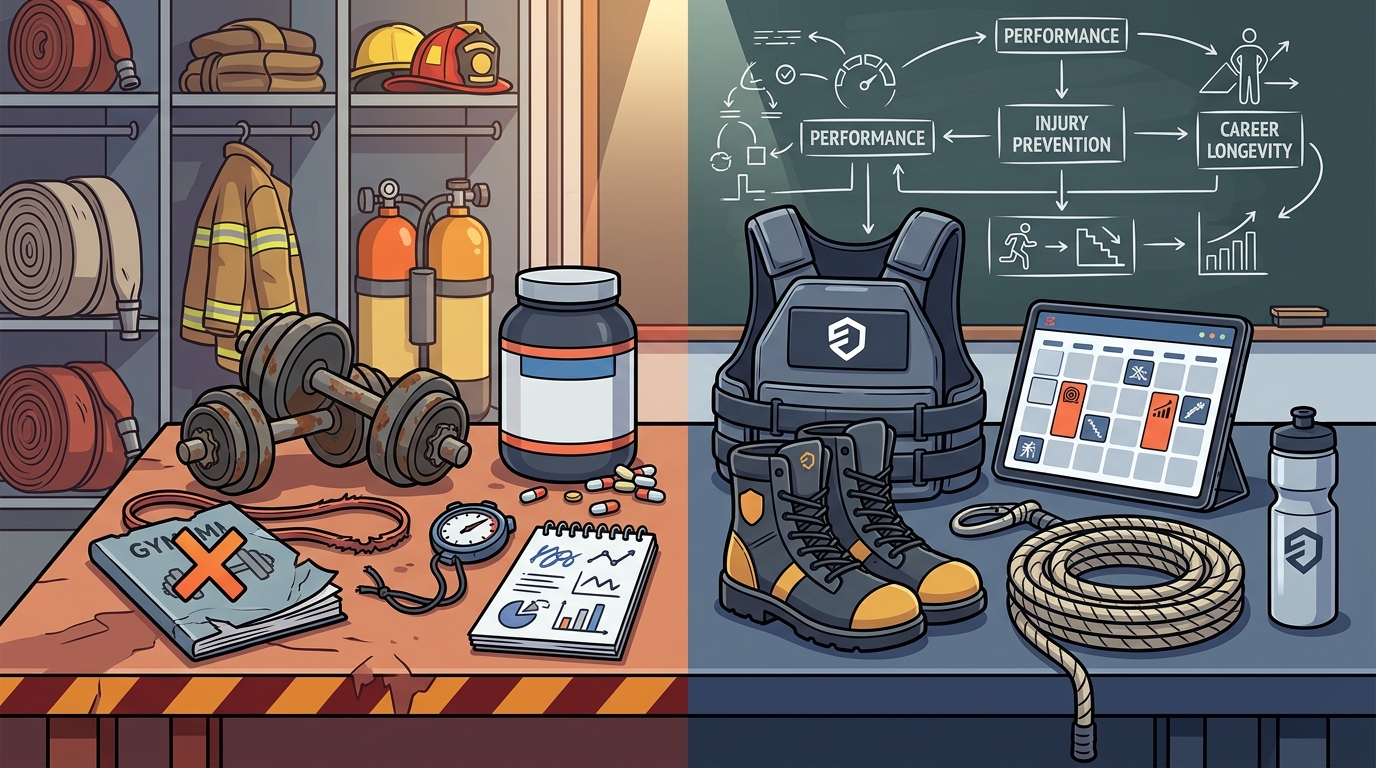
Neglecting Mobility and Injury Prevention
Firefighting is physically demanding. It places significant stress on the joints, spine, and muscles. Many programs focus solely on strength and ignore mobility. This oversight leads to stiffness, pain, and eventual injury. Mobility work is essential for maintaining range of motion and preventing injuries.
Our mobility masterclass provides at-home routines for ankles, hips, and thoracic spine. These routines are quick and effective, requiring minimal equipment. Incorporating mobility into your daily routine can reduce pain and improve performance. Mobility is not optional; it is a requirement for longevity in the fire service.
Regular mobility work also enhances recovery. It helps flush out metabolic waste and improves blood flow to tight muscles. By prioritizing mobility, you ensure that your body remains resilient against the rigors of the job. This proactive approach saves time and money on medical treatments down the line.
Comparing Coaching Models
Not all coaching is created equal. Some programs offer generic templates with minimal support. Others provide comprehensive, personalized guidance. Understanding the differences helps you make an informed decision. The table below compares common coaching models.
| Coaching Model | Customization | Support Level | Best For |
|---|---|---|---|
| Generic PDF Plans | Low | None | Experienced athletes with self-discipline |
| App-Based Programs | Medium | Automated | Beginners seeking structure |
| 1:1 Online Coaching | High | Weekly Check-ins | Firefighters needing personalized guidance |
| In-Person Gym Training | High | Direct Supervision | Those who prefer face-to-face interaction |
1:1 online coaching offers the best balance of customization and flexibility. It allows for real-time adjustments based on your progress and feedback. This model is ideal for firefighters with irregular schedules. You can access your program from anywhere, ensuring consistency regardless of your location.
Key Takeaways
- Specialization Matters: Generic programs do not account for the unique demands of firefighting.
- CPAT Focus: Training must include specific events like the stair climb and hose drag.
- Nutrition is Key: Macro guidance supports energy levels and recovery for shift workers.
- Community Support: Access to a private network of first responders boosts accountability.
- Mobility is Essential: Regular mobility work prevents injury and maintains range of motion.
- Personalized Coaching: 1:1 coaching offers tailored programming and weekly check-ins.
- Proven Results: Over 1,000 first responders have successfully transformed their fitness.
Frequently Asked Questions
What is the best way to prepare for the CPAT?
The best way to prepare is through job-specific training. This includes practicing the actual events, such as the stair climb and hose drag, with proper pacing and technique.
How does shift work affect fitness?
Shift work disrupts sleep patterns and energy levels. It requires a fitness program that accommodates irregular schedules and prioritizes recovery and nutrition.
Do I need a gym membership to follow this program?
No, our programs are designed to be flexible. Many movements can be performed with minimal equipment, and we provide guidance for home workouts.
What is included in the online coaching program?
The program includes customized programming, macro guidance, weekly 1:1 check-ins, access to a private community, and CPAT prep resources.
How long does it take to see results?
Results vary by individual, but most members see significant improvements in strength and endurance within 6 to 8 weeks of consistent training.
Is the coaching suitable for beginners?
Yes, our coaching is tailored to your current fitness level. We start with foundational movements and progress as you build strength and confidence.
Can I do the program while working full-time?
Absolutely. The program is designed to fit around your shift schedule. Workouts are efficient and can be completed in 45 to 60 minutes.
Start Your Transformation
Do not let common mistakes hold you back. Take control of your fitness and career readiness today. Apply for our online coaching program and join the community of first responders who are getting fit for duty and fit for life. Visit our resources page for free training guides to get started.