
Common Mistakes Firefighters Make When Starting Strength Training Programs
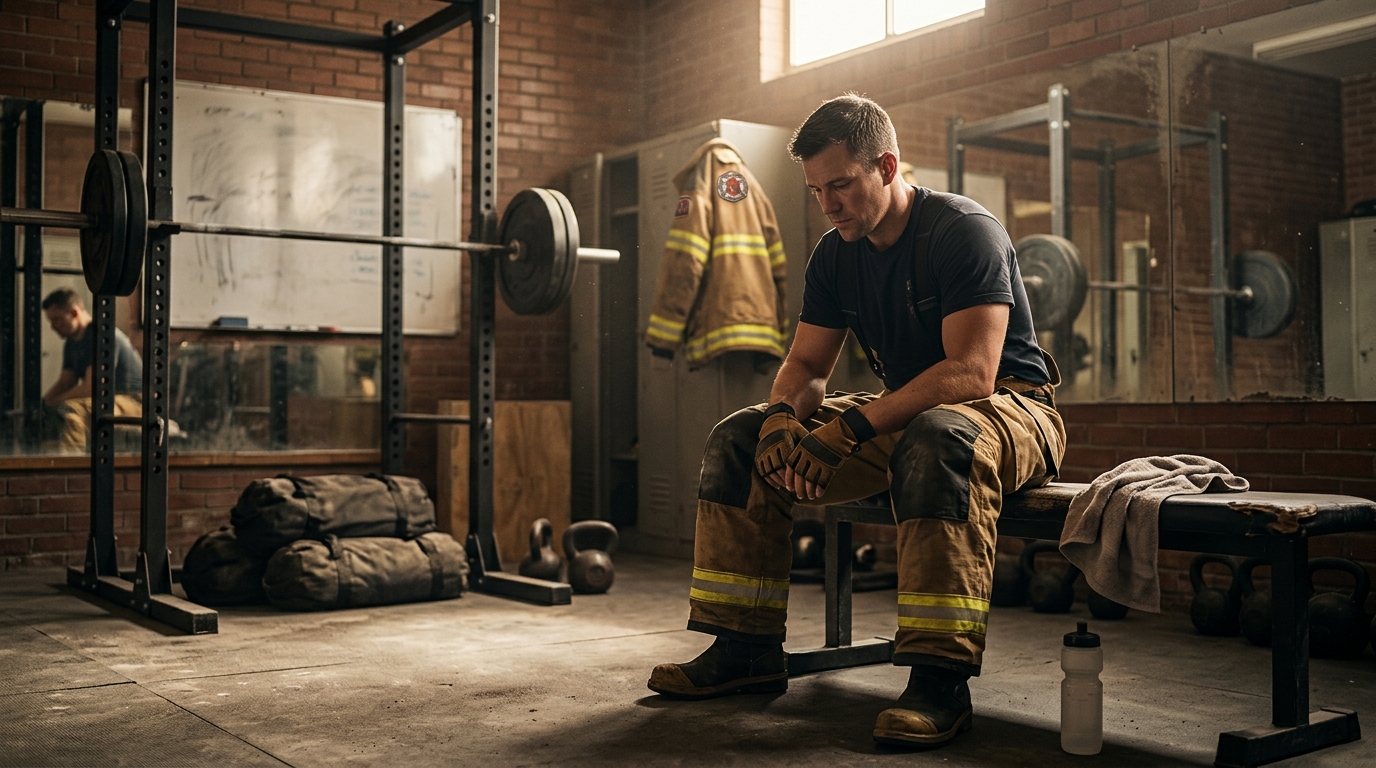
Firefighting is one of the most physically demanding professions in the world. The average firefighter must carry over 100 pounds of gear while navigating unpredictable environments. According to the National Fire Protection Association, physical fitness is a critical component of job performance and longevity in the fire service. However, many firefighters struggle to translate their on-scene strength into a structured gym routine. This disconnect often leads to injury, burnout, or failure to meet departmental fitness standards. Understanding these common pitfalls is the first step toward building a sustainable, high-performance physique.
Ignoring Mobility and Recovery
One of the most frequent errors firefighters make is treating mobility as an afterthought. Firefighters often possess significant raw strength from lifting heavy equipment, but they frequently lack the range of motion required for safe lifting mechanics. Mobility is the ability of a joint to move actively through its full range of motion. Without it, heavy lifting can lead to joint impingement and chronic pain.
Many firefighters attempt to follow generic bodybuilding splits that ignore the demands of the job. They lift heavy, go home, and repeat the cycle without addressing muscle tightness. This approach ignores the fact that the fire service requires functional movement patterns, not just isolated muscle growth. Incorporating dedicated mobility work, such as the routines found in our Free Training Guides for First Responders, can prevent injury and improve daily performance.
Recovery is equally critical. The body adapts to stress during rest, not during the workout itself. Firefighters often work long shifts and then attempt high-intensity training without adequate sleep or recovery protocols. This leads to overtraining syndrome, characterized by fatigue, decreased performance, and increased injury risk. Prioritizing sleep and active recovery days is non-negotiable for long-term success.
Neglecting Cardiovascular Endurance
Strength is vital, but cardiovascular endurance is the engine that keeps firefighters alive on the fireground. A common mistake is focusing exclusively on weightlifting while ignoring aerobic capacity. Cardiovascular endurance is the ability of the heart and lungs to supply oxygen to the muscles during sustained physical activity. In a fire scenario, this translates to the ability to perform strenuous tasks without gassing out.
Many firefighters attempt to train for the Candidate Physical Ability Test (CPAT) using only gym machines. This is a flawed strategy because the CPAT and real-world firefighting require specific muscular endurance and anaerobic capacity. According to data from the International Association of Fire Fighters, cardiovascular health is a leading predictor of career longevity and reduced risk of heart disease among firefighters.
To correct this mistake, training must include specific conditioning protocols. This might involve running programs like our Zero to Hero 10K: The First Responder Running Program or high-intensity interval training that mimics the stop-start nature of emergency response. Balancing heavy lifting with targeted cardio ensures that firefighters are not just strong, but also durable.
Focusing Only on Aesthetics
Another prevalent issue is the desire to look like a bodybuilder rather than perform like a firefighter. While aesthetics are a nice byproduct of training, they should not be the primary goal. Functional fitness is the capacity to perform daily tasks and emergency duties with efficiency and safety. Bodybuilding routines often isolate muscles in ways that do not translate to the multi-planar movements required on the fireground.
Firefighters who focus solely on aesthetics may develop muscle imbalances. For example, excessive chest development without corresponding back strength can lead to poor posture and shoulder injuries. Instead, training should prioritize compound movements that engage multiple muscle groups simultaneously. Exercises like deadlifts, squats, and overhead presses build the foundational strength needed for tasks like dragging victims or breaking down doors.
Our Online Coaching Program is designed specifically to address these functional needs. We help firefighters build strength that matters, ensuring that every rep contributes to their ability to protect their community and themselves.
Poor Nutrition and Hydration Strategies
Nutrition is often the weakest link in a firefighter's fitness plan. Many firefighters struggle with irregular eating schedules due to shift work. They may skip meals during shifts and overeat during off-days. This erratic pattern disrupts metabolism and energy levels. Nutrition is the process of consuming food necessary for growth, health, and maintenance of the body. For firefighters, proper nutrition fuels intense physical demands and aids in rapid recovery.
Hydration is another critical factor. Firefighters lose significant fluids through sweat during training and emergency responses. Dehydration impairs cognitive function and physical performance, which can be dangerous in high-stakes situations. Many firefighters fail to implement a consistent hydration strategy, leading to chronic fatigue and decreased performance.
To optimize nutrition, firefighters should plan meals around their shift schedules. This might involve preparing high-protein, complex-carbohydrate meals before shifts and focusing on hydration during them. Our coaching members receive Macro Guidance and Meal Plans tailored to their specific energy needs and lifestyle, ensuring they have the fuel to perform at their best.
Lack of Specialized Coaching
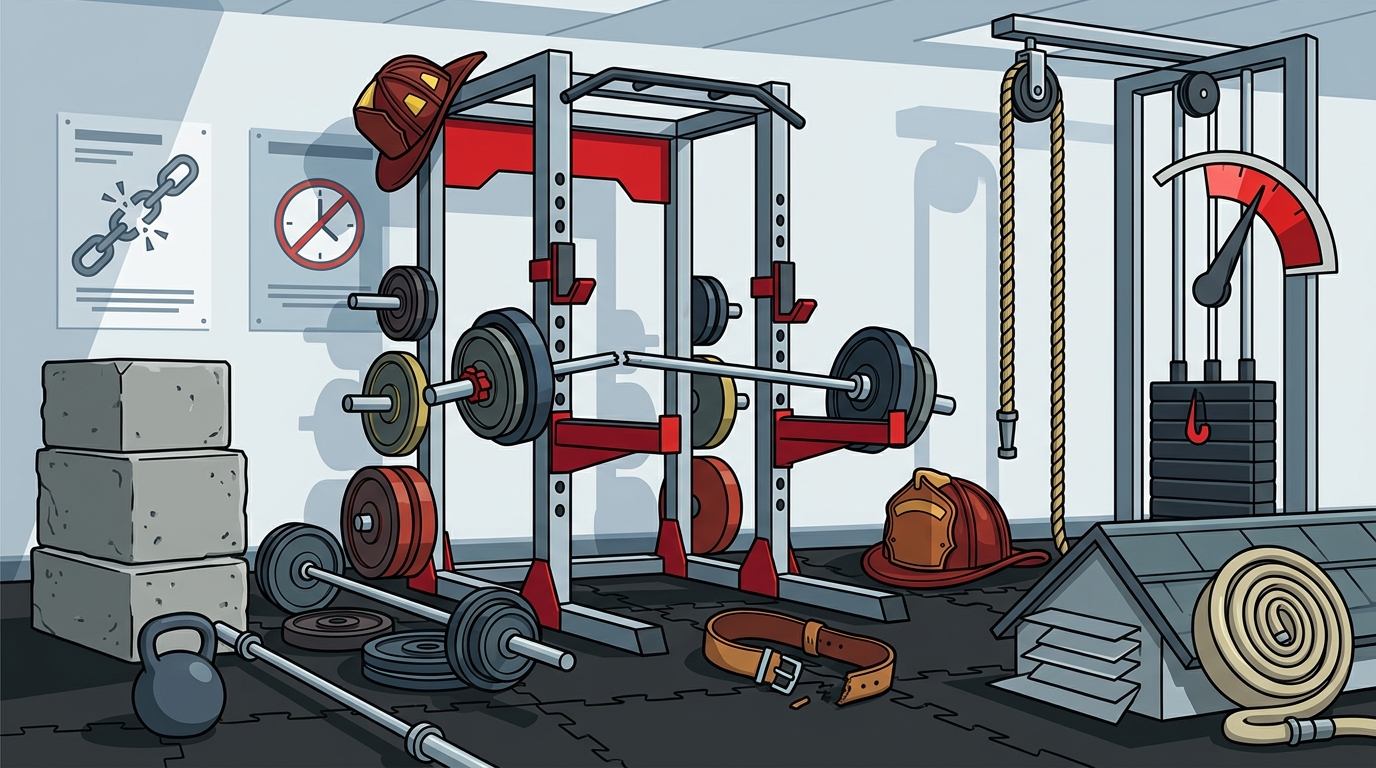
Perhaps the most significant mistake is attempting to navigate fitness alone without specialized guidance. General fitness advice found online is rarely tailored to the unique demands of the fire service. Firefighters need programming that accounts for their irregular schedules, existing physical wear and tear, and specific job-related goals.
Without a coach, firefighters may fall into the trap of doing too much too soon. This leads to burnout and injury. A qualified coach provides structure, accountability, and progressive overload strategies that ensure continuous improvement. They also help firefighters avoid common pitfalls by adjusting programming based on real-time feedback.
Joining a community of like-minded first responders can also provide the motivation and support needed to stay consistent. Our Private Community offers weekly group calls and 1:1 check-ins to keep firefighters on track. This level of support is invaluable for long-term success.
Comparison of Training Approaches
| Approach | Focus | Pros | Cons |
|---|---|---|---|
| Specialized Firefighter Coaching | Functional Strength & CPAT Prep | Tailored to job demands, injury prevention | Requires investment and commitment |
| Generic Bodybuilding | Muscle Aesthetics | Visible muscle growth | May neglect cardio and functional movement |
| Unstructured Gym Work | Random Exercises | Low cost, flexible | High risk of injury, poor results |
| Free Training Guides | Foundational Fitness | Accessible, good starting point | Lacks personalization and accountability |
Key Takeaways
- Firefighters must prioritize mobility to prevent injury and maintain range of motion.
- Cardiovascular endurance is as important as strength for on-scene performance.
- Focusing solely on aesthetics can lead to muscle imbalances and reduced functionality.
- Consistent nutrition and hydration strategies are essential for managing shift work.
- Specialized coaching provides the structure and accountability needed for long-term success.
- Our program has helped over 1,000 first responders regain their strength and confidence.
- Functional fitness training improves both job performance and overall quality of life.
Frequently Asked Questions
How often should firefighters train for strength?
Most firefighters benefit from 3 to 4 days of strength training per week, balanced with conditioning and recovery days. This frequency allows for adequate stimulus without overtraining.
What is the best way to prepare for the CPAT?
Preparing for the CPAT requires specific muscular endurance and anaerobic capacity. Training should mimic the test events, such as stair climbing and hose drags, rather than just lifting weights in the gym.
Can I train while working irregular shifts?
Yes, but flexibility is key. Our coaching programs adapt to your shift schedule, ensuring you get effective workouts regardless of when you work. Consistency matters more than perfection.
Why is mobility important for firefighters?
Mobility prevents injury and improves movement efficiency. Firefighters need to move well under load, and tight muscles can lead to compensatory patterns that cause pain and dysfunction.
How does nutrition impact firefighting performance?
Nutrition fuels your body for the demands of the job. Proper intake of protein, carbohydrates, and fats supports energy levels, recovery, and cognitive function during shifts.
What are the benefits of online coaching for firefighters?
Online coaching provides personalized programming, expert guidance, and community support. It allows firefighters to train effectively from anywhere, fitting around their busy schedules.
Is strength training safe for older firefighters?
Yes, when programmed correctly. Strength training can actually reverse age-related muscle loss and improve bone density. Our coaches tailor programs to individual needs and capabilities.
Start Your Transformation Today
Don't let common mistakes hold you back from reaching your full potential. Whether you are preparing for the CPAT, looking to improve your on-scene performance, or simply want to feel better in your own body, the right training program can make all the difference. Join the community of first responders who have transformed their fitness and their lives. Apply for coaching today and take the first step toward a stronger, healthier future.