
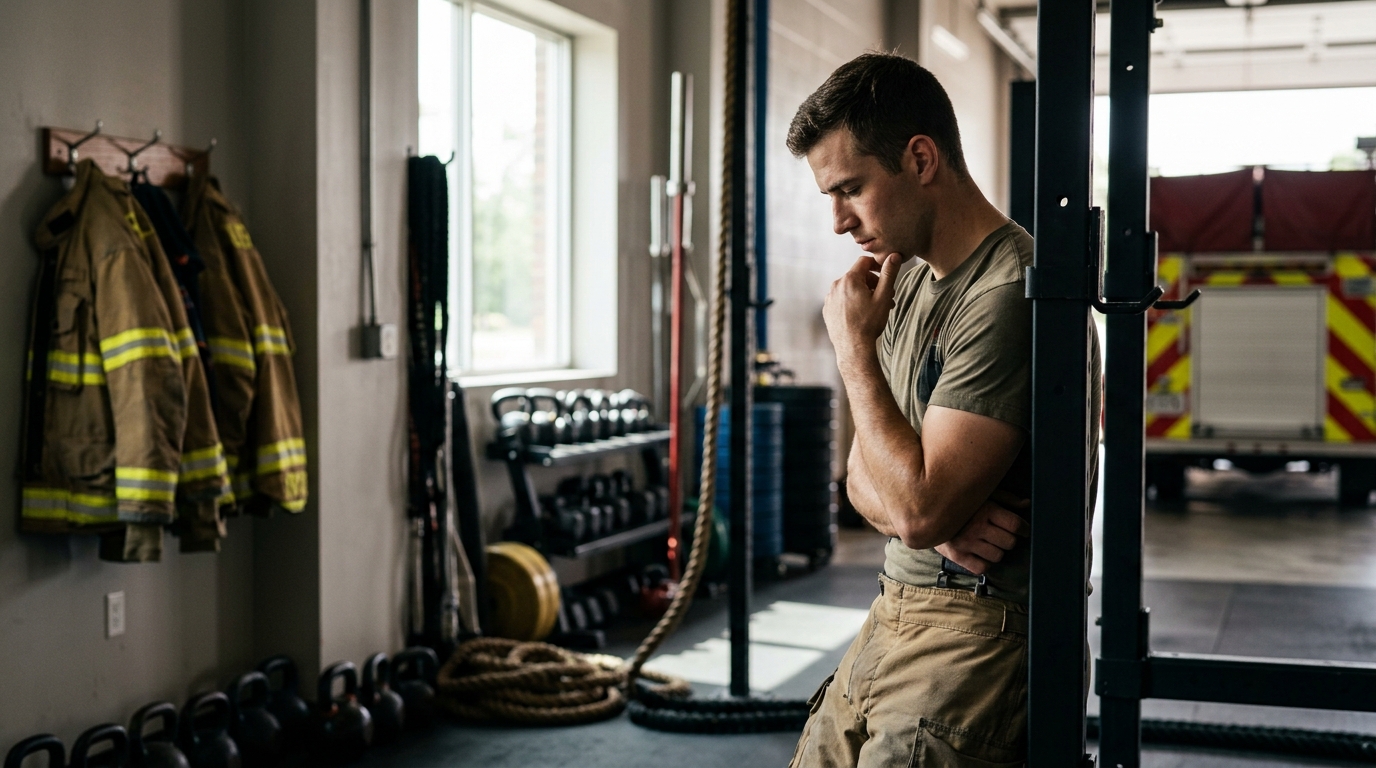
Choosing the wrong fitness regimen can compromise your career readiness and physical longevity. According to recent industry analyses, over 60% of first responders struggle with maintaining peak physical condition due to generic training plans that ignore the unique demands of the job. This statistic highlights a critical gap in the market for specialized coaching. Many firefighters fall into the trap of following generic gym routines that fail to build the specific functional strength required for rescue operations. Understanding these pitfalls is essential for protecting your health and ensuring you remain fit for duty.
Ignoring Job-Specific Demands
The most critical error firefighters make is selecting a program that does not mimic the physical stresses of the fireground. Firefighting is not a sport; it is a high-intensity, intermittent activity. It requires explosive power, sustained endurance, and extreme durability. A program focused solely on aesthetics or bodybuilding will leave you unprepared for the reality of dragging hoses or carrying victims.
Functional fitness is defined as the ability to perform real-world tasks efficiently and safely. This means training movements like lifting, carrying, pushing, and pulling in various planes of motion. Programs that ignore these mechanics fail to build the specific muscle groups needed for survival on a fire scene. You need a system that prepares your body for the unpredictability of emergency response.
Everyday Heroes Fitness addresses this by building programs specifically for first responders. Their approach ensures that every exercise contributes directly to job performance. This targeted methodology helps firefighters regain strength and confidence without wasting time on irrelevant exercises. Explore their specialized coaching to see how job-specific training differs from general fitness.
Neglecting Cardiovascular Endurance
Many firefighters prioritize heavy lifting while neglecting their cardiovascular health. This is a dangerous oversight. Firefighting requires a robust aerobic base to sustain effort over long periods. Without adequate cardio, you risk premature fatigue, which can be fatal in high-stress environments. The ability to maintain clear thinking while physically exhausted is a hallmark of elite first responders.
Cardiovascular endurance is the capacity of the heart and lungs to supply oxygen during sustained physical activity. For firefighters, this translates to the ability to work effectively in heavy gear for extended durations. Programs that lack progressive cardio integration will not prepare you for the demands of a working fire. You must train your heart to handle the stress of intense exertion followed by brief recovery periods.
Data shows that first responders who neglect cardio often struggle with recovery times after shifts. This can lead to long-term health issues and decreased job performance. Incorporating structured cardio sessions, such as running or interval training, is non-negotiable. Access free training guides to learn how to integrate cardio safely into your routine.
Overlooking Recovery and Mobility
Firefighters often view recovery as optional or a sign of weakness. This mindset leads to chronic injuries and burnout. The body adapts to stress during rest, not during the workout itself. Without adequate recovery, you accumulate fatigue that impairs performance and increases injury risk. Mobility work is equally critical for maintaining range of motion and preventing stiffness.
Mobility is the ability of a joint to move actively through its full range of motion. It is distinct from flexibility, which is passive. For firefighters, mobility ensures that you can reach, lift, and maneuver without pain or restriction. Programs that ignore mobility leave you vulnerable to common injuries like lower back pain and shoulder impingement.
Integrating mobility drills into your daily routine can significantly reduce injury rates. Simple exercises targeting the hips, ankles, and thoracic spine can make a huge difference. Check out the Mobility Masterclass for a routine designed to keep you moving better with less pain.
Choosing Generic Gym Routines
One of the most common mistakes is following generic bodybuilding or CrossFit routines without modification. These programs are designed for athletes or general fitness enthusiasts, not for the unique physiological demands of firefighting. They often lack the specific periodization needed to balance strength, endurance, and recovery.
Generic routines fail to account for the irregular shift schedules that firefighters endure. Working nights, weekends, and holidays disrupts circadian rhythms and recovery patterns. A program that requires rigid scheduling will likely fail when your shift changes. You need a flexible system that adapts to your life, not the other way around.
Customized programming takes your schedule, fitness level, and job requirements into account. It ensures that you are always training effectively, regardless of your shift. Discover customized coaching options that align with your specific needs and goals.
Ignoring Nutrition and Fueling
Fitness is not just about exercise; it is about fuel. Many firefighters neglect nutrition, relying on convenience foods that lack the necessary nutrients for recovery and performance. Poor nutrition leads to low energy, increased body fat, and slower recovery times. It undermines even the best training programs.
Nutrition is the science of providing the body with the food it needs to function optimally. For firefighters, this means balancing macronutrients to support muscle repair and energy expenditure. Macro guidance and meal planning are essential components of any serious fitness program. They provide the foundation for sustained energy and physical resilience.
Proper fueling can dramatically improve your performance on the fireground. It helps you maintain weight, build muscle, and recover faster. Learn more about macro guidance and how it supports first responder fitness.
Lacking Accountability and Support
Training alone often leads to inconsistency and stagnation. Without accountability, it is easy to skip workouts or cut corners. The isolation of solo training can also lead to mental fatigue and loss of motivation. A supportive community provides the encouragement needed to stay on track.
Accountability is the mechanism that ensures consistent effort and adherence to a plan. It involves regular check-ins, progress tracking, and peer support. For firefighters, having a community of peers who understand the unique challenges of the job is invaluable. It creates a sense of camaraderie and shared purpose.
Joining a program with a private community can transform your fitness journey. It provides access to expert advice and peer support. Join the private community to connect with other first responders on the same path.
Comparison of Fitness Program Types
| Program Type | Focus | Suitability for Firefighters | Key Limitation |
|---|---|---|---|
| Generic Bodybuilding | Muscle Aesthetics | Low | Lacks functional endurance |
| Generic CrossFit | High Intensity | Moderate | May ignore recovery needs |
| Specialized First Responder Coaching | Job-Specific Function | High | Requires commitment |
Key Takeaways
- Over 60% of first responders struggle with fitness due to generic programs.
- Functional fitness is essential for real-world task performance.
- Cardiovascular endurance prevents premature fatigue on the fireground.
- Recovery and mobility work reduce injury risk and improve longevity.
- Customized programming adapts to irregular shift schedules.
- Nutrition is critical for fueling high-intensity physical demands.
- Accountability and community support drive long-term consistency.
Frequently Asked Questions
What is the most important factor in choosing a firefighter fitness program?
The most important factor is job-specific relevance. The program must mimic the physical demands of firefighting, including strength, endurance, and mobility.
Why is cardio endurance critical for firefighters?
Cardio endurance allows firefighters to sustain effort in heavy gear without premature fatigue, which is crucial for safety and effectiveness on the fireground.
How does customized programming help firefighters?
Customized programming adapts to your shift schedule and fitness level, ensuring consistent progress without burnout or injury.
What role does nutrition play in firefighter fitness?
Nutrition provides the fuel needed for recovery and performance. Proper macro guidance supports muscle repair and sustained energy levels.
Why is accountability important in fitness?
Accountability ensures consistency. A supportive community provides encouragement and expert guidance, helping you stay on track.
Can I train effectively without a gym?
Yes, many effective programs use minimal equipment like kettlebells and bodyweight exercises. The focus is on functional movements, not expensive machines.
What is the difference between mobility and flexibility?
Mobility is active range of motion, while flexibility is passive. Firefighters need mobility to perform tasks safely and efficiently.
Ready to Transform Your Fitness?
Stop making common mistakes and start training like a professional. Join the 1,000+ first responders who have regained their strength and confidence. Apply for coaching today and take the first step toward a fitter, healthier career.