
Essential Criteria for Effective Firefighter Strength and Endurance Training
Physical readiness is not merely a professional advantage for first responders; it is a non-negotiable survival requirement. According to the National Institute for Occupational Safety and Health, firefighters face significantly elevated risks of cardiac events during operations due to the extreme physiological stress of wearing self-contained breathing apparatus (SCBA) in high-heat environments. This data shows that traditional gym workouts often fail to prepare the body for the specific, chaotic demands of the fireground. Effective training must bridge the gap between aesthetic fitness and operational capability, ensuring that every rep translates to on-scene performance. (Free Training Guides for)
Functional Movement Patterns Over Isolation
Traditional bodybuilding routines often prioritize isolated muscle groups, such as bicep curls or leg extensions. While these exercises build muscle, they do not replicate the multi-joint, full-body demands of firefighting. Functional fitness is the practice of training movements rather than individual muscles. This approach ensures that strength is developed in the planes of motion required for the job. (Online Coaching for Firefighters)
Firefighters regularly engage in tasks that require pushing heavy loads, pulling victims, climbing ladders, and breaking through barriers. These actions demand core stability, grip strength, and posterior chain power. Training programs built for the job must integrate compound movements like deadlifts, squats, and overhead presses. These exercises mimic the physical exertion of lifting a colleague with full gear, which can exceed 200 pounds.
Everyday Heroes Fitness emphasizes customized programming that aligns with these specific demands. By focusing on functional movements, firefighters can improve their ability to perform critical tasks without the risk of injury that comes from untrained, erratic exertion. This method ensures that strength gains are directly transferable to the fireground.
Metabolic Conditioning for Shift Work
Endurance in firefighting is not about running a marathon at a steady pace. It is about the ability to perform high-intensity bursts of activity followed by periods of relative rest. This physiological demand is known as anaerobic capacity. Anaerobic capacity is the ability of the body to produce energy without the immediate use of oxygen. This system is crucial for short, explosive efforts like forcing entry or searching a smoke-filled room.
Effective conditioning must simulate the unpredictability of emergency calls. Interval training, such as high-intensity interval training (HIIT), is essential for developing this capacity. These workouts alternate between short bursts of maximum effort and brief recovery periods. This mimics the adrenaline dump and subsequent fatigue experienced during a call.
Furthermore, training must account for the added load of personal protective equipment (PPE). Cardiovascular endurance is significantly reduced when wearing a SCBA and turnout gear. Programs that incorporate weighted carries and simulated gear drills help firefighters adapt their heart rate and breathing to these conditions. This adaptation is vital for maintaining cognitive function during high-stress operations.
CPAT Preparation and Standardized Testing
For those seeking to enter the profession or maintain their certification, the Candidate Physical Ability Test (CPAT) is the gold standard. This test evaluates a candidate's ability to perform the essential duties of a firefighter. The CPAT is a standardized physical assessment used by fire departments across the United States. It consists of a series of events designed to simulate real-world tasks.
The CPAT includes events such as the stair climb, hose drag, equipment carry, forcible entry, search, rescue, and clock drill. Each event requires a specific blend of strength, endurance, and agility. Failing to meet the minimum standards in any event results in failure, regardless of overall fitness levels. This highlights the importance of sport-specific training.
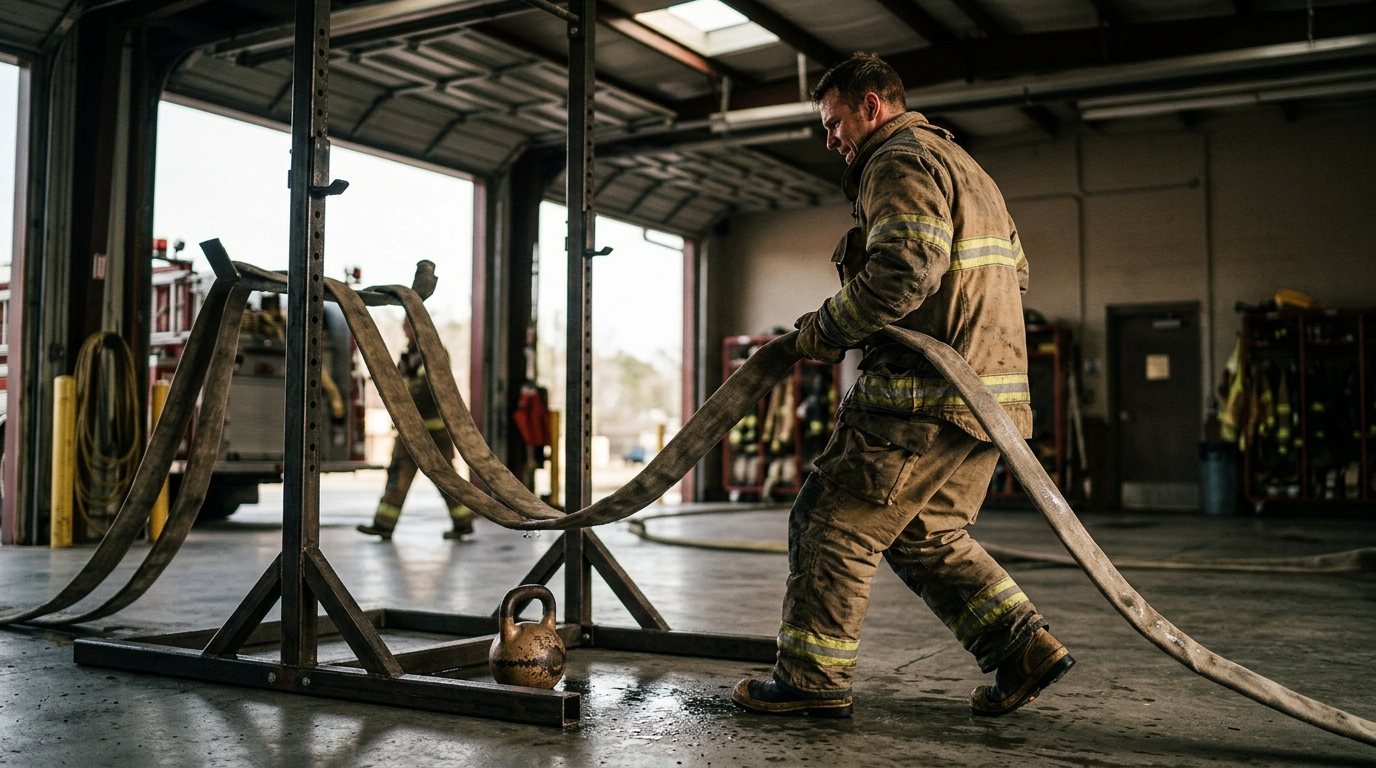
Training for the CPAT requires more than just general fitness. It demands practice with the specific equipment and movements tested. For example, the hose drag event requires grip strength and shoulder endurance that are rarely developed in a standard gym. By incorporating CPAT prep into a regular routine, firefighters can ensure they are ready for testing at any time. This proactive approach reduces anxiety and increases the likelihood of success.
Mobility and Injury Prevention
Firefighting is a physically demanding career that takes a toll on the body over time. Repetitive heavy lifting, climbing, and crawling can lead to chronic joint pain and soft tissue injuries. Mobility is the ability of a joint to move actively through its full range of motion. Maintaining mobility is critical for preventing injuries and ensuring long-term career longevity.
Key areas of focus for firefighter mobility include the hips, shoulders, and thoracic spine. Tight hips can limit squat depth and increase lower back strain. Restricted shoulder mobility can impair overhead lifting and increase the risk of rotator cuff injuries. A dedicated mobility routine can address these limitations and improve overall movement quality.
Recovery is equally important. Without adequate rest, the body cannot repair the micro-tears caused by intense training. This leads to overtraining syndrome, characterized by fatigue, decreased performance, and increased injury risk. Strategies such as foam rolling, stretching, and proper sleep hygiene are essential for effective recovery. Integrating mobility work into daily routines helps maintain joint health and reduces stiffness.
Nutrition and Recovery Protocols
Fuel is the foundation of performance. Firefighters require a diet that supports high energy expenditure and rapid recovery. Nutrition is the process of consuming food in order to sustain life and growth. For first responders, this means prioritizing nutrient-dense foods that provide sustained energy without causing energy crashes.
Protein intake is crucial for muscle repair and maintenance. Carbohydrates provide the primary fuel source for high-intensity efforts. Healthy fats support hormone production and joint health. A balanced diet tailored to the individual's training load ensures that the body has the resources it needs to perform at its best.
Hydration is another critical component. Dehydration significantly impairs cognitive function and physical performance. Firefighters should aim to drink water consistently throughout the day, not just during training. Electrolyte balance is also important, especially after intense sessions or during hot weather. Proper nutrition and hydration strategies are key to maintaining peak physical condition.
Comparison of Training Methodologies
Not all training methods are created equal. Understanding the differences between various approaches helps firefighters choose the most effective path for their goals. The table below compares common training methodologies used by first responders.
| Methodology | Primary Focus | Best For | Limitations |
|---|---|---|---|
| Bodybuilding | Muscle hypertrophy and aesthetics | Competitive physique athletes | Lacks functional carryover to job tasks |
| Powerlifting | Maximal strength in three lifts | Strength athletes | May neglect endurance and mobility |
| Functional Fitness | Movement patterns and work capacity | Firefighters and first responders | Requires careful programming to avoid injury |
| Calisthenics | Bodyweight strength and control | Home-based training | Can be difficult to progress load |
Functional fitness stands out as the most appropriate choice for firefighters. It combines strength, endurance, and mobility into cohesive workouts that mimic job demands. This holistic approach ensures that firefighters are prepared for the physical challenges they will face on the fireground.
Key Takeaways
- Functional Over Isolation: Prioritize compound movements that mimic firefighting tasks rather than isolated muscle exercises.
- Anaerobic Capacity: Develop high-intensity interval training to simulate the burst-and-recover nature of emergency calls.
- CPAT Readiness: Regularly practice specific CPAT events to ensure certification and operational readiness.
- Mobility is Critical: Dedicate time to hip, shoulder, and thoracic spine mobility to prevent chronic injuries.
- Nutrition Fuels Performance: Maintain a balanced diet rich in protein, carbohydrates, and healthy fats to support recovery.
- Hydration Matters: Consistent hydration and electrolyte balance are essential for cognitive and physical performance.
- Community Support: Engaging with a community of peers, such as the private community offered by Everyday Heroes Fitness, enhances accountability and motivation.
Frequently Asked Questions
How often should firefighters train for strength and endurance?
Most effective programs recommend three to five days of training per week. This frequency allows for adequate stimulus while providing sufficient recovery time. Consistency is more important than intensity in the long run.
What is the most important component of firefighter fitness?
Functional strength and anaerobic endurance are the most critical components. These attributes directly impact the ability to perform job tasks safely and effectively under stress.
Can I train for the CPAT without a gym?
Yes, many CPAT events can be simulated with minimal equipment. However, a gym provides access to weights and machines that can enhance strength development. Resources like the 4-Day Kettlebell Foundations program offer effective home-based alternatives.
How does gear affect cardiovascular performance?
Wearing full PPE and SCBA can reduce cardiovascular efficiency by up to 30 percent. Training with simulated gear helps the body adapt to this added burden and improves overall work capacity.
What role does mobility play in injury prevention?
Mobility work ensures that joints move freely and correctly. This reduces the risk of strains and sprains during heavy lifting or dynamic movements. It is a key component of long-term career health.
How can I improve my grip strength for firefighting?
Grip strength can be improved through exercises like deadlifts, farmer's carries, and hanging from a pull-up bar. Specific grip tools and routines can also target forearm muscles effectively.
Is nutrition more important than training?
Both are equally important. Training provides the stimulus for adaptation, while nutrition provides the building blocks for repair and growth. Neglecting either will hinder progress.
Start Your Transformation
Effective firefighter training requires more than just effort; it requires a strategic, evidence-based approach. Everyday Heroes Fitness provides the structure, expertise, and community support needed to achieve peak physical condition. Our online coaching program is designed specifically for first responders, offering customized programming, macro guidance, and weekly check-ins. Join the 1,000+ first responders who have regained their strength and confidence. Apply for coaching today and take the first step toward a fit-for-duty future.