
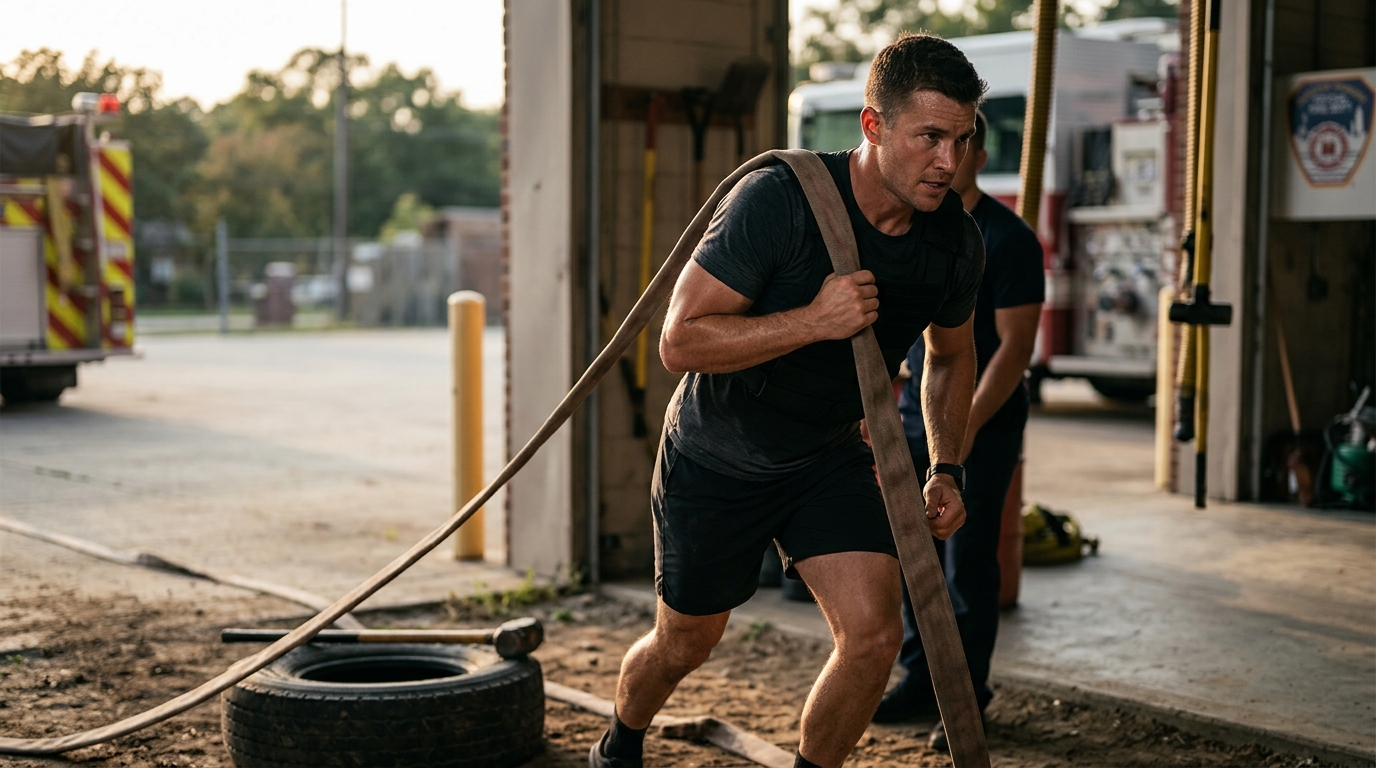
Firefighter Fitness: Functional Training for Duty Readies
Physical readiness is not merely an aesthetic goal for first responders; it is a critical operational requirement. According to the National Fire Protection Association, the majority of firefighter line-of-duty deaths are related to cardiac events, often triggered by the extreme physical stress of emergency operations. This data underscores why generic gym routines fail to prepare personnel for the unique biomechanical demands of the fireground. Effective training must bridge the gap between gym strength and on-scene performance, ensuring that every shift is met with peak physiological capacity. (Free Training Guides for)
Why Functional Fitness Matters for First Responders
Firefighting is one of the most physically demanding professions in existence. The job requires explosive power, sustained endurance, and exceptional mobility under heavy loads. Standard bodybuilding or isolation exercises do not replicate the chaotic, multi-planar movements required during a rescue. Functional fitness focuses on movements that mimic real-world tasks, such as lifting, dragging, climbing, and carrying gear.
When a firefighter engages in functional training, they are building a resilient body capable of handling the unpredictability of the fireground. This approach reduces the risk of injury, which is a significant concern in the industry. A study by the International Association of Fire Fighters highlights that musculoskeletal injuries are among the most common causes of lost time for firefighters. By prioritizing functional movement patterns, personnel can mitigate these risks while enhancing their overall job performance.
The mental aspect of fitness is equally important. The confidence gained from knowing your body can handle extreme stress translates directly to better decision-making during emergencies. This is where specialized coaching becomes invaluable, providing a structured path to peak readiness.
The Core Training Philosophy
At the heart of effective firefighter fitness is the concept of "fit for duty, fit for life." This philosophy recognizes that the physical demands of the job extend beyond the station. First responders must maintain their health and longevity to serve their communities effectively for decades. The training must be sustainable, adaptable to shift work, and focused on long-term resilience rather than short-term gains.
One key definition in this context is: Functional Fitness is a training methodology that focuses on exercises mimicking real-world activities to improve daily performance and reduce injury risk. This definition distinguishes it from traditional bodybuilding, which often prioritizes muscle size over functional capacity.
Another critical concept is: CPAT is the Candidate Physical Ability Test, a standardized exam used by fire departments to assess a candidate's physical readiness for the job. Preparing for this test requires specific conditioning that goes beyond general fitness. It demands a blend of anaerobic power and aerobic endurance, which must be developed through targeted programming.
The training also emphasizes mobility. Firefighters often suffer from tight hips, shoulders, and lower backs due to the nature of their work. Incorporating mobility work into the routine ensures that joints remain healthy and movement patterns remain efficient. This is not just about flexibility; it is about maintaining the range of motion necessary to perform tasks safely.
Key Program Components
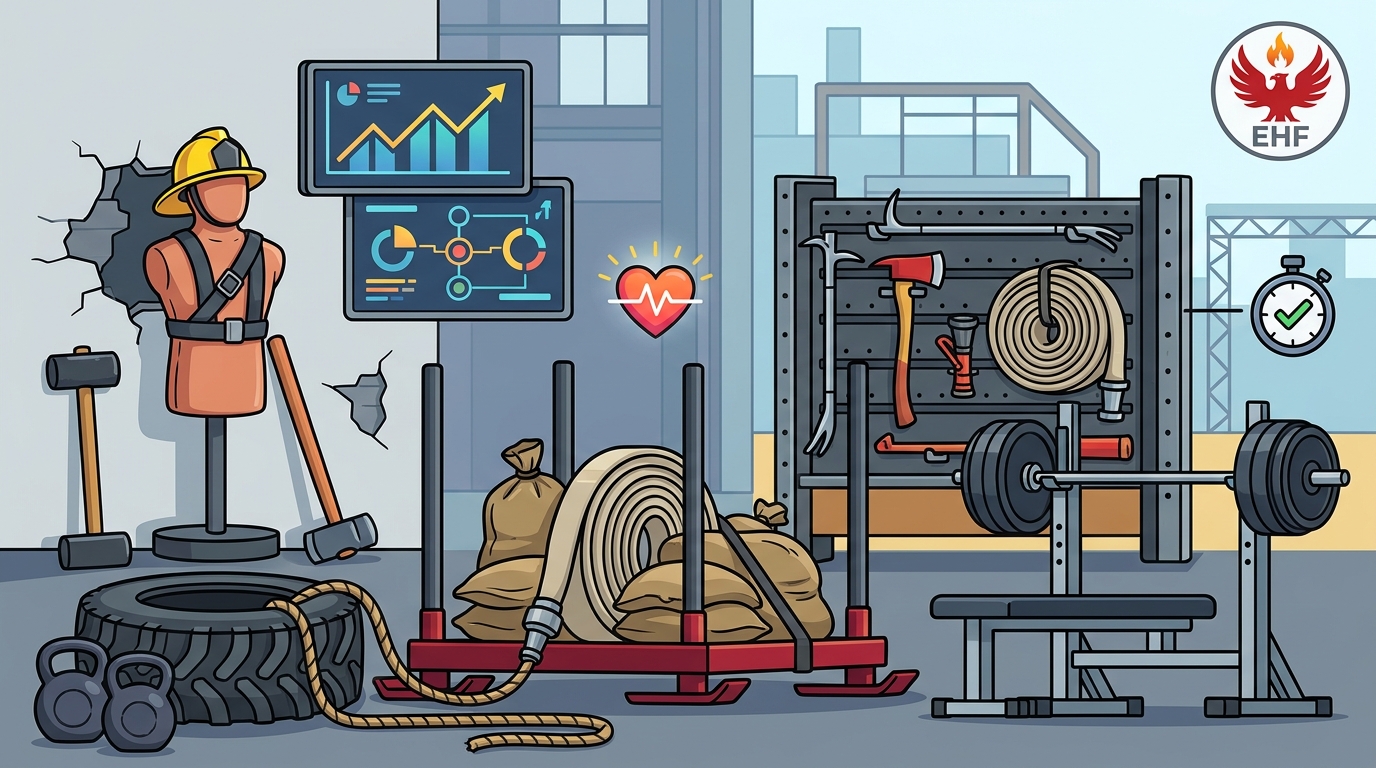
A comprehensive firefighter fitness program includes several essential components. These elements work together to create a balanced and effective training regimen. Each component addresses a specific aspect of physical performance, ensuring that no area is neglected.
Strength and Power Development
Strength is the foundation of firefighter fitness. However, it is not just about lifting heavy weights. It is about generating force quickly and efficiently. Exercises such as deadlifts, squats, and overhead presses are staples in this phase. These movements build the raw power needed to carry victims, break doors, and maneuver heavy equipment.
Power development is equally important. Power is the ability to exert maximum force in the shortest amount of time. This is crucial for tasks like climbing ladders or making rapid movements during a rescue. Plyometric exercises and Olympic lifts are often incorporated to develop this attribute.
Cardiovascular Endurance
Firefighting is an aerobic and anaerobic sport. Firefighters must sustain high levels of effort for extended periods while wearing self-contained breathing apparatus (SCBA). Cardiovascular training must reflect this demand. High-intensity interval training (HIIT) and steady-state cardio are both essential components of the program.
HIIT mimics the stop-and-go nature of emergency responses. It improves the body's ability to recover quickly between bursts of intense activity. Steady-state cardio builds the aerobic base necessary for sustained effort. Together, these methods ensure that firefighters can handle the physical demands of a long shift.
Mobility and Recovery
Mobility is the final pillar of functional fitness. It ensures that the body can move freely and efficiently through its full range of motion. This is particularly important for firefighters who spend hours in confined spaces or under heavy loads. Mobility work includes dynamic stretching, foam rolling, and targeted yoga flows.
Recovery is equally critical. Without adequate rest and recovery, the body cannot adapt to the stress of training. This includes proper sleep, nutrition, and active recovery techniques. Ignoring recovery leads to burnout and increased injury risk, which undermines the entire training effort.
Training vs. Standard Gym Workouts
Many firefighters attempt to train using standard gym routines. While these can provide some benefits, they often fall short of addressing the specific needs of the job. Standard workouts often focus on isolated muscle groups, which does not translate well to the multi-joint movements required in firefighting.
Here is a comparison of the two approaches:
| Feature | Standard Gym Workout | Functional Firefighter Training |
|---|---|---|
| Focus | Muscle isolation and aesthetics | Movement patterns and job simulation |
| Equipment | Machines and dumbbells | Kettlebells, bars, and bodyweight |
| Cardio | Steady-state treadmill work | High-intensity intervals and load carriage |
| Outcome | General fitness | Duty readiness and injury prevention |
As you can see, functional training is specifically designed to prepare the body for the unique challenges of firefighting. It prioritizes performance over appearance, ensuring that every rep contributes to job readiness.
Nutrition and Recovery Strategies
Nutrition plays a vital role in firefighter fitness. The body requires specific fuels to perform at its best. A balanced diet rich in lean proteins, complex carbohydrates, and healthy fats provides the energy needed for intense training sessions. Proper hydration is also essential, especially for those who wear SCBA in hot environments.
Recovery strategies are equally important. This includes getting adequate sleep, managing stress, and incorporating active recovery days into the weekly routine. Active recovery might include light yoga, swimming, or walking. These activities help to flush out metabolic waste products and promote muscle repair.
One important definition is: Macro Guidance is the practice of tracking macronutrients (proteins, carbohydrates, and fats) to optimize body composition and performance. This approach ensures that firefighters are consuming the right balance of nutrients to support their training demands.
Another key concept is: Shift Work Adaptation is the process of adjusting training and nutrition schedules to accommodate irregular work hours. This is crucial for firefighters who work 24-hour shifts or rotating schedules. It ensures that training remains effective regardless of the work calendar.
Key Takeaways
- Functional fitness focuses on real-world movements that mimic firefighting tasks, enhancing job performance.
- Cardiovascular endurance is critical for sustaining effort while wearing heavy gear and SCBA.
- Mobility work reduces injury risk and maintains joint health for long-term career longevity.
- CPAT preparation requires specific anaerobic and aerobic conditioning beyond general fitness.
- Nutrition and recovery are essential components of any effective training program.
- Specialized coaching provides accountability and tailored programming for first responders.
- Over 1,000 first responders have successfully transformed their fitness through dedicated coaching programs.
Frequently Asked Questions
What is the best type of training for firefighters?
Functional fitness is the most effective type of training for firefighters. It combines strength, power, endurance, and mobility to prepare the body for the specific demands of the job.
How can I prepare for the CPAT?
Preparing for the CPAT requires specific conditioning that mimics the test events. This includes stair climbing, hose drags, and victim carries. A structured program that gradually increases intensity is essential.
Is nutrition important for firefighter fitness?
Yes, nutrition is crucial. It provides the energy needed for training and supports recovery. A balanced diet tailored to your activity level helps optimize performance and body composition.
How often should I train?
Most firefighters benefit from training 3 to 4 times per week. This allows for adequate stimulus while providing enough recovery time. The exact frequency depends on your current fitness level and goals.
Can I train at home?
Yes, many functional exercises can be performed at home with minimal equipment. Kettlebells, resistance bands, and bodyweight exercises are effective tools for home training.
What is the role of a coach in firefighter fitness?
A coach provides personalized programming, accountability, and expert guidance. They help you navigate the complexities of training for a specific profession, ensuring you stay on track.
How long does it take to see results?
Results vary depending on individual factors, but most people see significant improvements in strength and endurance within 6 to 8 weeks of consistent training.
Start Your Transformation
Ready to take your fitness to the next level? Join the community of first responders who have transformed their lives through specialized coaching. Visit Everyday Heroes Fitness to learn more about our online coaching program. Our team is dedicated to helping you achieve your goals and become the best version of yourself. Apply today and start your journey to peak performance.