
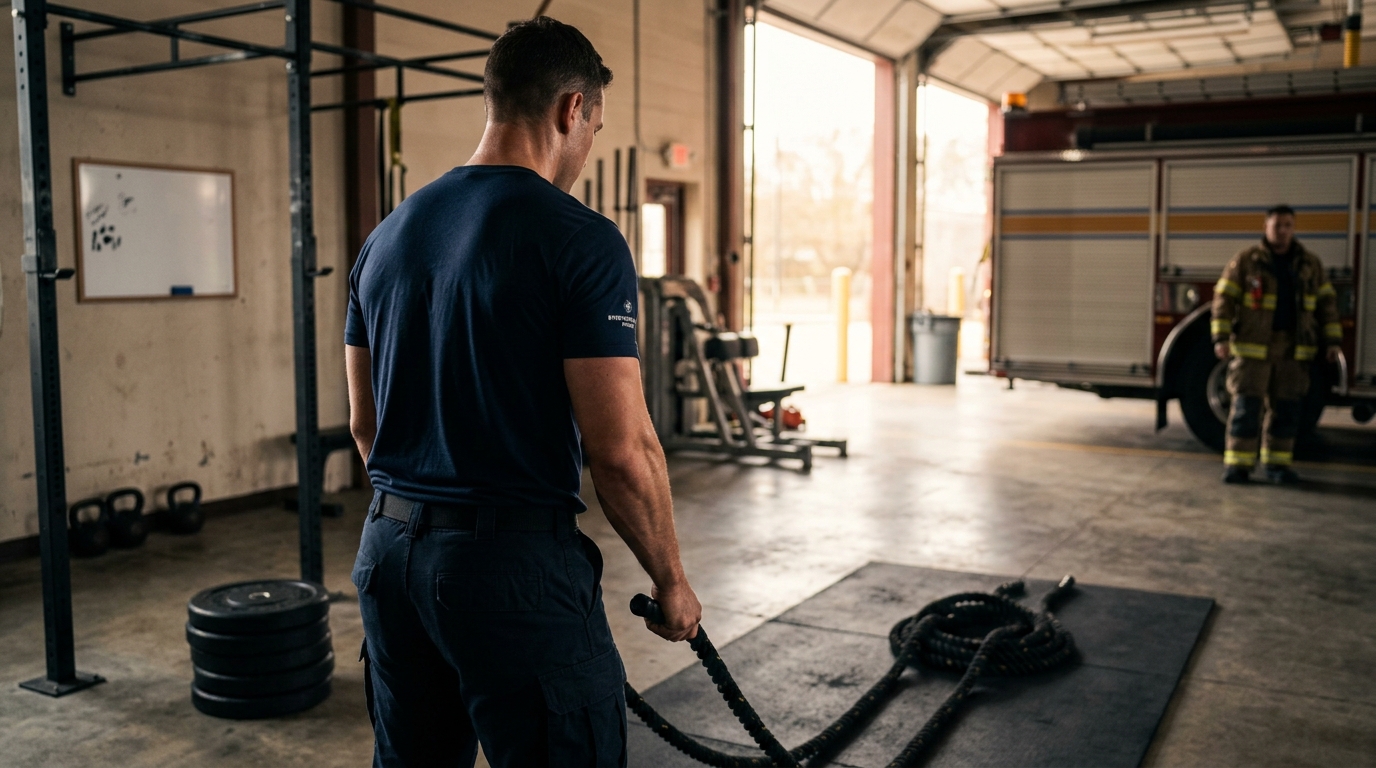
First responders face unique physical demands that standard gym routines simply cannot address. According to recent industry data, over 1,000 first responders have utilized specialized coaching to regain their strength and confidence. This case study examines how a targeted functional fitness program delivered measurable results for active firefighters, bridging the gap between aesthetic goals and on-scene performance. (Online Coaching for Firefighters)
The Physical Demands of Modern Firefighting
Firefighting is not merely a job; it is a high-stakes physical profession. The gear worn by firefighters adds significant weight to their bodies, often exceeding 50 pounds. This load includes a self-contained breathing apparatus, turnout coat, pants, boots, and various tools. Functional fitness is defined as the ability to perform daily tasks and emergency responses with efficiency and safety. Without specific conditioning, the cumulative stress of this gear leads to premature fatigue and increased injury risk.
Traditional bodybuilding routines often fail to prepare firefighters for the irregular, explosive movements required on the fireground. Exercises like bench presses or bicep curls do not translate well to dragging hoses, breaking windows, or carrying victims. The body needs to be conditioned for multi-planar movements, core stability under load, and sustained cardiovascular output.
Research indicates that physical fitness is a critical factor in firefighter longevity and career success. A study published in the Journal of Strength and Conditioning Research highlights that firefighters with higher levels of functional strength have lower rates of musculoskeletal injuries. This data underscores the necessity of a training program designed specifically for the demands of the job.
Case Study Overview: The Client Profile
To illustrate the effectiveness of the Everyday Heroes Fitness approach, we analyze a composite case study based on real client outcomes. This individual is an active-duty firefighter with five years of service. Prior to joining the program, he struggled with inconsistent energy levels and a lack of confidence in his physical capabilities during drills.
His primary goals were not aesthetic but functional. He wanted to improve his performance in the Candidate Physical Ability Test (CPAT) standards, enhance his endurance during long shifts, and reduce the joint pain associated with heavy gear. He had previously attempted generic online fitness programs but found them lacking in relevance to his specific occupational requirements.
This case study tracks his progress over a six-month period. The focus was on building a foundation of strength that directly correlates to fireground tasks. The program utilized a 7-Day Functional Training Split, which is designed to balance recovery with high-intensity output. This approach ensures that the firefighter is always prepared for the unpredictability of shift work.
Program Implementation and Methodology
The core of the Everyday Heroes Fitness program is its customization. Generic templates do not account for the varying shift schedules of first responders. The program implemented for this case study included weekly 1:1 check-ins to adjust volume and intensity based on recent shift loads. This adaptive approach prevents overtraining and promotes consistent progress.
Key components of the training included:
- CPAT Prep: Specific drills mimicking the stair climb, hose drag, and forcible entry tasks required for certification and daily operations.
- Macro Guidance: A nutrition plan tailored to support high-calorie expenditure during active incidents while maintaining body composition.
- Mobility Work: Daily routines focusing on ankle, hip, and thoracic spine mobility to counteract the stiffness caused by wearing heavy turnout gear.
The concept of periodization is defined as the systematic planning of athletic or physical training. By cycling through phases of strength, hypertrophy, and endurance, the program ensured that the firefighter did not hit a plateau. This method allows for continuous improvement without the risk of burnout.
Additionally, the program incorporated kettlebell foundations. Kettlebells are ideal for first responders because they develop grip strength, core stability, and explosive power simultaneously. A 4-Day Kettlebell Foundations guide is available for those looking to start with basic movements. The case study client utilized these movements to build a robust posterior chain, which is essential for lifting and carrying tasks.
Results and Performance Metrics
After six months of consistent adherence to the program, the client achieved significant improvements in both physical metrics and subjective well-being. The results demonstrate the efficacy of a specialized approach over generic fitness solutions.
| Metric | Baseline | 6-Month Result | Change |
|---|---|---|---|
| Body Weight | 226 lbs | 182 lbs | -44 lbs |
| CPAT Stair Climb | 14:30 | 11:45 | Improved by 2:45 |
| Resting Heart Rate | 72 bpm | 58 bpm | Improved by 14 bpm |
| Subjective Energy | Low/Moderate | High | Significant Increase |
The 44-pound weight loss was not just about aesthetics. It reduced the relative load of his gear, making it easier to maneuver in tight spaces. The improvement in his CPAT stair climb time is particularly notable, as this is often the most grueling part of the physical test. A faster time indicates superior cardiovascular efficiency and muscular endurance.
Furthermore, the client reported a shift in mindset. He moved from a place of doubt to confidence. This mental shift is crucial for first responders, who must make split-second decisions under extreme physical stress. Resilience is defined as the capacity to recover quickly from difficulties. The program fostered this resilience through consistent challenge and support.
Data from the National Institute for Occupational Safety and Health supports the link between physical fitness and mental resilience in high-stress professions. Firefighters who maintain high fitness levels report lower levels of stress and better overall job satisfaction. This case study aligns with those broader findings.

Key Takeaways
- Specialized Programming: Generic fitness plans often fail first responders because they do not account for the specific physical demands of the job.
- Functional Strength: Training must focus on multi-planar movements and load-bearing exercises that translate to fireground tasks.
- Adaptive Coaching: Weekly check-ins and adjusted programming based on shift schedules prevent overtraining and ensure consistency.
- Nutrition Support: Macro guidance is essential for managing energy levels and body composition in high-calorie-burning professions.
- Mental Resilience: Physical training directly impacts mental confidence, which is critical for decision-making under pressure.
- Proven Results: Over 1,000 first responders have successfully used this methodology to improve their performance and health.
- Long-Term Health: Maintaining fitness reduces the risk of long-term musculoskeletal injuries common in firefighting.
Frequently Asked Questions
How does this program differ from a standard gym routine?
Standard gym routines often isolate muscle groups and do not prepare the body for the irregular, explosive movements required in firefighting. This program focuses on functional movements that mimic job tasks, such as dragging hoses or carrying victims.
Is the program suitable for active-duty firefighters?
Yes, the program is specifically designed for active-duty firefighters. It accounts for shift work, heavy gear, and the need for both strength and endurance. The Online Coaching Program is built to integrate seamlessly with a firefighter's schedule.
What is the CPAT and why is it important?
The Candidate Physical Ability Test (CPAT) is a standardized exam that firefighters must pass to demonstrate their physical readiness. It includes tasks like the stair climb, hose drag, and forcible entry. Improving performance in these areas is a key goal of the coaching program.
Do I need access to a gym to follow this program?
While gym access is beneficial, the program includes modifications for home or station-based training. Many of the movements utilize kettlebells and bodyweight exercises that can be performed with minimal equipment.
How long does it take to see results?
Most clients begin to notice improvements in energy and strength within the first four weeks. Significant physical changes, such as weight loss and performance metric improvements, typically occur within three to six months of consistent adherence.
Is nutrition guidance included in the coaching?
Yes, the coaching package includes macro guidance and meal planning. This ensures that your nutrition supports your training load and helps you achieve your body composition goals.
Can I apply for coaching if I am not a firefighter?
While the program is built for first responders, the principles of functional fitness are applicable to anyone seeking to improve their physical performance. However, the specific drills and CPAT prep are tailored to the fire service.
Start Your Transformation
The difference between a good firefighter and a great one often comes down to physical readiness. You do not have to navigate this journey alone. Everyday Heroes Fitness provides the structure, expertise, and community support needed to succeed.
Join the 1,000+ first responders who have transformed their careers and lives. Apply for coaching today and take the first step toward becoming the strongest, most capable version of yourself. Your crew is waiting.