
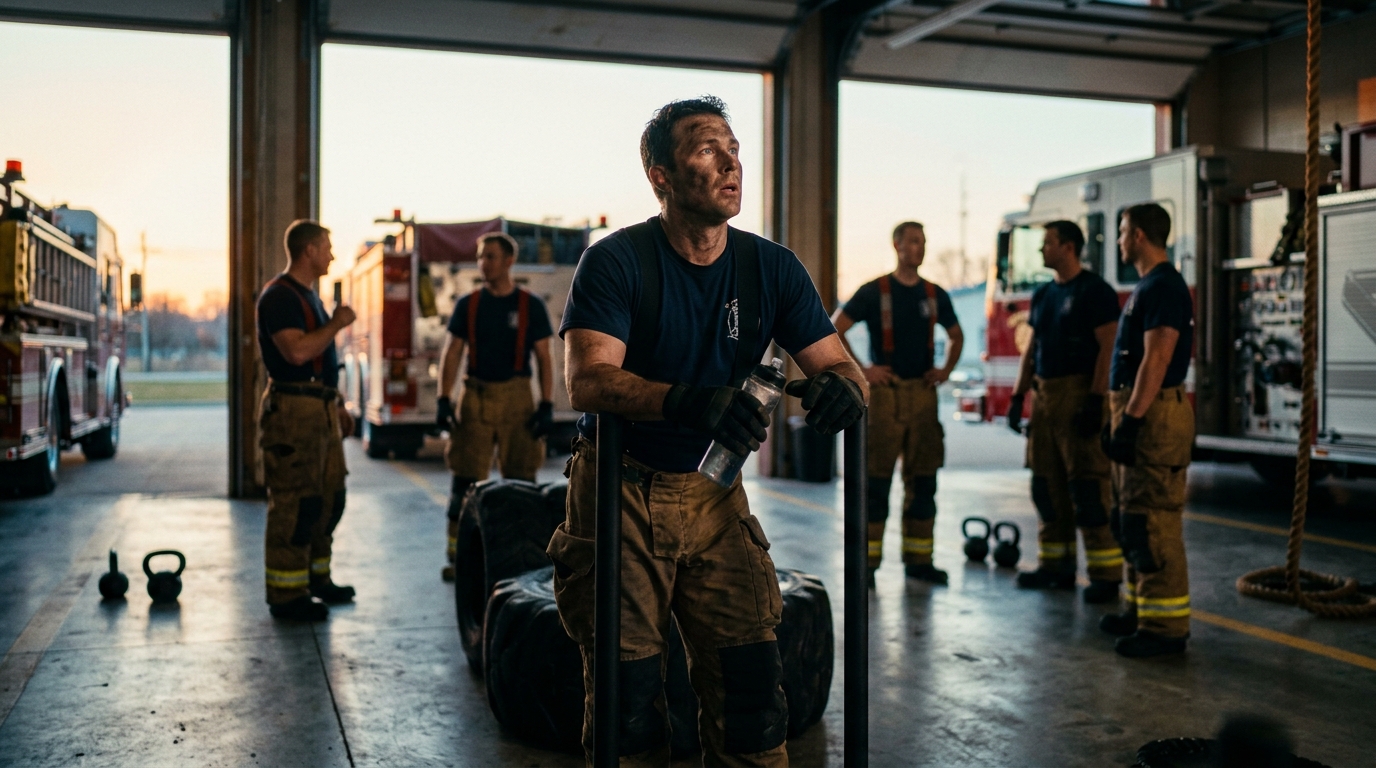
Results You'll Achieve From a Firefighter-Specific Fitness Program
Physical readiness is not merely an aesthetic goal for first responders; it is a critical component of survival and operational effectiveness. According to data from the National Institute for Occupational Safety and Health, firefighters face significantly higher risks of cardiac events during and after emergency responses due to extreme physiological stress. This reality underscores why generic gym routines fail to address the unique demands of the job. A specialized fitness program bridges the gap between general health and job-specific readiness, ensuring that every shift is met with peak physical capability. (Online Coaching for Firefighters)
Functional Strength and Endurance Gains
Traditional bodybuilding splits often isolate muscle groups in ways that do not translate to the fireground. A firefighter-specific program prioritizes compound movements and full-body integration. This approach ensures that strength is developed in patterns that mimic real-world tasks, such as dragging victims, forcing doors, and climbing stairs with heavy gear.
Participants in specialized coaching programs frequently report dramatic improvements in their ability to handle heavy loads. For instance, one firefighter noted that after lifting a colleague with full gear through a window, his lieutenants identified it as the quickest Denver drill they had witnessed. This level of functional power is not achieved through isolation exercises but through targeted, job-relevant conditioning.
The result is a body that is not just strong, but useful. Strength becomes a tool for survival, allowing you to execute tasks with efficiency and reduced fatigue. This is the core definition of functional fitness: training that directly enhances your ability to perform daily occupational tasks.
Cardiovascular Health and Recovery
Firefighting is one of the most physically demanding professions, placing immense strain on the heart. The combination of heavy protective equipment, high temperatures, and intense physical exertion creates a perfect storm for cardiovascular stress. Improving your VO2 max and aerobic base is essential for maintaining performance during long incidents.
Specialized programs incorporate cardio and mobility work that respects the firefighter's shift schedule. This ensures that you are building endurance without overtraining, which is a common pitfall for those trying to balance work, family, and fitness. Many members have reported that they no longer "gas out" during scuffles or long searches, allowing them to think clearly and write reports even after intense physical exertion.
Cardiovascular health is the foundation of longevity in this career. By systematically improving your heart's efficiency, you reduce the risk of cardiac events and improve your overall quality of life. This is not just about passing a test; it is about staying healthy for decades in a high-risk profession.
CPAT Preparation and Testing Success
For those looking to enter the fire service or advance their careers, the Candidate Physical Ability Test (CPAT) is a formidable hurdle. This test is not just a fitness assessment; it is a simulation of actual firefighting tasks. Failing the CPAT is often due to a lack of specific conditioning rather than a lack of raw strength.
A dedicated CPAT prep module within a coaching program provides the exact specificity needed to pass. This includes practicing the stair climb with weight, the hose drag, and the forcible entry simulation with proper technique and pacing. The goal is to build the specific energy systems required for each event, ensuring you do not burn out before the final test.
Success in the CPAT is a direct result of targeted preparation. By aligning your training with the test's demands, you transform a potential barrier into a manageable challenge. This is the definition of CPAT prep: structured training that mirrors the physical and mental demands of the certification exam.
Mental Resilience and Confidence
The mental aspect of fitness is often overlooked but is equally critical. The discipline required to train consistently, especially during long shifts and stressful periods, builds mental toughness. This toughness translates directly to the fireground, where calm and decisive action are required.
Many members describe a significant mindset shift after joining a specialized program. The journey from "I can't" to "let's give it a go" is a common theme among those who commit to the process. This shift is not just about physical capability; it is about self-belief and confidence in your ability to handle adversity.
Confidence in your physical abilities reduces anxiety during emergencies. When you know your body can handle the load, your mind is free to focus on strategy and safety. This is the definition of mental resilience: the capacity to withstand stress and recover quickly from difficult situations.
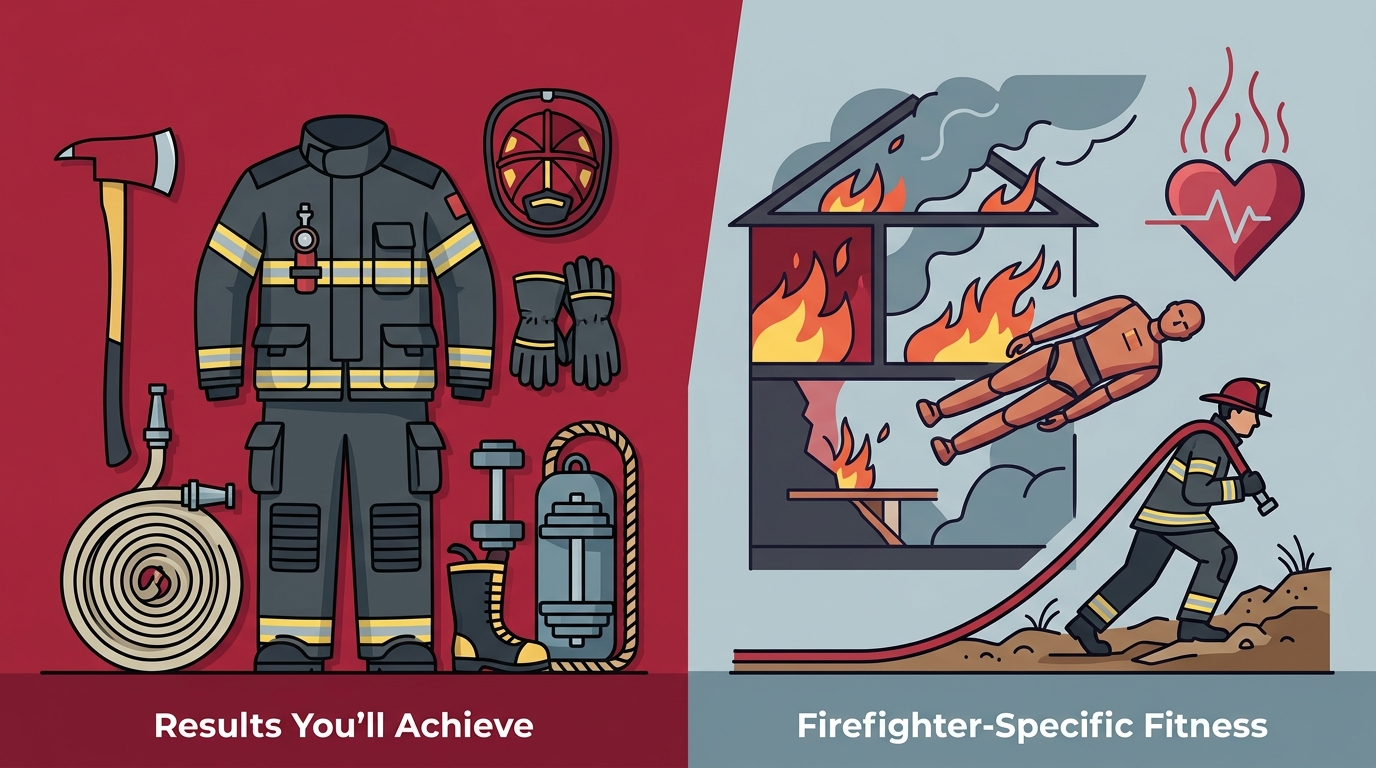
Long-Term Injury Prevention
Firefighting is a high-injury-risk profession. Lower back pain, shoulder injuries, and knee issues are common among first responders. A well-designed program addresses these vulnerabilities by strengthening supporting muscles and improving mobility.
By focusing on mobility and corrective exercises, you can reduce the wear and tear on your body. This proactive approach to fitness helps you stay on the job longer and enjoy life outside of work. The goal is to be fit for duty and fit for life, ensuring that your career does not come at the cost of your long-term health.
Injury prevention is not just about avoiding pain; it is about maintaining your ability to serve your community. By investing in your body now, you protect your future and your ability to perform your duties effectively.
Program Features vs. Generic Fitness
Choosing the right fitness path is crucial for first responders. Generic gym memberships often lack the specificity and support needed for this unique profession. Below is a comparison of the key features of a specialized coaching program versus a standard fitness approach.
| Feature | Specialized Firefighter Coaching | Generic Gym Membership |
|---|---|---|
| Programming | Customized for shift schedules and job demands | One-size-fits-all routines |
| Support | Weekly 1:1 check-ins and private community | Limited or no personal support |
| Nutrition | Macro guidance and meal plans tailored to first responders | General dietary advice |
| CPAT Prep | Specific training for certification tests | Not included |
| Community | Access to 1,000+ first responders | General fitness community |
Key Takeaways
- Functional Strength: Training focuses on compound movements that mimic fireground tasks, leading to significant gains in practical power.
- Cardiovascular Health: Improved VO2 max and aerobic base reduce the risk of cardiac events and enhance recovery during incidents.
- CPAT Success: Targeted preparation ensures you are ready for the physical demands of the certification exam.
- Mental Toughness: Consistent training builds confidence and resilience, which are critical for emergency decision-making.
- Injury Prevention: Mobility and corrective exercises help prevent common first responder injuries, supporting long-term career longevity.
- Community Support: Access to a private community of over 1,000 first responders provides accountability and shared experience.
- Customized Nutrition: Macro guidance tailored to the unique caloric and nutritional needs of firefighting.
Frequently Asked Questions
How long does it take to see results from a firefighter-specific program?
Most members begin to notice improvements in strength and endurance within the first four to six weeks. Significant body composition changes and functional gains are typically observed within three to six months of consistent training.
Is this program suitable for active firefighters?
Yes, the programming is specifically designed to complement the demands of active duty. It includes shift-schedule flexibility and focuses on functional fitness that enhances job performance without causing overtraining.
What is included in the CPAT prep module?
The CPAT prep module includes specific drills for the stair climb, hose drag, forcible entry, and victim drag. It also provides pacing strategies and mental preparation techniques to ensure you pass the test.
Do I need gym equipment to follow the program?
The program is designed to be adaptable. While access to a gym is beneficial, many components can be performed with minimal equipment, such as kettlebells and resistance bands, making it accessible for home training.
How does the nutrition plan support firefighters?
The nutrition plan provides macro guidance tailored to the high caloric expenditure and specific nutrient needs of firefighting. It focuses on sustained energy, recovery, and maintaining a healthy body composition.
What kind of support is available if I have questions?
Members receive weekly 1:1 check-ins with their transformation coach, access to a private community of first responders, and weekly group calls for additional support and education.
Can this program help with weight loss?
Yes, many members have achieved significant weight loss while building functional strength. The combination of customized programming and nutrition guidance creates a sustainable path to fat loss and improved health.
Start Your Transformation
Your career demands the best from your body. Do not leave your readiness to chance. Join the community of first responders who have transformed their fitness and their lives through a specialized approach. Apply for coaching today and take the first step toward becoming the strongest, most resilient version of yourself. Visit Everyday Heroes Fitness to learn more about our program and explore our free resources to get started.