
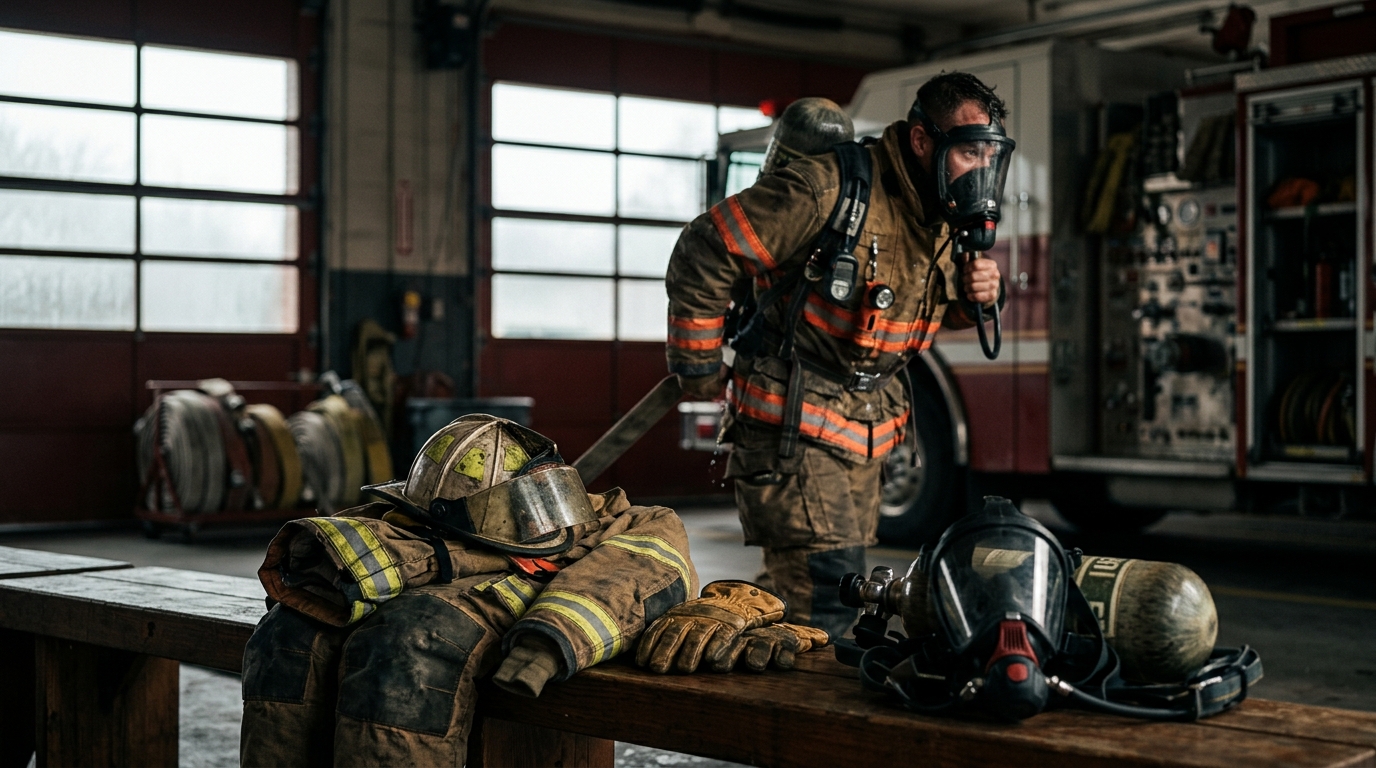
Physical readiness is not merely an aesthetic goal for first responders; it is a critical operational requirement that dictates survival on the fireground. According to recent industry data, the average firefighter must be capable of performing heavy physical tasks while wearing 50 to 75 pounds of personal protective equipment (PPE) and self-contained breathing apparatus (SCBA). This immense load significantly increases metabolic demand, often pushing heart rates above 85% of maximum capacity during active suppression tasks. Understanding and adhering to these rigorous performance standards is the only way to ensure long-term career longevity and public safety. (Online Coaching for Firefighters)
Understanding the CPAT and Operational Demands
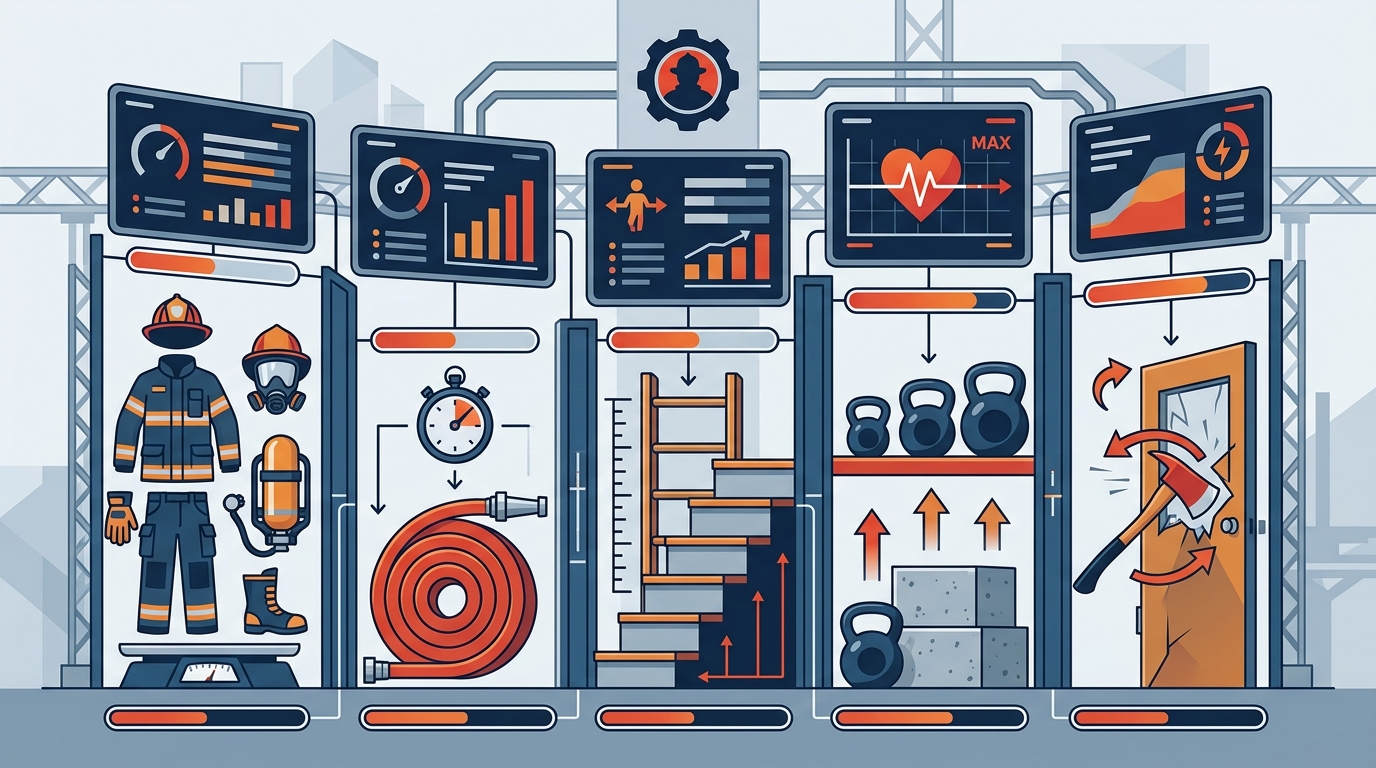
The Candidate Physical Ability Test (CPAT) serves as the universal benchmark for entry-level fitness in the United States. However, passing the test is only the beginning. The CPAT evaluates specific functional movements that mimic real-world firefighting tasks. These include the stair climb, hose drag, equipment carry, forcible entry, search and rescue, and victim drag. Each event is timed, requiring candidates to maintain a specific heart rate threshold throughout the entire sequence.
Many applicants fail not because they lack strength, but because they lack the specific endurance required to sustain high-intensity effort under load. The CPAT requires candidates to maintain a heart rate of at least 170 beats per minute during the final events. This physiological demand mirrors the cardiac stress experienced during a structure fire. Training for the CPAT requires a specialized approach that goes beyond general gym workouts. It demands sport-specific conditioning that prepares the body for the unique biomechanical stresses of the job.
Everyday Heroes Fitness has helped over 1,000 first responders navigate these challenges through customized programming. Our approach focuses on building the exact physical attributes required for duty readiness. We do not rely on generic fitness templates. Instead, we engineer programs that align with the operational realities of the fire service. This ensures that every hour spent training translates directly to improved performance on the fireground.
Core Physical Standards for Duty Readiness
Establishing clear physical standards is essential for maintaining a fit and capable force. These standards are not arbitrary; they are derived from job task analyses that identify the minimum physical capabilities required to perform essential duties safely. The core standards typically fall into three categories: strength, endurance, and mobility.
Strength is the ability to exert force against resistance. For firefighters, this means being able to lift, carry, and drag heavy objects. This includes dragging a 170-pound victim through a smoke-filled hallway or carrying a charged hose line up multiple flights of stairs. Strength training must focus on compound movements that engage multiple muscle groups simultaneously. Exercises like deadlifts, squats, and overhead presses are foundational. However, they must be performed with proper technique to prevent injury.
Endurance is the ability to sustain physical activity over time. Cardiovascular endurance is crucial for firefighting because incidents can last for hours. Respiratory endurance is equally important due to the restrictive nature of SCBA. Training for endurance involves both aerobic base building and high-intensity interval training (HIIT). This combination improves the body's ability to recover quickly between bursts of intense effort. It also enhances the efficiency of oxygen utilization, delaying the onset of fatigue.
Mobility is the range of motion available at a joint. Firefighting requires extreme ranges of motion, from crawling under debris to reaching overhead for tools. Poor mobility leads to compensatory movements, which increase the risk of injury. Regular mobility work, including dynamic stretching and foam rolling, is essential. It ensures that joints move freely and muscles remain elastic. This is particularly important for older firefighters who may experience age-related stiffness.
Functional Training Methodologies
Functional training is the cornerstone of any effective firefighter fitness program. It involves exercises that mimic the movements and demands of the job. Unlike bodybuilding, which isolates muscles for aesthetic purposes, functional training prioritizes movement patterns. This approach ensures that the strength gained in the gym translates to the fireground.
One key component of functional training is the use of unilateral exercises. Firefighting often requires one-sided strength, such as carrying a heavy tool with one hand while supporting yourself with the other. Unilateral exercises like single-leg deadlifts and single-arm presses address muscle imbalances and improve stability. They also challenge the core to resist rotation, which is critical for maintaining balance under load.
Another critical aspect is the integration of kettlebell movements. Kettlebells are versatile tools that allow for dynamic, full-body workouts. They are particularly effective for developing grip strength, which is often a limiting factor in firefighting. The Fireground 10, a program developed by Coach Mitch, focuses on ten specific kettlebell movements that build real-world strength. These movements include swings, cleans, and presses, all of which are highly transferable to job tasks.
Cardiovascular conditioning must also be functional. Running is a common form of cardio, but it does not fully prepare the body for the demands of firefighting. Instead, firefighters should incorporate loaded carries, sled pushes, and stair climbing into their routines. These activities simulate the metabolic and muscular demands of the job. They also improve mental toughness by forcing the athlete to push through discomfort.
Nutrition and Recovery Protocols
Physical training is only half the equation. Nutrition and recovery are equally important for achieving peak performance. Firefighters often struggle with nutrition due to irregular shift schedules and limited access to healthy food options. However, proper fueling is essential for maintaining energy levels and supporting muscle repair.
A balanced diet rich in lean proteins, complex carbohydrates, and healthy fats is ideal. Protein is crucial for muscle repair and growth. Carbohydrates provide the energy needed for high-intensity training. Healthy fats support hormone production and joint health. Macro guidance and meal planning can help firefighters make informed choices, even when working long shifts. Everyday Heroes Fitness provides customized macro guidance to ensure that each member receives the nutrients they need.
Recovery is the process by which the body repairs itself after training. Without adequate recovery, performance declines, and the risk of injury increases. Sleep is the most powerful recovery tool. It allows the body to release growth hormones and consolidate memories. Aim for seven to nine hours of quality sleep per night. Hydration is also critical. Dehydration impairs cognitive function and physical performance. Drink water consistently throughout the day, especially during and after training.
Active recovery, such as light walking or yoga, can help reduce muscle soreness and improve circulation. Foam rolling and stretching can alleviate tension and improve flexibility. These practices should be incorporated into the weekly routine to ensure long-term joint health and mobility. Neglecting recovery is a common mistake that leads to burnout and injury.
Mental Resilience and Mindset
Firefighting is as much a mental challenge as it is a physical one. The ability to remain calm under pressure, make quick decisions, and persist through adversity is vital. Mental resilience is built through consistent training and exposure to controlled stress. It is not an innate trait but a skill that can be developed over time.
One way to build mental resilience is through goal setting. Setting specific, measurable, achievable, relevant, and time-bound (SMART) goals provides direction and motivation. Celebrating small victories along the way reinforces positive behavior and builds confidence. Another strategy is visualization. Athletes who visualize themselves successfully completing a task are more likely to perform well under pressure. This technique helps reduce anxiety and improves focus.
Community support is also crucial for mental well-being. Firefighters often face unique stressors that are difficult for outsiders to understand. Connecting with peers who share similar experiences can provide a sense of belonging and validation. The private community offered by Everyday Heroes Fitness allows members to share their journeys, offer support, and hold each other accountable. This sense of camaraderie is a powerful motivator.
Finally, embracing a growth mindset is essential. A growth mindset is the belief that abilities can be developed through dedication and hard work. This perspective encourages individuals to view challenges as opportunities for growth rather than obstacles. It fosters resilience and perseverance. When faced with setbacks, individuals with a growth mindset are more likely to persist and ultimately succeed.
Key Takeaways
- CPAT Readiness: The Candidate Physical Ability Test requires sustained high-intensity effort, with heart rates often exceeding 170 bpm during final events.
- Load Bearing: Firefighters must perform tasks while wearing 50 to 75 pounds of PPE and SCBA, significantly increasing metabolic demand.
- Functional Focus: Training must prioritize compound movements and unilateral exercises to address muscle imbalances and improve stability.
- Kettlebell Utility: Kettlebell movements, such as those in the Fireground 10 program, build essential grip strength and full-body power.
- Nutrition Strategy: Customized macro guidance helps first responders maintain energy levels despite irregular shift schedules.
- Recovery Importance: Adequate sleep and hydration are critical for muscle repair and cognitive function, preventing burnout.
- Mental Toughness: Visualization and goal setting are proven techniques for building the mental resilience required for high-stress environments.
Frequently Asked Questions
What is the Candidate Physical Ability Test (CPAT)?
The CPAT is a standardized physical ability test used by fire departments across the United States to assess a candidate's readiness for the job. It consists of eight events that simulate firefighting tasks.
How much weight does a firefighter typically carry?
A firefighter typically carries between 50 and 75 pounds of personal protective equipment and self-contained breathing apparatus. This load significantly impacts physical performance and endurance.
What is the Fireground 10?
The Fireground 10 is a specialized kettlebell program designed by Coach Mitch. It features ten movements that build real-world strength, rotation, and stability for first responders.
Why is functional training important for firefighters?
Functional training mimics the movements and demands of the job. It ensures that strength gained in the gym translates directly to improved performance on the fireground.
How does Everyday Heroes Fitness support first responders?
Everyday Heroes Fitness offers online coaching, customized programming, macro guidance, and access to a private community of first responders. We have helped over 1,000 members achieve their fitness goals.
What role does nutrition play in firefighter fitness?
Nutrition fuels training and supports recovery. Proper macro guidance helps maintain energy levels and muscle repair, which is crucial for those working irregular shifts.
Can I train for the CPAT at home?
Yes, many aspects of CPAT training can be done at home. However, specialized equipment and guided programming, like those offered by Everyday Heroes Fitness, provide a more structured and effective path to success.
Start Your Transformation
Ready to meet the physical demands of your career with confidence? Join the community of first responders who have transformed their fitness and performance through our proven system. Our customized programming is built specifically for the unique demands of the job. Apply for coaching today and take the first step toward becoming the strongest, most capable version of yourself. Visit our resources page to explore free training guides and learn more about our methodology.