
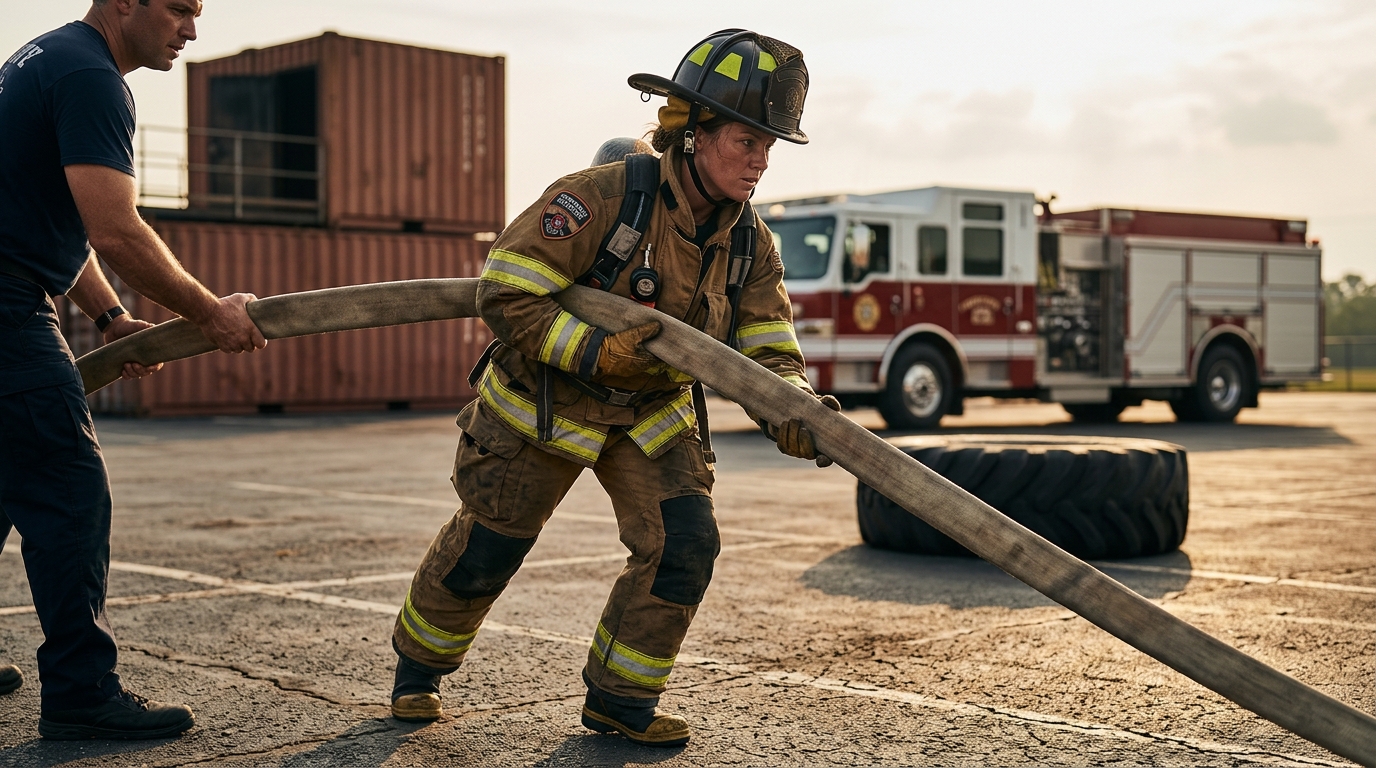
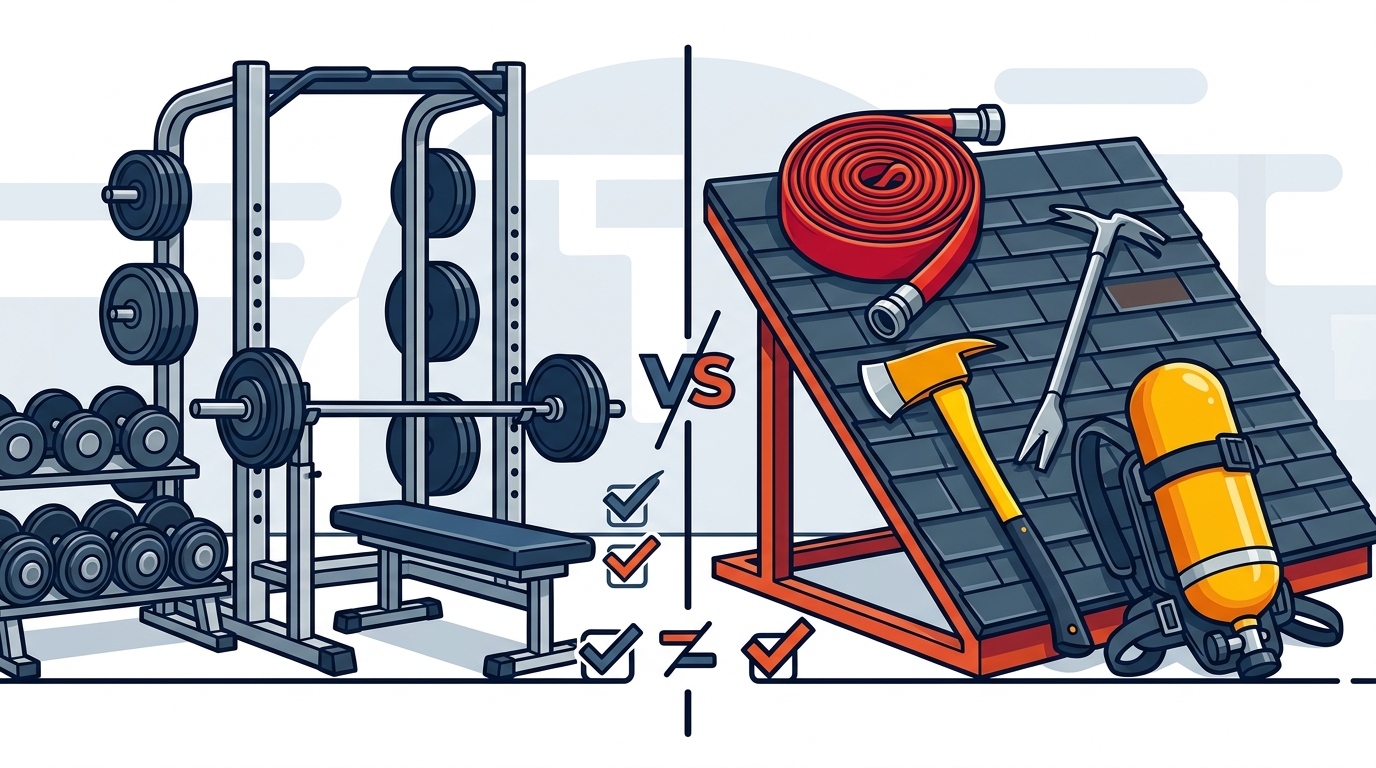
Selecting the right training regimen requires careful evaluation of physiological demands and job-specific requirements. Functional training for first responders is a specialized methodology designed to replicate real-world movement patterns rather than isolated muscle isolation. You must evaluate whether a program incorporates load-bearing exercises that mimic carrying equipment or navigating confined spaces. Generic weightlifting routines often fail to build the specific endurance required during active incidents. A proper assessment will verify that the curriculum addresses stair climbing, hose dragging, and victim extrication mechanics. This foundational knowledge prevents injury and builds job-specific resilience.
Understanding Physical Demands
Emergency response requires sustained cardiovascular output combined with heavy manual labor. According to recent occupational health reports published by the National Institute for Occupational Safety and Health, over sixty percent of emergency personnel struggle with weight management and joint stress after five years on the job. This data shows that generic gym routines rarely translate to real-world emergency scenarios. You need a structured system that mirrors actual shift demands while prioritizing long-term musculoskeletal health. Understanding these core requirements will prevent costly training mistakes and accelerate your readiness for physical ability tests.
Evaluating Coaching Expertise
Direct mentorship from personnel who understand shift schedules drastically improves adherence rates. Specialized coaching is a structured guidance system where instructors possess verified experience in emergency service operations. You should verify that your trainer holds recognized certifications in strength and conditioning alongside first responder background. Generic fitness instructors frequently miss critical recovery protocols and sleep cycle disruptions. Review their client testimonials to confirm they have successfully guided active personnel through rigorous physical ability exams. This verification step ensures you receive actionable feedback rather than theoretical advice. Explore our Online Coaching Program to see how structured mentorship transforms unpredictable schedules into consistent progress.
Assessing Program Structure
Flexible scheduling remains a non-negotiable requirement for personnel managing unpredictable call volumes. Periodized training is a systematic planning approach that cycles intensity and volume to prevent systemic fatigue. You must confirm that the curriculum offers modular sessions that fit around mandatory drills and administrative duties. Rigid ninety-minute block workouts often lead to skipped sessions and inconsistent progress. Look for platforms that provide digital tracking, video demonstrations, and direct communication channels with your assigned instructor. This structural flexibility directly correlates with long-term retention and measurable strength gains. Start with our Firefighter Kettlebell Foundations to experience a modular approach designed for active duty personnel.
Reviewing Success Metrics
Transparent outcome tracking separates professional operations from amateur hobby groups. Performance benchmarking is a continuous measurement process that compares your current capabilities against established industry standards. You should demand clear documentation regarding weight loss averages, cardiovascular improvements, and functional movement scores. Vague progress reports rarely provide the actionable data needed to adjust your daily routine. Verify that the organization publishes verified case studies showing consistent results across diverse personnel demographics. This transparency guarantees you are investing in a system that delivers measurable, repeatable outcomes. Begin your journey with the 4-Week Functional First Responder Training Program to track your initial baseline metrics.
Comparing Training Options
Different delivery models serve distinct operational needs and budget constraints. The following matrix outlines the primary distinctions between available coaching pathways.
| Program Type | Delivery Format | Target Audience | Core Benefit |
|---|---|---|---|
| Self-Guided Digital Plans | Downloadable PDFs and video libraries | Independent personnel with strict budgets | Low cost and complete schedule autonomy |
| Hybrid Coaching Models | Customized digital tracking with monthly check-ins | Active responders seeking accountability | Balanced flexibility with professional oversight |
| Full Remote Coaching | Dedicated instructor with real-time adjustments | Personnel preparing for CPAT or promotion exams | Maximum personalization and rapid skill acquisition |
Key Takeaways
- Over 60 percent of emergency personnel experience chronic joint stress after five years of active duty.
- Functional training for first responders must replicate heavy gear loads and rapid stair navigation.
- Specialized coaching requires instructors with verified emergency service background and recognized certifications.
- Periodized training cycles intensity to prevent systemic fatigue and accommodate unpredictable call volumes.
- Performance benchmarking provides continuous measurement against established industry standards.
- Hybrid coaching models balance schedule flexibility with professional oversight for active responders.
- Full remote coaching delivers maximum personalization for personnel preparing for physical ability exams.
Frequently Asked Questions
How long does it typically take to see measurable strength improvements?
Most personnel report noticeable functional gains within four to six weeks of consistent adherence. Early progress typically focuses on movement efficiency and joint stability rather than maximum load capacity. You should track baseline metrics before beginning to establish accurate progress benchmarks.
Can I complete this training while managing a full-time emergency shift schedule?
Yes, modular programming is specifically designed to accommodate unpredictable call volumes and mandatory drills. You can adjust session intensity based on your current fatigue levels and upcoming shift demands. This adaptability prevents burnout and maintains consistent long-term engagement.
What certifications should my fitness instructor hold?
Your coach should possess recognized credentials in strength and conditioning alongside verified first responder experience. These qualifications ensure they understand the physiological stressors unique to emergency service operations. Always request proof of active certifications before committing to a long-term agreement.
Is specialized equipment required to follow the recommended routines?
Most functional programs utilize accessible equipment like kettlebells, resistance bands, and standard gym machines. You rarely need expensive specialized machinery to build job-specific endurance. Focus on mastering proper movement mechanics before investing in additional gear.
How does this training prepare me for physical ability tests?
Structured curricula directly simulate CPAT station requirements like stair climbing, hose drags, and victim carries. You will develop the specific cardiovascular output and muscular endurance required to pass standardized exams. Consistent practice reduces exam anxiety and improves overall time efficiency.
What happens if I miss a scheduled training session?
Flexible programming allows you to reschedule workouts without penalty or program disruption. You can swap intensity days or convert sessions to active recovery protocols. This approach maintains momentum while respecting your unpredictable operational demands.
Next Steps
Investing in a structured, job-specific training system prevents costly injuries and accelerates your readiness for active duty. You now possess the complete evaluation framework to select a program that aligns with your operational requirements. Review the available coaching pathways and verify that your chosen instructor meets your specific performance goals. Apply for professional coaching today to secure your spot in a proven system designed for emergency personnel. Take control of your physical readiness and train with confidence.