
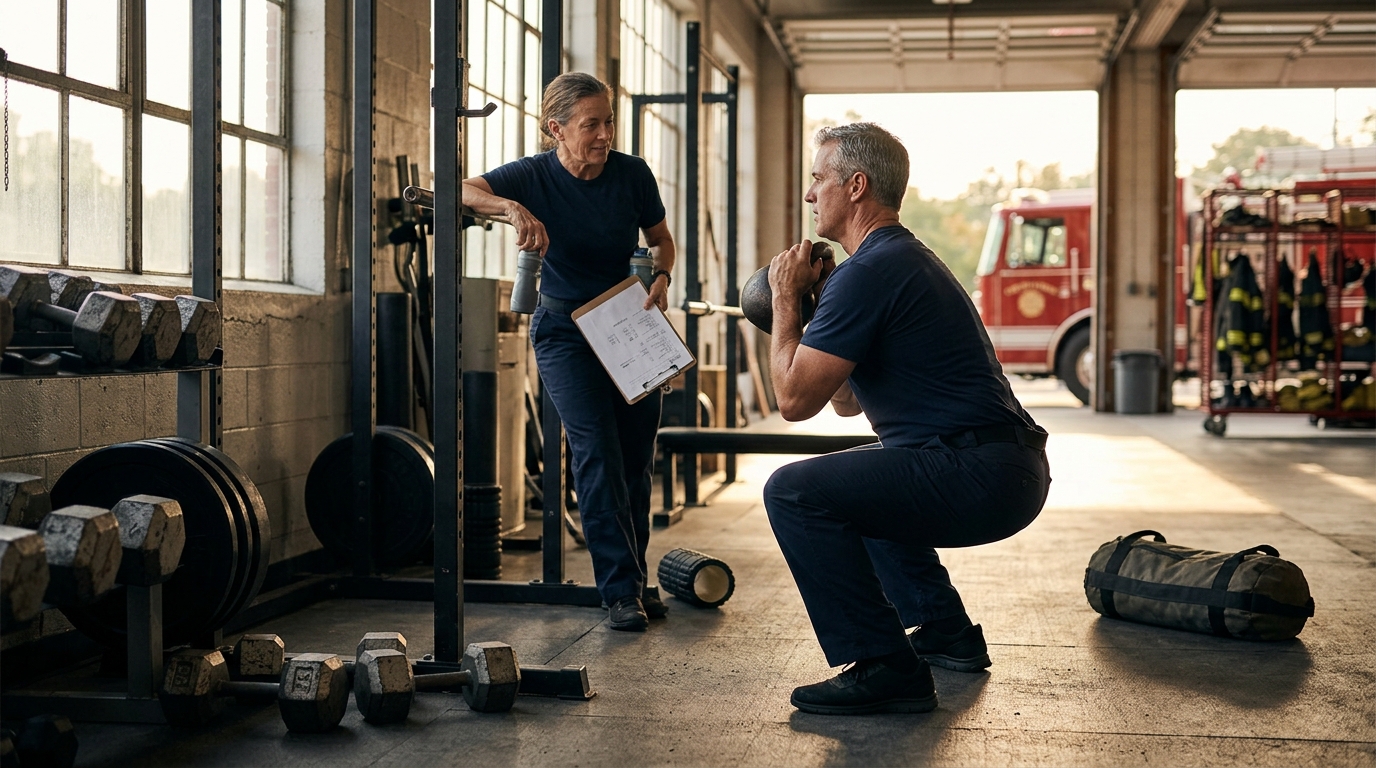
First responders face unique physical demands that standard gym routines simply cannot address. According to the National Fire Protection Association, the average age of firefighters has been rising, with nearly 20% of the workforce over the age of 50. This demographic shift highlights a critical need for specialized training that accounts for aging joints, shift work fatigue, and the extreme physical load of fireground operations. Generic fitness advice often leads to injury or burnout because it ignores the specific functional requirements of the job.
Understanding Functional Needs
Functional fitness is not just a buzzword; it is a physiological necessity for first responders. Functional fitness is a training approach that prepares the body for real-world movements rather than isolated muscle groups. Firefighters must lift heavy gear, drag victims, climb ladders, and break down doors. These actions require full-body coordination, core stability, and explosive power.
Standard bodybuilding routines often fail to build the endurance needed for a 40-hour shift. A program tailored to firefighters must integrate compound movements that mimic fireground tasks. This includes kettlebell swings, deadlifts, and loaded carries. These exercises build the posterior chain, which is essential for preventing lower back injuries, a leading cause of lost time in the fire service.
When searching for a program, look for coaches who understand the physical profile of a firefighter. They should emphasize mobility work to counteract the stiffness from wearing heavy turnout gear. They should also prioritize cardiovascular health that supports high-intensity bursts followed by periods of relative rest.
Evaluating Program Design
Not all "firefighter-specific" programs are created equal. Many online offerings are merely repackaged CrossFit workouts with a different label. To find a genuine solution, you must evaluate the underlying methodology. A high-quality program will explicitly address the physiological stressors of shift work.
Look for programs that offer periodization. This means the training intensity and volume change over time to prevent overtraining. For example, a program might focus on strength during off-days and mobility during active duty days. This flexibility is crucial for firefighters who cannot always train on a fixed schedule.
Additionally, check if the program includes video demonstrations. Proper form is non-negotiable when lifting heavy objects in an emergency. Visual guides ensure that you are executing movements safely and effectively. Without this visual component, you risk developing bad habits that can lead to chronic pain.
Coaching Versus Apps
One of the most significant decisions you will make is choosing between a self-guided app and a coached program. While apps offer convenience, they lack the accountability and personalization required for long-term success. Online coaching provides real-time feedback and accountability that static apps cannot match.
Coaches can adjust your training based on how you feel on a given day. If you had a rough night of sleep or a physically demanding shift, a coach can modify your workout to prevent injury. This adaptive approach is vital for maintaining consistency over years of service.
Furthermore, coached programs often include community support. Connecting with other first responders who understand the unique pressures of the job can improve mental resilience. This sense of camaraderie is a powerful motivator when motivation wanes. You are not just training your body; you are building a support network.
Nutrition for Shift Work
Training is only half the equation. Nutrition plays a pivotal role in recovery and performance, especially for those working irregular hours. Shift work nutrition is a dietary strategy that aligns food intake with circadian rhythms to optimize energy and recovery. Firefighters often struggle with eating at odd hours, which can disrupt metabolism and sleep quality.
A tailored program should include meal planning guidance that fits your schedule. This might involve prepping meals before a shift or choosing portable, nutrient-dense snacks for the station. The goal is to stabilize blood sugar levels and provide sustained energy throughout the shift.
Avoid programs that prescribe rigid meal plans that are impossible to follow in a fire station. Instead, look for flexible guidelines that teach you how to make healthy choices in any environment. This includes options for dining out or eating at the station cafeteria. Flexibility ensures long-term adherence to your nutritional goals.
Comparing Program Options
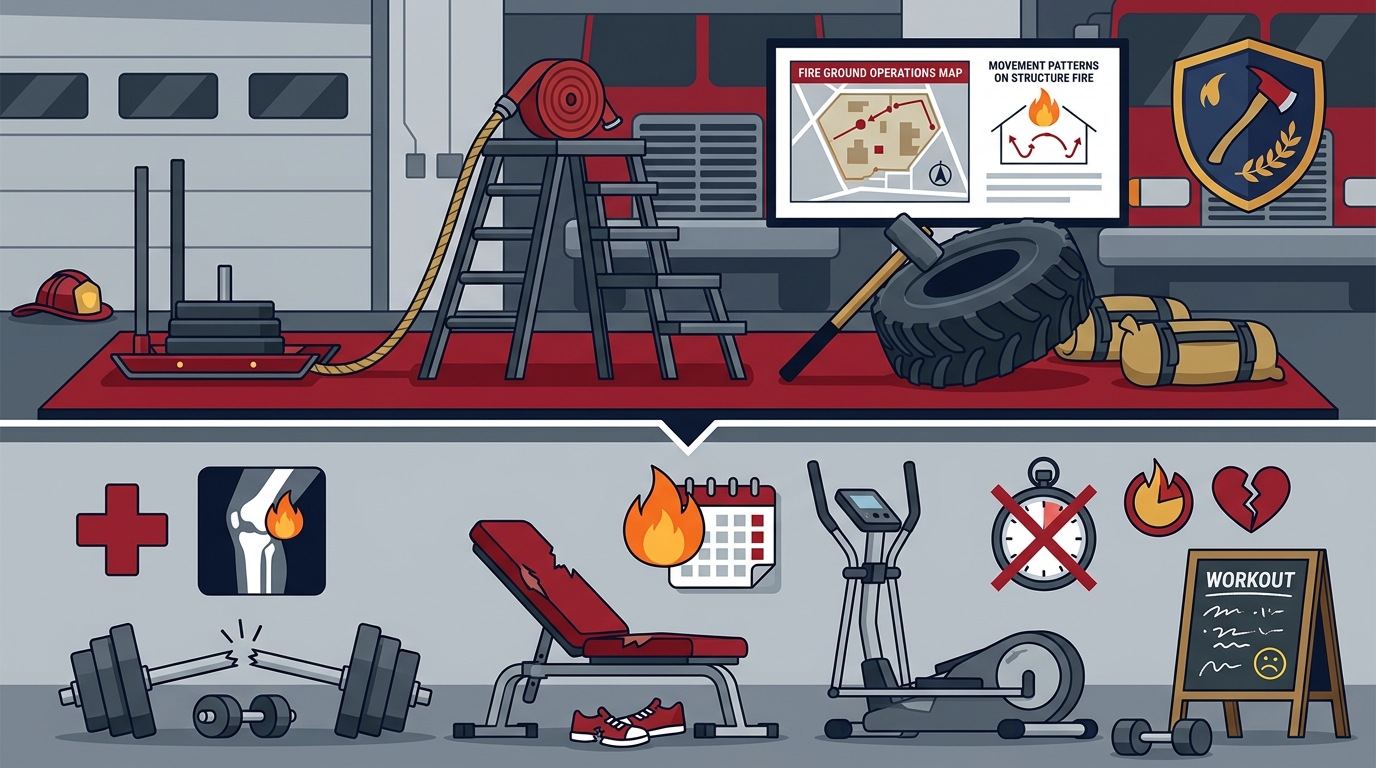
To help you navigate the available options, here is a comparison of common program types found in the market. This table highlights the key differences in structure, support, and suitability for firefighters.
| Program Type | Structure | Support Level | Best For |
|---|---|---|---|
| 4-Week Functional Program | Short-term, intensive | Self-guided with community | Quick results and habit building |
| Kettlebell Foundations | Tool-specific | Video-based instruction | Building functional strength basics |
| Online Coaching | Personalized and adaptive | High-touch with a coach | Long-term transformation and accountability |
| Generic Fitness Apps | Static and rigid | Minimal to none | General fitness enthusiasts |
When comparing these options, consider your current fitness level and your long-term goals. If you are new to training, starting with a foundational program like kettlebell basics can build confidence. If you have been training for years but feel stuck, online coaching might provide the breakthrough you need.
Also, evaluate the cost versus the value. A cheap app might seem appealing, but if it does not deliver results, it is ultimately more expensive. Investing in a program that understands your specific needs can save you time, money, and potential medical bills down the road.
Key Takeaways
- Functional fitness focuses on real-world movements rather than isolated muscles.
- Over 20% of firefighters are over the age of 50, requiring age-appropriate training.
- Online coaching offers accountability and adaptive programming that apps cannot match.
- Shift work nutrition requires flexible meal strategies to maintain energy levels.
- Kettlebell training is highly effective for building posterior chain strength.
- Community support improves mental resilience and training consistency.
- Video demonstrations are essential for ensuring proper form and safety.
Frequently Asked Questions
What is the best type of exercise for firefighters?
Compound movements like deadlifts, squats, and kettlebell swings are most beneficial. These exercises build the strength and endurance needed for fireground tasks.
How does shift work affect fitness?
Irregular sleep patterns can disrupt metabolism and recovery. A tailored program includes nutrition and training adjustments to counteract these effects.
Is online coaching effective for first responders?
Yes, online coaching provides personalized feedback and accountability. It allows for flexible scheduling that fits around shift work.
What is functional fitness?
Functional fitness is a training approach that prepares the body for real-world movements rather than isolated muscle groups.
How can I prevent back injuries?
Strengthening your posterior chain and core through exercises like deadlifts and planks can significantly reduce the risk of back injuries.
Do I need a gym membership to train?
Many effective programs, such as kettlebell foundations, can be done with minimal equipment. Some programs even offer home-based options.
What is the average weight gain for firefighters?
Studies show that firefighters are at a higher risk for weight gain due to sedentary periods during calls and irregular eating habits.
Start Your Transformation Today
Do not let generic fitness advice hold you back. Take control of your health and performance with a program built specifically for your needs. Apply for coaching today to join a community of first responders who are reclaiming their strength and confidence. Visit the Everyday Heroes Fitness homepage to learn more about our proven system.