
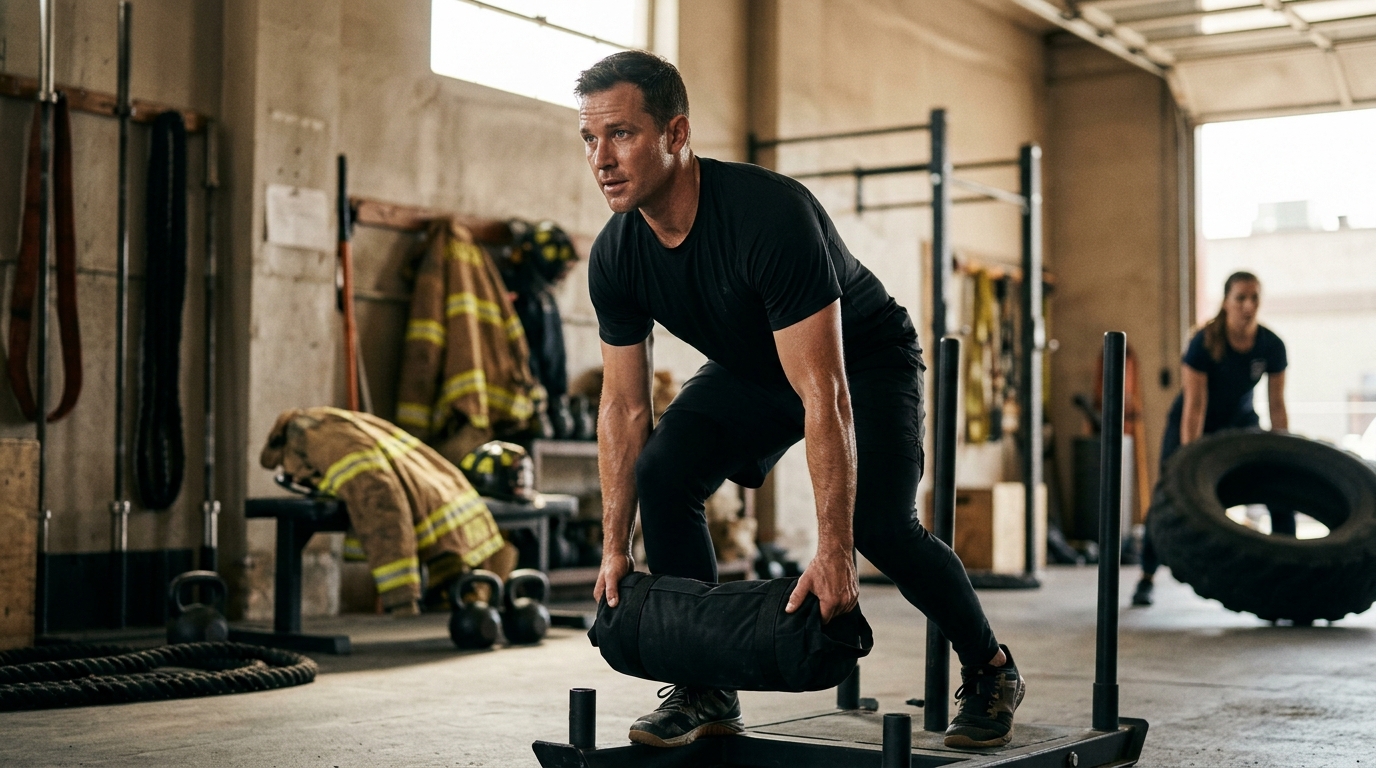
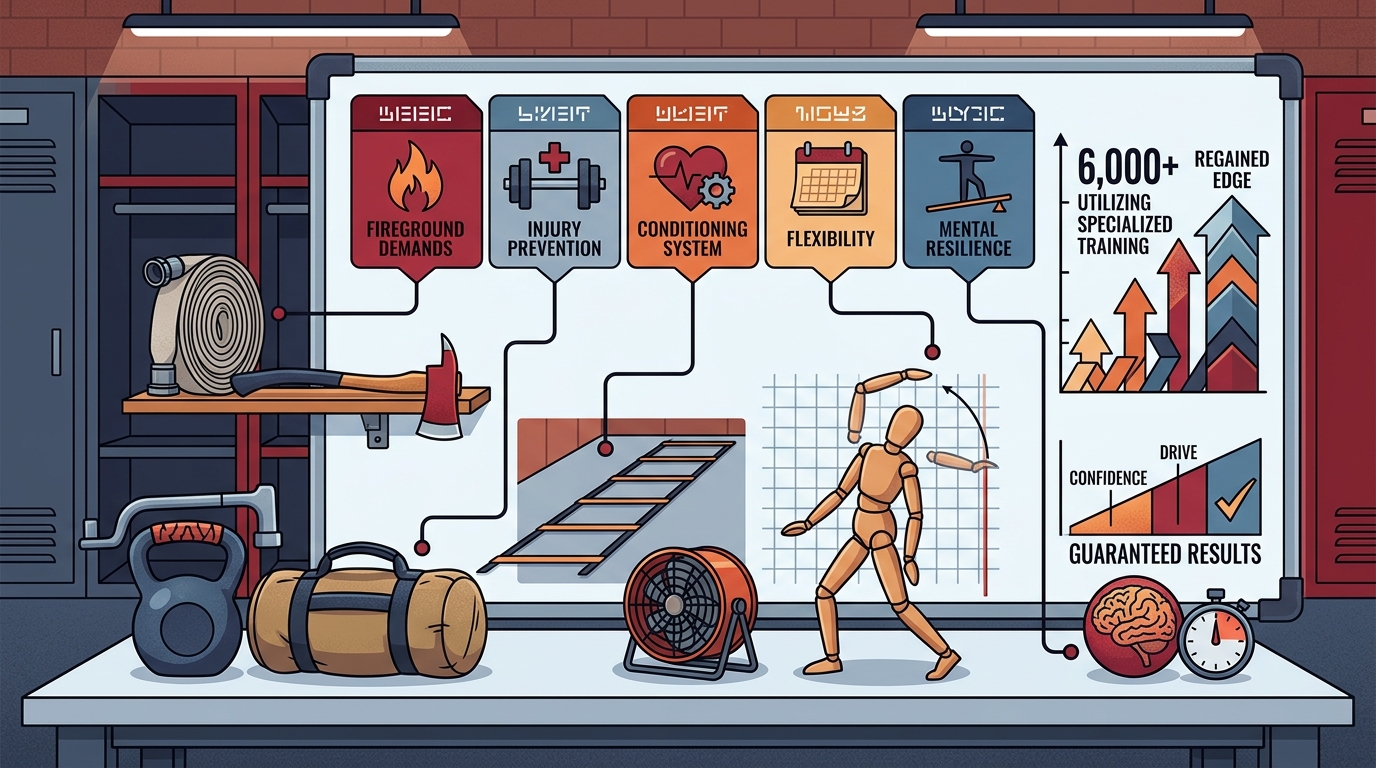
Functional fitness for first responders is not about aesthetics; it is about survival and operational readiness. According to recent industry data, over 6,000 firefighters have utilized specialized training systems to regain their physical edge and mental resilience. This guide outlines the critical factors you must evaluate to ensure your training aligns with the brutal demands of the fireground. (Everyday Heroes Fitness)
Understanding Functional Movement Patterns
Generic gym routines often fail first responders because they isolate muscles rather than training them as a cohesive unit. Functional fitness is a training methodology that prepares the body for real-world physical demands. Firefighting requires lifting heavy gear, dragging victims, climbing ladders, and breaking through walls. These actions are multi-planar and require core stability, grip strength, and cardiovascular endurance simultaneously.
When evaluating a program, look for workouts that mimic these in-field demands. If a program only focuses on bench presses or bicep curls, it is not building the readiness you need on shift. The best programs incorporate kettlebell foundations and dynamic movements that enhance your capacity to lift, move, and endure during long, chaotic shifts.
Consider the equipment used in the program. Kettlebells are often cited as the number one tool for functional firefighter strength because they allow for explosive power development and grip conditioning. A program that integrates these tools into a structured 4-day plan can unlock significant potential without requiring a commercial gym membership.
Accommodating Irregular Shift Schedules
The most common reason firefighters abandon fitness programs is the inability to fit them into a rotating shift schedule. You might work 24 hours on, then 48 hours off, or rotate between days and nights. A rigid program that requires you to train at 6 AM every day is destined to fail.
Look for a program that offers flexibility. The ideal system allows you to complete workouts whenever you have time, whether that is before a shift, during a break, or after a long night. Adaptive training is a system that adjusts to your available time and energy levels. This ensures consistency, which is the primary driver of long-term results.
Additionally, consider the duration of the workouts. After a 24-hour shift, you may only have 30 minutes to train. A program that respects your time by offering efficient, high-intensity sessions is more sustainable than one requiring two-hour gym blocks. The goal is to build a habit that survives the chaos of shift work.
Nutrition Strategies for High-Stress Environments
Training is only half the equation. Firefighters often face unique nutritional challenges, including irregular meal times, reliance on station food, and high stress that triggers emotional eating. A fitness program that ignores nutrition is incomplete.
Effective programs provide science-backed nutrition plans tailored to your goals. These plans should not be restrictive diets that fight your lifestyle. Instead, they should offer guidance on how to fuel your body for performance and recovery. Strategic nutrition is the practice of aligning food intake with physical output to optimize energy and recovery.
Look for programs that include meal planning frameworks that fit your schedule. Whether you are cooking at home or eating at the station, you need clear guidelines on macronutrients and portion control. This support helps you lose weight, build strength, and maintain the energy levels required for the job.
The Role of Mental Resilience in Training
Firefighting is a mentally taxing profession. The stress of the job can lead to burnout, anxiety, and a decline in mental health. Fitness should be viewed as a tool for mental resilience, not just physical appearance. The right program will address both your body and your mind.
Community support plays a huge role in this. Training with other first responders who understand the unique pressures of the job can provide accountability and camaraderie. Mental resilience is the capacity to withstand stress and recover from adversity through consistent physical and psychological conditioning. When you feel strong physically, you feel more confident mentally.
Programs that offer private access to a tight-knit community of first responders can be transformative. You are not just getting workouts; you are getting a support system of people walking the same path. This connection helps combat the isolation that often comes with the profession.
Comparing Program Types: Coaching vs. Self-Guided
When choosing a fitness program, you generally have two paths: self-guided digital plans or online coaching. Each has its merits, but the level of support required varies by individual.
| Feature | Self-Guided Program | Online Coaching |
|---|---|---|
| Cost | Lower upfront cost | Higher investment |
| Accountability | Self-motivation required | Weekly check-ins with a coach |
| Customization | Static plan for all users | Tailored to your specific goals |
| Community | Often limited or none | Private group access |
| Best For | Disciplined individuals | Those needing guidance and support |
Self-guided programs, such as free kettlebell foundations, are excellent for getting started. They provide the structure you need to begin moving. However, if you have struggled with consistency in the past, online coaching may be the better choice. A coach provides the accountability and personalized adjustments needed to overcome plateaus.
Consider your history with fitness. If you have tried and failed with generic apps, you likely need the human element of coaching. If you are disciplined and just need a plan, a self-guided option can be a cost-effective entry point.
Key Takeaways
- Functional Over Aesthetic: Prioritize programs that train multi-planar movements like lifting and dragging, not just isolated muscles.
- Flexibility is Critical: Your program must adapt to your 24-hour shift schedule, not the other way around.
- Nutrition Matters: Look for science-backed meal plans that fit your lifestyle, not restrictive diets.
- Mental Health Support: Choose programs that offer community and address the psychological demands of the job.
- Proven Results: Look for programs with a track record, such as those used by thousands of firefighters.
- Coaching vs. Self-Guided: Assess your need for accountability when choosing between a static plan and personal coaching.
- Kettlebell Foundations: Incorporating kettlebell training is a proven method for building functional strength efficiently.
Frequently Asked Questions
What is the best type of exercise for firefighters?
Functional fitness is the best type of exercise for firefighters because it mimics the physical demands of the job, such as lifting heavy gear and enduring long shifts.
How can I stay consistent with fitness on a rotating shift schedule?
You can stay consistent by choosing a program that offers flexible workout times and short, efficient sessions that can be completed whenever you have free time.
Do I need a gym membership to train for firefighting?
No, many effective programs use kettlebells and bodyweight exercises that can be performed at home or in a station gym, making a commercial membership unnecessary.
What is the difference between self-guided and online coaching?
Self-guided programs provide a static plan for you to follow independently, while online coaching offers personalized adjustments, weekly accountability, and direct access to a coach.
How does fitness impact mental health for first responders?
Regular functional training reduces stress, improves sleep, and builds mental resilience, helping you cope with the high-pressure environment of firefighting.
Are there free resources available for firefighter fitness?
Yes, many organizations offer free foundational programs, such as kettlebell guides, to help you start building strength without an initial financial commitment.
What should I look for in a nutrition plan for shift work?
Look for a plan that offers flexible meal timing and focuses on whole foods that provide sustained energy, rather than restrictive calorie counting.
Start Your Transformation
Don't let another shift pass without prioritizing your health. The right program can help you regain your strength, confidence, and drive. Whether you choose a self-guided plan or online coaching, the first step is applying for a system built for your unique demands. Apply for coaching today to join the community of first responders who are taking control of their fitness. You can also start with a free kettlebell foundations program to begin your journey immediately.