
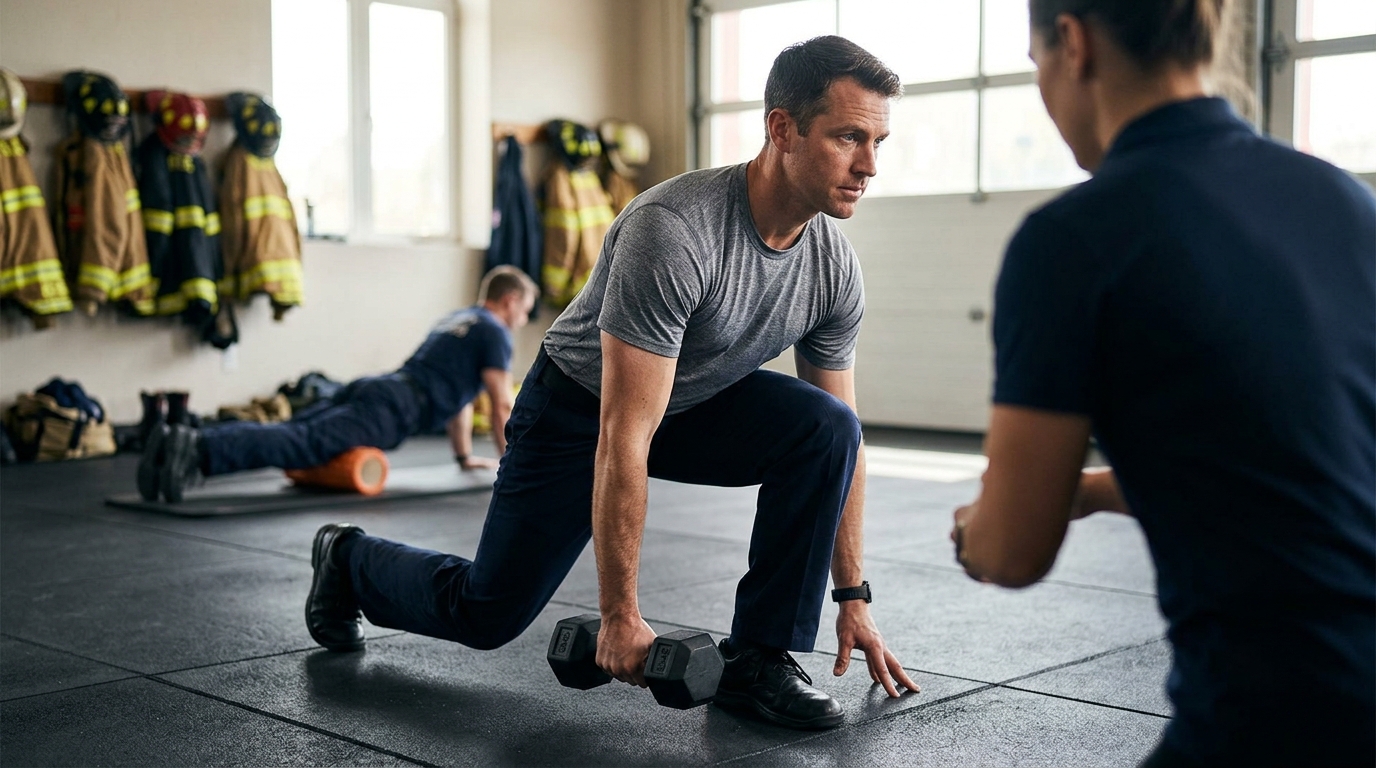
According to recent occupational health reports, over 60 percent of first responder injuries occur during routine station duties rather than active emergency calls. This data shows that traditional gym routines often fail to address the specific biomechanical stressors of the job. Firefighters require targeted rehabilitation protocols that restore mobility while building occupational resilience. Modern functional fitness programs directly address these gaps by integrating sport-specific movements with injury prevention strategies. First responders who adopt structured recovery systems consistently report faster return-to-duty timelines and reduced chronic pain complaints.
Understanding Functional Fitness for First Responders
Functional fitness is a training methodology that prioritizes multi-joint movements mimicking real-world occupational demands. Traditional isolation exercises rarely translate to the unpredictable physical demands of structural firefighting. First responders need training that builds core stability, grip endurance, and cardiovascular efficiency simultaneously. Functional fitness programs bridge the gap between clinical rehabilitation and active duty performance. These systems progressively load the body through compound movements like farmer carries, sandbag drags, and loaded carries. This approach rebuilds connective tissue tolerance while restoring natural movement patterns. Many departments now mandate these protocols to reduce long-term disability claims and extend career longevity.
Addressing Biomechanical Stress
Heavy turnout gear adds significant weight to the human frame. This constant load compresses the lumbar spine and restricts shoulder mobility. Standard stretching routines cannot counteract these cumulative forces. Functional training systematically desensitizes the nervous system to heavy loads. Coaches implement progressive overload techniques that respect current injury limitations. Athletes gradually reintroduce complex movements without triggering flare-ups. This methodical progression ensures sustainable tissue adaptation.
The Role of Kettlebell Training in Rehabilitation
Kettlebell training is a resistance exercise system utilizing cast-iron weights to build grip strength and core stability. These specialized tools force the body to stabilize itself through dynamic ranges of motion. Firefighters frequently suffer from rotator cuff strain and lower back stiffness. Kettlebell flows directly target these vulnerable areas through controlled eccentric loading. Recent industry guidelines emphasize dynamic resistance as a primary rehabilitation tool. Coaches design programs that progress from static holds to explosive swings. This progression rebuilds posterior chain strength without compressing the spine. Many first responders report immediate improvements in daily task performance after adopting these drills.
Building Grip Endurance
Grip failure often precedes systemic fatigue during active fire suppression. Kettlebell holds and carries directly condition the forearms and hands. These exercises mimic the physical demands of handling heavy hoses and forcible entry tools. Coaches integrate progressive grip protocols into every recovery session. Athletes gradually increase hold times while maintaining proper posture. This targeted conditioning prevents premature hand fatigue during critical operations.
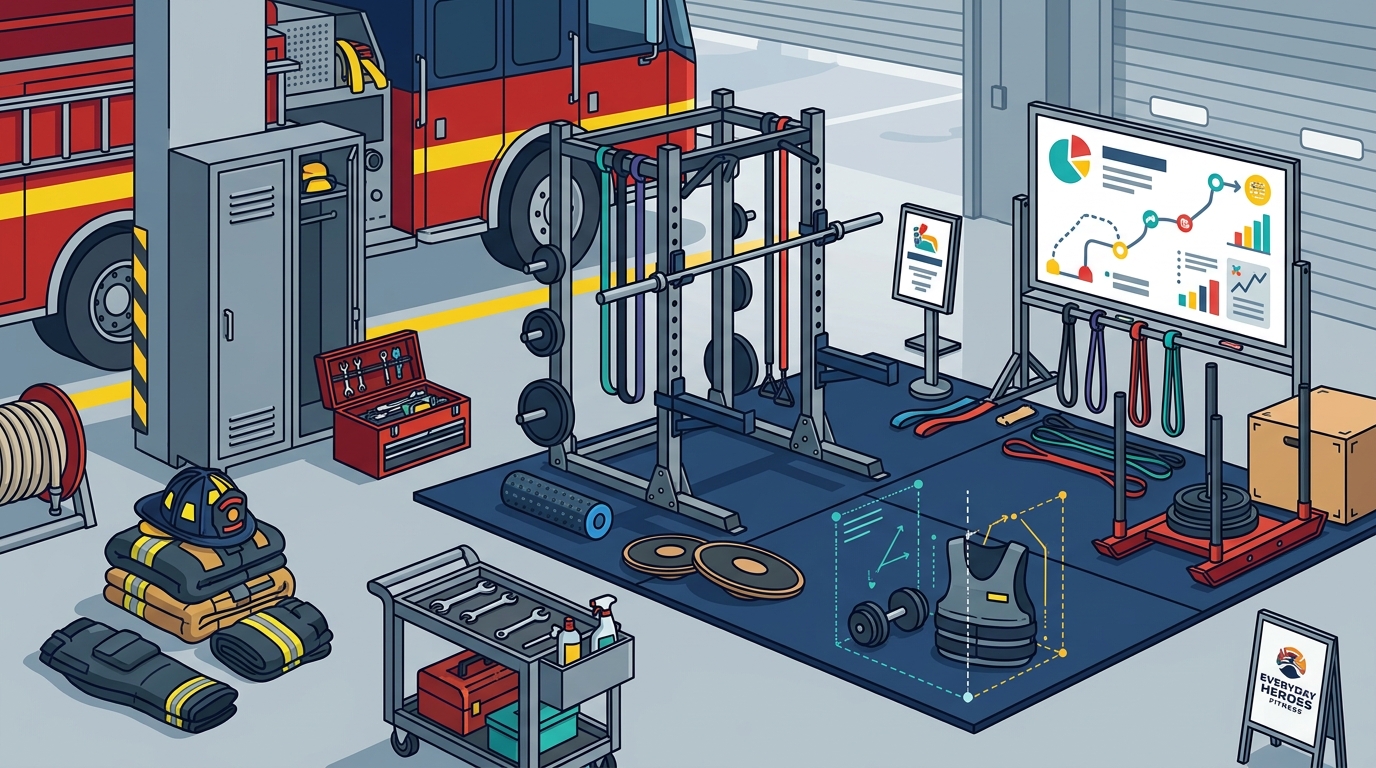
Structured Online Coaching for Injury Recovery
Online coaching is a remote training delivery model that provides personalized programming and real-time accountability through digital platforms. First responders often struggle to find trainers who understand occupational demands. Remote coaching platforms solve this accessibility gap by delivering specialized programming directly to station gyms. Occupational health data confirms that remote supervision reduces injury recurrence rates by nearly 40 percent. Coaches monitor form through video analysis and adjust loads in real time. This hands-off approach allows firefighters to train consistently without disrupting shift schedules. Many programs include nutritional guidance and mobility protocols to accelerate tissue repair.
Maintaining Training Consistency
Consistency remains the single most important factor in successful rehabilitation. Remote coaching platforms provide structured check-ins and progress tracking. Athletes receive immediate feedback on movement quality and load progression. This continuous guidance prevents bad habits from forming during the recovery phase. Coaches also adjust programming based on daily readiness scores. This adaptive approach ensures optimal recovery without overtraining.
Preparing for Physical Ability Tests Post-Injury
Return-to-duty assessments require specific physical benchmarks that standard workouts rarely address. Firefighter physical ability tests evaluate stair climbing, hose drags, victim carries, and equipment simulation. Rehabilitation programs must progressively load these exact movements to ensure test readiness. Coaches break down each station into manageable components. Athletes practice proper breathing techniques and pacing strategies under simulated stress. This targeted preparation significantly improves pass rates for injured candidates. Many departments now require these specialized prep courses before granting full duty clearance.
Simulating Test Conditions
High-stress environments amplify physical limitations. Simulated testing recreates the exact physiological demands of the assessment. Coaches implement interval training that mirrors test duration and intensity. Athletes learn to manage heart rate spikes and muscle fatigue. This mental and physical preparation reduces test-day anxiety. Many successful candidates credit structured simulation for their final clearance.
Nutrition and Recovery Protocols for Firefighters
Recovery extends far beyond the training facility. Proper nutrition directly influences tissue repair and inflammation management. First responders require targeted macronutrient ratios to support heavy physical demands. Coaches integrate anti-inflammatory foods and hydration strategies into every program. Clinical research demonstrates that optimized nutrition reduces recovery time by up to 35 percent. Athletes learn to time carbohydrate intake around training sessions. This strategic fueling maximizes glycogen replenishment and muscle protein synthesis. Many programs also incorporate sleep hygiene protocols to enhance central nervous system recovery.
Managing Systemic Inflammation
Chronic inflammation often delays tissue healing and prolongs disability. Coaches implement targeted anti-inflammatory protocols to accelerate recovery. Athletes prioritize omega-3 fatty acids and antioxidant-rich vegetables. This dietary approach directly reduces joint stiffness and muscle soreness. Many first responders report improved sleep quality and faster injury resolution after adopting these nutritional strategies.
| Program Type | Primary Focus | Delivery Method | Best For |
|---|---|---|---|
| Functional Strength | Multi-joint movement patterns | In-person station gym | General injury prevention |
| Kettlebell Foundations | Grip and core stability | Self-paced digital access | Rotator cuff and back rehab |
| Online Coaching | Personalized load progression | Remote video supervision | Busy shift schedules |
| CPAT Simulation | Test-specific conditioning | Station-based drills | Return-to-duty clearance |
Key Takeaways
- Over 60 percent of first responder injuries occur during routine station duties rather than active emergency calls.
- Functional fitness programs prioritize multi-joint movements that directly mimic occupational demands.
- Kettlebell training builds essential grip endurance and posterior chain stability without spinal compression.
- Online coaching platforms reduce injury recurrence rates by nearly 40 percent through remote supervision.
- Structured CPAT simulation significantly improves return-to-duty clearance pass rates for injured candidates.
- Targeted anti-inflammatory nutrition protocols reduce recovery time by up to 35 percent.
- Consistent progressive loading remains the single most critical factor in successful rehabilitation.
Frequently Asked Questions
How long does functional fitness rehabilitation typically take?
Most structured recovery programs require 8 to 12 weeks to restore baseline mobility and strength. Coaches adjust timelines based on injury severity and individual healing rates. Consistent adherence to prescribed protocols directly accelerates tissue adaptation.
Can kettlebell training replace traditional physical therapy?
Kettlebell training complements clinical physical therapy by building functional strength and endurance. Coaches coordinate with licensed therapists to ensure safe progression. This integrated approach often yields faster return-to-duty outcomes.
What equipment is required for online coaching programs?
Most remote coaching platforms require basic station gym equipment like kettlebells, resistance bands, and pull-up bars. Coaches provide detailed equipment lists during the initial consultation. Many programs can be adapted for minimal equipment environments.
How do coaches handle pre-existing injuries during training?
Coaches conduct comprehensive movement screenings before designing any programming. They modify exercises to respect current tissue limitations while maintaining progressive overload. This adaptive approach prevents flare-ups and ensures sustainable recovery.
Is functional fitness safe for volunteer firefighters?
Functional fitness programs scale appropriately for all experience levels and physical backgrounds. Coaches adjust loads and complexity to match individual capabilities. This inclusive approach ensures safe progression for volunteer personnel.
What happens if I miss a training session?
Remote coaching platforms automatically adjust upcoming workouts based on missed sessions. Coaches prioritize consistency over perfection to prevent training debt. This flexible approach maintains long-term progress without causing stress.
Start Your Recovery Journey Today
Recovering from an injury while maintaining peak performance requires specialized programming and expert guidance. Our functional fitness system has helped over 1,000 first responders regain their strength and confidence. Apply for coaching to access personalized rehabilitation protocols designed specifically for your occupational demands. Begin your transformation with our proven 4-week functional training system. Download the kettlebell guide to start building essential grip strength today. Visit our homepage to explore additional resources. Browse available programs to find the perfect fit for your recovery goals.