
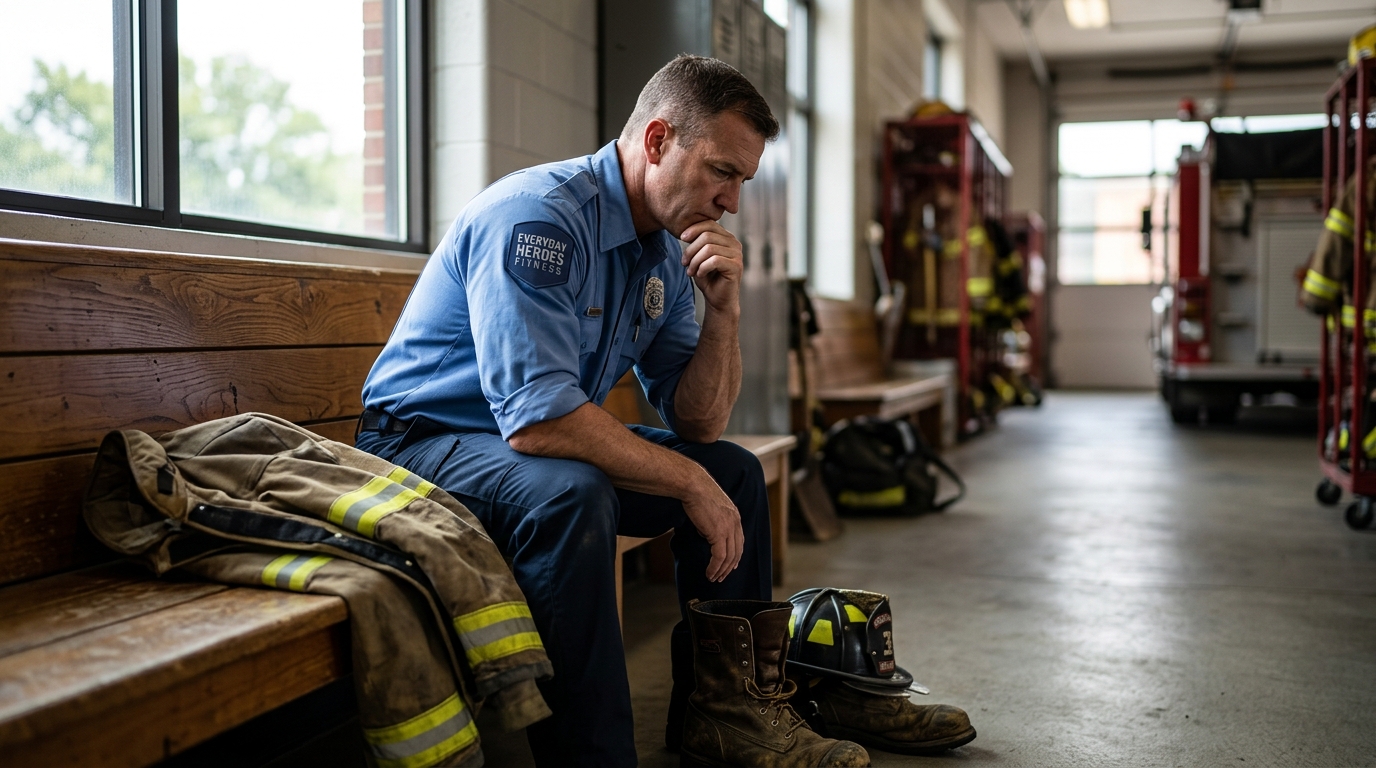
According to the National Institute for Occupational Safety and Health, over 70 percent of firefighter injuries occur during training or daily operations. This reality demands a specialized approach to physical conditioning. You must evaluate how a program addresses job-specific movements, injury prevention, and long-term joint health. Selecting the wrong system can lead to chronic pain or failed departmental exams. This guide breaks down the essential criteria for choosing a functional fitness program built for first responders.
Functional Movement Patterns
Functional fitness is a training methodology that mimics real-world occupational tasks. Firefighters must carry heavy gear, climb stairs, and drag victims while wearing breathing apparatus. Generic bodybuilding routines fail to build the specific muscular endurance required for these actions. You should prioritize programs that integrate multi-planar movements and load-bearing exercises. These drills directly translate to emergency scene performance. Real-world simulation builds real-world readiness. Look for coaches who understand the biomechanics of heavy gear wear. They will design progressions that protect your lower back while building explosive power. Avoid programs that rely solely on isolated machine exercises. Those routines build aesthetic muscles but neglect the kinetic chains needed for active duty.
CPAT Alignment and Testing
Most municipal departments require candidates to pass the Candidate Physical Ability Test. This standardized exam evaluates stair climbing, hose dragging, equipment carry, and victim rescue. A program that ignores CPAT metrics leaves you unprepared for employment. You must verify that the curriculum explicitly maps to these test components. The National Fire Protection Association maintains strict guidelines for these assessments. NFPA standards dictate the exact weight distributions and time limits. Your training schedule should progressively overload these specific movements. This ensures you can maintain proper form under extreme fatigue. Many candidates fail because they train in isolation rather than simulating continuous task sequences. A properly aligned program builds the cardiovascular engine and muscular stamina required to clear the exam on your first attempt.
Kettlebell Integration
Kettlebell training is a resistance exercise system that utilizes offset center-of-mass tools. This design forces your core stabilizers to work harder during every swing, press, or squat. Firefighters benefit immensely from this type of dynamic loading. The offset weight mimics the uneven distribution of heavy gear and equipment. You should seek programs that make kettlebells a foundational pillar. Firehouse training guides consistently rank kettlebell drills as essential for building functional strength. These tools improve grip endurance, shoulder stability, and posterior chain development. A dedicated kettlebell foundation program teaches proper hinge mechanics before adding volume. This prevents common injuries like rotator cuff strains and lumbar stress. Mastering these implements directly translates to faster stair climbs and more efficient victim drags.
Coaching Accountability
Online coaching is a remote training model that delivers personalized programming through digital platforms. First responders often struggle with inconsistent schedules and high-stress shifts. A dedicated coach provides the external structure needed to maintain consistency. You should verify that the coaching model includes direct communication channels and form reviews. IAFF health resources emphasize that accountability directly correlates with long-term adherence. A coach who understands the fire service culture can adjust workouts around call volume and fatigue. They will modify volume during heavy shifts and increase intensity during lighter periods. This adaptive approach prevents burnout while ensuring steady progress. Generic app-based programs lack this human element. They cannot read your body language or adjust for sudden schedule changes. Choose a coaching model that prioritizes human interaction and responsive support.
Program Structure and Scalability
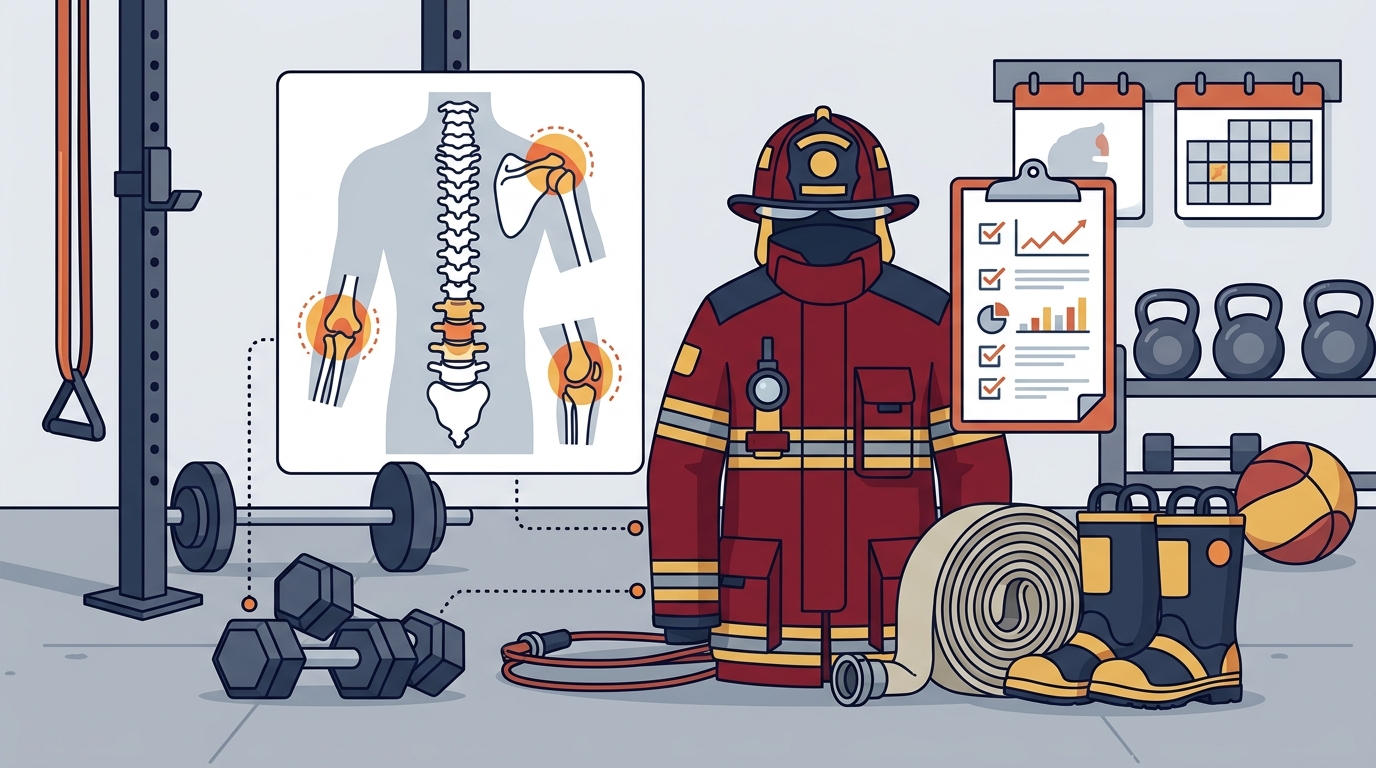
Program structure is the organized framework that dictates exercise selection, volume, and recovery protocols. Firefighters have varying baseline fitness levels and past injury histories. A rigid one-size-fits-all template will inevitably cause setbacks. You must look for programs that offer clear progressions and regression options. The system should scale intensity based on your current capabilities. CDC physical activity guidelines recommend progressive overload to minimize injury risk. A well-structured program includes deload weeks, mobility work, and active recovery days. These elements protect your joints while building resilient tissue. You should also verify that the curriculum addresses common first responder complaints like chronic back pain and knee instability. A scalable framework ensures you never plateau and always have a clear path forward. This systematic approach builds sustainable strength that lasts throughout your career.
Program Comparison Overview
Choosing the right system requires comparing available options against your specific goals. The table below outlines the primary offerings designed for first responders.
| Program Type | Primary Focus | Best For | Access Method |
|---|---|---|---|
| 4-Week Functional Training | Rapid strength acquisition and weight management | Active firefighters needing quick results | Self-paced digital access |
| Kettlebell Foundations | Offset load mechanics and core stabilization | Beginners learning proper hinge patterns | Free 4-day digital plan |
| Online Coaching Program | Personalized adaptation and direct coach support | Candidates preparing for CPAT exams | Application-based mentorship |
Key Takeaways
- Over 1,000 first responders have successfully completed the functional training system.
- More than 6,000 firefighters currently utilize the specialized training modules.
- Participants report average weight loss ranging from 20 to 45 pounds.
- Chronic lower back pain resolution is a frequently documented outcome.
- CPAT preparation coaching directly improves exam pass rates.
- Kettlebell drills specifically target posterior chain development and grip endurance.
- Coach Mitch provides direct accountability and schedule adaptation for active duty personnel.
Frequently Asked Questions
How long does it typically take to see results?
Most participants notice measurable strength improvements within the first two weeks. Significant body composition changes usually appear after completing the full 4-week cycle. Consistent adherence to the prescribed nutrition guidelines accelerates these outcomes.
Do I need prior gym experience to start?
Previous gym experience is not required. The foundational programs teach proper movement mechanics from the ground up. Instructors break down complex lifts into manageable progressions. You will learn safe form before adding heavy loads.
Can this program help me pass the CPAT exam?
Yes, the coaching curriculum explicitly maps to CPAT test components. You will practice stair climbs, hose drags, and equipment carries under fatigue. This targeted preparation builds the specific stamina required for the exam.
What happens if I miss a training day?
Missing a session is common during heavy call volumes. Your coach will simply shift your schedule and adjust the volume. The system is designed to accommodate unpredictable fire service shifts without breaking your progress.
Is the kettlebell program suitable for older firefighters?
Absolutely. The kettlebell foundations program emphasizes joint-friendly movements and controlled tempos. You can modify the range of motion to protect aging joints. This approach builds resilience without causing unnecessary wear and tear.
How does online coaching differ from in-person training?
Online coaching delivers personalized programming through digital platforms with direct communication. You receive customized workout plans, video form checks, and weekly check-ins. This model offers flexibility while maintaining high accountability standards.
What equipment do I need to complete the program?
You will need basic functional training equipment like kettlebells, resistance bands, and a pull-up bar. The program provides detailed equipment lists and affordable alternatives. You can complete every exercise with minimal gear.
Next Steps
Choosing the right system requires commitment and clear goals. You now have the exact criteria needed to evaluate any first responder fitness program. Do not settle for generic routines that ignore your occupational demands. Apply for the Online Coaching Program today. Secure your spot before capacity fills. Visit the main homepage to explore all available resources. Your career depends on your physical readiness. Start training like a professional today.