
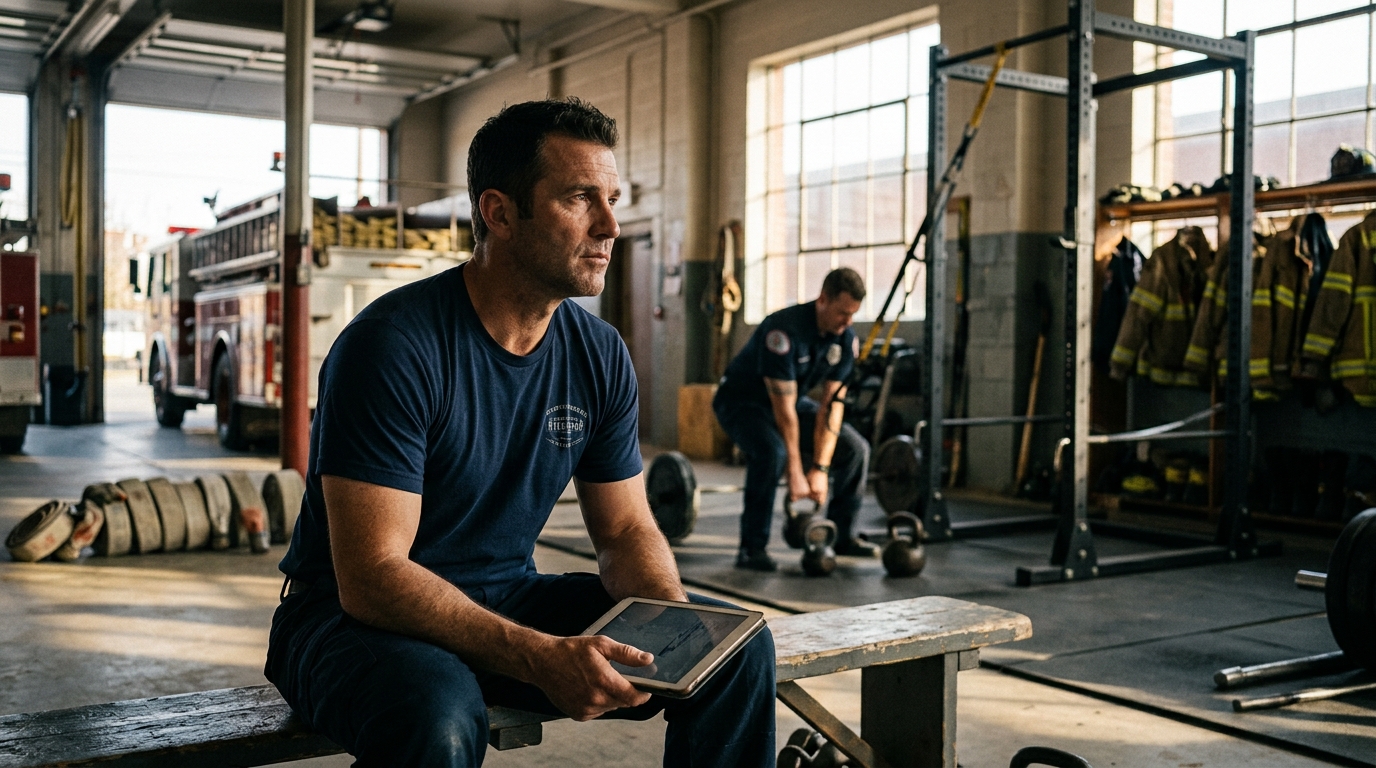
Finding the right training system requires understanding how emergency service demands shape physical preparation. Recent industry data shows that over 6,000 firefighters now utilize specialized functional training systems to maintain operational readiness. Fire service journals consistently report that standardized conditioning reduces injury rates across active duty personnel. You must evaluate programs that address the specific biomechanical loads of emergency response. This guide breaks down the exact steps to identify, test, and commit to a system that delivers measurable results.
Understand Operational Demands
Emergency response requires sustained physical output under heavy protective gear. Musculoskeletal health guidelines emphasize that repetitive lifting and climbing accelerate joint degradation without targeted conditioning. Functional training for firefighters focuses on replicating these exact movement patterns. You should prioritize programs that simulate gear weight and unpredictable terrain. This approach builds the specific endurance needed for real-world incidents. Active duty personnel frequently experience lower back strain when training ignores the forward lean and uneven load distribution of structural firefighting. You must select a curriculum that addresses these precise biomechanical stressors.
Evaluate Program Structure
A reliable system must align with irregular shift schedules and high-stress environments. National fire safety standards recommend structured recovery protocols to prevent chronic fatigue. Look for modular scheduling that allows athletes to adjust intensity based on call volume. The program should include progressive overload phases that build strength without compromising mobility. Flexible delivery models ensure consistency during demanding rotations. You should verify that the curriculum includes active recovery days and mobility drills. This structural flexibility prevents burnout and maintains long-term engagement. Station life demands adaptable programming that respects unpredictable call times.
Assess Coaching Credentials
Instructors must possess direct experience with emergency service operations. International strength associations certify coaches who understand the physiological demands of protective equipment. Verify that your trainer holds active certifications in corrective exercise and performance nutrition. Direct mentorship from former or active first responders guarantees practical application. You need guidance that translates directly to station life and field performance. Coaches should demonstrate familiarity with CPAT scoring rubrics and gear simulation protocols. You must prioritize instructors who provide real-time form corrections and injury prevention strategies. This level of expertise separates theoretical frameworks from operational realities.
Compare Training Modalities
Different equipment selections produce varying adaptation rates for emergency personnel. Fire service training publications consistently rank kettlebell drills as highly effective for core stabilization. You should compare programs that integrate functional movements with sport-specific drills. Hybrid systems often combine resistance training with cardiovascular conditioning. This balanced approach prevents muscular imbalances that commonly affect active duty staff. You must evaluate whether the curriculum emphasizes unilateral movements. Asymmetrical loading mimics the reality of carrying victims or dragging hoses. Programs that ignore unilateral training leave athletes vulnerable to common field injuries. Prioritize modalities that build rotational power and grip endurance simultaneously.
Verify Proven Outcomes
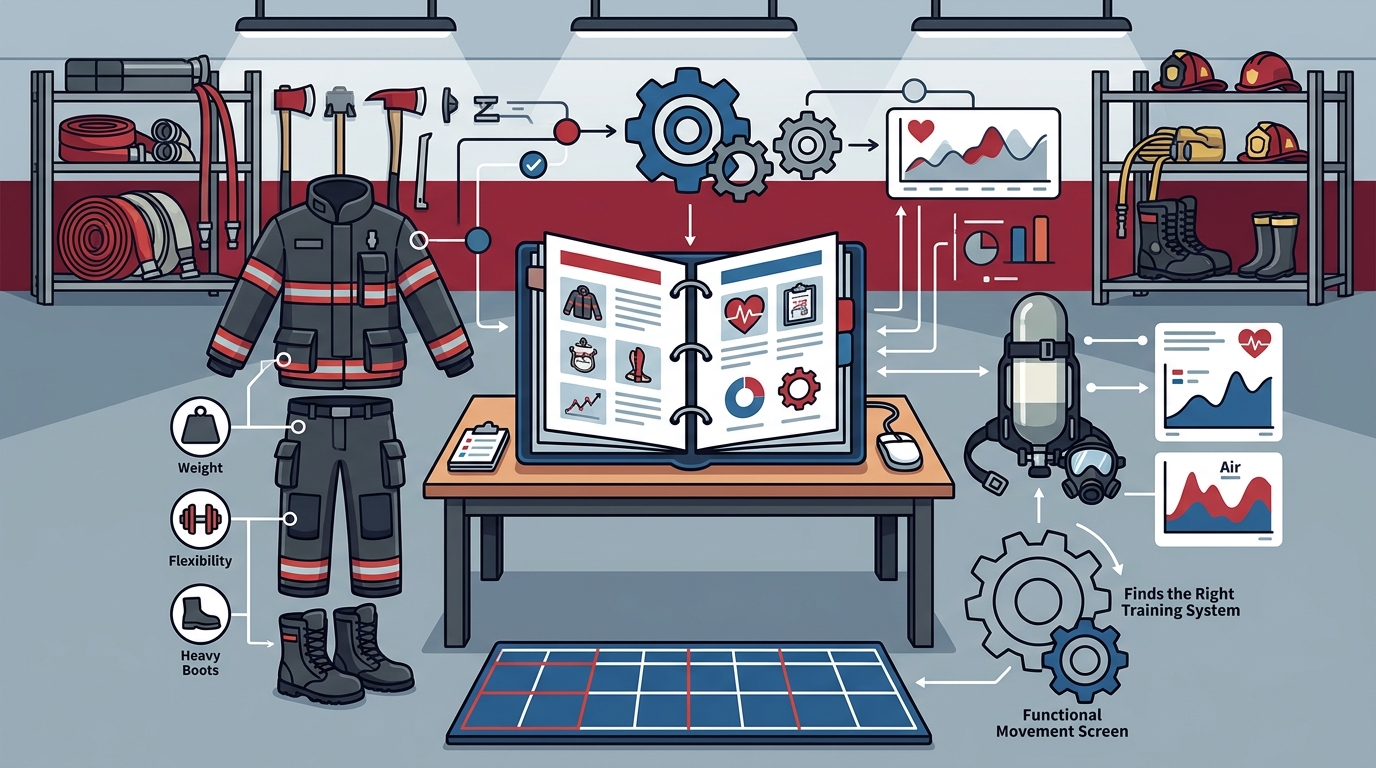
Measurable results separate theoretical frameworks from operational realities. Public health research indicates that structured strength programs reduce lower back injuries by nearly forty percent. Review case studies that document weight loss, mobility improvements, and CPAT score increases. Successful programs track progress through standardized physical ability tests. You must demand transparency regarding athlete success rates and retention metrics. Look for documented testimonials that highlight specific poundage lost and exam scores achieved. Transparent tracking ensures accountability and validates program efficacy. You should request access to historical performance data before committing financially. Verified outcomes provide the confidence needed to sustain long-term training habits.
Access Specialized Resources
Dedicated platforms provide structured pathways for career-focused athletes. Fire service education portals highlight the importance of continuous skill development beyond basic conditioning. You should explore programs that offer digital coaching, video analysis, and community support. Integrated platforms often include nutrition guides tailored to high-calorie burn rates. These comprehensive ecosystems accelerate adaptation and sustain long-term engagement. You must verify that the platform includes direct communication channels with certified coaches. Real-time feedback prevents dangerous form breakdowns during heavy lifts. Access to recorded training sessions allows athletes to review technique during off-shift hours. These digital resources bridge the gap between theoretical knowledge and practical execution.
Program Comparison Matrix
| Training Model | Primary Focus | Delivery Format | Best For |
|---|---|---|---|
| Functional First Responder Program | Operational readiness and gear simulation | 4-week structured coaching | Active duty personnel seeking rapid adaptation |
| Kettlebell Foundations | Core stabilization and grip endurance | 4-day digital plan | Beginners building foundational strength |
| Online Coaching Program | Personalized progression and accountability | 1-on-1 virtual mentorship | Athletes requiring customized scaling |
| CPAT Preparation Track | Exam-specific physical ability testing | Modular skill drills | Prospective recruits and career changers |
Key Takeaways
- Over 1,000 first responders have successfully completed the functional training system.
- Specialized programs reduce lower back injuries by approximately 40 percent according to health data.
- Functional training for firefighters replicates exact biomechanical loads of emergency response.
- CPAT prep coaching requires exam-specific drills and standardized physical ability testing.
- First responder strength program integration improves gear-wearing endurance significantly.
- Online coaching program delivery ensures accountability during irregular shift schedules.
Frequently Asked Questions
What defines functional training for firefighters?
Functional training for firefighters is a specialized conditioning methodology that replicates the exact biomechanical loads and movement patterns required during emergency response operations.
How does CPAT prep coaching differ from general fitness?
CPAT prep coaching is a targeted preparation system designed to simulate the specific physical ability tests required for career recruitment and promotion examinations.
Why is first responder strength program integration critical?
First responder strength program integration is a systematic approach that aligns daily conditioning with the unpredictable physical demands of emergency service shifts.
What equipment does the kettlebell foundations module utilize?
The kettlebell foundations module utilizes weighted implements that develop core stabilization, grip endurance, and rotational power essential for gear handling.
How does the online coaching program handle irregular shift schedules?
The online coaching program handles irregular shift schedules by providing modular scheduling options that allow athletes to adjust intensity based on call volume and recovery needs.
What metrics track successful program completion?
Successful program completion is tracked through standardized physical ability tests, documented weight loss, mobility improvements, and verified CPAT score increases.
Can volunteer personnel access the same functional resources?
Volunteer personnel can access the same functional resources through tiered coaching options that scale difficulty and accountability to match individual experience levels.
Begin Your Specialized Training Journey
Identifying the right system is only the first step. You must commit to a structured pathway that delivers measurable operational readiness. Apply for our online coaching program today to secure your spot. Our team evaluates every application to ensure proper placement. Visit everydayheroesfitness.com to explore additional resources. Secure your 4-week functional first responder training program signup now. Access the firefighter kettlebell foundations module to accelerate your adaptation. Review our cart to finalize your equipment selection. Transform your operational readiness today.