
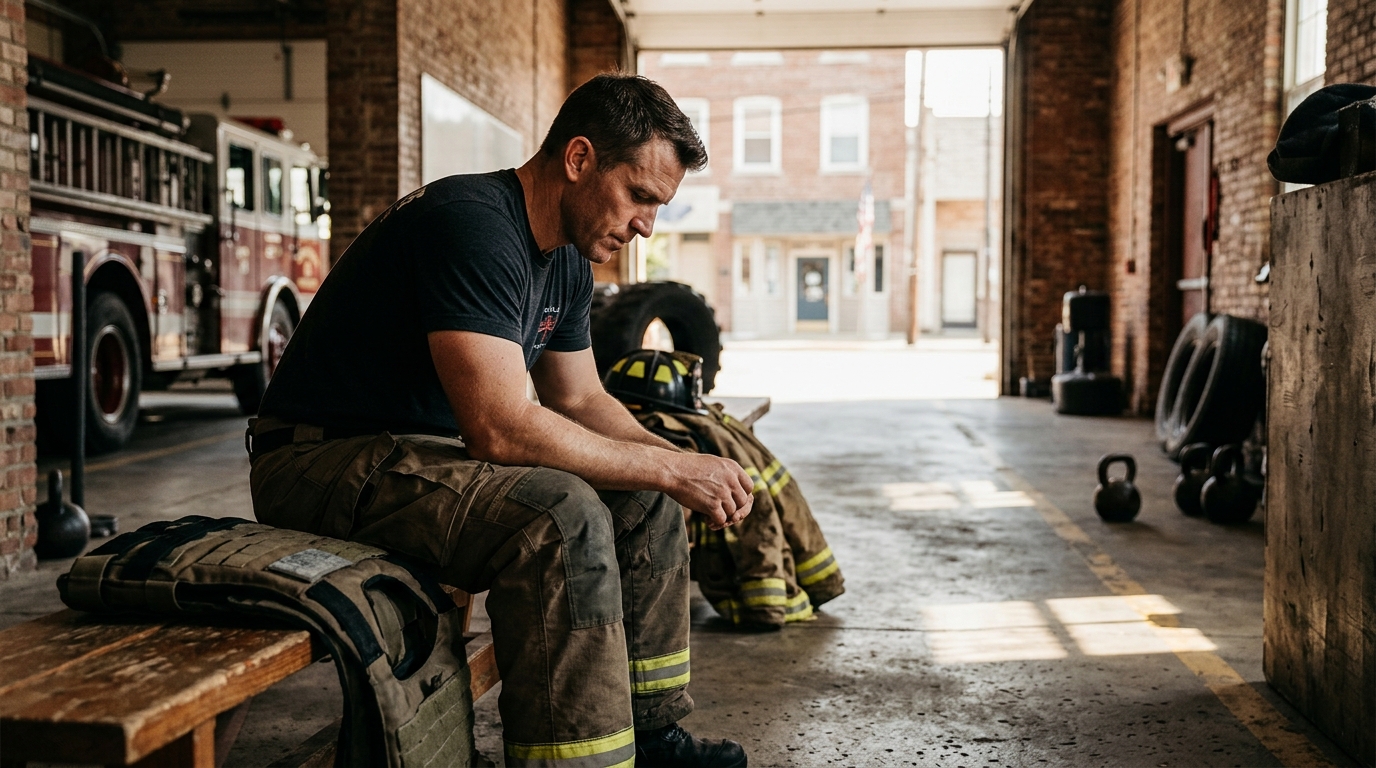
First responders face unique physical demands that require specialized conditioning. According to recent industry data, the average annual expenditure for dedicated first responder training programs ranges between two thousand and four thousand dollars. This financial commitment reflects the specialized nature of functional strength conditioning. Many departments allocate specific budget lines for personnel wellness. Understanding these financial parameters helps candidates plan their career longevity effectively. (Everyday Heroes Fitness)
Understanding Modern First Responder Training Budgets
Functional fitness is a training methodology that prioritizes multi-planar movements mimicking real-world occupational tasks. Traditional commercial gyms rarely address the specific load-bearing requirements of emergency response work. Candidates must budget for structured coaching that bridges the gap between general exercise and occupational readiness. Occupational readiness refers to the physical capacity required to execute emergency response duties safely. Most specialized programs operate on a monthly subscription basis rather than lifetime memberships. This recurring revenue model allows coaches to continuously update programming based on evolving safety standards. The National Fire Protection Association publishes updated equipment and training guidelines annually. These updates directly influence how coaching businesses structure their curriculum pricing. Firefighters should expect initial onboarding fees to cover fitness assessments and baseline testing. These assessments establish a clear starting point for tracking physiological improvements over time. (Unilateral Resistance Training)
Online Coaching Models and Subscription Tiers
Program pricing models represent the structured financial frameworks used by coaching businesses to deliver consistent value. The shift toward digital delivery has dramatically reduced overhead costs for specialized fitness providers. Candidates can access live video check-ins, customized periodization, and real-time form corrections without traveling to a physical location. Many providers offer tiered access levels that scale with the athlete's experience. Basic tiers typically include automated programming and monthly progress reviews. Premium tiers add direct coach communication, nutrition guidance, and recovery protocols. The average monthly investment for dedicated online coaching falls between one hundred and two hundred fifty dollars. This range accounts for varying levels of human interaction and program customization. Athletes should verify whether their subscription includes access to community forums or peer accountability groups. These digital ecosystems often provide additional motivation without increasing the base subscription rate. Many providers also offer quarterly or annual payment discounts to reduce long-term financial friction.
Specialized Equipment and Kettlebell Integration
Firefighter kettlebell foundations programs have become a standard component of modern first responder conditioning. The kettlebell remains the primary tool for developing explosive hip drive and core stability. These movements directly translate to dragging victims, carrying heavy hoses, and navigating confined spaces. Most specialized programs require athletes to purchase basic equipment upfront. A standard home setup typically includes a single kettlebell, resistance bands, and a pull-up bar. The initial equipment investment usually ranges from eighty to one hundred fifty dollars. This one-time expense eliminates recurring facility fees and allows for consistent training regardless of location. Coaches often provide detailed purchasing guides to ensure athletes select appropriate weights. Starting with a lighter implement reduces injury risk while building proper movement patterns. Athletes should prioritize quality manufacturing standards to ensure long-term durability. Cheap alternatives often feature uneven weight distribution, which compromises safety during dynamic lifts.
Regional Variability in Facility Access Fees
Geographic location significantly impacts the final cost of specialized fitness programming. Urban centers with higher commercial real estate prices naturally charge premium rates for facility access. Rural programs often operate with lower overhead, allowing them to offer more competitive pricing structures. Some departments negotiate group discounts with local training facilities to subsidize athlete participation. These municipal partnerships can reduce individual out-of-pocket expenses by thirty percent or more. Athletes should investigate whether their local fire district maintains a wellness stipend. Many progressive municipalities allocate annual funds specifically for occupational health initiatives. These funds can offset coaching fees, equipment purchases, or periodic fitness assessments. Candidates should also explore community recreation centers that offer specialized first responder classes. These public options frequently provide high-quality instruction at a fraction of private studio rates.
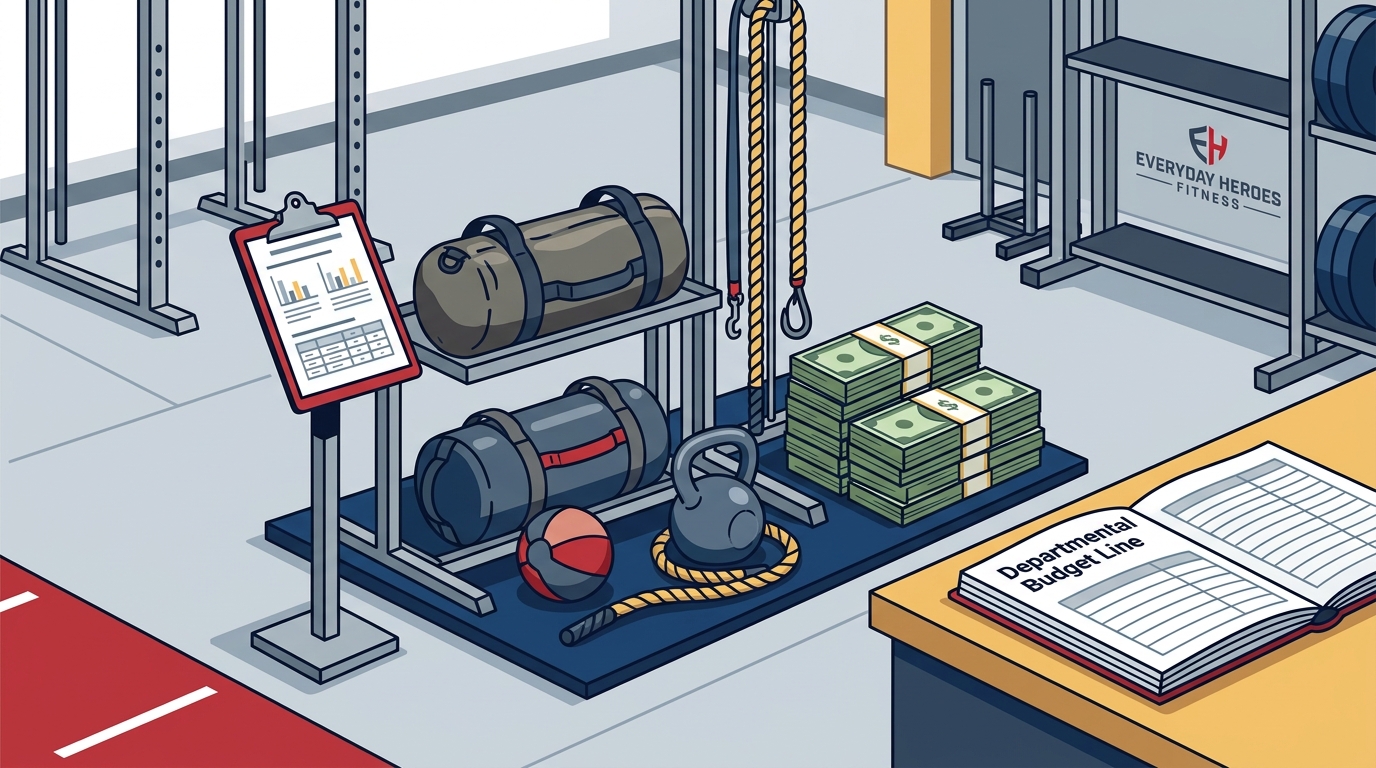
Hidden Costs in Traditional Gym Memberships
Standard commercial gym memberships often fail to deliver the specific adaptations required for emergency response work. Athletes frequently waste money on unused premium tiers, class packages, or personal training sessions that lack occupational relevance. The true cost of generic fitness programs includes lost time, inconsistent programming, and increased injury risk. Specialized coaching eliminates these inefficiencies by focusing exclusively on job-specific movement patterns. When candidates calculate the total financial impact of trial-and-error training, the value of structured programs becomes obvious. Many athletes report faster recovery times and fewer musculoskeletal complaints after switching to targeted coaching. This reduction in downtime directly translates to higher shift availability and improved departmental staffing. The American Council on Exercise emphasizes that occupation-specific programming yields superior long-term health outcomes. Investing in the correct system prevents costly medical interventions and premature career termination.
Evaluating Return on Investment for Career Longevity
Physical decline accelerates after the first decade of active service. Joint degeneration, chronic back pain, and cardiovascular strain become common barriers to continued employment. Specialized fitness programs directly address these age-related physiological changes. Athletes who maintain consistent training regimens report higher promotion rates and extended career spans. The financial return on structured coaching becomes evident when comparing long-term medical expenses against monthly subscription fees. Preventative conditioning reduces the likelihood of workers compensation claims and disability filings. Many insurance providers now offer premium discounts to members who demonstrate consistent participation in certified wellness programs. These financial incentives further improve the overall value proposition of specialized coaching. Athletes should track their progress using standardized fitness assessments to quantify improvements. Documented performance gains strengthen internal promotion cases and justify departmental budget allocations.
Program Comparison Overview
| Program Type | Core Features | Typical Monthly Cost | Best For |
|---|---|---|---|
| Online Coaching | Custom programming, video check-ins, real-time feedback | $100 to $250 | Athletes seeking personalized guidance without travel |
| 4-Week Functional Program | Structured phase-based training, progressive overload | $49 to $99 | Candidates preparing for physical ability tests |
| Kettlebell Foundations | Core stability, explosive hip drive, movement literacy | Free to $29 | Beginners building foundational strength |
| Department Group Plans | Subsidized rates, team accountability, facility access | $50 to $150 | Municipal teams with wellness stipends |
Key Takeaways
- The average annual expenditure for dedicated first responder training programs ranges between two thousand and four thousand dollars.
- Online coaching subscriptions typically fall between one hundred and two hundred fifty dollars per month.
- Initial equipment investments for home setups average eighty to one hundred fifty dollars.
- Municipal partnerships can reduce individual out-of-pocket expenses by thirty percent or more.
- Preventative conditioning reduces workers compensation claims and extends active career spans.
- Standard commercial gym memberships rarely address occupation-specific movement patterns.
- Documented performance gains strengthen internal promotion cases and justify departmental budget allocations.
Frequently Asked Questions
Is specialized firefighter fitness programming worth the monthly subscription fee?
Yes, because targeted conditioning directly reduces injury risk and extends career longevity. The financial return becomes evident when comparing long-term medical expenses against consistent coaching fees.
What equipment do I need to start a home-based program?
You will need a single kettlebell, resistance bands, and a pull-up bar. This basic setup covers ninety percent of occupational movement patterns.
Do fire departments typically subsidize fitness program costs?
Many progressive municipalities allocate annual wellness funds to subsidize athlete participation. Candidates should verify their local department's specific budget guidelines.
How quickly can I expect to see measurable performance improvements?
Can I combine online coaching with traditional gym memberships?
Yes, but you must ensure the gym environment does not interfere with your primary programming. Many athletes use commercial facilities for supplementary cardio while following specialized strength protocols.
What happens if I miss a scheduled training session?
Flexible programming allows athletes to swap workouts without breaking their progression cycle. Coaches typically provide alternative movement options to maintain consistency.
Are there financial assistance options for volunteer firefighters?
Many specialized programs offer discounted rates or scholarship tiers for volunteer personnel. Candidates should contact coaching providers directly to inquire about available assistance.
Start Your Specialized Training Today
Investing in occupation-specific conditioning protects your career, reduces long-term medical expenses, and ensures you remain ready for duty. Apply for coaching today to access structured programming designed exclusively for first responders. Visit the primary application portal to review available subscription tiers and schedule your initial fitness assessment. Secure your spot in a proven system that has already assisted thousands of athletes in regaining their strength and confidence.