
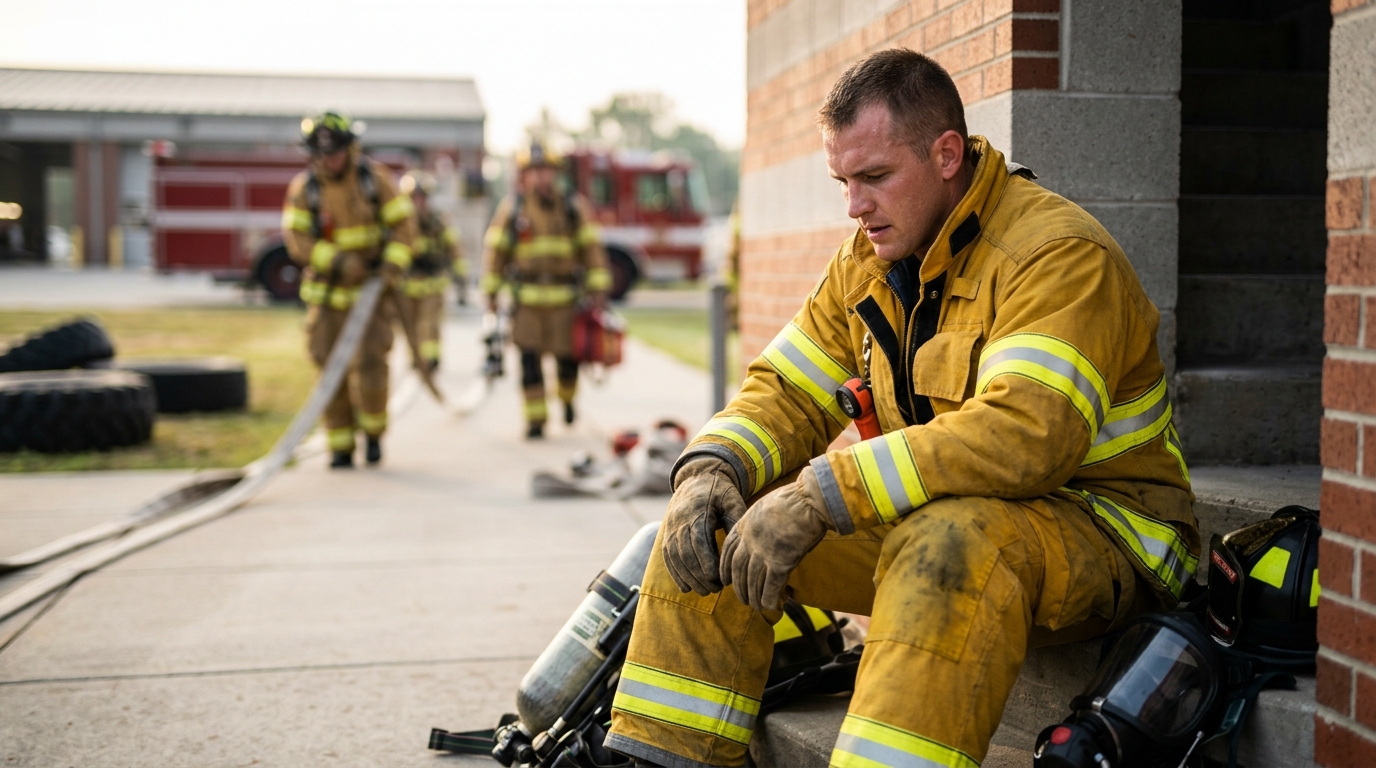
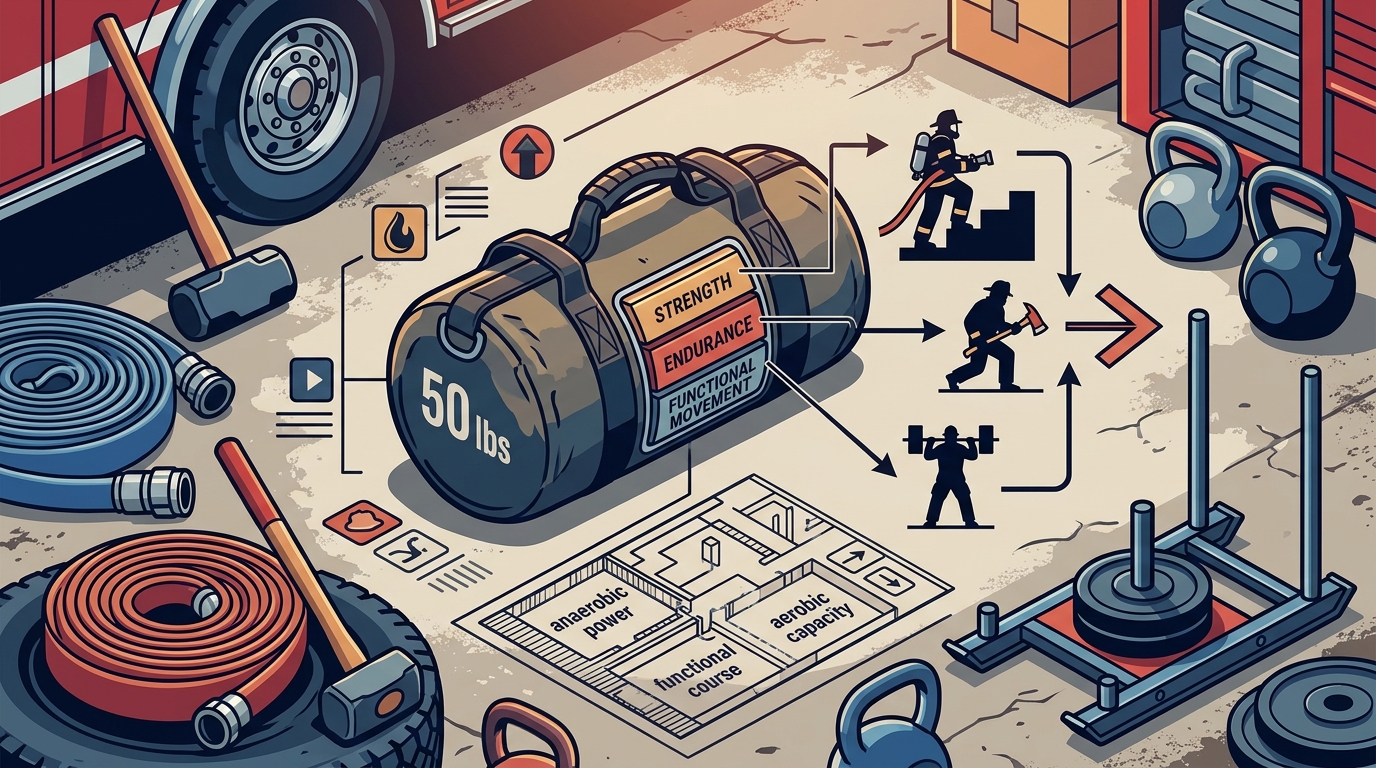
First responders face physical demands that exceed those of the average athlete. According to the National Institute for Occupational Safety and Health, firefighters often carry loads exceeding 50 pounds while navigating complex environments, requiring a blend of anaerobic power and aerobic capacity. This guide outlines the proven strategies to build the specific strength and endurance needed for the job. (First in Response)
Understanding Functional Movement Patterns
Generic gym routines often fail first responders because they isolate muscles rather than training them as a cohesive unit. Functional fitness is the practice of training your body to work together and prepare you for real-life tasks. For firefighters, this means focusing on compound movements that mimic the demands of the fireground.
When you are dragging a hose line or carrying a victim down stairs, your body must generate force through multiple joints simultaneously. Training in isolation, such as using a leg extension machine, does not translate to these dynamic scenarios. Instead, prioritize exercises that require balance, coordination, and core stability.
The 4-Week Functional First Responder Training Program is designed specifically to address these gaps. It moves away from aesthetic-focused bodybuilding and toward performance-based conditioning. This approach ensures that every rep you complete contributes directly to your operational readiness. (First responders benefit)
Building Foundational Strength
Strength is the bedrock of first responder fitness. Without a base level of strength, endurance becomes difficult to sustain under heavy loads. The primary goal is to build a body that can withstand the rigors of the job without breaking down.
The Kettlebell Advantage
Kettlebells are arguably the most effective tool for first responders. They allow for ballistic movements that build explosive power while simultaneously engaging the core. Functional strength is the ability to apply force efficiently in any direction. Kettlebell swings, cleans, and snatches replicate the explosive nature of breaking down doors or lifting heavy debris.
For those new to this equipment, the Firefighter Kettlebell Foundations program provides a structured entry point. It teaches proper form and technique, ensuring you build strength without risking injury. This free 4-day plan is a critical starting point for unlocking your potential.
Compound Lifts for Operational Power
In addition to kettlebells, compound lifts like squats, deadlifts, and overhead presses are essential. These movements build the raw power needed for heavy lifting. However, the focus must remain on quality of movement over sheer weight. Progressive overload, where you gradually increase the difficulty of your workouts, is key to continuous improvement.
Many first responders struggle with back pain due to poor lifting mechanics. By strengthening the posterior chain, you protect your spine and improve your overall lifting capacity. This is not just about looking fit; it is about staying healthy and capable throughout your career.
Developing Cardiovascular Endurance
Endurance in firefighting is not just about running long distances. It is about maintaining high-intensity output for extended periods while wearing heavy protective gear. This requires a unique type of conditioning that bridges the gap between aerobic and anaerobic systems.
Interval Training for Real-World Scenarios
High-Intensity Interval Training (HIIT) is superior to steady-state cardio for first responders. It mimics the stop-start nature of emergency calls. You might have moments of intense exertion followed by brief periods of relative rest. Training your body to recover quickly between bursts of effort is crucial.
Exercises like burpees, rowing sprints, and battle ropes are excellent for building this specific type of endurance. They elevate your heart rate rapidly and challenge your lungs and heart to adapt to stress. This adaptation allows you to perform better during long shifts and complex incidents.
Aerobic Base Building
While HIIT is vital, a strong aerobic base is equally important. Long, slow distance running or cycling helps improve your heart's efficiency and your body's ability to use oxygen. This foundation supports your high-intensity work and aids in faster recovery between bouts of exertion.
Integrating both types of cardio ensures you are prepared for any scenario. Whether it is a quick response to a structure fire or a prolonged search and rescue operation, your cardiovascular system will be ready to perform.
Nutrition and Recovery Protocols
Training is only half the equation. Without proper nutrition and recovery, your body cannot adapt and grow stronger. First responders often have irregular schedules, making consistent nutrition challenging but essential.
Fueling for Performance
Your diet should focus on whole, nutrient-dense foods that provide sustained energy. Complex carbohydrates like oats and sweet potatoes fuel your workouts, while lean proteins support muscle repair. Healthy fats are crucial for hormone production and joint health.
Hydration is often overlooked but is critical for cognitive function and physical performance. Dehydration can lead to decreased reaction times and increased risk of heat stress. Aim to drink water consistently throughout the day, not just during workouts.
The Role of Recovery
Recovery is when your body actually gets stronger. Sleep, stretching, and mobility work are non-negotiable components of a first responder's fitness plan. Recovery is the process by which the body repairs micro-tears in muscle tissue and replenishes energy stores. Without adequate rest, you risk overtraining and injury.
Consider incorporating foam rolling and dynamic stretching into your daily routine. These practices improve flexibility and reduce muscle soreness. The Online Coaching Program offers personalized guidance on nutrition and recovery, ensuring you stay on track with your goals.
Preparing for the CPAT
For those looking to enter the field or advance their careers, the Candidate Physical Ability Test (CPAT) is a significant hurdle. This test evaluates your ability to perform essential job functions under time pressure.
Simulating Test Conditions
To pass the CPAT, you must train under conditions that mimic the test. This includes wearing a weighted vest or turnout gear during your workouts. The 4-Week Functional First Responder Training Program includes specific modules designed to prepare you for these demands.
Key CPAT Events
The CPAT typically includes events like the stair climb, hose drag, forcible entry, and rescue drag. Each event requires a different combination of strength and endurance. Practice each event separately to identify your weaknesses, then integrate them into your overall training plan.
Consistency is key. Regular practice will improve your efficiency and reduce the energy cost of each task. This allows you to conserve energy for the later stages of the test.
Key Takeaways
- Functional Fitness: Focus on compound movements that mimic real-world tasks rather than isolated muscle exercises.
- Kettlebell Training: Utilize kettlebells for explosive power and core stability, as seen in the Firefighter Kettlebell Foundations program.
- Interval Training: Prioritize HIIT to build the specific endurance needed for high-intensity emergency responses.
- Nutrition: Fuel your body with whole foods and stay hydrated to support performance and recovery.
- Recovery: Prioritize sleep and mobility work to prevent injury and optimize adaptation.
- CPAT Prep: Train with weighted gear to simulate test conditions and improve efficiency.
- Community Support: Join a community of first responders for accountability and shared experiences, as offered in the Online Coaching Program.
Frequently Asked Questions
What is the best type of exercise for firefighters?
Functional fitness that combines strength and endurance is best. This includes kettlebell workouts, compound lifts, and high-intensity interval training.
How can I improve my endurance for the job?
Focus on interval training that mimics the stop-start nature of emergency calls. Incorporate weighted carries and stair climbs into your routine.
Is the CPAT difficult to pass?
It is challenging but passable with proper preparation. Training specifically for the test events and wearing weighted gear can significantly improve your chances.
What role does nutrition play in first responder fitness?
Nutrition fuels your workouts and aids in recovery. A diet rich in whole foods and proper hydration is essential for maintaining high performance levels.
How often should I train to see results?
Consistency is key. Aim for at least three to four sessions per week, combining strength and conditioning work for optimal results.
Can I train at home without a gym?
Yes, kettlebell workouts and bodyweight exercises can be done at home. The Firefighter Kettlebell Foundations program provides guidance for home training.
What is the importance of recovery in fitness?
Recovery allows your body to repair and adapt to training stress. Without it, you risk injury and burnout, hindering your progress.
Ready to Transform Your Performance?
Building the strength and endurance needed for first response is not just about physical fitness; it is about mental resilience and operational readiness. The Online Coaching Program provides the structure, accountability, and expertise you need to succeed. Join the community of first responders who have transformed their lives and careers. Apply for coaching today and start your journey to becoming the Everyday Hero you were meant to be.