
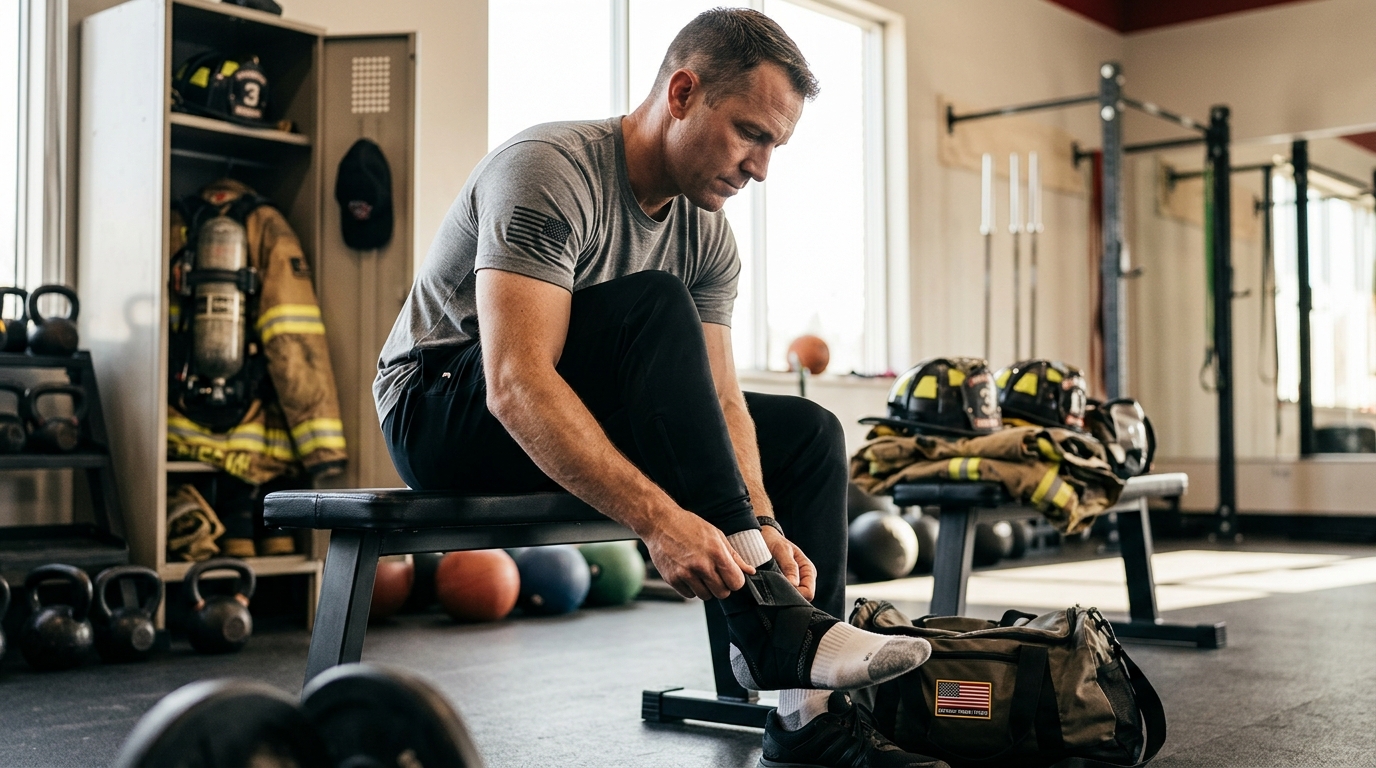
Chronic physical degradation is a silent epidemic in the fire service, with NFPA data indicating that over 70% of firefighter line-of-duty injuries are musculoskeletal in nature. These injuries often stem from the extreme physical demands of structural firefighting, including heavy gear loads, awkward lifting positions, and prolonged exposure to heat stress. For many first responders, the transition from active duty to recovery requires more than just rest; it demands a specialized, functional fitness program designed to rebuild strength without re-injury. This guide explores the most effective training methodologies for firefighter injury recovery and long-term fitness improvement.
Understanding the Mechanics of Firefighter Injuries
Firefighting is inherently dangerous, not just due to fire and smoke, but because of the physical toll it takes on the human body. NIOSH reports show that back injuries, knee damage, and shoulder strains are the most common complaints among active and retired firefighters. These issues often arise from repetitive strain during hose drags, forcible entry, and victim carries.
Traditional gym routines often fail to address these specific biomechanical weaknesses. Generic weightlifting programs may build muscle but neglect the stabilizer muscles required for fireground operations. This gap creates a vulnerability where firefighters return to duty with imbalances that lead to further injury. Effective recovery programs must prioritize functional movement patterns over isolated muscle groups.
Recovery is not merely about healing the initial injury. It is about restoring the body's ability to perform under load. This requires a phased approach that begins with mobility and ends with high-intensity functional training. Without this structured progression, firefighters risk chronic pain and early retirement due to physical limitations.
The Functional First Responder Program
The Functional First Responder Program is designed specifically to address the unique physical demands of the fire service. This program moves away from aesthetic goals and focuses entirely on readiness and performance. It is built on the principle that fitness must be transferable to the fireground.
One of the core components of this program is its emphasis on functional strength. This means training movements that mimic the actions performed during a call, such as lifting, carrying, and pushing. By replicating these motions in a controlled environment, firefighters can rebuild strength while reinforcing proper form.
The program also integrates mental resilience training. Physical recovery is closely linked to mental well-being. Many firefighters struggle with the psychological impact of their injuries, leading to a loss of confidence in their abilities. The program addresses this by providing a supportive community and structured accountability, ensuring that participants stay engaged throughout their recovery process.
Participants in this program often report significant improvements in their daily lives, not just on the job. The focus on core stability and joint health helps alleviate chronic pain, allowing firefighters to return to their families with renewed energy and vitality.
Firefighter Kettlebell Foundations
Kettlebells are a critical tool in the firefighter's fitness arsenal. The Firefighter Kettlebell Foundations program offers a free, four-day plan that introduces first responders to the benefits of kettlebell training. This program is ideal for those looking to start their recovery journey with a low-barrier entry point.
Kettlebell exercises promote dynamic strength and endurance simultaneously. Unlike traditional dumbbells, the offset center of gravity in a kettlebell requires the body to engage stabilizer muscles to maintain control. This is particularly beneficial for firefighters recovering from shoulder or back injuries, as it strengthens the connective tissues without excessive joint loading.
The program covers essential movements such as the swing, the clean, and the press. Each exercise is broken down into manageable steps, ensuring that even those with limited fitness experience can participate safely. The focus is on mastering technique before increasing weight, which is crucial for injury prevention.
By incorporating kettlebell training into their routine, firefighters can improve their grip strength, a common area of weakness that impacts performance on the fireground. Stronger grip muscles translate to better hose handling and more effective forcible entry techniques.
Benefits of Online Coaching for Recovery
For many firefighters, accessing specialized coaching can be challenging due to shift work and geographic location. The Online Coaching Program bridges this gap by providing personalized guidance from anywhere. This model allows firefighters to receive expert feedback without disrupting their schedules.
Personalized coaching ensures that the training program is tailored to the individual's specific injury history and fitness level. A generic plan may not account for a previous knee surgery or a chronic back issue, potentially exacerbating the problem. A coach can adjust exercises in real-time to accommodate these limitations.
Accountability is another significant benefit of online coaching. Recovery can be a slow and frustrating process. Having a coach to check in with regularly helps maintain motivation and ensures that participants are adhering to their rehabilitation protocols. This support system is vital for long-term success.
Additionally, online coaching often includes nutrition guidance. Proper nutrition is essential for tissue repair and muscle growth. Coaches can provide meal plans that fit the irregular eating habits of first responders, ensuring they get the nutrients they need to heal effectively.
Comparing Recovery Program Options
Choosing the right program depends on individual needs, injury severity, and fitness goals. The table below outlines the key differences between the primary offerings from Everyday Heroes Fitness.
| Program Name | Best For | Format | Key Focus |
|---|---|---|---|
| 4-Week Functional First Responder Program | Firefighters seeking a structured, short-term intensive | Self-Guided Digital | Functional strength and weight loss |
| Firefighter Kettlebell Foundations | Beginners or those needing a gentle start | Free 4-Day Plan | Kettlebell technique and mobility |
| Online Coaching Program | Those needing personalized injury rehabilitation | 1-on-1 Coaching | Customized recovery and long-term fitness |
Each program serves a different stage of the recovery journey. The Kettlebell Foundations program is an excellent starting point for those unsure of their capabilities. The 4-Week Program provides a clear roadmap for immediate results. For those with complex injuries, the Online Coaching Program offers the highest level of support and customization.
It is important to listen to your body and choose a program that aligns with your current physical condition. Starting too aggressively can hinder recovery, while starting too conservatively may lead to stagnation. A phased approach, potentially moving from one program to another, is often the most effective strategy.
Key Takeaways
- Musculoskeletal injuries account for the majority of firefighter line-of-duty injuries, making targeted recovery essential.
- Functional fitness prioritizes movement patterns over isolated muscles, ensuring strength is transferable to the fireground.
- The 4-Week Functional First Responder Program has helped over 6,000 firefighters improve their strength and performance.
- Kettlebell training improves grip strength and core stability, which are critical for hose handling and lifting.
- Online coaching provides personalized injury rehabilitation and accountability, crucial for long-term recovery success.
- Nutrition plays a vital role in tissue repair and should be integrated into any recovery plan.
- Mental resilience is as important as physical healing, and community support helps maintain motivation.
Frequently Asked Questions
Can I recover from a back injury and still train?
Yes, with the right program. Functional fitness programs focus on core stability and proper movement patterns, which can actually help alleviate back pain when performed correctly. It is crucial to start with low-impact exercises and gradually progress.
What is the Functional First Responder Program?
It is a specialized training system designed for first responders that combines functional workouts with nutrition guidance to rebuild strength and endurance specific to fireground demands.
Is the Kettlebell Foundations program free?
Yes, the Firefighter Kettlebell Foundations program is a free four-day plan that introduces first responders to essential kettlebell techniques for building functional strength.
How does online coaching help with injury recovery?
Online coaching provides personalized adjustments to exercises based on your specific injury history, ensuring you train safely while still making progress. It also offers accountability and nutritional support.
What are the benefits of kettlebell training for firefighters?
Kettlebell training improves grip strength, core stability, and dynamic endurance. These attributes are directly transferable to tasks like dragging hoses and carrying victims.
How long does it take to see results from a recovery program?
Results vary based on the severity of the injury and consistency. However, many participants in the 4-Week Functional First Responder Program report noticeable improvements in strength and energy levels within the first month.
Do I need gym equipment to follow these programs?
Most programs are designed to be adaptable. The Kettlebell Foundations program requires a kettlebell, while other programs may use bodyweight or minimal equipment. Online coaches can provide alternatives for home training.
Start Your Recovery Journey
Recovering from an injury is not just about returning to the status quo. It is about building a stronger, more resilient body that can handle the demands of the fire service for years to come. Whether you choose the 4-Week Functional First Responder Program, the Kettlebell Foundations, or personalized online coaching, the first step is taking action.
Do not let injury define your career. Join the community of first responders who have reclaimed their strength and confidence. Visit Everyday Heroes Fitness today to apply for coaching or download your free program and start your path to recovery.