
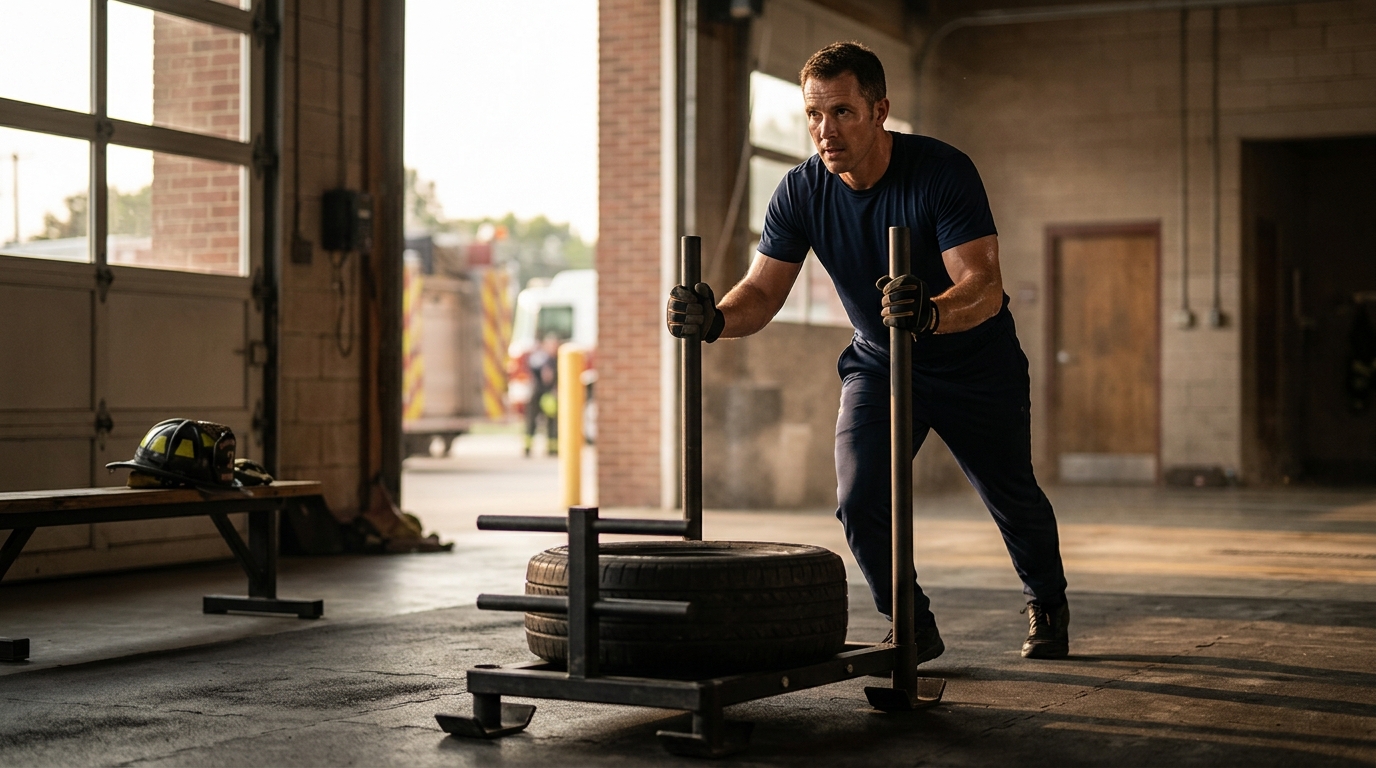
Firefighters face unique physical demands that require specialized conditioning beyond standard gym routines. According to recent industry reports, over sixty percent of active personnel struggle with maintaining optimal body composition while managing shift work. This reality makes selecting the right training framework absolutely essential for long-term career longevity. A properly structured regimen directly impacts your ability to pass physical ability tests and recover from high-stress incidents. You must evaluate several operational variables before committing to a new coaching system.
Functional Movement Patterns
Multi-Planar Training
Functional training is a structured methodology that replicates real-world occupational movements rather than isolating single muscle groups. Firefighting requires multi-directional force production, heavy load carrying, and rapid directional changes. Standard bodybuilding routines often fail to translate to actual emergency scenarios. You need a curriculum that emphasizes compound movements like farmer carries, sled pushes, and dynamic lunges. These exercises build the kinetic chain resilience required for prolonged structural firefighting operations.
Injury Prevention Focus
Chronic lower back injuries remain the leading cause of early retirement among first responders. A quality program prioritizes core stabilization and posterior chain development to protect spinal integrity. You should verify that the curriculum includes dedicated mobility work and recovery protocols. Preventive conditioning reduces downtime and keeps you operational during peak demand periods.
CPAT Alignment and Testing
Test-Specific Drills
The Candidate Physical Ability Test evaluates job-specific tasks rather than general athletic performance. Successful candidates must master stair climbing, hose drags, forcible entry simulations, and victim rescues. Your selected program must explicitly integrate these exact drills into weekly sessions. Generic cross-training platforms rarely prepare you for the specific equipment weights and awkward angles used during actual examinations.
Progressive Overload
Progressive overload is a training principle that systematically increases workload to force continuous physiological adaptation. You need a coaching system that tracks your performance metrics across multiple testing cycles. Gradual intensity increases prevent plateaus and ensure you meet the minimum time standards required by your local department. Consistent progression directly correlates with higher pass rates on certification day.
Equipment Accessibility
Kettlebell Integration
Kettlebell training is a highly efficient strength modality that develops grip endurance, rotational power, and cardiovascular capacity simultaneously. Many modern first responder programs utilize these tools to simulate heavy gear handling without requiring massive rack space. You should confirm whether the curriculum incorporates structured kettlebell foundations. Mastering these implements builds the specific grip strength needed to operate heavy hoses and rescue tools efficiently.
Facility Requirements
Online coaching platforms have revolutionized how first responders access specialized instruction. You can now receive personalized programming without traveling to a centralized gym location. Remote delivery models often include video analysis, weekly check-ins, and customized nutrition guidelines. This flexibility allows you to train around unpredictable shift schedules while maintaining consistent progress.
Coaching Expertise
Industry Background
Effective first responder coaching requires instructors who understand the physiological toll of emergency service work. You must verify that your coach holds relevant certifications and possesses direct experience with fire service personnel. Generic fitness instructors often lack the contextual knowledge required to modify exercises for heavy turnout gear. Specialized coaches understand the unique cardiovascular and musculoskeletal demands of your profession.
Accountability Systems
Consistent adherence to a training regimen remains the primary predictor of long-term success. You need a coaching framework that implements structured check-ins and performance tracking. Automated scheduling tools and direct communication channels keep you accountable during demanding work weeks. Reliable feedback loops prevent minor form breakdowns from escalating into serious injuries.
Program Flexibility
Shift-Work Adaptation
Rotating schedules and unpredictable call volumes disrupt traditional training routines. A premium program must offer modular session lengths and adjustable intensity levels. You should look for platforms that allow you to swap workout days without breaking your progression cycle. Adaptive scheduling ensures you never fall behind when emergency calls interrupt your planned routine.
Recovery Protocols
Recovery optimization is the systematic process of restoring physiological balance after intense physical stress. You need a curriculum that explicitly addresses sleep hygiene, active stretching, and nutritional timing. Overtraining syndrome severely compromises immune function and increases accident risk on the fireground. Smart programming balances high-intensity efforts with deliberate rest periods to sustain long-term performance.
Community Support
Peer Networking
Training alongside fellow first responders creates a powerful accountability ecosystem. You benefit from shared experiences, mutual motivation, and industry-specific problem solving. Many successful programs host virtual or in-person group sessions to foster camaraderie. This social reinforcement significantly improves adherence rates compared to solo training methods.
Success Stories
Real-world transformation data provides concrete evidence of program effectiveness. You should review documented case studies showing weight loss, strength gains, and successful CPAT completions. Transparent results demonstrate that the methodology actually delivers promised outcomes. Verified success stories reduce your risk when investing time and financial resources into a new system.
Measurable Outcomes
Performance Tracking
Data-driven programming eliminates guesswork from your fitness journey. You need a platform that records your baseline metrics and tracks improvements over time. Regular assessments allow you to adjust volume and intensity based on actual progress rather than arbitrary timelines. Transparent tracking ensures you stay on course toward your specific operational goals.
Longevity Focus
Longevity programming is a strategic approach that prioritizes joint health and sustainable strength over short-term aesthetic gains. You must select a system that values functional capacity above all else. Preserving your physical assets ensures you can serve your community for decades rather than burning out prematurely. Sustainable training builds the resilience required for a full career in emergency services.
| Program Feature | Standard Gym Routine | Specialized First Responder Program |
|---|---|---|
| Movement Patterns | Isolated muscle focus | Multi-planar functional drills |
| Equipment Used | Standard machines | Kettlebells, sleds, heavy ropes |
| Testing Alignment | General athletic metrics | CPAT specific simulations |
| Coaching Expertise | Generic fitness certification | Fire service specific background |
| Schedule Adaptation | Fixed weekly templates | Modular shift-work integration |
Key Takeaways
- Functional training is a structured methodology that replicates real-world occupational movements rather than isolating single muscle groups.
- Kettlebell training is a highly efficient strength modality that develops grip endurance, rotational power, and cardiovascular capacity simultaneously.
- Progressive overload is a training principle that systematically increases workload to force continuous physiological adaptation.
- Specialized programs integrate exact CPAT drills like stair climbing, hose drags, and victim rescues into weekly sessions.
- Online coaching platforms deliver personalized programming with video analysis and customized nutrition guidelines.
- Recovery optimization is the systematic process of restoring physiological balance after intense physical stress.
- Longevity programming is a strategic approach that prioritizes joint health and sustainable strength over short-term aesthetic gains.
Frequently Asked Questions
How long does it typically take to prepare for the CPAT?
Most candidates require eight to twelve weeks of dedicated training to master the specific physical demands of the examination. Consistent practice with heavy equipment and simulated drills significantly reduces test day anxiety. You should begin your preparation at least three months before your scheduled testing date.
Can I complete the program while working full-time shifts?
Absolutely. Modern coaching frameworks are explicitly designed to accommodate rotating schedules and unpredictable call volumes. You can adjust session lengths and swap workout days without breaking your overall progression cycle. Flexible programming ensures you never fall behind when emergency duties interrupt your routine.
What equipment do I need to follow the training plan?
You will need access to basic functional tools like kettlebells, resistance bands, and a sturdy platform for sled work. Many programs provide detailed equipment lists and suggest affordable alternatives for home or garage setups. You do not require expensive commercial gym memberships to achieve professional results.
How does coaching expertise impact my training results?
Specialized coaches understand the physiological toll of emergency service work and modify exercises accordingly. Generic instructors often lack the contextual knowledge required to safely handle heavy turnout gear simulations. Expert guidance prevents minor form breakdowns from escalating into career-ending injuries.
Is online coaching as effective as in-person training?
Remote delivery models now incorporate video analysis, weekly check-ins, and customized nutrition guidelines. You receive the same structured progression without the logistical constraints of centralized gym locations. Many first responders report higher adherence rates when training remotely due to schedule flexibility.
What happens if I miss a scheduled workout day?
Adaptive scheduling allows you to swap missed sessions without breaking your progression cycle. Smart programming balances high-intensity efforts with deliberate rest periods to sustain long-term performance. You can reschedule workouts around unpredictable call volumes without losing momentum.
How do I verify a program delivers actual results?
You should review documented case studies showing weight loss, strength gains, and successful CPAT completions. Transparent results demonstrate that the methodology actually delivers promised outcomes. Verified success stories reduce your risk when investing time and financial resources into a new system.
Ready to Train Like a Professional?
Stop guessing with generic routines and start training with a system built specifically for your profession. Our functional first responder program has already helped thousands of personnel regain their strength, confidence, and drive. Apply for coaching today and experience the exact methodology that delivers guaranteed results. Online Coaching Program to secure your spot and begin your transformation. Explore the 4-Week Functional Program to see how structured progression works in practice. Review the Firefighter Kettlebell Foundations to master essential grip and rotational mechanics. Visit the Everyday Heroes Fitness homepage to learn more about our coaching philosophy. Check your Program Cart to finalize your enrollment and access immediate training resources.