
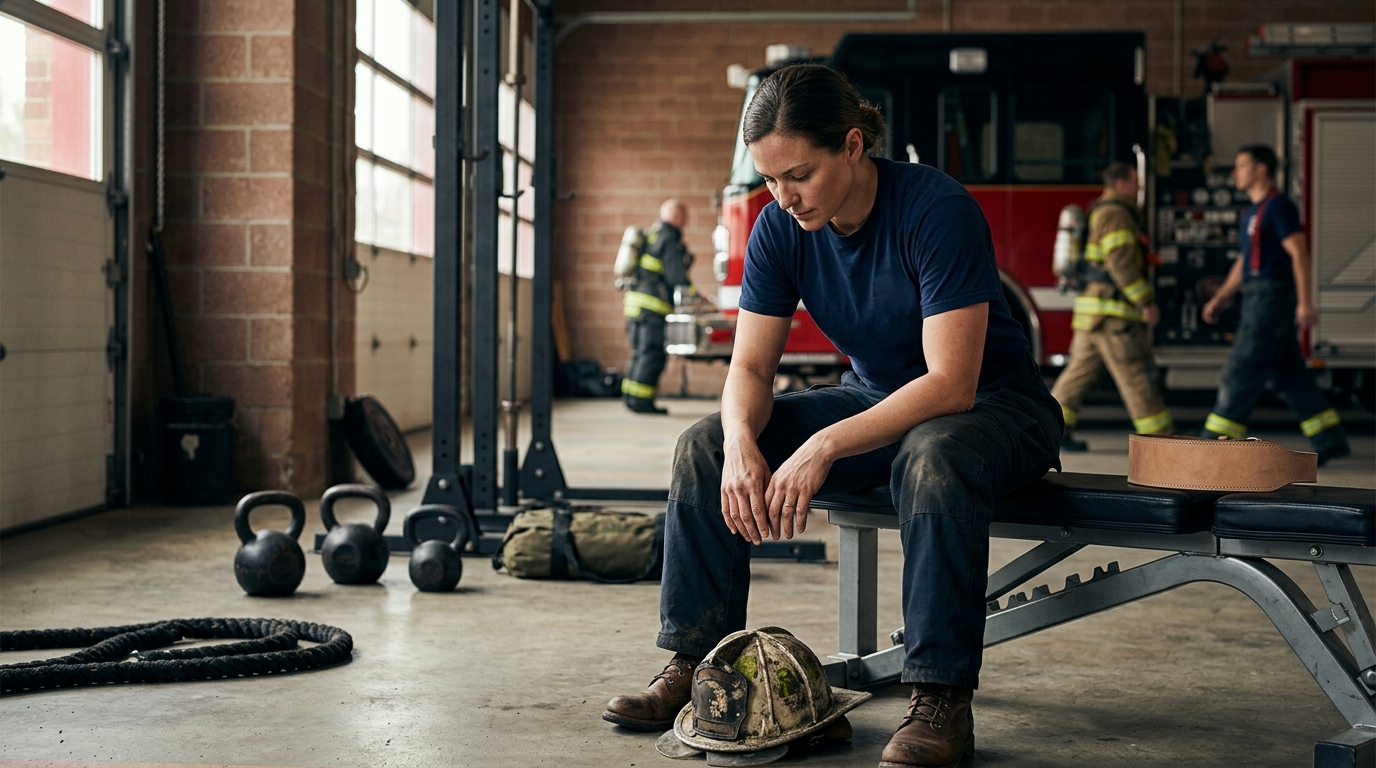
Finding the right training regimen requires understanding the physical demands of emergency response work. According to the National Fire Protection Association, over 70 percent of modern firefighting duties involve heavy physical labor rather than just fire suppression. This shift demands a specialized approach to conditioning. You must locate a system that prioritizes functional movement patterns over isolated muscle building. The correct program will directly improve your performance on the job while reducing long-term injury risks. This guide outlines the exact steps to evaluate and select a training system built for first responders.
Evaluate Physical Demands
Understanding Core Job Requirements
Emergency response work requires sustained physical output under heavy gear. Functional fitness is a structured training methodology designed to mimic real-world occupational movements. You should look for programs that explicitly address these core requirements. Many generic gym routines fail to replicate the unpredictable nature of emergency scenes. A proper system will integrate load carriage, stair climbing, and rapid directional changes into every session.
Identifying Common Physical Deficits
Most first responders experience specific physical limitations after years on shift. According to the Centers for Disease Control, cardiovascular decline remains the leading cause of line-of-duty deaths among firefighters. You must find a program that actively targets these vulnerabilities. Look for coaches who conduct baseline fitness assessments before designing your routine. This data-driven approach ensures you address weak points rather than reinforcing bad habits.
Prioritize Functional Movement
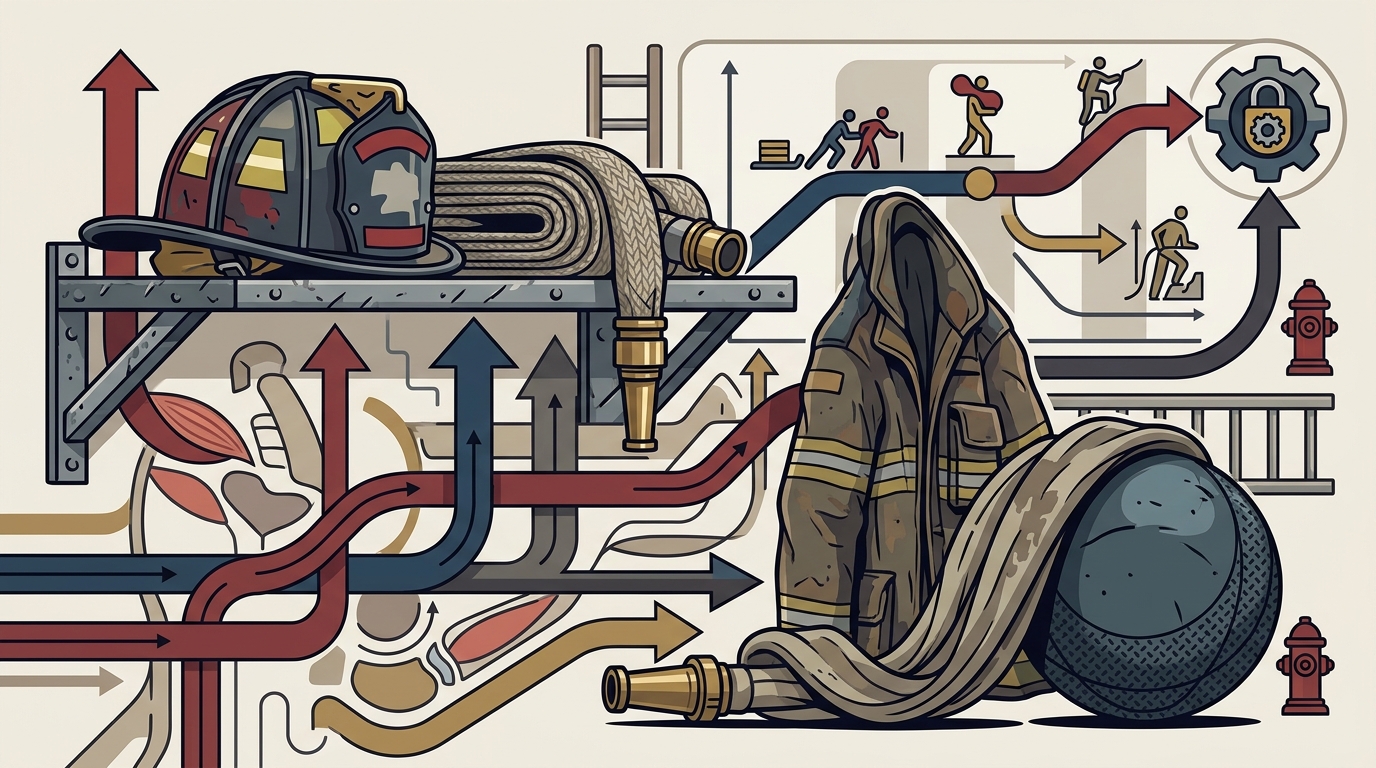
Integrating Multi-Planar Exercises
Traditional bodybuilding routines often isolate single muscle groups. Functional training is a systematic approach that trains multiple muscle groups simultaneously across various movement planes. You need a curriculum that emphasizes compound movements like squats, deadlifts, and overhead presses. These exercises directly translate to lifting heavy equipment and carrying victims. Avoid programs that rely heavily on machines or fixed resistance paths.
Implementing Dynamic Stability Drills
Emergency scenes rarely offer stable footing or predictable environments. Dynamic stability drills teach your nervous system to adapt to sudden shifts in balance. You should seek out coaches who incorporate kettlebell swings, farmer carries, and uneven load transfers. These tools build the core resilience required to navigate chaotic incident sites. Consistent practice reduces joint stress while maximizing power output.
Verify Coaching Expertise
Checking Specialized Certifications
Not all fitness professionals understand the unique physiological stress of emergency response work. You must verify that your coach holds recognized credentials in first responder conditioning. Look for certifications from organizations like the National Strength and Conditioning Association or the American Council on Exercise. These credentials prove the instructor understands occupational health standards. A qualified coach will also demonstrate experience working directly with active duty personnel.
Reviewing Proven Transformation Data
Effective coaching delivers measurable results across diverse fitness levels. According to industry benchmarks, structured first responder programs typically yield a 15 to 20 percent improvement in cardiovascular endurance within ninety days. You should request case studies or anonymized client progress reports before committing. Transparent coaches will gladly share success metrics and retention rates. This transparency indicates a mature training infrastructure.
Assess Equipment Availability
Utilizing Versatile Resistance Tools
Modern functional programs rarely depend on bulky weight stacks. Kettlebell training is a specialized strength discipline that utilizes cast iron weights to develop explosive power and muscular endurance. You should verify that your chosen facility maintains a comprehensive inventory of kettlebells, battle ropes, and sleds. These tools allow for rapid intensity adjustments without changing stations. Efficient equipment rotation keeps workout density high and rest periods short.
Supporting Remote Training Options
Shift work often disrupts traditional gym schedules. Online coaching programs deliver structured workout plans directly to your mobile device. You should prioritize platforms that offer video demonstrations and live check-in capabilities. This flexibility ensures you maintain consistency regardless of your station location. Remote systems also provide direct communication channels with your assigned coach for real-time form corrections.
Test Trial Programs
Evaluating Structured Onboarding Processes
Reputable organizations always offer low-risk entry points for new recruits. You should actively search for free foundational courses or short-term trial periods. These introductory modules reveal how the coaching staff handles beginner mistakes and pacing. A well-designed trial program will focus on movement quality rather than extreme intensity. This approach prevents early burnout and establishes proper technique foundations.
Assessing Community and Accountability Features
Sustained motivation requires a supportive peer environment. You should test whether the program includes group challenges or digital accountability tracking. First responder strength training thrives on shared goals and mutual encouragement. Look for platforms that feature leaderboards, progress photo submissions, and direct coach messaging. These features significantly increase long-term adherence rates and reduce dropout percentages.
Compare Program Structures
| Program Type | Primary Focus | Best For | Typical Duration |
|---|---|---|---|
| 4-Week Functional Program | Core stability and load management | New recruits and probationary personnel | 28 days |
| Kettlebell Foundations | Explosive power and grip strength | Intermediate athletes seeking equipment variety | 4 sessions |
| Online Coaching Program | Personalized periodization and recovery | Busy professionals needing schedule flexibility | Ongoing |
| Standard Gym Membership | General cardiovascular health | Casual exercisers without occupational demands | Variable |
Key Takeaways
- Modern firefighting duties require sustained physical output under heavy protective gear.
- Cardiovascular decline remains the leading cause of line-of-duty deaths among active personnel.
- Functional training methodologies prioritize multi-planar compound movements over isolated exercises.
- Qualified coaches must hold recognized credentials and demonstrate direct industry experience.
- Structured trial programs reveal coaching quality before long-term financial commitments.
- Online coaching platforms provide essential schedule flexibility for rotating shift workers.
- Transparent success metrics and client retention rates indicate mature training infrastructures.
Frequently Asked Questions
What specific certifications should I look for in a first responder coach?
You should prioritize credentials from the National Strength and Conditioning Association or the American Council on Exercise. These organizations enforce rigorous standards for occupational health and safety. Always verify that the instructor has directly trained active duty personnel before hiring.
How long does it typically take to see measurable improvements?
Most structured programs yield a 15 to 20 percent improvement in cardiovascular endurance within ninety days. Consistent adherence to the prescribed load management protocols accelerates these results. Tracking baseline metrics ensures you can accurately measure your physiological adaptations.
Can I complete this training while working full-time emergency shifts?
Yes, modern online coaching programs are specifically designed for rotating shift schedules. These platforms deliver customized workout plans directly to your mobile device. You can adjust session timing based on your current rotation without sacrificing training quality.
What equipment is absolutely necessary for functional firefighter training?
Kettlebell training provides the most versatile resistance tool for developing explosive power. You will also benefit from battle ropes, weighted sleds, and sturdy lifting platforms. These items replicate the unpredictable loads encountered during active emergency scenes.
How do I verify a program actually prepares me for physical ability tests?
You should request specific CPAT prep coaching modules that mimic official testing stations. Reputable programs integrate stair climbers, hose drags, and victim carries into their curricula. Ask your prospective coach for documented pass rates among recent graduates.
Is group training more effective than one-on-one coaching?
Both formats offer distinct advantages depending on your current fitness baseline. Group sessions build accountability and simulate chaotic incident environments. One-on-one coaching allows for precise form corrections and individualized recovery protocols. Many successful programs blend both approaches for optimal results.
What happens if I suffer an injury during the training process?
Qualified programs immediately modify your routine to prevent aggravating existing conditions. You will receive alternative exercises that maintain cardiovascular output without stressing injured joints. Always disclose prior injuries during your initial assessment to ensure proper exercise substitution.
Begin Your Specialized Training Journey
Stop guessing with generic gym routines and start training for the actual demands of your profession. Apply for coaching today to access a proven system built specifically for first responders. Visit the Online Coaching Program page to review available schedules and secure your spot. Take control of your physical readiness and perform better on and off shift.