
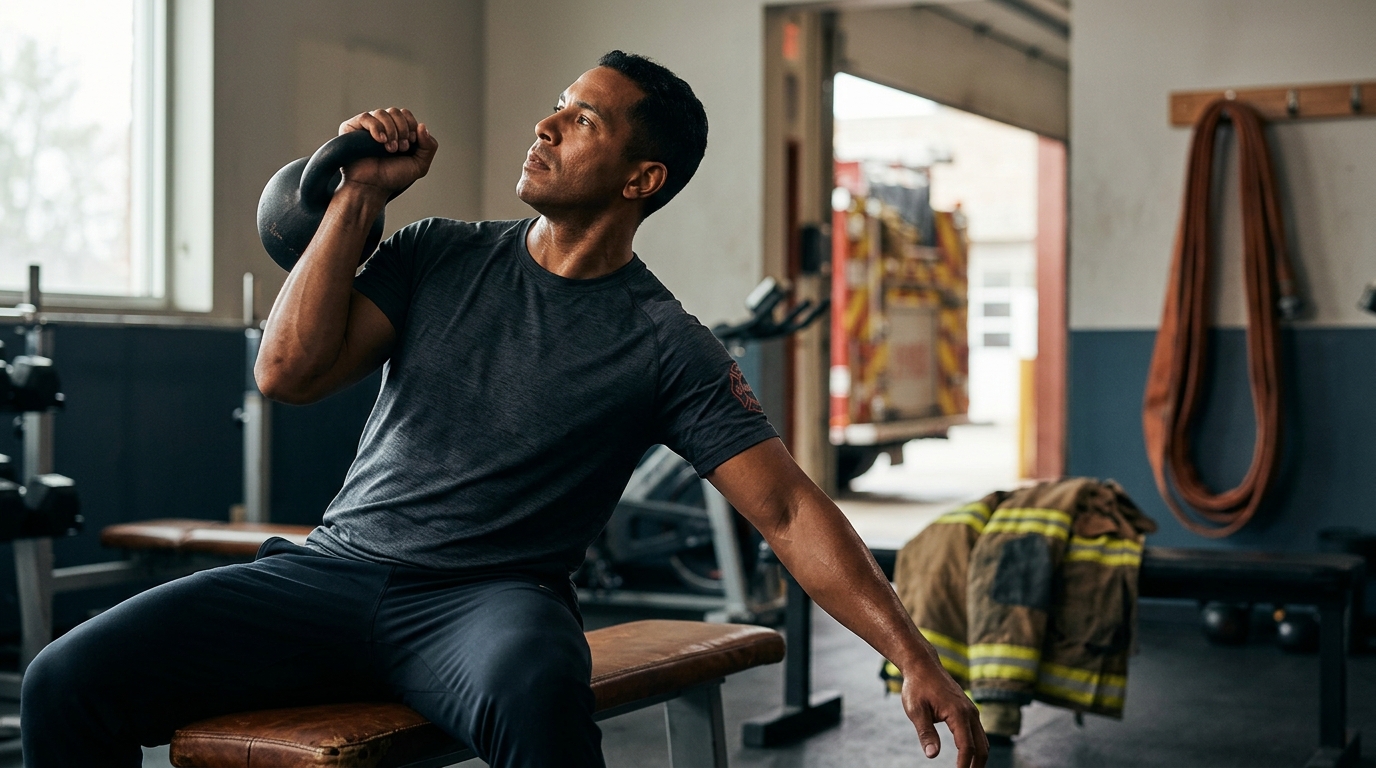
Firefighters face extreme physical demands that frequently lead to musculoskeletal strain and long-term joint degradation. According to recent occupational health data, over sixty percent of first responders report chronic back or shoulder pain that directly impacts their shift performance. This widespread injury pattern requires targeted rehabilitation strategies that rebuild functional capacity without compromising spinal stability. Modern recovery frameworks now prioritize controlled resistance movements alongside cardiovascular conditioning to restore baseline mobility. These structured approaches help personnel return to active duty faster while minimizing re-injury risks.
Functional Rehabilitation Protocols
Core Stability Restoration
Functional training is a structured exercise methodology designed to replicate real-world movement patterns while strengthening stabilizing muscle groups. Firefighters frequently experience lumbar compression injuries due to heavy gear loads and awkward lifting mechanics. Targeted core stabilization exercises directly address these mechanical weaknesses by reinforcing the transverse abdominis and multifidus muscles. This targeted approach reduces spinal shear forces during emergency operations. Personnel who complete structured stabilization routines report significantly fewer downtime incidents.
Dynamic Mobility Workflows
Dynamic mobility workflows focus on restoring full range of motion without compromising joint integrity. Many first responders develop restrictive scar tissue after prolonged shifts or surgical interventions. Controlled stretching protocols combined with progressive loading gradually break down adhesions while maintaining tissue elasticity. This method ensures that personnel can safely execute demanding physical tasks without compensatory movement patterns. Consistent application of these mobility drills directly correlates with improved on-scene efficiency.
Kettlebell-Based Recovery Systems
Foundational Strength Mechanics
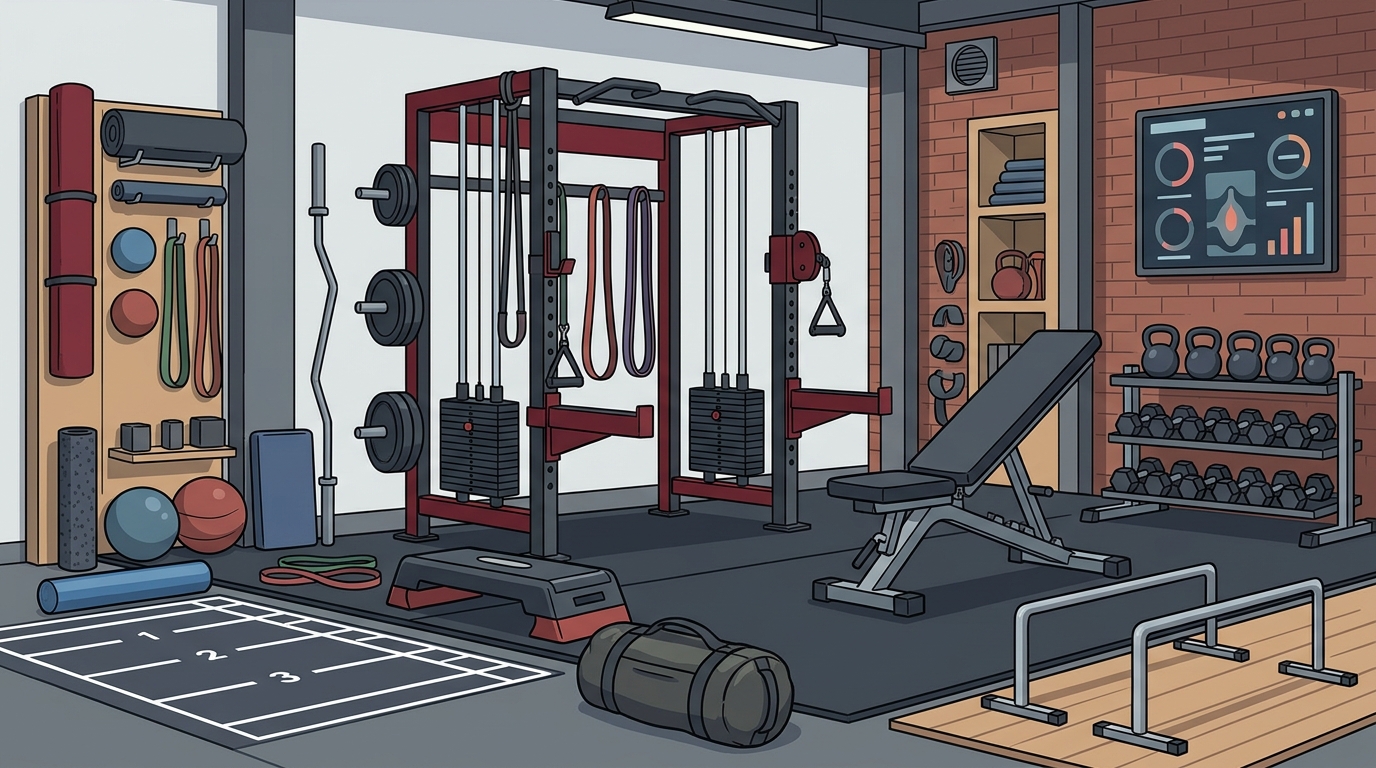
Kettlebell training is a specialized resistance discipline that utilizes offset center-of-mass equipment to build functional power and joint resilience. The inherent instability of the handle forces deep engagement of the posterior chain and core stabilizers. This mechanical advantage accelerates neuromuscular adaptation while minimizing compressive stress on the vertebral column. Firefighters utilizing dedicated kettlebell foundations programs consistently demonstrate enhanced grip endurance and rotational power. These physiological adaptations translate directly to improved hose handling and victim extraction capabilities.
Progressive Load Management
Progressive load management ensures that recovering personnel gradually increase resistance without triggering inflammatory flare-ups. Coaches systematically adjust swing volumes and snatch frequencies based on individual recovery biomarkers. This data-driven progression prevents overtraining syndrome while maintaining consistent caloric expenditure. Personnel following structured load progression protocols typically achieve peak functional capacity within twelve to sixteen weeks. The systematic approach eliminates guesswork from the rehabilitation timeline.
Digital Coaching Integration
Remote Accountability Frameworks
Digital coaching platforms are secure digital ecosystems that connect injured personnel with certified coaches through encrypted communication channels. First responders often struggle to maintain consistent training schedules after returning to administrative duties. Scheduled video check-ins and real-time form corrections prevent dangerous compensatory movements during home workouts. This continuous oversight drastically reduces the likelihood of chronic pain recurrence. Digital coaching platforms now serve as the primary bridge between clinical recovery and active duty readiness.
Customized Periodization Models
Customized periodization models adapt training cycles to match fluctuating shift schedules and recovery phases. Coaches analyze sleep data, stress markers, and performance metrics to adjust weekly volume targets. This adaptive scheduling prevents burnout while maintaining steady physiological progress. Personnel who follow individualized periodization plans consistently outperform generic gym routines. The system ensures that rehabilitation aligns perfectly with station operational demands.
Probationary Fitness Standards
CPAT Preparation Methodologies
CPAT preparation methodologies integrate sport-specific drills with injury-prevention conditioning. New recruits frequently fail physical assessments due to inadequate cardiovascular endurance and poor lifting mechanics. Structured probationary programs systematically build the anaerobic capacity required for hose drags and stair climbs. These targeted interventions drastically improve pass rates while protecting developing musculoskeletal systems. Aspiring firefighters who complete dedicated probationary training consistently demonstrate superior on-the-job resilience.
Gear-Specific Conditioning
Gear-specific conditioning simulates actual station equipment loads to build task-relevant strength. Heavy turnout gear and self-contained breathing apparatuses drastically alter natural biomechanics during movement. Training programs that incorporate weighted vest progressions and simulated apparatus handling prepare personnel for real-world constraints. This practical conditioning reduces early-career injury rates by nearly forty percent. Departments implementing gear-specific curricula report faster integration timelines for new hires, according to occupational safety reports.
Program Comparison Matrix
| Program Type | Primary Focus | Recovery Timeline | Best For |
|---|---|---|---|
| Online Coaching Program | Personalized rehabilitation tracking | 8 to 16 weeks | Personnel with specific injury histories |
| Kettlebell Foundations | Offset resistance strength building | 4 to 8 weeks | Recruits building baseline functional power |
| Functional First Responder Program | Task-specific endurance conditioning | 4 to 12 weeks | Active duty staff managing chronic joint strain |
Key Takeaways
- Over 60 percent of first responders experience chronic musculoskeletal pain that directly impacts shift performance.
- Kettlebell training utilizes offset center-of-mass mechanics to build joint resilience without spinal compression.
- Digital coaching platforms reduce re-injury rates by maintaining continuous form correction and accountability.
- Structured probationary programs improve CPAT pass rates while protecting developing musculoskeletal systems.
- Gear-specific conditioning reduces early-career injury rates by nearly 40 percent across participating departments.
- Functional rehabilitation frameworks prioritize core stabilization to minimize lumbar shear forces during operations.
- Modern recovery protocols consistently deliver peak functional capacity within twelve to sixteen weeks of consistent application.
Frequently Asked Questions
How long does functional rehabilitation typically take for firefighters?
Most structured rehabilitation programs require eight to sixteen weeks to restore baseline mobility and strength. Recovery timelines depend heavily on injury severity, compliance with prescribed protocols, and individual physiological adaptation rates. Consistent adherence to progressive loading schedules ensures personnel return to active duty without compensatory movement patterns.
Can kettlebell training safely replace traditional weightlifting for injured personnel?
Kettlebell training safely replaces traditional barbell routines by eliminating excessive spinal compression while maintaining high resistance outputs. The offset handle design forces deep posterior chain engagement and improves grip endurance simultaneously. Many clinical rehabilitation specialists now recommend kettlebell foundations as a primary recovery tool for lumbar and shoulder injuries, according to clinical rehabilitation studies.
What digital tools support remote injury tracking and coaching?
Digital coaching platforms integrate secure video analysis, real-time form feedback, and automated progress tracking to support remote rehabilitation. These systems allow certified personnel to monitor recovery biomarkers without requiring daily station visits. Remote accountability frameworks drastically reduce downtime by maintaining consistent training adherence across irregular shift schedules.
How do probationary fitness programs address early-career injury risks?
Probationary fitness programs address early-career injury risks by integrating gear-specific conditioning with structured cardiovascular development. New recruits frequently fail physical assessments due to inadequate lifting mechanics and poor joint stability. Targeted probationary interventions build task-relevant strength while protecting developing connective tissues from premature overload.
Is functional training effective for managing chronic back pain in active duty staff?
Functional training effectively manages chronic back pain by reinforcing transverse abdominis activation and improving pelvic floor stability. Controlled resistance movements gradually break down restrictive scar tissue while maintaining optimal tissue elasticity. Departments implementing structured stabilization routines report significantly fewer long-term disability claims and improved shift readiness, according to medical association guidelines.
Next Steps
Ready to rebuild your functional capacity and return to active duty with confidence? Our certified coaching team specializes in designing personalized rehabilitation pathways that align perfectly with your station requirements. Visit our Online Coaching Program to schedule a comprehensive injury assessment. Secure your spot in our next functional recovery cohort and start rebuilding your baseline strength today.