
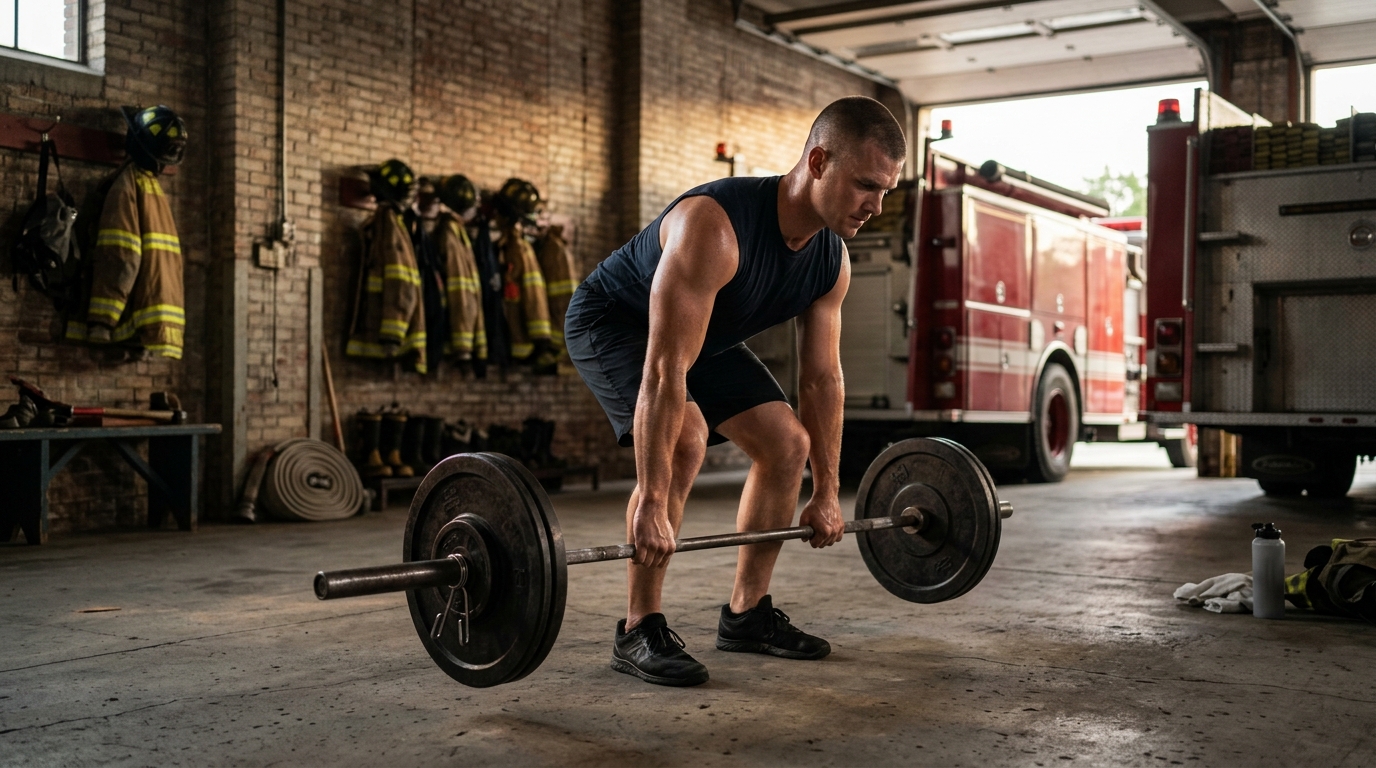
Firefighters face extreme physical demands that require peak cardiovascular output and raw functional power. According to the National Fire Protection Association, nearly 45 percent of line-of-duty deaths are linked to underlying cardiac conditions, making targeted conditioning absolutely critical for career longevity. This reality drives the need for specialized training programs that mimic real-world emergency scenarios. Modern first responder coaching focuses on building resilient muscle groups while simultaneously improving aerobic capacity. You will discover exactly which movements deliver the highest return on investment for your daily operations.
Functional Movement Patterns
Functional movement is the coordinated application of multi-joint actions that directly translate to emergency response tasks. These exercises prioritize real-world mechanics over isolated muscle isolation. Squats, deadlifts, and overhead presses form the foundational triad for building operational strength. Firefighters must regularly lift heavy equipment, carry victims, and breach doors under extreme stress. Compound lifts teach your nervous system to recruit maximum motor units simultaneously. This neurological efficiency reduces injury risk during chaotic incidents. You should prioritize progressive overload to ensure your muscles adapt to heavier loads. Consistent practice builds the structural integrity required for prolonged physical exertion. Our online coaching program provides customized progression tracking to keep your strength curves moving upward.
Compound Lifting Mechanics
Compound lifting mechanics require precise form to maximize force production across multiple muscle groups. You must maintain a neutral spine while driving through your heels during heavy lifts. This technique protects your lower back from shear forces generated by heavy gear. Progressive loading ensures your tendons and ligaments adapt alongside your muscle fibers. Neglecting these foundational movements leaves critical gaps in your physical armor. You will notice immediate improvements in your ability to drag hoses and climb ladders. The neurological adaptations transfer directly to your daily station routines.
Kettlebell Training Protocols
Kettlebell training is a specialized resistance methodology utilizing offset center-of-mass tools to build dynamic stability. This approach forces your stabilizer muscles to work continuously throughout every repetition. Swings, cleans, and presses develop explosive hip extension and shoulder resilience. The offset weight mimics the unpredictable handling of heavy fire service equipment. You will build exceptional grip strength without relying on standard barbell setups. This equipment remains highly accessible for station-based workouts and field training. Our Firefighter Kettlebell Foundations program breaks down these exact movements into a structured four-day schedule. You can implement this protocol immediately to accelerate your functional gains. The rhythmic nature of kettlebell swings also elevates your heart rate into optimal fat-burning zones. This dual-purpose training saves valuable time while delivering maximum physiological adaptation. You will notice improved posture and reduced joint stiffness after consistent practice.
Dynamic Stability Requirements
Dynamic stability requirements demand constant micro-adjustments to maintain balance under moving loads. Your core must fire continuously to prevent energy leaks during complex lifts. This constant tension builds exceptional intra-abdominal pressure that protects your spine. You will develop the ability to control heavy objects in awkward positions. This skill directly translates to safer victim extractions and equipment handling. Prioritizing controlled eccentric phases ensures your connective tissues remain resilient. You should never sacrifice form for heavier weights during these complex movements.
Cardiovascular Endurance Systems
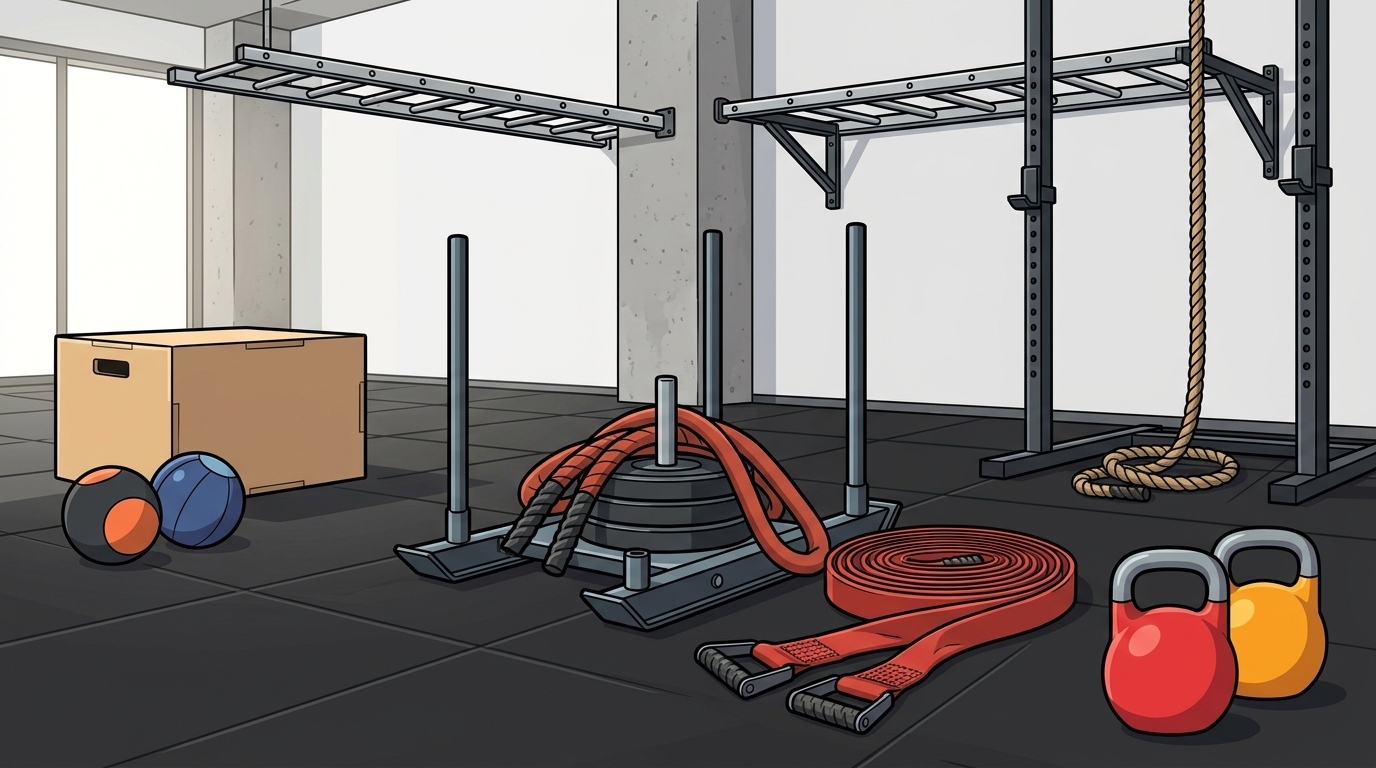
Cardiovascular endurance systems represent the aerobic and anaerobic capacity required to sustain prolonged physical output. Firefighters must operate inside hazardous environments while wearing heavy protective gear. This combination drastically increases oxygen consumption and metabolic waste production. High-intensity interval training mimics the stop-and-go nature of emergency responses. You will alternate between maximum effort bursts and active recovery periods. This method improves your lactate threshold and accelerates recovery between calls. According to the Centers for Disease Control and Prevention, structured interval training reduces all-cause mortality by up to 35 percent in high-stress occupations. You should incorporate stair climbing, rowing, and assault bike sprints into your weekly schedule. These modalities closely replicate the vertical demands of multi-story structure fires. Consistent implementation builds the aerobic base necessary for extended operations. You will experience fewer breathless moments during critical incident management. Our 4-Week Functional First Responder Training Program integrates these exact cardio protocols into a structured weekly schedule. You can track your progress and adjust intensity based on your current fitness baseline. This systematic approach eliminates guesswork and maximizes your physiological adaptations. You will build the engine required to handle any emergency scenario with confidence.
Interval Architecture Design
Interval architecture design requires precise work-to-rest ratios to stress specific energy systems. You must alternate between 30-second all-out efforts and 90-second active recovery phases. This ratio targets your fast-twitch muscle fibers while improving oxygen delivery. Your heart rate will fluctuate dramatically to simulate real-world emergency demands. This physiological stress forces your body to adapt to rapid metabolic shifts. You should monitor your recovery metrics to ensure adequate adaptation between sessions. Neglecting proper recovery intervals leads to chronic fatigue and performance plateaus. You will notice improved sprint times and faster gear-up speeds after consistent practice.
Core Stability and Injury Prevention
Core stability is the ability to maintain rigid spinal alignment while transferring force between your upper and lower body. This concept extends far beyond traditional abdominal crunches or sit-ups. You must train your obliques, transverse abdominis, and erector spinae as a unified system. Planks, Pallof presses, and anti-rotation holds build exceptional trunk resilience. These exercises protect your spine during heavy lifting and awkward positioning. You will experience fewer chronic back complaints and improved lifting mechanics. Our training resources
Anti-Rotation Training Methods
Anti-rotation training methods focus on resisting unwanted spinal twisting under external loads. You will perform cable chops, landmine presses, and single-arm carries to build this specific resilience. These movements mimic the asymmetric demands of dragging hoses or carrying victims. Your oblique muscles must fire intensely to prevent your torso from rotating. This specific adaptation protects your intervertebral discs from shear stress. You should perform these exercises on both sides to ensure balanced muscular development. Neglecting anti-rotation work leaves your spine vulnerable to sudden directional changes. You will notice improved balance and reduced joint strain during complex maneuvers.
Program Selection and Implementation
Program selection and implementation require matching your current fitness level with realistic progression goals. You must avoid jumping into advanced protocols without establishing a solid foundational base. Our Everyday Heroes Fitness methodology prioritizes sustainable habit formation over quick fixes. You should assess your current mobility, strength, and cardiovascular baseline before starting. This honest evaluation prevents injury and ensures long-term adherence. You will benefit from structured periodization that cycles intensity and volume. This approach prevents plateaus and keeps your body adapting to new stimuli. You should track your workouts meticulously to identify strengths and weaknesses. This data-driven approach allows you to make informed adjustments to your routine. You will experience consistent progress without burning out or losing motivation. Our coaching team provides continuous support to keep you on track. You can apply for personalized guidance to accelerate your results. Visit our online coaching program to learn more about our structured pathways. You will receive customized programming that adapts to your evolving needs. This personalized approach eliminates generic templates and maximizes your potential. You should commit to at least three dedicated training sessions per week. Consistency remains the single most important factor in your long-term success. You will build the physical armor required to serve your community safely.
| Training Modality | Primary Benefit | Recommended Frequency | Implementation Path |
|---|---|---|---|
| Compound Lifts | Raw operational strength | Two sessions weekly | Online Coaching Program |
| Kettlebell Drills | Dynamic stability and grip | Four sessions weekly | Kettlebell Foundations |
| High-Intensity Intervals | Aerobic and anaerobic capacity | Three sessions weekly | 4-Week Program |
| Core Stabilization | Spinal protection and force transfer | Daily integration | Training Resources |
Key Takeaways
- Compound lifts like squats and deadlifts build the foundational strength required for heavy equipment handling.
- Kettlebell training develops dynamic stability and exceptional grip strength through offset center-of-mass mechanics.
- High-intensity interval training mimics the stop-and-go nature of emergency responses while improving lactate thresholds.
- Core stabilization exercises protect your spine by creating natural intra-abdominal pressure during heavy loads.
- Our coaching methodology has successfully helped over 1,000 first responders regain their physical confidence.
- Structured periodization prevents plateaus and ensures continuous physiological adaptation over time.
- Consistent implementation of these protocols directly reduces injury risk and improves career longevity.
Frequently Asked Questions
How many days per week should firefighters train?
You should aim for three to four dedicated training sessions per week to balance physical adaptation with adequate recovery. This frequency allows your muscles to repair and grow while preventing chronic fatigue. You must prioritize sleep and nutrition to maximize your training adaptations. Neglecting recovery phases will ultimately lead to performance decline and increased injury risk.
Can kettlebell training replace traditional barbell lifting?
Kettlebell training complements traditional barbell lifting by targeting dynamic stability and grip strength. You should integrate both modalities to build comprehensive operational readiness. Kettlebells excel at teaching movement patterns under asymmetric loads. Barbells remain superior for maximizing absolute force production. You will benefit most from combining both approaches in your weekly schedule.
What is the best cardio method for fire service readiness?
High-intensity interval training remains the most effective cardio method for fire service readiness. You should alternate between maximum effort bursts and active recovery periods. This approach mimics the unpredictable demands of emergency responses. You will build both aerobic and anaerobic capacity simultaneously. Consistent implementation improves your recovery speed and overall endurance.
How long does it take to see noticeable strength improvements?
You will typically notice noticeable strength improvements within four to six weeks of consistent training. This timeline allows your nervous system to adapt to new movement patterns. You should track your progress weekly to identify subtle performance gains. Patience and consistency remain the most critical factors in your long-term success. You should avoid comparing your journey to others in your department.
Is specialized coaching necessary for first responder fitness?
Specialized coaching is highly recommended for first responder fitness due to the unique physical demands of the profession. You will benefit from customized programming that addresses your specific weaknesses. Our coaches understand the exact requirements of your daily operations. You can apply for personalized guidance to accelerate your results. Visit our online coaching program to learn more about our structured pathways.
How do I prevent back injuries during heavy lifting?
You can prevent back injuries during heavy lifting by prioritizing proper form and core stabilization. You must maintain a neutral spine while driving through your heels during all lifts. This technique protects your lower back from dangerous shear forces. You should never sacrifice form for heavier weights during complex movements. Consistent practice builds the structural integrity required for prolonged physical exertion.
What gear should I use for station-based workouts?
You should utilize kettlebells, resistance bands, and bodyweight movements for station-based workouts. These tools require minimal space and deliver maximum functional benefits. You can easily integrate these exercises into your daily station routine. Our Firefighter Kettlebell Foundations program provides detailed instructions for these exact movements. You will build exceptional strength without requiring expensive equipment. Consistency remains the single most important factor in your long-term success.
Start Your Functional Fitness Journey Today
You now possess the exact knowledge required to build exceptional firefighter strength and endurance. You should implement these proven protocols immediately to accelerate your physical transformation. Our team has helped thousands of first responders reclaim their confidence and operational readiness. You can apply for personalized coaching to receive customized programming tailored to your specific needs. Visit everydayheroesfitness.com to explore our complete training ecosystem. You will receive guaranteed results backed by a proven system designed specifically for your profession. Take the first step toward becoming the strongest version of yourself. Your community depends on your physical readiness. Apply today and join the ranks of highly trained, resilient first responders.