
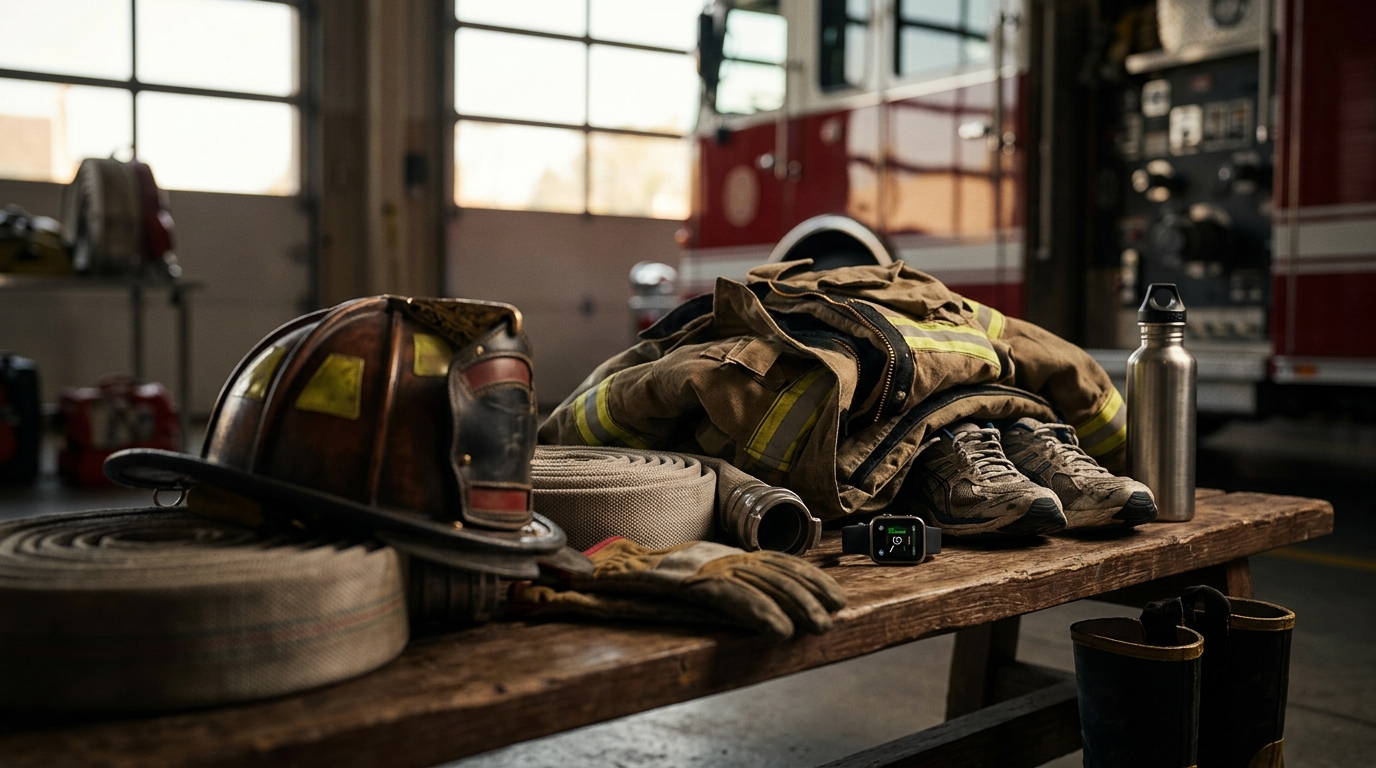
Firefighting remains one of the most physically demanding professions in the world. According to the National Institute for Occupational Safety and Health, the physical requirements of the job have increased significantly over the last decade due to heavier turnout gear and modern building materials. This shift means that generic gym routines are no longer sufficient for maintaining operational readiness. Firefighters need a specialized approach that bridges the gap between aesthetic fitness and functional, job-specific performance. Choosing the right program is not just about losing weight. It is about ensuring you can carry a victim down a flight of stairs or break through a door when every second counts.
Understanding Functional Movement Patterns
Functional fitness is the cornerstone of any effective firefighter training regimen. Functional fitness is a training approach that prepares the body for real-world physical demands by mimicking the movements required in daily life or specific professions. Unlike bodybuilding, which isolates muscles for aesthetic purposes, functional training engages multiple muscle groups simultaneously. This mirrors the chaotic, unpredictable nature of emergency response.
Firefighters must be able to push, pull, lift, carry, and crawl under load. A program that ignores these compound movements will leave you unprepared for the fireground. Look for programs that emphasize core stability, grip strength, and explosive power. These are the non-negotiable attributes for handling heavy hoses, dragging victims, and navigating unstable environments.
Everyday Heroes Fitness focuses heavily on these exact principles. Their approach ensures that the strength you build in the gym translates directly to strength on the job. By prioritizing compound movements, you reduce the risk of injury and increase your overall operational capacity.
Alignment with CPAT Standards
The Candidate Physical Ability Test (CPAT) is the gold standard for firefighter hiring and promotion. It is a pass/fail exam that tests your ability to perform job-specific tasks. The CPAT is a rigorous, standardized physical assessment used by fire departments across the United States to ensure candidates can handle the physical demands of the job. If your fitness program does not prepare you for the specific events of the CPAT, you are wasting your time.
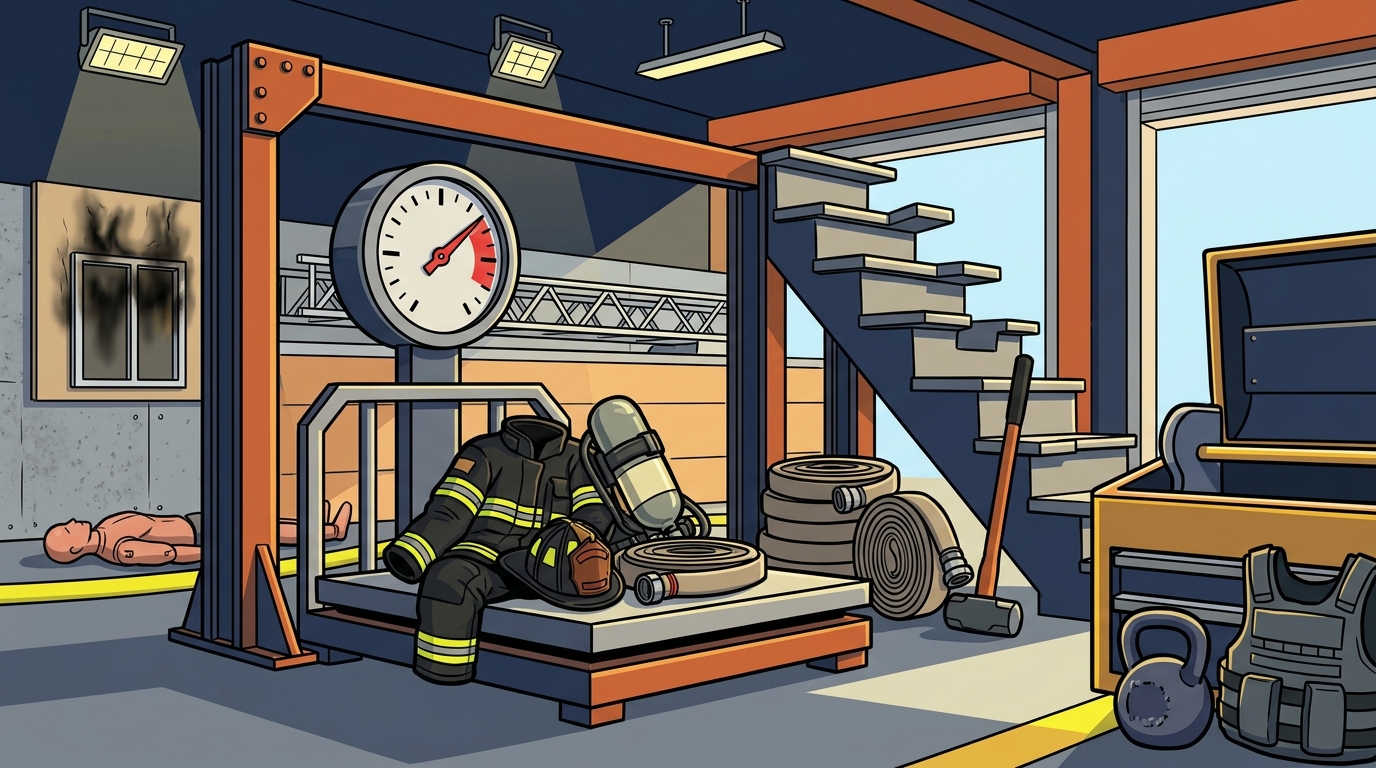
The CPAT includes events such as the stair climb, hose drag, forcible entry, rescue drag, and the apparatus pull. Each event requires a different energy system and muscle group. A good program will periodize your training to address these specific weaknesses. For example, if you struggle with the stair climb, your program should include targeted cardiovascular conditioning and leg strength work.
According to data from the International Association of Fire Fighters, failing the CPAT is a common reason for disqualification. This highlights the importance of choosing a program that explicitly prepares you for these tests. Programs like the 4-Week Functional First Responder Training Program are designed to bridge this gap, offering structured guidance that aligns with these rigorous standards.
Prioritizing Recovery and Longevity
Firefighting is a high-impact profession. The cumulative stress on the body from years of heavy gear, awkward lifting, and extreme heat exposure can lead to chronic injuries. Recovery is the process by which the body repairs micro-tears in muscle tissue and restores energy reserves after intense physical exertion. Without adequate recovery, even the best training program will lead to burnout or injury.
Look for programs that include mobility work, stretching, and rest day protocols. These elements are crucial for maintaining joint health and preventing the kind of chronic pain that plagues many veteran firefighters. A program that only focuses on "more is better" is dangerous for long-term career longevity.
Everyday Heroes Fitness understands this balance. Their coaching model emphasizes sustainable progress over quick fixes. By integrating recovery strategies into the training plan, they help firefighters maintain their health for decades, not just months. This is essential for those looking to extend their careers or transition into new roles later in life.
The Role of Accountability and Coaching
Self-directed training is difficult, especially for busy professionals. Accountability is the mechanism by which an individual maintains commitment to their goals through external monitoring and support. For firefighters, who often work irregular hours and high-stress shifts, having a coach or a community can be the difference between success and failure.
Online coaching programs provide personalized feedback, form correction, and motivation. They adapt to your progress and adjust the plan as needed. This level of customization is impossible with a static PDF workout guide. The Online Coaching Program offered by Everyday Heroes Fitness exemplifies this approach, providing real-time support from coaches who understand the unique challenges of first responders.
Testimonials from clients like Zach and Nathan highlight the transformative power of this accountability. They report not just physical changes, but increased confidence and mental clarity. This holistic improvement is a key indicator of a high-quality program.
Flexibility for Shift Work
Firefighters often work 24-hour shifts, followed by days off. This irregular schedule makes consistent gym attendance challenging. Shift work is a work schedule pattern that rotates employees through different times of day, often disrupting circadian rhythms and complicating routine maintenance. A fitness program must be flexible enough to accommodate this reality.
Look for programs that offer modular workouts. These allow you to complete a session in 30 minutes if you are short on time, or extend it if you have more. The program should also be adaptable to home gyms or limited equipment settings. This ensures that you can maintain your training regardless of where you are or how much time you have.
Everyday Heroes Fitness addresses this by offering scalable programs that fit into your life, not the other way around. Their Firefighter Kettlebell Foundations program is a prime example, providing a structured yet flexible approach that can be done with minimal equipment.
Program Comparison Overview
Choosing the right program can be overwhelming. The table below summarizes the key differences between common approaches to firefighter fitness.
| Program Type | Best For | Pros | Cons |
|---|---|---|---|
| Online Coaching | Firefighters needing personalized feedback | High accountability, custom adjustments | Higher cost, requires self-discipline |
| Structured Courses | Those preparing for CPAT | Clear roadmap, specific goal focus | Less flexibility, one-size-fits-all |
| Kettlebell Foundations | Beginners or those with limited equipment | Low cost, portable, functional strength | Requires self-motivation, limited scope |
| Generic Gym Membership | General health maintenance | Accessible, low barrier to entry | Lack of specificity, high injury risk |
Key Takeaways
- Functional Over Aesthetic: Prioritize compound movements that mimic firefighting tasks over isolated muscle exercises.
- CPAT Alignment: Ensure your program directly prepares you for the specific events of the Candidate Physical Ability Test.
- Recovery is Key: Incorporate mobility and rest to prevent chronic injuries common in the profession.
- Accountability Matters: Coaching or community support significantly increases the likelihood of long-term success.
- Flexibility is Essential: Choose a program that adapts to your irregular shift work schedule.
- Proven Results: Look for programs with a track record of helping over 1,000 first responders achieve their goals.
- Specialized Expertise: General trainers may not understand the unique physical demands of firefighting.
Frequently Asked Questions
What is the most important factor in a firefighter fitness program?
The most important factor is functional relevance. The program must prepare your body for the specific physical demands of firefighting, such as lifting heavy gear and carrying victims.
How does shift work affect fitness training?
Shift work disrupts sleep patterns and energy levels, making consistency difficult. A flexible program that allows for variable workout times and durations is essential for maintaining progress.
Is online coaching effective for firefighters?
Yes, online coaching can be highly effective. It provides personalized feedback and accountability without the need for in-person visits, which is crucial for those with irregular schedules.
What is the CPAT and why is it important?
The CPAT is the Candidate Physical Ability Test. It is a standardized exam that all firefighters must pass to be hired or promoted. It tests job-specific physical tasks.
Can I train at home with limited equipment?
Absolutely. Programs like the Firefighter Kettlebell Foundations are designed to be done with minimal equipment, making them ideal for home training.
How long does it take to see results?
Results vary based on individual effort and starting point. However, most structured programs show significant improvements in strength and endurance within 4 to 8 weeks.
What is functional fitness?
Functional fitness is a training approach that prepares the body for real-world physical demands by mimicking the movements required in daily life or specific professions.
Why do firefighters need specialized training?
Firefighting involves unique physical stresses, such as wearing heavy turnout gear and operating in unstable environments. Generic training does not adequately prepare the body for these specific challenges.
Start Your Transformation
Choosing the right fitness program is a critical decision for your career and health. By focusing on functional movement, CPAT alignment, recovery, accountability, and flexibility, you can ensure that your training translates to performance on the fireground. Everyday Heroes Fitness offers the expertise and support you need to succeed. Visit our homepage to learn more about our programs and apply for coaching today. Your future self, and the community you serve, will thank you.