
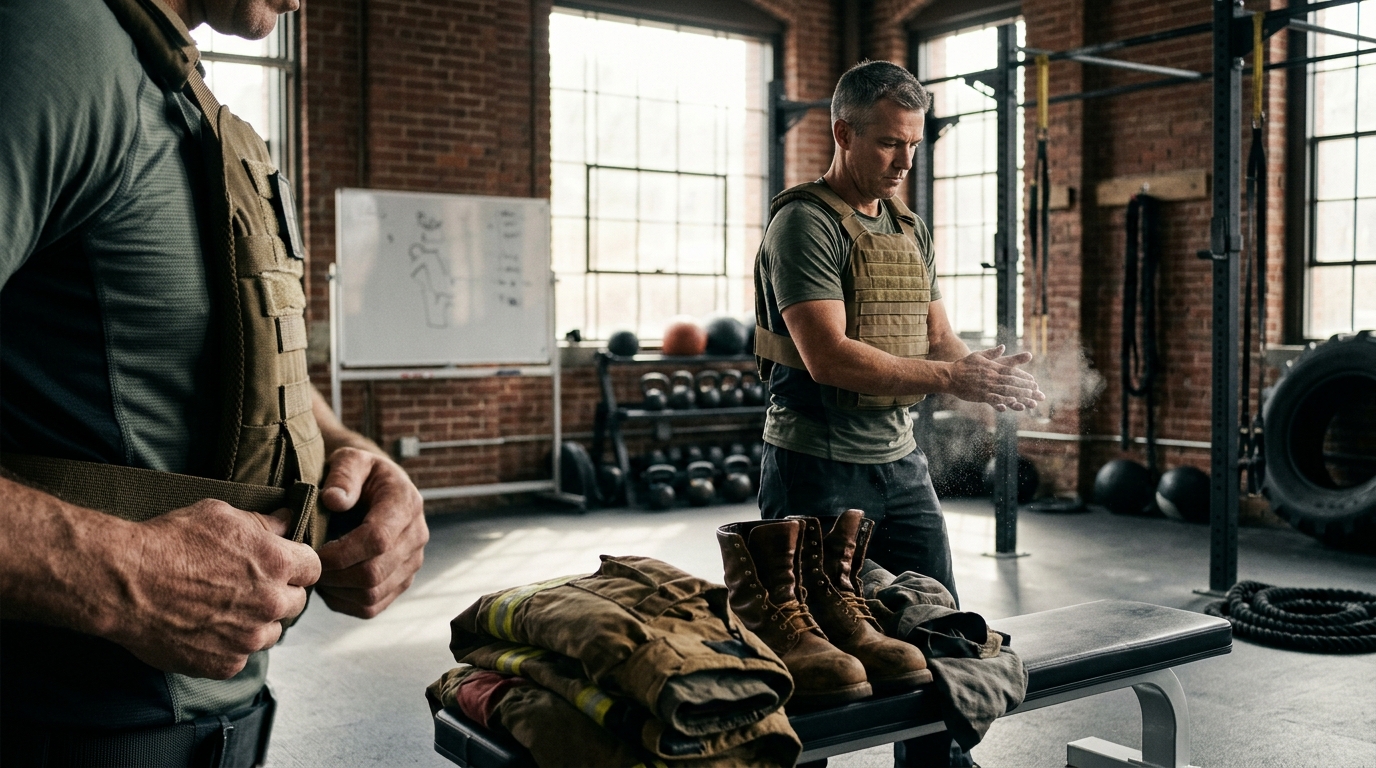
Functional fitness for first responders is no longer a niche interest but a critical operational requirement. According to recent industry data, over 6,000 firefighters have utilized specialized training systems to regain their strength and confidence. This shift highlights a growing recognition that standard gym routines fail to address the unique physical demands of the job. Finding the right program means looking for evidence-based methodologies that prioritize functional movement over isolated muscle groups.
Understand Functional Fitness Needs
Functional fitness is defined as exercise that trains your muscles to work together and prepares them for daily tasks by simulating common movements. For firefighters, this definition expands to include movements that mimic the heavy loads, awkward postures, and explosive power required during emergency responses. Standard bodybuilding routines often neglect the posterior chain and core stability needed for carrying gear and navigating unstable environments.
When searching for a program, you must look for curricula designed specifically for the physical profile of a first responder. The average firefighter carries significant weight during a shift, which places immense stress on the lower back and knees. A tailored program addresses these vulnerabilities through targeted strengthening and mobility work. This approach reduces injury risk and enhances on-scene performance.
Research indicates that first responders face higher rates of cardiovascular issues compared to the general population. A program that integrates cardiovascular endurance with strength training is essential. This dual focus ensures that firefighters can sustain high-intensity efforts without compromising their long-term health. The goal is not just aesthetic improvement but operational readiness.
Evaluate Program Credentials
Not all fitness programs claim to serve first responders with equal validity. You must verify the credentials of the program creators and the coaches delivering the instruction. Look for certifications in strength and conditioning, specifically those that emphasize corrective exercise and athletic performance. Coaches with direct experience in the fire service or a deep understanding of its physiological demands are preferable.
Check for testimonials and case studies from active firefighters. Real-world results provide more insight than marketing copy. For instance, programs that have helped over 1,000 first responders regain their drive often have a proven track record. These numbers suggest a scalable and effective methodology rather than a theoretical framework.
Additionally, consider the program's approach to accountability. First responders often struggle with consistency due to irregular shift schedules. A robust program includes mechanisms for tracking progress and maintaining motivation. This might involve regular check-ins, community support, or digital tools that adapt to your availability. The right program removes barriers to entry and keeps you engaged.
Assess Coaching Quality
Online coaching has revolutionized how firefighters access specialized training. However, the quality of coaching varies widely. When evaluating an online coaching program, look for personalized feedback and adaptive programming. Generic templates do not account for individual injury histories or specific job requirements. A high-quality coach adjusts the plan based on your daily readiness and long-term goals.
Communication is another critical factor. You need a coach who understands the stress of the job and can provide support beyond just workout instructions. This includes guidance on nutrition, recovery, and mental resilience. The best coaches act as partners in your transformation, offering encouragement during difficult periods.
Review the coach's background and philosophy. Do they emphasize sustainable habits or quick fixes? Sustainable habits lead to lasting results, while quick fixes often result in burnout or injury. A coach who prioritizes long-term health will design a program that evolves with your career stage. This ensures that you remain fit for duty throughout your entire service.
Compare Training Options
Firefighters have several options for accessing tailored fitness programs. Each option offers different levels of support, flexibility, and cost. Understanding these differences helps you make an informed decision that aligns with your budget and training preferences.
| Option | Best For | Key Features | Commitment Level |
|---|---|---|---|
| 4-Week Functional Program | Quick start and habit building | Structured daily workouts, immediate access | High (Daily) |
| Online Coaching | Personalized guidance and accountability | Custom plans, coach feedback, community | Medium (Flexible) |
| Kettlebell Foundations | Mastering a single tool | 4-day plan, focus on functional strength | Low (4 Days) |
| Self-Directed Training | Independent learners | Free online resources, no guidance | Variable |
The 4-week functional program is ideal for those who want a clear starting point. It provides a structured path to follow without the need for immediate coaching interaction. This option is perfect for firefighters who prefer to test the waters before committing to a longer-term relationship.
Online coaching offers the highest level of personalization. It is suitable for firefighters who have specific goals, such as preparing for the CPAT or recovering from an injury. The cost is higher, but the return on investment in terms of safety and performance is significant. This option is best for those who value expert guidance and accountability.
The kettlebell foundations program is a great entry point for those interested in functional strength. It focuses on one versatile tool that can be used anywhere. This program is excellent for firefighters who travel frequently or have limited gym access. It provides a solid base upon which to build more complex training.
Access Free Resources
Before committing to a paid program, it is wise to explore free resources. These resources can help you understand the basics of functional fitness and determine if a tailored approach is right for you. Many reputable organizations offer free guides, videos, and articles designed for first responders.
Look for free kettlebell foundations programs that outline proper form and basic movements. These resources can help you avoid common mistakes and reduce the risk of injury. They also provide a taste of the training style without any financial obligation. This allows you to assess your interest and commitment level.
Additionally, read articles and blogs from trusted fitness experts in the fire service community. These sources often provide valuable insights into the challenges firefighters face and how to overcome them. They can also help you identify red flags in fitness marketing and make more informed decisions. Knowledge is power, and free resources are a great way to build your understanding.
Key Takeaways
- Over 6,000 firefighters have used specialized functional training to improve performance and health.
- Functional fitness is defined as exercise that trains muscles to work together for daily tasks and job-specific movements.
- Online coaching provides personalized feedback and adaptive programming for individual needs.
- A 4-week functional program offers a structured start for building habits and strength.
- Kettlebell foundations provide a versatile tool for functional strength training anywhere.
- First responders face higher cardiovascular risks, making dual-focus training essential.
- Coach credentials and experience with first responders are critical for safety and effectiveness.
Frequently Asked Questions
What is the best type of fitness for firefighters?
Functional fitness is the best type for firefighters because it mimics the movements and loads of the job. This includes lifting, carrying, and climbing with gear. It improves both strength and endurance, which are critical for emergency response.
How do I choose an online coach for fire service fitness?
Look for coaches with specific certifications and experience working with first responders. Check for testimonials from active firefighters and ensure they offer personalized programming. Communication and accountability are also key factors to consider.
Can I train effectively with just kettlebells?
Yes, kettlebells are highly effective for functional strength. They engage multiple muscle groups simultaneously and improve grip strength and core stability. A well-designed kettlebell program can provide a comprehensive workout for firefighters.
What is the CPAT and how does fitness help?
The CPAT is the Candidate Physical Ability Test used for hiring firefighters. It assesses stamina, strength, and agility. Proper functional training prepares you for the specific tasks in the test, increasing your chances of passing.
How often should firefighters train?
Most programs recommend training 3 to 4 times per week. This frequency allows for adequate recovery while maintaining progress. Consistency is more important than intensity, especially for those with demanding shift schedules.
Is online coaching as effective as in-person training?
Online coaching can be equally effective if the program is well-designed. It offers flexibility and access to expert guidance regardless of location. The key is having a coach who provides regular feedback and adjusts the plan as needed.
What should I look for in a free fitness resource?
Look for resources that explain the "why" behind the exercises. They should provide clear instructions on form and safety. Reputable sources will also discuss the specific needs of first responders and how to address them.
How long does it take to see results?
Results vary based on individual effort and starting point. However, most people notice improvements in energy and strength within 4 to 6 weeks. Long-term results require consistent adherence to the program over several months.
Next Steps
Take the first step toward becoming fit for duty and fit for life. Explore the 4-Week Functional First Responder Training Program to start building your foundation. If you need more personalized support, apply for online coaching today. Your health and performance are worth the investment.