
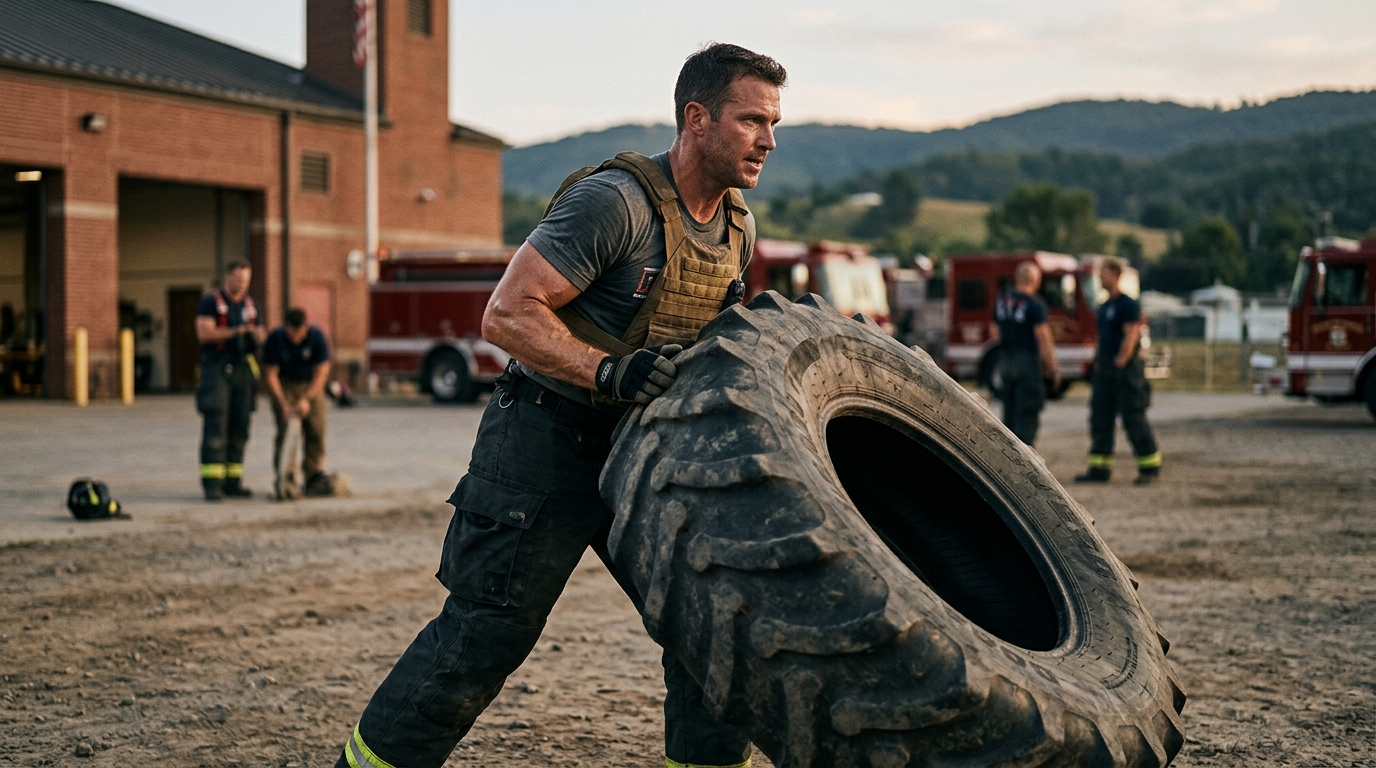
First responders face physical demands that exceed standard athletic requirements. According to the National Institute for Occupational Safety and Health, firefighters must be capable of carrying heavy loads while navigating complex environments under extreme stress. This guide outlines the specific functional training protocols required to meet those demands safely and effectively.
Understanding Functional Mechanics
Functional fitness is defined as training that prepares the body for real-world movements rather than isolated muscle groups. For first responders, this means prioritizing compound movements that mimic the physical tasks encountered on the fireground or in emergency medical situations. Generic gym routines often fail because they do not replicate the instability and load distribution required during active duty.
The core principle of this approach is integration. When you lift a heavy object, your body must engage the legs, hips, core, and upper body simultaneously. This coordination reduces the risk of injury and increases overall power output. By focusing on multi-planar movements, you build the resilience needed to handle unpredictable physical challenges.
Many traditional fitness programs focus on aesthetics rather than utility. This disconnect leaves first responders vulnerable to burnout and injury. A functional approach ensures that every rep contributes directly to job performance. It bridges the gap between the gym and the field, ensuring that strength gained in training translates to readiness on shift.
Building Strength Foundations
Kettlebell training is the #1 tool for functional firefighter strength because it allows for dynamic, ballistic movements that build explosive power. Unlike static barbell lifts, kettlebells require constant stabilization, which engages the core and stabilizer muscles more intensely. This is critical for first responders who must maintain balance while carrying heavy equipment.
We offer a FREE Kettlebell Foundations Program that demonstrates how to unlock the full potential of this equipment. This 4-day plan is designed to introduce proper form and build a base of strength without overwhelming the nervous system. It serves as an entry point for those looking to transition from generic fitness to specialized first responder training.
Strength is not just about lifting heavy weights. It is about controlling weight through a full range of motion. Exercises like the Turkish get-up and the clean and press mimic the actions of lifting victims or dragging hoses. These movements build the specific muscular endurance required for long shifts and high-stress incidents.
Our Online Coaching Program provides real people and real results by offering customized programming. This ensures that your strength development aligns with your specific job duties and physical limitations. Personalized coaching helps you avoid plateaus and ensures continuous progress toward your fitness goals.
Developing Aerobic and Anaerobic Endurance
Endurance for first responders is not just about running long distances. It requires a mix of aerobic base building and anaerobic capacity. Aerobic endurance allows you to sustain effort over long periods, such as during a prolonged rescue operation. Anaerobic capacity enables you to perform high-intensity bursts of activity, such as breaking down a door or sprinting to a scene.
The 4-Week Functional First Responder Training Program is used by 6,000+ firefighters to lose weight, build functional strength, and perform better on and off shift. This program integrates both energy systems to prepare you for the unpredictable nature of emergency response. It ensures that you are not just strong, but also capable of sustaining that strength under fatigue.
Cardiovascular health is directly linked to mental clarity under stress. When your heart and lungs are efficient, your brain receives adequate oxygen during high-stress situations. This physiological advantage can mean the difference between a successful outcome and a critical error. Training your cardiovascular system is as important as building your muscular system.
Interval training is a highly effective method for developing this dual-endurance profile. By alternating between high-intensity efforts and active recovery, you simulate the stop-and-go nature of emergency work. This type of training improves your body's ability to recover quickly between bursts of activity, a skill that is invaluable on the job.
Nutrition and Recovery Strategies
Science-backed nutrition is essential for first responders who need to maintain peak performance. Meal plans must be tailored to your goals and lifestyle, not just your weight. First responders often work irregular hours, which can disrupt hunger cues and energy levels. A structured nutrition plan helps stabilize blood sugar and provides consistent energy throughout your shift.
Recovery is where the actual adaptation happens. Without adequate rest, your body cannot repair the micro-tears in your muscles caused by intense training. Sleep, hydration, and active recovery techniques are just as important as the workouts themselves. Neglecting recovery leads to chronic fatigue and increased injury risk.
Our coaching program includes custom tailored nutrition and meal plans that fit your lifestyle. This ensures that you are fueling your body correctly without spending hours in the kitchen. Proper nutrition supports your training efforts and helps you maintain a healthy body composition over the long term.
Listening to your body is crucial for long-term health. First responders often push through pain and fatigue, which can lead to serious injuries. Incorporating rest days and mobility work into your routine helps prevent overtraining. It allows you to stay in the game and continue serving your community for years to come.
Comparing Training Approaches
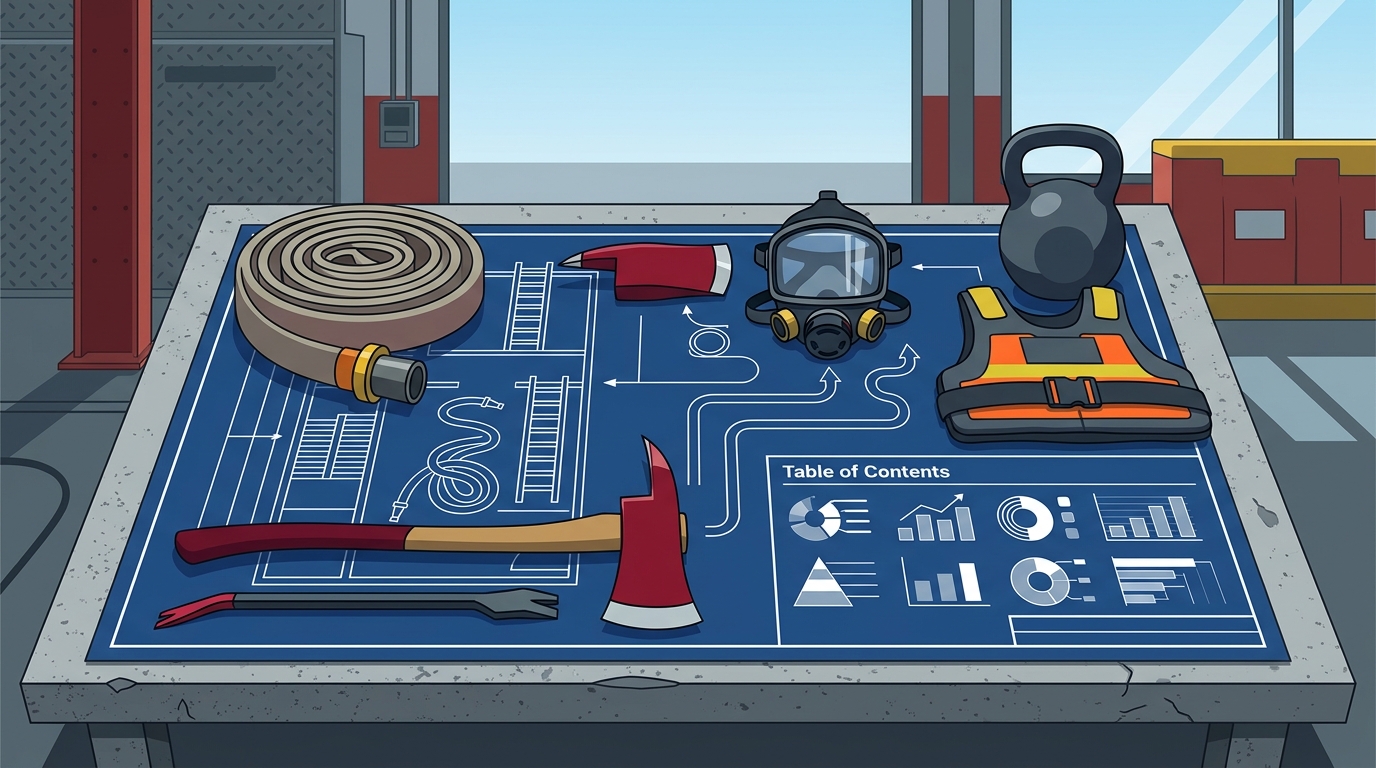
Choosing the right training method is critical for achieving your fitness goals. Below is a comparison of common approaches to help you decide which path is best for your needs.
| Training Approach | Primary Focus | Best For | Limitations |
|---|---|---|---|
| Kettlebell Foundations | Explosive Power & Stability | Beginners to Intermediate | Requires proper form to avoid injury |
| 4-Week Functional Program | Functional Strength & Endurance | Firefighters seeking quick results | Short-term focus may lack long-term progression |
| Online Coaching | Personalized Customization | Those needing accountability | Higher cost than self-guided programs |
| Generic Gym Routines | Aesthetics & Isolation | General Fitness Enthusiasts | Lacks job-specific transferability |
Key Takeaways
- Functional fitness prioritizes multi-planar movements that mimic real-world job demands.
- Kettlebell training is identified as the primary tool for building functional firefighter strength.
- The 4-Week Functional First Responder Training Program has been utilized by over 6,000 firefighters.
- Endurance training must include both aerobic base building and anaerobic capacity development.
- Nutrition plans must be tailored to irregular shift schedules to maintain energy levels.
- Recovery is a critical component of injury prevention and long-term performance.
- Personalized coaching offers accountability and customized programming for better results.
Frequently Asked Questions
What is the best type of training for firefighters?
Functional fitness is the most effective type of training for firefighters because it prepares the body for the specific physical demands of the job. It focuses on compound movements and stability rather than isolated muscle groups.
How can I improve my endurance for emergency response?
You can improve endurance by combining aerobic base building with high-intensity interval training. This dual approach ensures you have the stamina for long shifts and the explosive power for urgent tasks.
Is kettlebell training safe for first responders?
Yes, kettlebell training is safe when performed with proper form. It is considered the #1 tool for functional strength because it builds explosive power and stability simultaneously.
What role does nutrition play in first responder fitness?
Nutrition provides the fuel necessary for high-intensity training and recovery. Tailored meal plans help stabilize energy levels and support weight management goals despite irregular work schedules.
How does online coaching benefit first responders?
Online coaching provides personalized programming and accountability. It ensures that your training is aligned with your specific job duties and helps you stay motivated on your fitness journey.
Can I lose weight while building strength as a first responder?
Yes, many first responders successfully lose weight while building strength. Programs like the 4-Week Functional First Responder Training Program are designed to achieve both goals simultaneously.
What is the difference between functional fitness and traditional gym workouts?
Functional fitness focuses on movements that translate to real-world tasks, while traditional gym workouts often focus on isolated muscles for aesthetic purposes. Functional training prioritizes readiness and performance.
Start Your Transformation
Ready to regain your strength, confidence, and drive? Join the community of first responders who have transformed their lives through our proven system. We offer guaranteed results and a supportive environment tailored to your unique needs.
Apply for Coaching today to secure your spot in our program. Do not let another shift pass without prioritizing your health and performance. Take the first step toward becoming the Everyday Hero you were meant to be.