
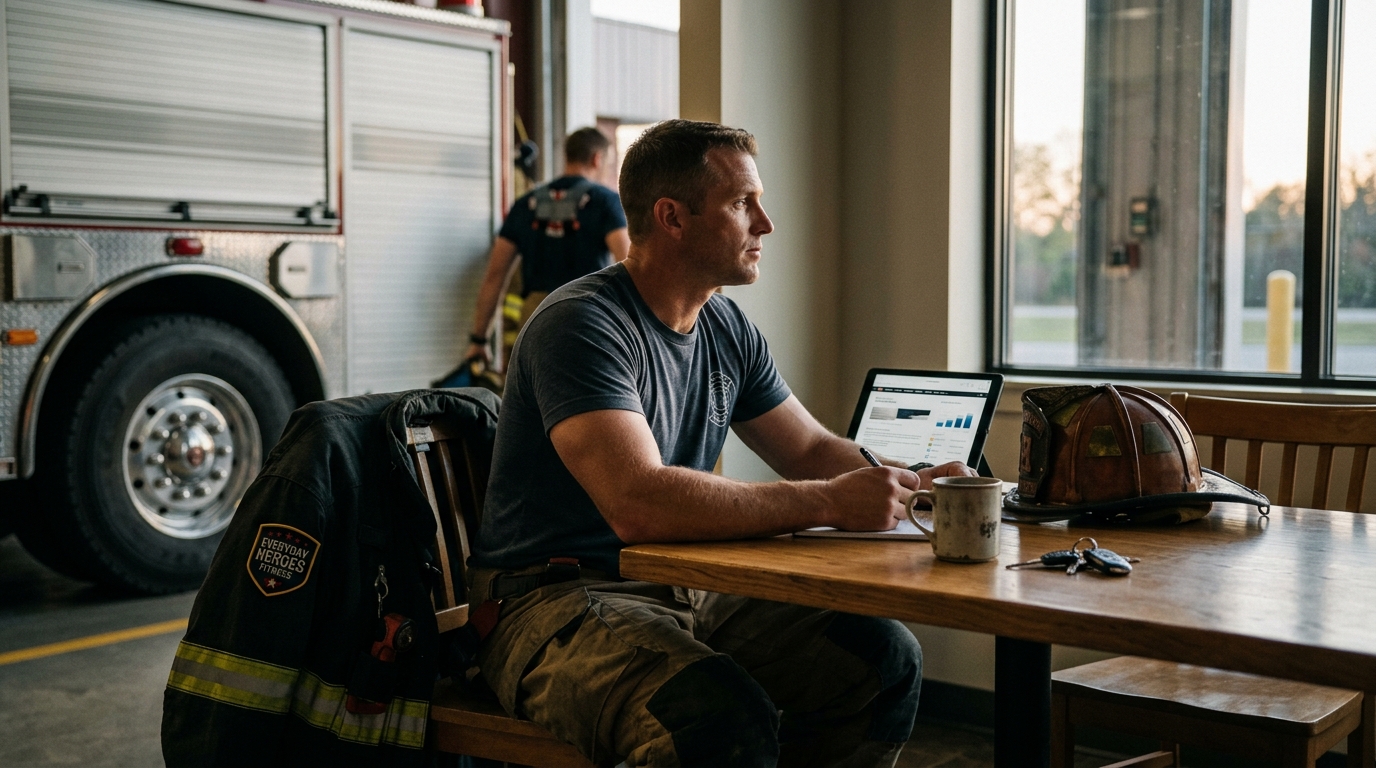
Firefighting remains one of the most physically demanding professions in the world. The average firefighter must carry over 100 pounds of gear while navigating unstable environments, making rapid decision-making under extreme physical stress a daily reality. According to the National Fire Protection Association, physical fitness is directly correlated with reduced injury rates and improved job performance. Choosing the wrong training regimen can lead to burnout, chronic pain, or failure during critical physical ability tests. This guide outlines the essential criteria for selecting a program that aligns with the unique physiological demands of first responders.
Functional Movement Over Aesthetics
Traditional bodybuilding routines often prioritize muscle isolation and visual symmetry. This approach is fundamentally misaligned with the needs of a firefighter. Functional fitness is the practice of training movements rather than individual muscles to improve performance in real-world activities. Firefighting requires full-body coordination, explosive power, and sustained endurance.
When evaluating a program, look for exercises that mimic job tasks. Compound movements like deadlifts, squats, and carries build the posterior chain strength necessary for dragging victims or forcing doors. Programs that focus solely on upper body pushing or pulling neglect the core stability required for heavy gear loads. A functional approach ensures that the strength you build in the gym translates directly to the fireground.
Everyday Heroes Fitness emphasizes this distinction by designing protocols specifically for the physical realities of the job. Their 4-Week Functional First Responder Training Program is built to address these exact gaps, helping over 6,000 firefighters improve their on-shift performance.
Accommodating Irregular Shift Schedules
Firefighters typically work 24-hour shifts followed by 48 or 72 hours off. This non-traditional schedule disrupts circadian rhythms and makes consistent gym attendance difficult. A viable fitness program must offer flexibility without sacrificing progress. If a program requires daily 90-minute gym sessions, it will likely fail for most first responders.
Look for programs that offer modular workouts. These allow you to complete a 30-minute session on a busy day or a longer session during your off-days. Online coaching models have become the standard for this demographic because they remove the barrier of physical location. You can train at a local gym, in a station bay, or at home.
The Online Coaching Program from Everyday Heroes Fitness is designed to fit into these chaotic schedules. It provides structured guidance that adapts to your availability, ensuring you stay accountable even when shift work interferes with your routine.
Alignment with CPAT Standards
For those aspiring to join the ranks or those needing to maintain certification, the Candidate Physical Ability Test (CPAT) is the gold standard. This test includes a stair climb, hose drag, forcible entry, rescue drag, cable carry, and a timed run. It is a continuous, high-intensity event that tests anaerobic and aerobic capacity simultaneously.
A generic fitness program will not prepare you for the specific metabolic demands of the CPAT. You need training that builds both the raw strength to move heavy objects and the cardiovascular endurance to sustain effort. Programs that ignore the specific event mechanics of the CPAT leave candidates vulnerable to failure during the timed run.
Effective preparation requires simulating the fatigue of the earlier events during the later stages of training. This is why specialized programs are critical. The Firefighter Kettlebell Foundations program offers a free 4-day plan that introduces the primary tool used to build this specific type of functional strength.
Equipment Accessibility and Portability
Not every firefighter has access to a fully equipped commercial gym. Many rely on station gyms or home setups. A good program should not require expensive, niche machinery. Instead, it should leverage versatile tools that are widely available.
Kettlebells are often cited as the most efficient tool for first responders. They allow for dynamic, full-body movements that build grip strength, core stability, and power. A program that relies exclusively on barbells and cable machines may be impractical for firefighters who train in limited spaces.
When choosing a program, verify the equipment list. Does it require a commercial gym membership? Can you achieve the results with minimal equipment? Programs that teach you to use kettlebells effectively provide a long-term solution that fits into any environment.
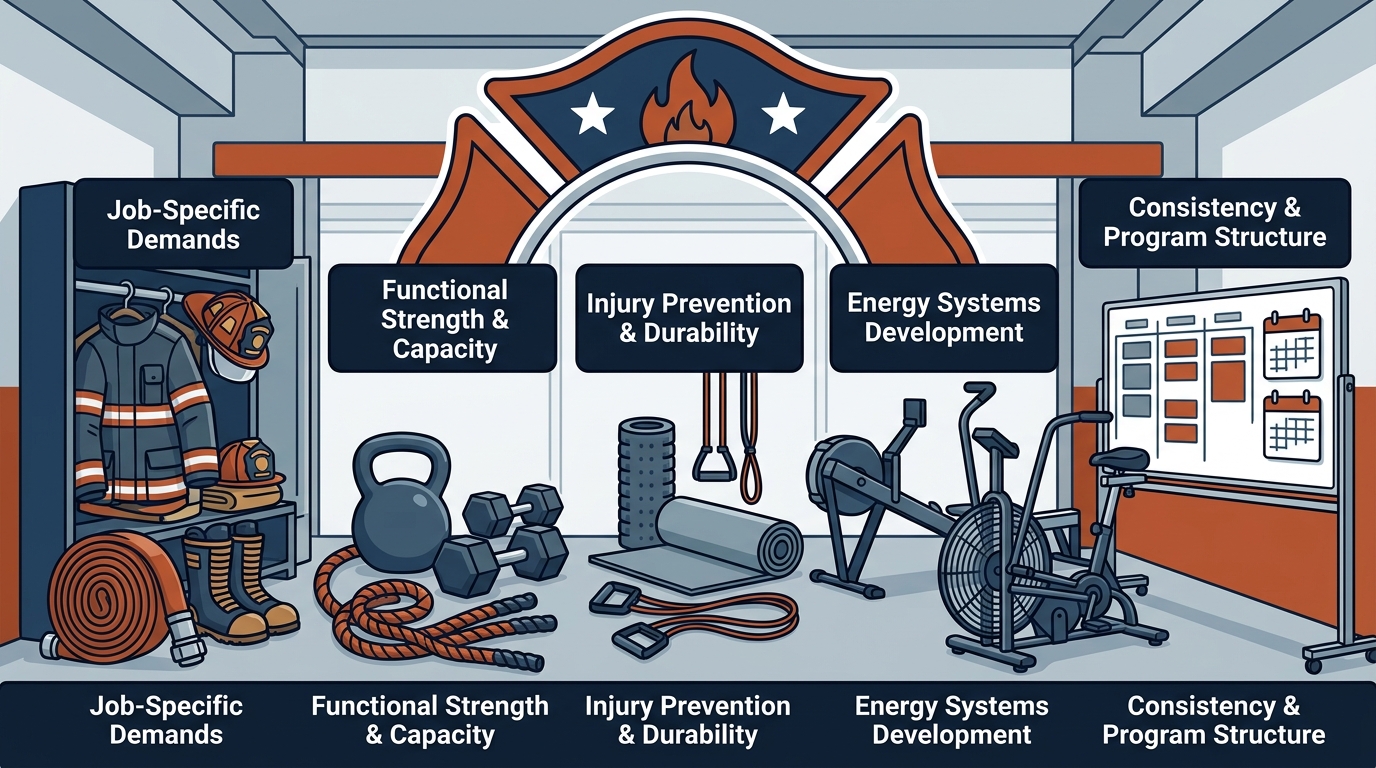
Expertise in First Responder Physiology
Firefighters face unique health risks, including cardiovascular strain and musculoskeletal injuries. A coach who understands the general population may not understand the specific physiological stressors of the job. For example, the combination of heavy gear and high heart rates places significant demand on the heart.
Look for coaches who have experience working with first responders. They will understand the importance of recovery, the need for mobility work to counteract gear wear, and the mental aspect of training for a high-stress profession. This expertise ensures that the program is not just effective, but also safe.
Everyday Heroes Fitness was founded by Mitch, a coach with deep experience in this niche. His approach focuses on helping firefighters regain their confidence and physical drive. The testimonials from clients like Zach and Nathan highlight the life-changing impact of working with someone who truly understands the job.
Program Comparison Matrix
The following table compares common fitness approaches against the specific needs of firefighters. This comparison helps clarify why specialized programs are superior to generic alternatives.
| Program Type | Focus | Schedule Flexibility | CPAT Relevance | Best For |
|---|---|---|---|---|
| Commercial Gym Membership | General Fitness | Low | Low | Those with strict 9-5 schedules |
| Bodybuilding Routine | Muscle Aesthetics | Medium | Very Low | Competitive athletes |
| Generic Online App | Weight Loss | High | Medium | General public |
| Specialized First Responder Program | Functional Strength & CPAT | High | Very High | Firefighters & First Responders |
Key Takeaways
- Functional Over Form: Prioritize programs that train movement patterns, not just muscles, to ensure strength translates to the fireground.
- Schedule Flexibility: Choose online or modular programs that accommodate 24-hour shift work and irregular availability.
- CPAT Alignment: Ensure the training includes specific conditioning for the continuous, high-intensity demands of the Candidate Physical Ability Test.
- Equipment Versatility: Opt for programs using kettlebells and bodyweight exercises that can be performed in limited spaces.
- Specialized Coaching: Work with coaches who understand first responder physiology to prevent injury and maximize performance.
- Proven Results: Look for programs with a track record of helping thousands of firefighters, such as the 6,000+ users of the 4-Week Functional First Responder Training Program.
- Free Resources: Start with foundational tools like the Firefighter Kettlebell Foundations to build a base before committing to full coaching.
Frequently Asked Questions
What is the most important factor in a firefighter fitness program?
The most important factor is functional relevance. The program must train the specific muscle groups and energy systems used during firefighting tasks, such as dragging hoses and climbing stairs.
Can I train effectively with just kettlebells?
Yes. Kettlebells are highly effective for building the explosive power and grip strength required for the job. The Firefighter Kettlebell Foundations program demonstrates how to leverage this single tool for comprehensive strength.
How do I balance training with 24-hour shifts?
Flexibility is key. Online coaching programs allow you to complete workouts when you have time, rather than adhering to a rigid gym schedule. This approach fits seamlessly into the irregular hours of first responders.
What is the CPAT and why does it matter?
The Candidate Physical Ability Test (CPAT) is the standard physical exam for firefighters. It tests endurance and strength under fatigue. Training specifically for this test is crucial for passing the exam and performing on the job.
Do I need a personal trainer to succeed?
While not mandatory, a specialized coach provides accountability and ensures proper form. This is particularly important for first responders who may already have pre-existing injuries from the job.
How long does it take to see results?
Most structured programs show significant improvements in strength and endurance within 4 to 8 weeks. The 4-Week Functional First Responder Training Program is designed to deliver quick, measurable wins.
Is online coaching as effective as in-person training?
Yes, provided the coach is specialized. Online coaching offers the same programming and accountability with the added benefit of flexibility, which is essential for shift workers.
Start Your Transformation
Choosing the right fitness program is not just about getting fit; it is about staying fit for duty. The demands of firefighting require a specialized approach that generic fitness models cannot provide. By prioritizing functional movement, schedule flexibility, and CPAT alignment, you can ensure you are prepared for whatever happens next.
Everyday Heroes Fitness is dedicated to helping first responders regain their strength, confidence, and drive. Join the community of over 1,000 firefighters who have transformed their lives through our proven system. Apply for coaching today and take the first step toward becoming the strongest version of yourself.