
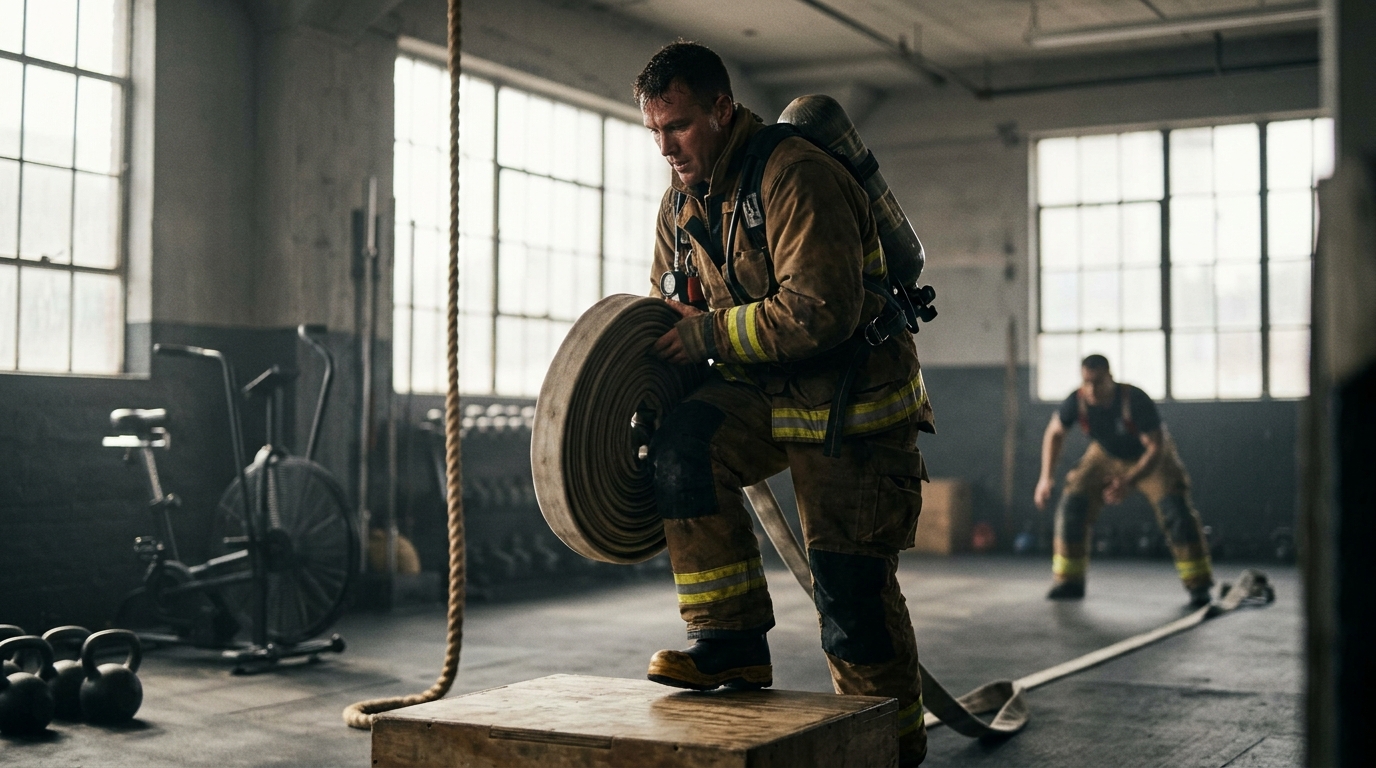
Functional fitness for first responders is no longer a niche interest. It is a critical component of career longevity and operational safety. According to recent industry data, over 6,000 firefighters have utilized specialized training systems to regain their physical edge. This shift reflects a broader understanding that standard gym routines fail to address the unique biomechanical demands of the job.
Understand the Unique Physical Demands
Firefighting requires a specific blend of strength, endurance, and mobility. Standard fitness models often prioritize aesthetics over function. This mismatch leads to injuries and decreased performance on the fireground. The core definition of functional fitness is movement patterns that mimic real-world tasks.
First responders carry heavy gear, climb ladders, and drag victims. These actions require posterior chain strength and core stability. Without targeted training, the body adapts to sedentary periods between calls. This adaptation causes muscle imbalances and chronic pain. Recognizing these specific needs is the first step in finding the right support.
Many firefighters struggle with weight gain due to irregular schedules. The stress of the job also impacts recovery. A program that ignores these factors will fail. You need a system that accounts for shift work and high-stress environments. This is why generic advice rarely works for this demographic.
Evaluate Program Specialization
Not all fitness programs claim to help first responders. You must look for explicit specialization. A qualified provider will use terminology specific to the industry. They will reference the Candidate Physical Ability Test (CPAT). They will discuss gear weight and operational readiness.
Check if the program offers a structured pathway. Look for clear progression from foundational movements to advanced drills. The best programs often start with a free assessment or introductory module. This allows you to test the coaching style without financial commitment. For example, Firefighter Kettlebell Foundations provides a free entry point for those new to functional training.
Verify the credentials of the coaching staff. Do they have experience working with active duty personnel? Do they understand the physiological toll of emergency services? General personal trainers may lack this specific context. Specialized coaches understand the difference between gym strength and job strength.
Identify Key Program Features
When reviewing potential programs, look for these essential components. These features ensure the training translates directly to the firehouse and the field.
Functional Movement Patterns
The training must include compound movements. Squats, deadlifts, and carries are non-negotiable. These exercises build the raw power needed for rescue operations. Isolation exercises have a place, but they are secondary. The primary focus must be on multi-joint efficiency.
Cardiovascular Endurance
Firefighting is an aerobic and anaerobic sport. You need the stamina to work for hours in heavy gear. Programs should include high-intensity interval training (HIIT). This mimics the burst-and-recover nature of emergency calls. Steady-state cardio alone is insufficient for this demand.
Recovery and Mobility
First responders often suffer from back and knee issues. A good program prioritizes mobility work. It includes stretching routines and recovery protocols. This helps prevent injury and extends your career. Ignoring recovery leads to burnout and long-term damage.
Compare Training Modalities
Different modalities offer varying benefits for first responders. Understanding these differences helps you choose the right path. The table below outlines the primary options available.
| Modality | Primary Benefit | Best For | Accessibility |
|---|---|---|---|
| Functional First Responder Program | Job-specific strength and endurance | Active firefighters needing CPAT prep | Online coaching available |
| Kettlebell Training | Grip strength and posterior chain | Beginners to intermediate athletes | Low equipment requirement |
| Online Coaching | Personalized accountability and adaptation | Busy schedules and remote users | High flexibility |
| Group Fitness | Community support and motivation | Those who thrive in team environments | Location dependent |
Each modality serves a different stage of your fitness journey. Many successful first responders combine these approaches. They might use kettlebells for daily maintenance and online coaching for structured progression. The key is consistency and relevance to the job.
Key Takeaways
- Over 6,000 firefighters have used specialized functional training to improve performance.
- Functional fitness is defined as training that mimics real-world emergency tasks.
- Specialized programs often offer free introductory modules like kettlebell foundations.
- Online coaching provides personalized accountability for busy first responders.
- CPAT preparation requires specific strength and endurance benchmarks.
- Recovery and mobility are critical for preventing chronic injuries.
- General fitness advice often fails to address the unique demands of the job.
Frequently Asked Questions
What is the best type of exercise for firefighters?
Functional strength training that mimics job tasks is most effective. This includes lifting, carrying, and climbing movements. It builds the specific muscles needed for rescue operations.
How can I prepare for the CPAT exam?
Focus on anaerobic capacity and muscular endurance. Practice the specific events of the test. Many programs offer CPAT-specific training plans to guide you.
Is online coaching effective for firefighters?
Yes, online coaching allows for personalized plans that fit shift work. It provides accountability and expert guidance without geographic limits.
What is the #1 tool for functional firefighter strength?
The kettlebell is widely considered the top tool. It builds grip strength, core stability, and posterior chain power efficiently.
How do I find a coach who understands first responders?
Look for coaches who explicitly mention first responders in their services. Check for testimonials from active duty personnel. Verify their experience with the unique stresses of the job.
Can I lose weight while working irregular shifts?
Absolutely. A structured nutrition and training plan can adapt to your schedule. Consistency is more important than perfect timing. Online coaching helps maintain this consistency.
What are the common injuries in firefighting?
Back pain, knee issues, and shoulder strains are common. These result from heavy gear and repetitive motions. Mobility work and proper lifting mechanics are essential for prevention.
Start Your Transformation
Do not let your fitness decline impact your career. The right program can restore your confidence and physical capability. Join the community of first responders who have reclaimed their strength. Apply for coaching today and take the first step toward a healthier future. Visit Everyday Heroes Fitness to begin your journey.