
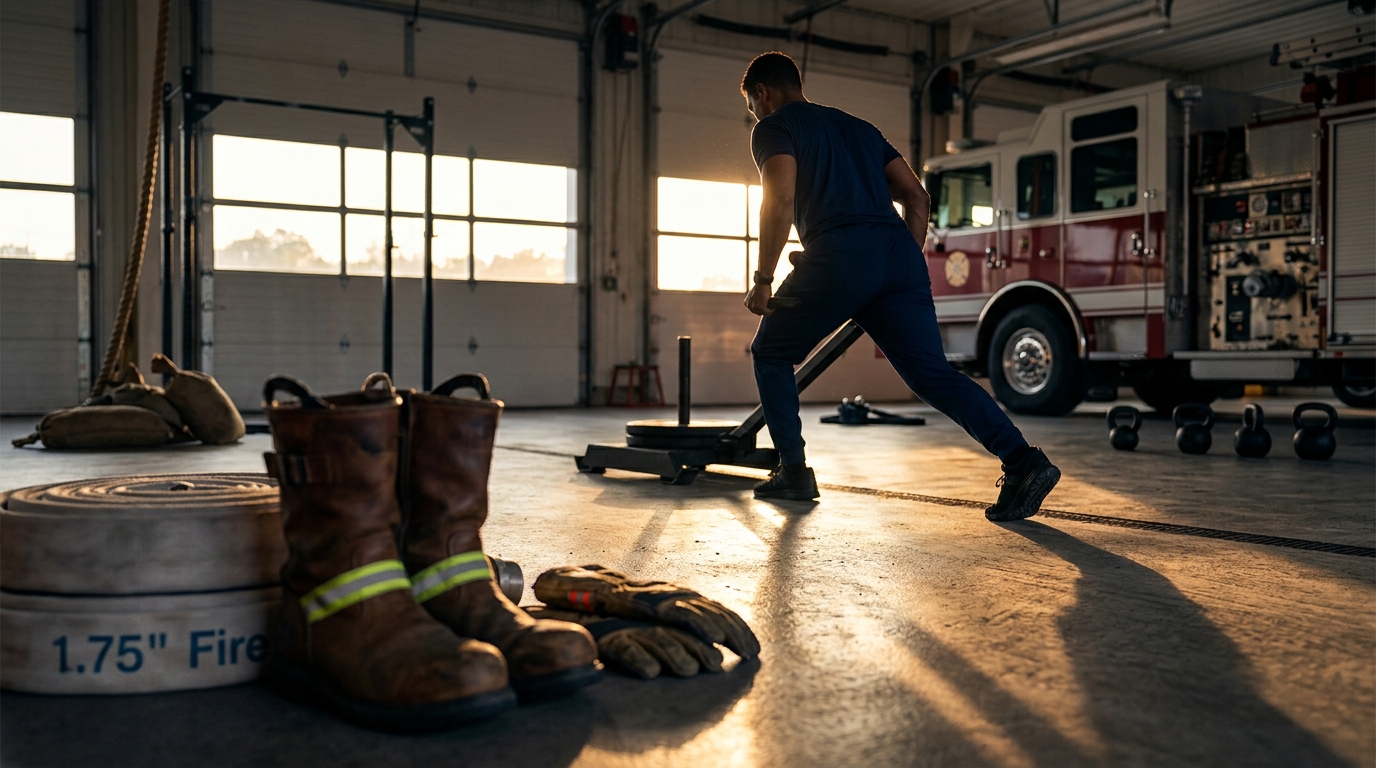
Functional fitness for first responders is no longer a niche interest but a critical operational requirement. According to recent industry data, over 6,000 firefighters have utilized specialized training systems to regain their physical readiness and mental resilience. This shift reflects a broader understanding that generic gym routines fail to address the unique physiological demands of the fireground.
Why Generic Programs Fail First Responders
Most commercial fitness programs are designed for aesthetic goals rather than operational readiness. They prioritize isolated muscle groups and predictable movement patterns. Firefighting requires unpredictable, full-body functional strength. The job demands the ability to lift heavy equipment, drag victims, and climb stairs while wearing heavy protective gear.
Functional fitness is the practice of training movements rather than muscles. This approach ensures that strength gained in the gym translates directly to the firehouse. Programs that ignore this principle often lead to plateaus or injuries. First responders need training that mimics the chaotic environment of a fireground.
Everyday Heroes Fitness addresses this gap by building systems specifically for firefighters. Their approach focuses on regaining strength and confidence through proven methods. This is not about chasing a beach body. It is about building the capacity to perform under extreme stress.
Key Criteria for Evaluating Firefighter Programs
When searching for a tailored program, you must evaluate the curriculum against specific operational needs. Look for programs that offer more than just a list of exercises. The best programs provide a holistic system that includes nutrition, accountability, and community support.
1. Operational Specificity
A quality program must mirror in-field demands. This means incorporating movements that enhance your capacity to lift, move, and endure during long shifts. If a program does not explicitly mention firefighter-specific challenges like shift work or burnout, it is likely too generic.
2. Professional Guidance
Self-guided PDFs often lack the nuance required for complex physical transformations. You need real coaching that adapts to your schedule. Look for providers who offer private access to a community of peers who understand the job.
3. Proven Results
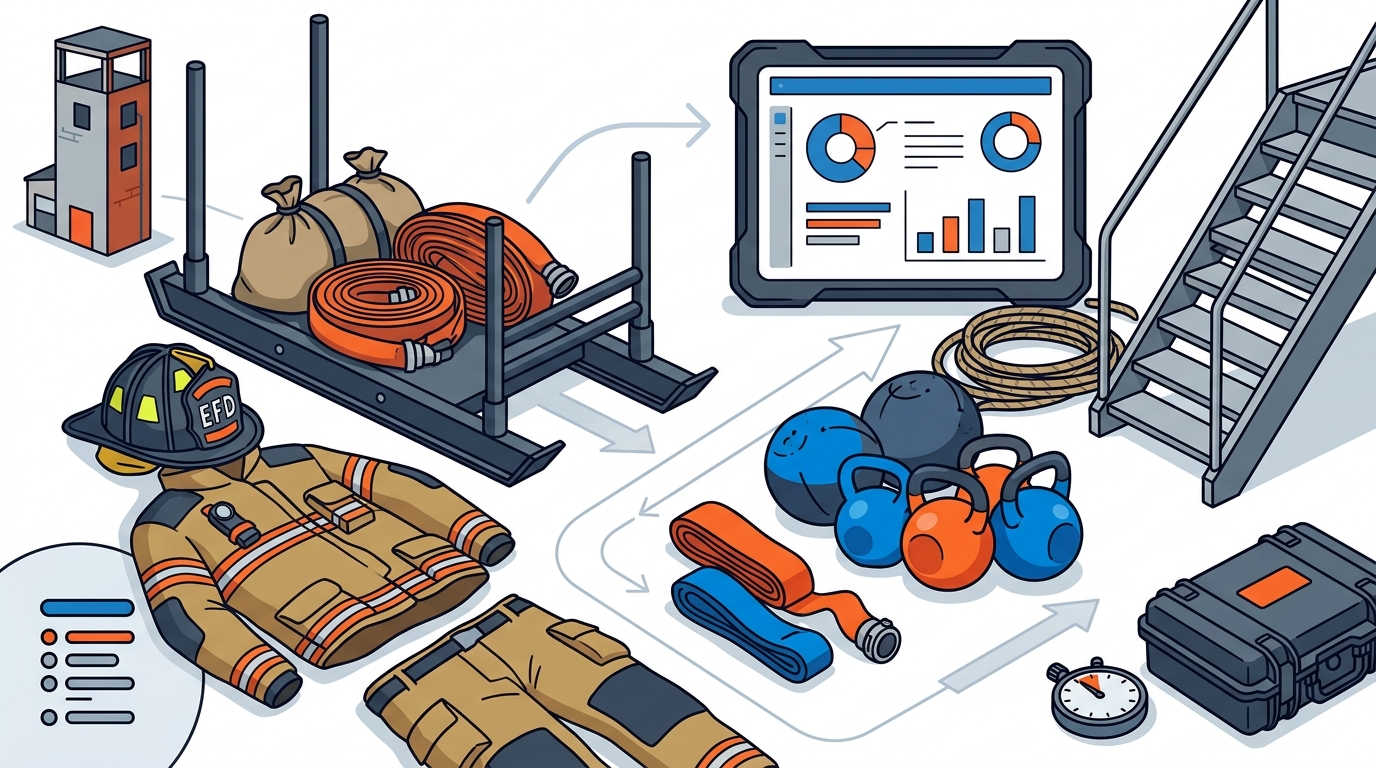
Check for tangible outcomes. Successful programs track weight loss, strength gains, and performance metrics. For instance, clients of specialized coaching have reported losing up to 45 pounds and completing 10K runs. These results indicate a program that delivers on its promises.
Comparing Program Types and Delivery Models
Understanding the different ways these programs are delivered helps you choose the right fit for your lifestyle. Below is a comparison of common models available to first responders.
| Program Type | Best For | Key Features | Commitment Level |
|---|---|---|---|
| 4-Week Functional Program | Quick start and habit building | Short-term focus, immediate action steps | Low to Medium |
| Kettlebell Foundations | Equipment-specific strength | Free 4-day plan, tool mastery | Low |
| Online Coaching | Comprehensive transformation | Custom training, weekly accountability | High |
The Online Coaching Program offers the most robust support. It includes custom training and real coaching tailored to your goals. This model is ideal for those who have tried generic apps and found them lacking.
Implementing Functional Training on Shift
Shift work disrupts circadian rhythms and makes consistent training difficult. A tailored program must account for this reality. It should provide nutrition plans that fit your lifestyle, not fight it. This means flexible meal strategies that work during long hours at the station.
Science-backed nutrition is the foundation of recovery. Without proper fuel, even the best workouts will fail. Look for programs that offer meal plans designed for first responders. These plans should help you manage weight and energy levels effectively.
Accountability is another critical component. Training alone can feel isolating. Joining a community of first responders provides the motivation needed to stay on track. When you are tired after a shift, knowing others are walking the same path can be the difference between quitting and continuing.
Key Takeaways
- Operational Focus: Effective programs prioritize functional strength over aesthetics to prepare for fireground demands.
- Proven Track Record: Over 6,000 firefighters have used specialized systems to improve their physical readiness.
- Community Support: Access to a private community of peers is essential for long-term accountability and motivation.
- Nutrition Integration: Meal plans must be tailored to shift work schedules to ensure consistent energy and recovery.
- Professional Coaching: Custom training with real coaches yields better results than generic PDFs or apps.
- Realistic Goals: Focus on readiness and performance rather than quick fixes or temporary weight loss.
- Accessible Entry Points: Free resources like kettlebell foundations can serve as a starting point for new members.
Frequently Asked Questions
What makes a fitness program "tailored" for firefighters?
A tailored program addresses the specific physical and mental demands of the job. It includes functional movements that mimic fireground tasks and accounts for the challenges of shift work and irregular schedules.
How is functional fitness different from traditional weightlifting?
Functional fitness focuses on multi-joint movements that improve real-world performance. Traditional weightlifting often isolates muscles for aesthetic purposes. Functional training enhances your ability to lift, carry, and endure in unpredictable environments.
Can I do these programs while working full-time shifts?
Yes. Effective programs are designed to fit into busy schedules. They offer flexible training options and nutrition plans that adapt to your shift work. The key is consistency rather than perfection.
What is the difference between the 4-week program and online coaching?
The 4-week program is a short-term intensive designed to kickstart your journey. Online coaching provides long-term support with custom training, weekly accountability, and personalized nutrition. Coaching is better for comprehensive transformation.
Do I need special equipment to start?
Many programs, like the Kettlebell Foundations, require minimal equipment. You can start with basic tools and progress to more complex gear as you advance. The focus is on movement quality, not expensive machines.
How do I know if a program is right for me?
Look for programs that offer free trials or foundational guides. Read testimonials from other first responders. If the program addresses your specific pain points like back pain or weight gain, it is likely a good fit.
Is there support for mental health and burnout?
Yes. Many tailored programs recognize the link between physical fitness and mental resilience. They provide community support and coaching that helps manage stress and burnout. This holistic approach is critical for first responders.
Start Your Transformation
Do not let another shift pass without prioritizing your health. The path to becoming the Everyday Hero you were meant to be starts with a single step. Apply for coaching today and join a community that understands your journey.
Apply for Online Coaching Now to begin your transformation. You can also start with the 4-Week Functional First Responder Training Program to see immediate results.