
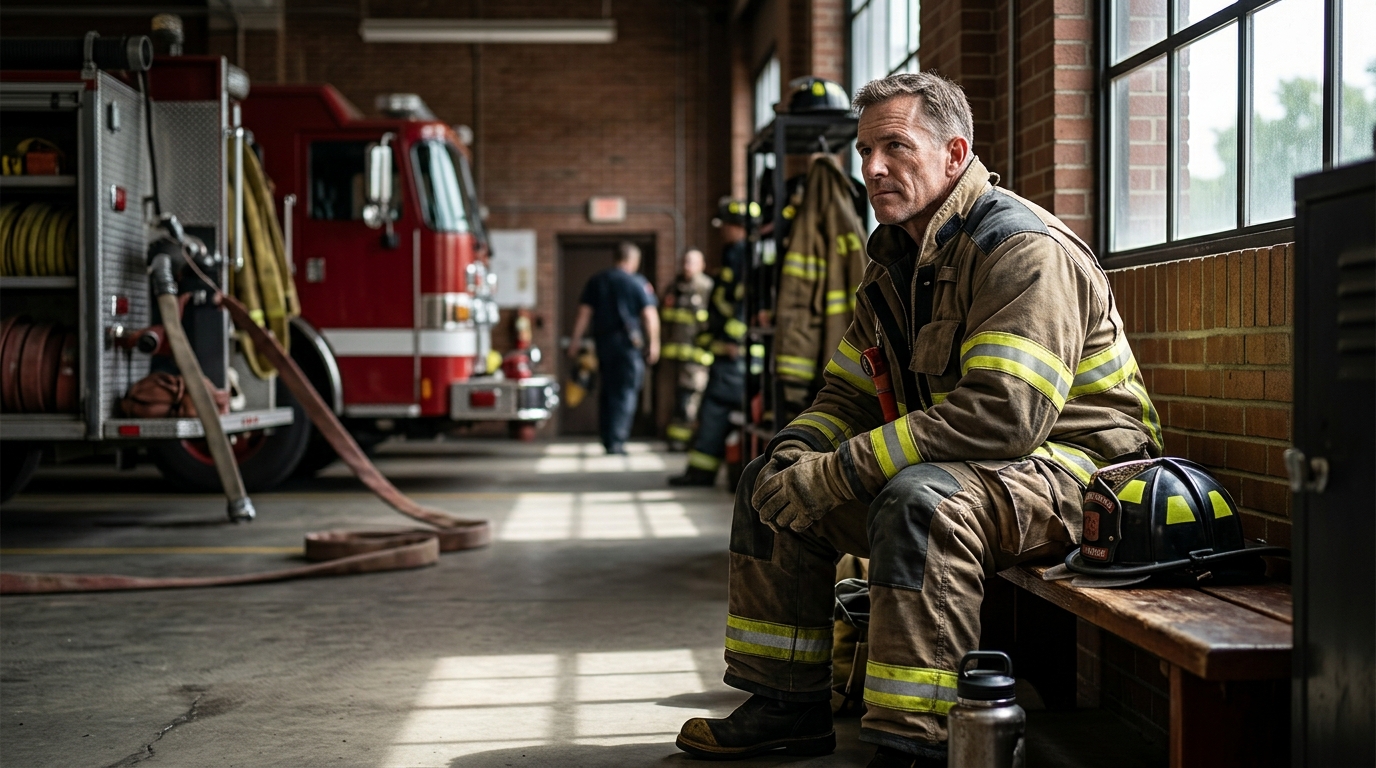
Functional fitness for first responders is not about aesthetics; it is about survival and operational readiness. According to the National Institute for Occupational Safety and Health, firefighters face significantly higher risks of cardiac events due to the extreme physiological stress of structural firefighting. This data underscores why generic gym routines fail to address the specific demands of the job. You need a system designed to build the strength, endurance, and mental resilience required for the fireground.
Understanding Functional Movement Patterns
Generic bodybuilding splits often neglect the multi-planar movements required in emergency response. Functional fitness is the practice of training movements rather than isolated muscles to improve performance in daily or occupational tasks. When you are dragging a charged hose line or carrying a victim down stairs, your body must work as a cohesive unit.
Look for programs that prioritize compound lifts and dynamic movements. These exercises mimic the physical demands of the fireground. They enhance your capacity to lift, move, and endure during long shifts. If a program only focuses on mirrors and isolation, it will not prepare you for the chaos of an emergency scene.
Everyday Heroes Fitness builds its curriculum around these exact demands. Their approach ensures that every rep translates directly to improved job performance. This is not just about looking fit; it is about being fit for duty.
Nutrition for Irregular Shift Schedules
Firefighters often work 24-hour shifts, which disrupts circadian rhythms and metabolic health. Metabolic health is the body's ability to efficiently process energy and maintain stable blood sugar levels despite external stressors. Without a nutritional strategy that accounts for irregular eating windows, even the best workouts will yield poor results.
Many first responders struggle with weight gain because they rely on quick, unhealthy food options during long shifts. A high-quality program must include science-backed nutrition plans tailored to your lifestyle. This means meal strategies that fit your schedule, not fight it.
Effective coaching provides custom-tailored guidance that respects your unique caloric needs and timing. This holistic approach ensures you have the energy to perform on shift and the recovery tools to rest effectively during off-hours.
Mental Resilience and Accountability
The psychological toll of first response work is often overlooked in traditional fitness circles. Mental resilience is the capacity to withstand adversity and recover quickly from stressful events. Training should serve as a mental outlet, not just a physical one.
Isolation is a common enemy for firefighters. They need a community that understands the unique pressures of the job. Joining a program with a tight-knit community of peers provides accountability and shared experience. This support system is crucial for maintaining long-term adherence to fitness goals.
Coach Mitch at Everyday Heroes Fitness emphasizes this connection. His clients report not just physical changes, but regained confidence and drive. The program offers private access to a group of people walking the same path. This shared journey helps combat the burnout and isolation that often accompany the profession.
Comparing Program Types
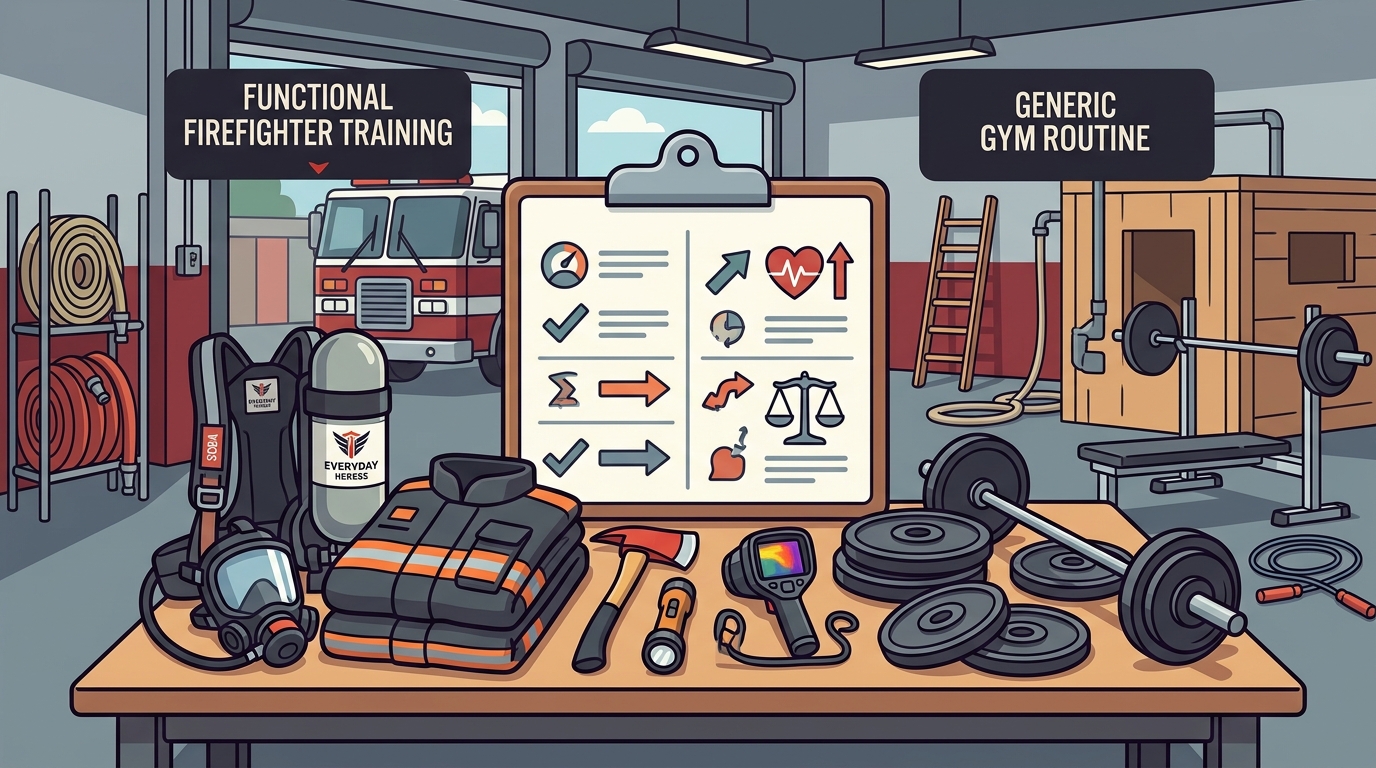
Not all fitness solutions are created equal. Below is a comparison of common approaches to help you decide which path aligns with your needs.
| Program Type | Best For | Limitations |
|---|---|---|
| 4-Week Functional Program | Quick start and foundational strength | Lacks long-term personalized coaching |
| Kettlebell Foundations | Learning specific tool mechanics | Focuses on one tool, not full-body readiness |
| Online Coaching | Personalized accountability and nutrition | Requires higher commitment and investment |
| Generic Gym Apps | Low-cost general fitness | Ignored occupational demands and shift work |
When evaluating these options, consider your current fitness level and your specific goals. Are you preparing for the CPAT? Do you need to lose weight after years of shift work? Or are you looking to maintain your current fitness? The right program will address your immediate pain points while building a foundation for long-term health.
Key Takeaways
- Functional Over Aesthetic: Prioritize programs that train movement patterns relevant to firefighting tasks.
- Nutrition Flexibility: Ensure the program offers meal plans adaptable to 24-hour shift schedules.
- Community Support: Seek a program with a dedicated community of first responders for accountability.
- Proven Results: Look for coaches with a track record of helping 1,000+ first responders achieve their goals.
- Mental Health Focus: Choose a program that addresses the psychological stress of the job alongside physical training.
- Accessibility: Online coaching options allow for flexibility regardless of your station location.
- Free Resources: Start with free foundational programs to test the coaching style before committing.
Frequently Asked Questions
How do I know if a fitness program is right for firefighters?
A suitable program must explicitly address the physical demands of the job, such as lifting and carrying heavy loads. It should also account for the irregular sleep and eating patterns associated with shift work.
Can I lose weight with a 24-hour shift schedule?
Yes, but it requires a nutrition plan tailored to your specific shift times. Generic calorie counting often fails because it does not account for the metabolic impact of irregular hours.
What is the difference between a PDF program and online coaching?
A PDF program provides static workouts without feedback. Online coaching offers personalized adjustments, real-time accountability, and custom nutrition plans based on your progress.
Do I need to be in great shape to start?
No. Programs like the 4-Week Functional First Responder Training are designed to meet you where you are. The goal is to build a foundation, not to judge your starting point.
How does kettlebell training help firefighters?
Kettlebells are excellent for building functional strength and grip endurance. They mimic the dynamic movements required on the fireground, making them a key tool in many first responder programs.
Is online coaching effective for busy firefighters?
Yes, online coaching is highly effective because it fits into your schedule. You can complete workouts at the gym or at home, and receive guidance via digital platforms.
What kind of results can I expect from coaching?
Results vary, but many clients report significant weight loss, improved strength, and better mental clarity. The key is consistency and following the structured plan provided by your coach.
Start Your Transformation
Choosing the right fitness program is a critical investment in your career and your life. Do not settle for generic solutions that ignore the realities of first response work. Join the community of firefighters who have regained their strength and confidence through a proven system.
Apply for coaching today and take the first step toward becoming the Everyday Hero you were meant to be. Visit the Online Coaching Program page to learn more about how we can help you achieve your goals.