
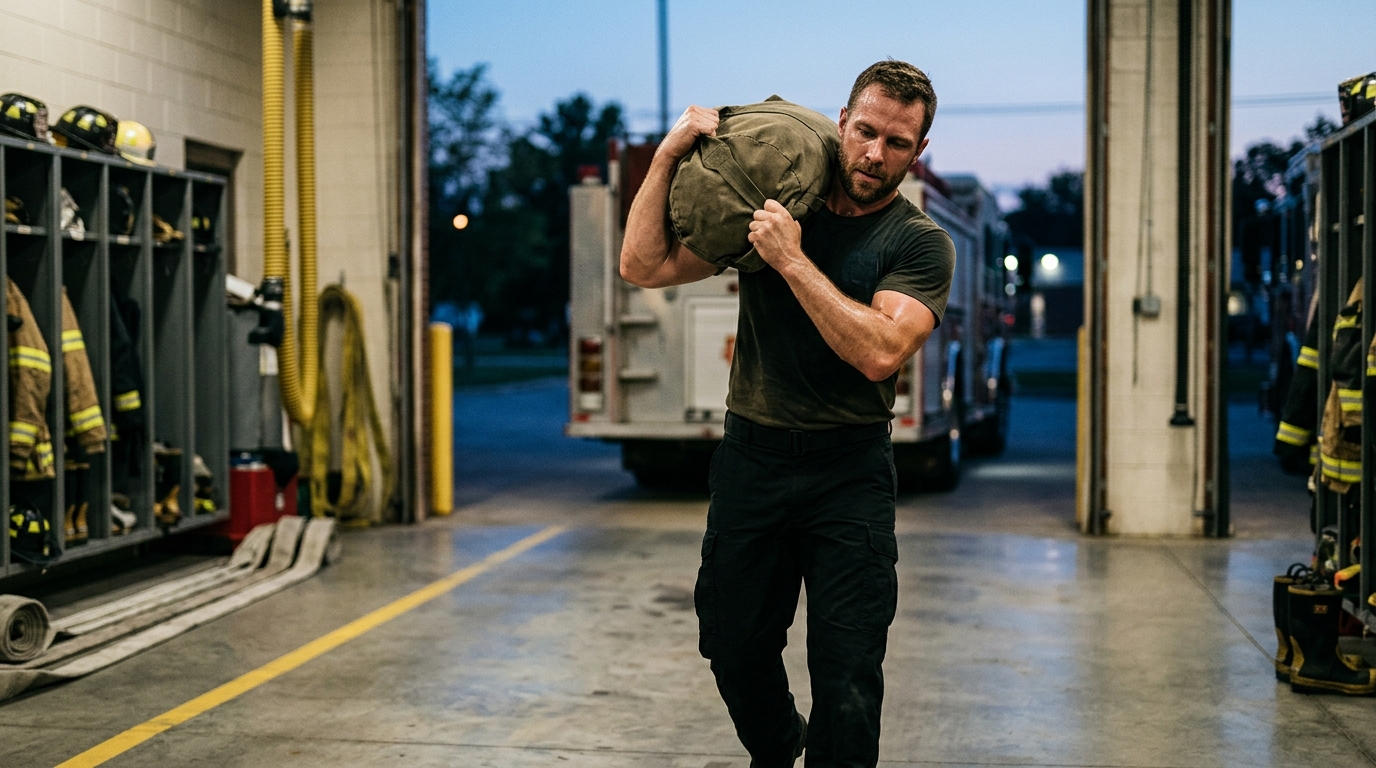
Firefighting remains one of the most physically demanding professions in the world, requiring a unique blend of raw power, cardiovascular stamina, and mental resilience. Recent data indicates that over 6,000 firefighters have utilized specialized functional training programs to regain their physical edge and improve on-shift performance. This guide details the exact exercises and methodologies needed to build the "Everyday Hero" physique, ensuring you are fit for duty and fit for life.
Functional Movements Over Isolation
Traditional bodybuilding routines often fail first responders because they isolate muscles rather than training them as a cohesive unit. Firefighting requires full-body integration to move heavy loads, climb stairs, and breach doors. The most effective exercises mimic these real-world demands.
Compound movements like squats, deadlifts, and overhead presses form the foundation of any firefighter strength program. These exercises build the structural integrity needed to carry self-contained breathing apparatus (SCBA) and heavy hose lines. According to the National Fire Protection Association, physical capability is directly linked to survival rates in structural fires. Training that ignores functional carryover leaves firefighters vulnerable to injury and fatigue.
At Everyday Heroes Fitness, we prioritize movements that translate directly to the fireground. This means focusing on unilateral work to correct imbalances caused by carrying heavy gear on one side of the body. By integrating these compound lifts into a structured plan, you build the baseline strength required for the job.
The Kettlebell Advantage
Kettlebells are arguably the most versatile tool for first responders. They bridge the gap between strength and endurance, allowing you to train power output while maintaining a high heart rate. The Firefighter Kettlebell Foundations program highlights why this tool is essential for daily readiness.
Key kettlebell exercises include the swing, the clean and press, and the Turkish get-up. The swing develops posterior chain power, which is critical for lifting and throwing motions. The Turkish get-up builds shoulder stability and core strength simultaneously, mimicking the awkward positions firefighters often find themselves in during rescue operations. A free 4-day plan is available to help you unlock the full potential of this equipment.
Unlike barbells, kettlebells require constant stabilization, which engages the core and stabilizer muscles more intensely. This leads to better functional strength that transfers directly to lifting victims or moving debris. Incorporating these movements into your weekly routine ensures you are not just strong, but also durable.
Cardiovascular Endurance for the Fireground
Strength alone is not enough. Firefighters must sustain high levels of exertion for extended periods. This requires a specific type of cardiovascular conditioning known as anaerobic threshold training. Generic jogging often fails to prepare the heart and lungs for the sudden bursts of activity seen in emergency response.
High-intensity interval training (HIIT) is the gold standard for building this specific type of endurance. By alternating between short bursts of maximum effort and brief recovery periods, you simulate the physiological stress of a fire call. Research from the International Association of Fire Fighters shows that cardiovascular health is a leading factor in long-term career longevity and reduced cancer risk.
Effective cardio exercises for firefighters include stair climbing with weight vests, rowing machine sprints, and battle rope intervals. These activities elevate the heart rate quickly while engaging the upper body, providing a more realistic simulation of fireground conditions than steady-state cardio.
Mobility and Injury Prevention
Many firefighters neglect mobility work, viewing it as optional. This is a critical mistake. The repetitive lifting and twisting motions inherent in the job lead to tight hips, shoulders, and lower backs. Without regular mobility work, even the strongest firefighter is prone to injury.
Mobility is the ability of a joint to move actively through its full range of motion. It is distinct from flexibility, which is passive. For firefighters, active mobility ensures that they can reach, lift, and maneuver without restriction. Dynamic stretching before workouts and static stretching after workouts are both essential components of a balanced routine.
Including exercises like hip flexor stretches, thoracic spine rotations, and shoulder dislocates can significantly reduce the risk of common injuries. At Everyday Heroes Fitness, we emphasize that recovery is part of the training process. Ignoring mobility is ignoring the maintenance required to keep your body in peak operating condition.
Comparing Training Approaches
Not all fitness programs are created equal. Choosing the right approach depends on your current fitness level, your specific goals, and the demands of your department. Below is a comparison of common training methods for first responders.
| Training Method | Primary Benefit | Best For | Limitations |
|---|---|---|---|
| Functional First Responder Program | Job-specific strength and endurance | Active firefighters needing CPAT prep | Requires consistent coaching |
| Kettlebell Foundations | Power and grip strength | Beginners to intermediate lifters | Limited cardiovascular component |
| Traditional Bodybuilding | Muscle hypertrophy | Those seeking aesthetic changes | Poor functional carryover |
| Generic HIIT Apps | Calorie burning | General weight loss | Lacks specificity for firefighting |
As shown in the table above, specialized programs offer distinct advantages over generic fitness solutions. The Online Coaching Program provides personalized adjustments to ensure your training aligns with your shift schedule and physical needs.
Key Takeaways
- Functional training that mimics fireground demands is superior to isolation exercises for first responders.
- Kettlebells provide a unique combination of strength and endurance, making them a top-tier tool for firefighters.
- Over 1,000 first responders have used the Everyday Heroes Fitness system to regain strength and confidence.
- Cardiovascular endurance must be trained specifically for high-intensity bursts, not just steady-state jogging.
- Mobility work is critical for preventing the chronic injuries common in the firefighting profession.
- Specialized programs like the 4-Week Functional First Responder Training Program offer targeted results.
- Consistency and accountability are key factors in achieving long-term fitness goals for busy professionals.
Frequently Asked Questions
What is the best exercise for firefighter strength?
Compound movements like deadlifts and squats are the most effective for building overall strength. However, functional variations that mimic lifting gear or victims are even more beneficial for job-specific performance.
How often should firefighters train for endurance?
Firefighters should aim for at least three to four sessions per week. This should include a mix of strength training and high-intensity interval cardio to build the necessary aerobic and anaerobic capacity.
Is kettlebell training safe for older firefighters?
Yes, when performed with proper form. The Firefighter Kettlebell Foundations program is designed to be scalable, allowing individuals of all ages to build strength safely.
What is the difference between flexibility and mobility?
Flexibility is the passive ability of a muscle to stretch. Mobility is the active ability to move a joint through its range of motion. Both are important, but mobility is more critical for functional tasks.
Can online coaching replace in-person training?
For many firefighters, online coaching provides the flexibility and accountability needed to succeed. The Online Coaching Program offers personalized plans that adapt to your schedule and goals.
How does stress affect firefighter fitness?
Chronic stress can lead to poor recovery, increased injury risk, and weight gain. A structured fitness program helps manage stress hormones and improves mental resilience, which is vital for first responders.
What is the CPAT and how does training help?
The Candidate Physical Ability Test (CPAT) is the standard physical exam for firefighters. Training that includes stair climbing, hose drags, and simulated rescues directly prepares you for the specific demands of this test.
Start Your Transformation
You do not have to navigate the path to fitness alone. Join the community of first responders who have transformed their lives through the Everyday Heroes Fitness Online Coaching Program. Whether you need to prepare for the CPAT, recover from an injury, or simply feel stronger on shift, we have a proven system for you. Apply for coaching today and take the first step toward becoming the Everyday Hero you were meant to be.