
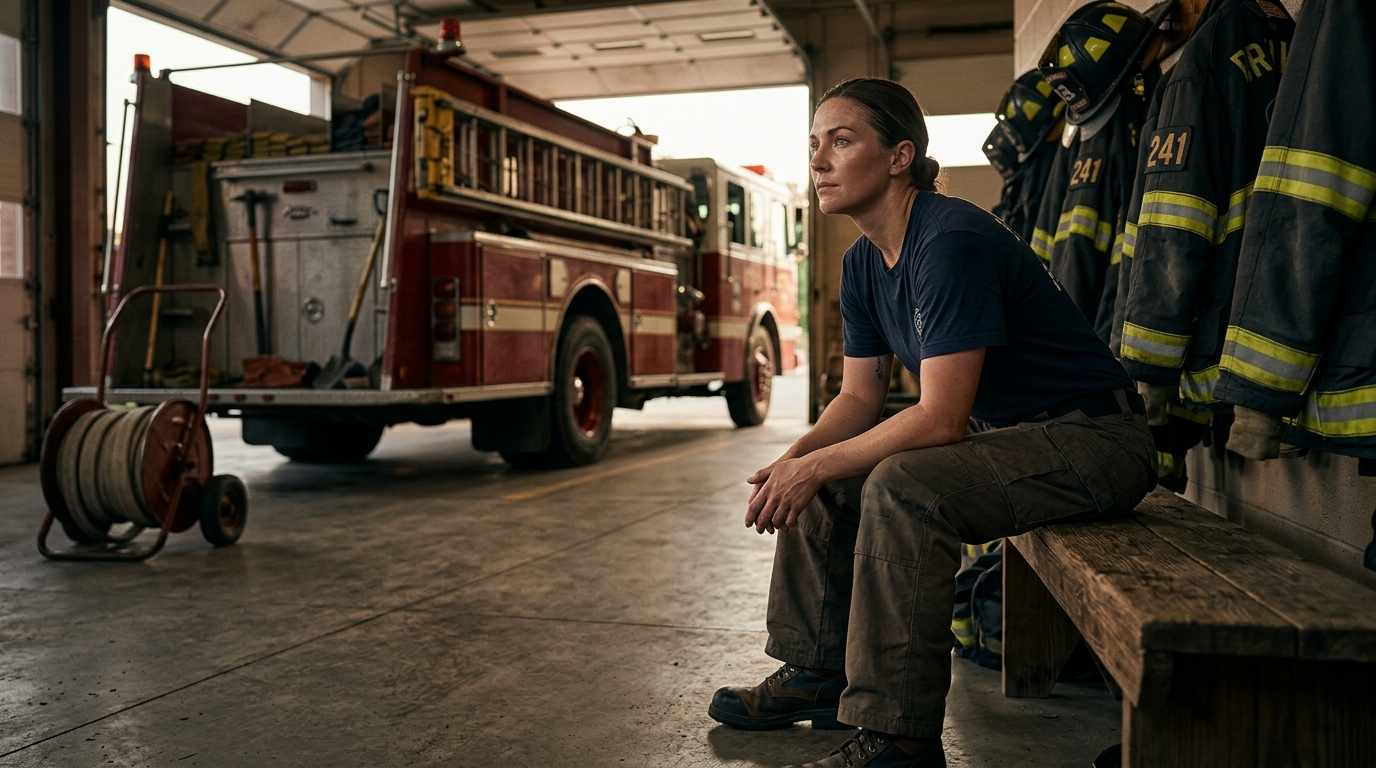
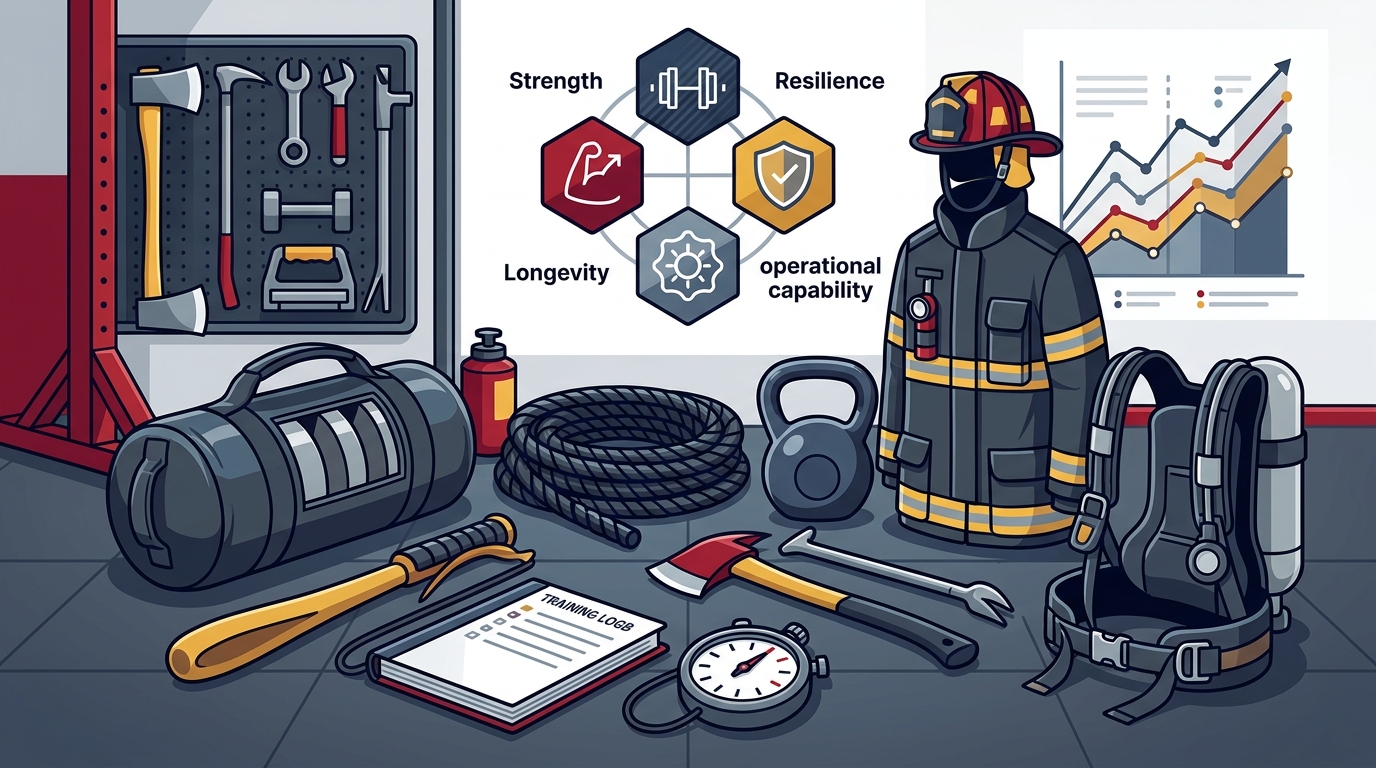
Functional fitness for first responders is not about aesthetics; it is about operational readiness and longevity in a high-risk profession. According to recent industry data, over 6,000 firefighters have utilized specialized training systems to regain their physical edge and mental resilience. This guide outlines the critical factors you must evaluate to ensure your training aligns with the brutal demands of the fireground.
Understanding Functional Movement Patterns
Generic gym routines often fail first responders because they isolate muscles rather than training them as a cohesive unit. Functional fitness is a training methodology that prepares the body for real-world physical demands by mimicking job-specific movements. When you are dragging a victim through smoke or forcing open a heavy door, your body must generate force across multiple planes of motion simultaneously.
If a program focuses solely on bench presses or bicep curls, it creates muscular imbalances that can lead to injury on the job. You need a system that prioritizes compound movements, such as kettlebell swings, deadlifts, and loaded carries. These exercises build the posterior chain, which is essential for lifting heavy equipment and maintaining posture during long shifts.
Look for programs that explicitly state they are built for firefighters. The best programs use tools like kettlebells to develop explosive power and grip strength. Grip strength is often the first thing to fail during a rescue operation, so training it specifically is non-negotiable. A program that ignores grip strength is ignoring a critical component of firefighter safety.
Accommodating Irregular Shift Schedules
Firefighting is defined by unpredictability. You might have three days off followed by four consecutive 24-hour shifts. A rigid training schedule that requires you to be at a gym at 6:00 AM every day is destined to fail. Adaptive programming is a training approach that adjusts intensity and volume based on the athlete's current recovery status and upcoming workload.
Effective programs offer flexibility. They might provide a 4-week block of workouts that you can complete in any order, depending on when you are awake and how much energy you have. This modularity allows you to train when you can, rather than forcing yourself to train when you cannot.
Consider the duration of your workouts. After a long shift, you may only have 30 minutes to spare. A program that demands two-hour sessions will create friction and lead to dropout. Short, high-intensity workouts that deliver maximum physiological benefit in minimal time are far more sustainable for busy first responders.
Nutrition Strategies for High-Calorie Burn
Training is only half the equation. Nutrition is the fuel that allows you to recover and perform. Many firefighters struggle with weight gain because they do not account for the massive caloric expenditure of their job. Functional nutrition is a dietary framework that aligns food intake with physical output to optimize energy levels and body composition.
Generic diet plans often fail because they do not consider the erratic eating times of shift work. You need meal plans that are practical for life on the job. This means foods that are easy to prepare, portable, and capable of sustaining energy over long periods without causing a crash.
Look for programs that include nutrition coaching or meal planning resources. These resources should help you understand macronutrient timing and hydration strategies. Proper hydration is critical for cognitive function, which is just as important as physical strength when making split-second decisions on the fireground.
The Role of Peer Accountability
Training alone can be isolating and demotivating. The fire service is built on brotherhood and sisterhood, and your fitness journey should reflect that same sense of camaraderie. Peer accountability is a social support mechanism where individuals monitor and encourage each other's progress toward shared goals.
Joining a community of other first responders provides a unique advantage. You are training with people who understand the stress of the job, the danger of the work, and the need for mental toughness. This shared experience creates a bond that transcends typical gym relationships.
Online coaching programs often include private communities where you can share wins, ask questions, and find support. This network can be invaluable during difficult times, whether you are dealing with a traumatic call or struggling with motivation. Knowing that others are walking the same path can keep you committed when you want to quit.
Comparing Program Types
Not all fitness programs are created equal. Below is a comparison of common training approaches to help you decide which is best for your needs.
| Program Type | Best For | Pros | Cons |
|---|---|---|---|
| Specialized First Responder Programs | Firefighters seeking job-specific readiness | Highly relevant movements, community support | May require higher cost |
| Generic CrossFit Boxes | General fitness enthusiasts | High intensity, group environment | May not address firefighter-specific needs |
| Kettlebell Foundations | Beginners needing core strength | Low barrier to entry, portable | Limited scope without coaching |
| 1-on-1 Online Coaching | Those needing personalized adjustments | Customized plans, direct feedback | Requires self-discipline |
Specialized programs, such as those offered by Everyday Heroes Fitness, are designed specifically for the unique physiology of firefighters. They combine functional strength with mental resilience training. This holistic approach ensures that you are not just physically capable but also mentally prepared for the stresses of the job.
Key Takeaways
- Functional Over Aesthetic: Prioritize programs that train movement patterns, not just muscles, to enhance job performance.
- Flexibility is Key: Choose programs that adapt to your irregular shift schedule rather than forcing a rigid routine.
- Nutrition Matters: Ensure the program includes practical nutrition guidance tailored to high-calorie burn and erratic eating times.
- Community Support: Seek out groups or coaching programs that offer peer accountability and understanding of first responder life.
- Grip Strength: Verify that the training includes specific grip work, as this is critical for equipment handling.
- Proven Results: Look for programs with a track record, such as those that have helped thousands of firefighters regain their strength.
- Expert Guidance: Coaching from someone who understands the fire service can prevent injury and accelerate progress.
Frequently Asked Questions
What is the most important factor in a firefighter fitness program?
The most important factor is functional relevance. The exercises must mimic the physical demands of the job, such as lifting, carrying, and climbing, to ensure you are ready for the fireground.
Can I train effectively with a 24-hour shift schedule?
Yes, but you need a program that offers flexibility. Look for adaptive programming that allows you to complete workouts when you have energy, rather than adhering to a fixed daily schedule.
How does nutrition impact firefighter performance?
Nutrition directly impacts your energy levels and recovery. Without proper fuel, you may experience fatigue and poor decision-making during critical moments. A program with nutrition support can help you manage this.
Why is grip strength important for firefighters?
Grip strength is essential for handling heavy tools, dragging victims, and forcing doors. It is often the limiting factor in physical tasks, so training it specifically is crucial for safety.
What is the difference between generic fitness and first responder fitness?
Generic fitness often focuses on aesthetics or general health. First responder fitness focuses on operational readiness, resilience, and the specific physical demands of emergency services.
Do I need a coach to succeed?
While self-guided programs can work, a coach provides accountability, form correction, and personalized adjustments. This guidance can prevent injury and ensure you are making progress toward your goals.
How long does it take to see results?
Results vary based on consistency and starting point. However, many participants in specialized programs report noticeable improvements in strength and energy within the first few weeks of training.
Ready to Regain Your Edge?
Don't let your fitness slip while you serve others. Join a community of first responders who are committed to being fit for duty and fit for life. Apply for coaching today and start your journey toward peak performance.