
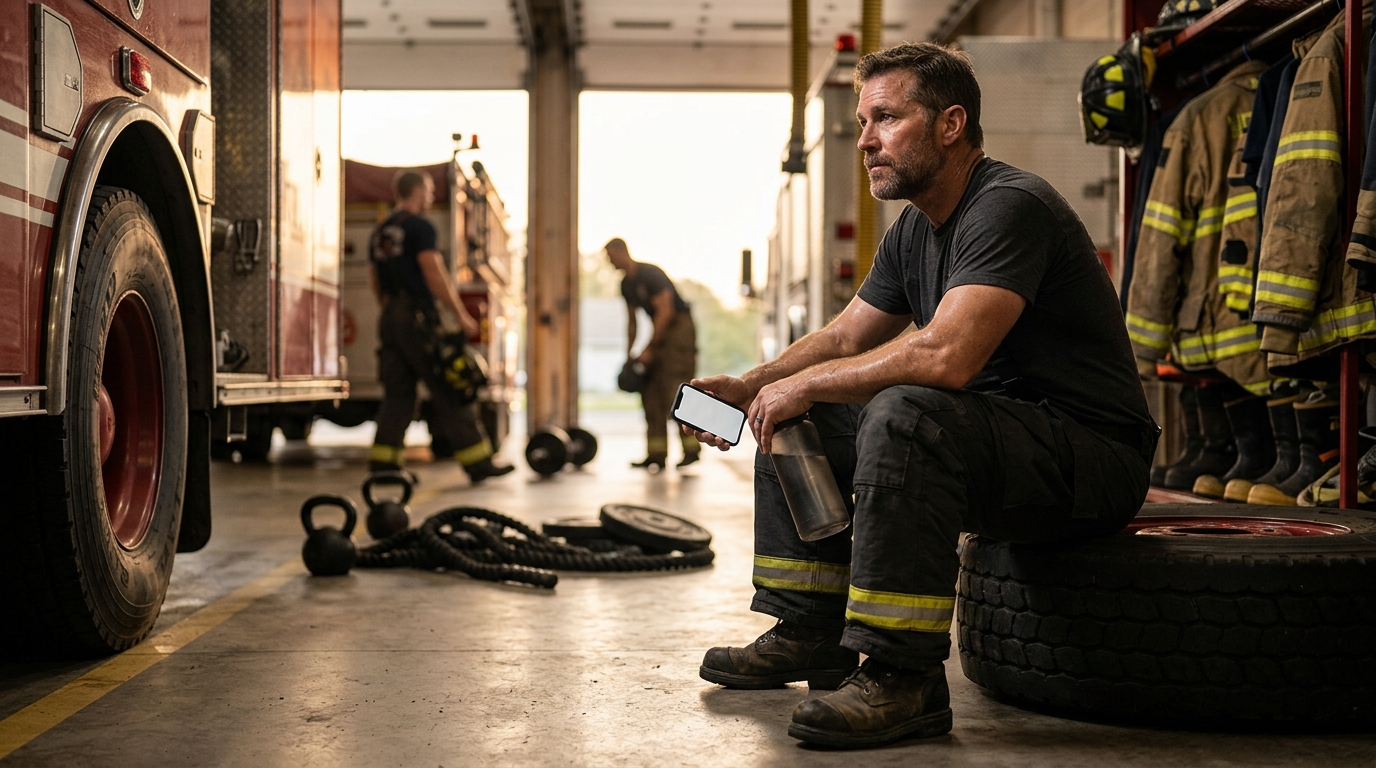
First responders face unique physical demands that generic gym routines simply cannot address. According to recent industry data, over 6,000 firefighters have utilized specialized functional training systems to regain their strength and confidence. This shift away from traditional bodybuilding toward job-specific readiness highlights the critical need for tailored fitness solutions. If you are struggling to find a program that understands the realities of shift work and heavy gear, you are not alone. Many professionals feel disconnected from standard fitness communities that do not account for the physical toll of the fireground. (Everyday Heroes Fitness)
Understanding Functional Fitness for First Responders
Functional fitness is defined as a training approach that prepares the body for real-world physical tasks rather than isolated muscle groups. For firefighters, this means movements that mimic lifting, dragging, climbing, and carrying heavy equipment. Generic programs often fail because they ignore the specific biomechanical stresses of wearing self-contained breathing apparatus (SCBA) and turnout gear.
When searching for a program, look for instructors who explicitly state they are "firefighter-built" or "fireground-proven." This terminology indicates that the curriculum was developed by someone who understands the operational context. A program that claims to be built for firefighters should prioritize readiness and performance over aesthetic goals. The focus must be on durability, endurance, and the ability to perform under extreme stress.
Many first responders report that generic gym memberships lead to plateaus or even injury because the exercises do not translate to the firehouse. A tailored program addresses these gaps by incorporating kettlebell foundations and dynamic movements that build the specific strength needed for rescue operations. This approach ensures that the time spent training directly contributes to career longevity and personal health.
Evaluating Program Credentials and Methodology
Not all "firefighter fitness" programs are created equal. You must evaluate the methodology to ensure it aligns with the rigorous demands of the job. Start by checking if the program offers a free introductory module, such as a kettlebell foundations course. This allows you to test the coaching style and exercise selection without financial commitment.
Look for evidence of a proven system that has helped a significant number of first responders. For instance, programs that have assisted over 1,000 first responders in regaining their drive demonstrate a track record of success. This social proof is a strong indicator that the methodology is effective for the target demographic. It suggests that the program has been refined through real-world application rather than theoretical design.
Additionally, verify if the program includes nutrition guidance tailored to irregular schedules. First responders often work 24-hour shifts, which disrupts standard meal timing. A high-quality program will provide science-backed nutrition plans that fit this lifestyle, rather than forcing rigid eating windows that are impossible to maintain. This holistic approach is essential for sustained energy levels and recovery.
Comparing Training Options: Coaching vs. Self-Guided
When deciding how to proceed, you generally have two main paths: self-guided digital programs or personalized online coaching. Each option serves different needs and budgets. Understanding the differences will help you make the right choice for your current fitness level and career stage.
| Feature | Self-Guided Program | Online Coaching |
|---|---|---|
| Cost | Lower upfront cost | Higher investment |
| Accountability | Self-motivation required | Weekly check-ins with a coach |
| Customization | Fixed workout plan | Tailored to individual goals |
| Community | Often limited | Access to peer support groups |
| Best For | Disciplined individuals | Those needing structure |
Self-guided programs, such as a 4-week functional first responder training program, are excellent for those who are highly disciplined and want to dip their toes into specialized training. These programs often include high-quality videos to ensure proper form. However, they lack the personal touch that can keep you motivated during difficult phases.
Online coaching provides a deeper level of support. It includes real people providing real results through continuous feedback. This option is ideal for firefighters who feel they have plateaued or need help navigating the mental aspects of fitness. The accountability provided by a coach who understands the job can be the difference between quitting and succeeding.
Key Benefits of Specialized Training
Investing in a program tailored to your profession yields tangible benefits that extend beyond the gym. These advantages directly impact your performance on shift and your quality of life off shift.
- Enhanced Job Performance: Improved strength and endurance allow you to handle heavy gear and rescue victims with greater ease and safety.
- Injury Prevention: Targeted conditioning strengthens the muscles most prone to injury in first responders, reducing downtime due to strain.
- Mental Resilience: Regular functional training helps combat burnout and improves mental clarity, which is crucial for high-stress environments.
- Weight Management: Tailored nutrition and exercise plans help manage weight gain often associated with shift work and sedentary periods.
- Community Support: Connecting with other first responders creates a support network that understands the unique pressures of the job.
- Confidence Restoration: Regaining physical fitness often leads to a renewed sense of confidence and purpose in your career.
- Longevity: A sustainable fitness routine helps you maintain your career for longer by preserving your physical health.
Frequently Asked Questions
What is the best type of exercise for firefighters?
Functional fitness is the most effective type of exercise for firefighters because it mimics the physical demands of the job. This includes lifting, dragging, and climbing movements that build practical strength.
How do I know if a fitness program is tailored to first responders?
Look for programs that explicitly mention firefighter-specific training, such as kettlebell foundations or functional first responder programs. Check if the coaches have experience with the profession and if the curriculum addresses shift work challenges.
Can I lose weight with a firefighter fitness program?
Yes, many participants report significant weight loss. Programs often combine functional workouts with science-backed nutrition plans designed for irregular schedules, which helps manage weight effectively.
Is online coaching as effective as in-person training?
Online coaching can be highly effective, especially when it includes weekly accountability, personalized feedback, and access to a community of peers. It offers flexibility for those with demanding shift schedules.
What if I am a volunteer firefighter?
Specialized programs are designed for all first responders, including volunteers. The physical demands are similar, and the training helps volunteers prepare for the CPAT or maintain readiness for emergency calls.
How long does it take to see results?
Results vary by individual, but many participants notice improvements in strength and energy within the first few weeks. Significant transformations, such as weight loss and increased endurance, typically occur over several months of consistent training.
Do I need special equipment to start?
Many programs start with foundational tools like kettlebells, which are versatile and space-efficient. You do not need a full gym membership to begin, making it accessible for home training.
Next Steps
Finding the right fitness program is a critical step toward reclaiming your health and performance. Do not settle for generic solutions that ignore the realities of your profession. Take action today by exploring the online coaching program designed specifically for first responders. Apply now to join a community of everyday heroes who are committed to being fit for duty and fit for life.