
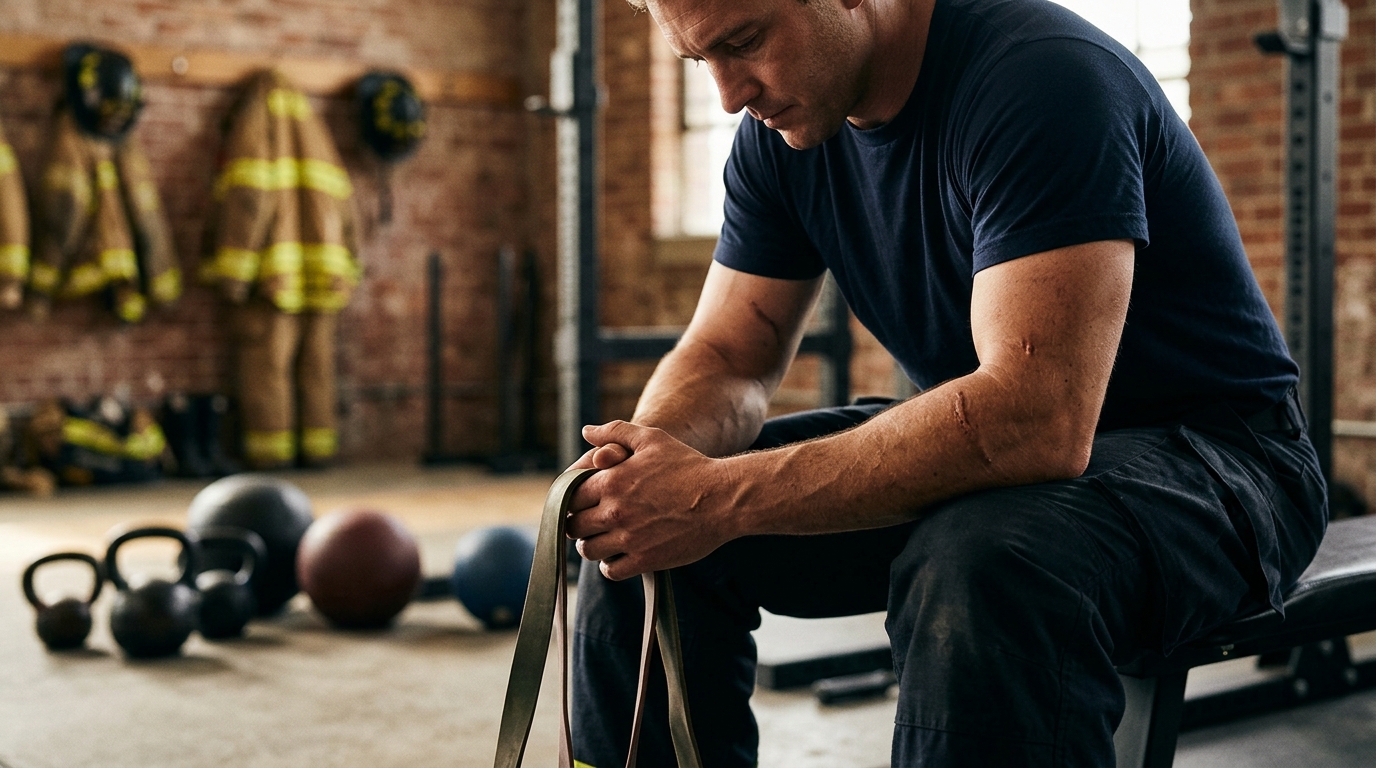
First responders face unique physical demands that frequently lead to musculoskeletal strain and chronic joint stress. According to the National Institute for Occupational Safety and Health, over 60 percent of firefighter injuries occur during routine training or emergency response operations. This high incidence rate underscores the critical need for structured rehabilitation protocols that address both acute trauma and long-term wear. Modern functional training methodologies now provide targeted pathways to restore mobility, rebuild core stability, and prevent recurring damage. These evidence-based systems prioritize movement quality over isolated muscle isolation, ensuring sustainable recovery for active duty personnel.
Functional Movement Rehabilitation
Biomechanical Alignment
Functional movement rehabilitation is a structured training approach that restores natural joint mechanics through controlled, multi-planar exercises. Firefighters frequently experience compensatory movement patterns due to heavy gear loads and repetitive lifting. Correcting these patterns requires targeted assessment and progressive loading strategies. Coaches analyze gait cycles, hip mobility, and spinal alignment to design individualized correction protocols. This process reduces stress on vulnerable connective tissues while rebuilding foundational strength.
Progressive Load Management
Progressive load management is a systematic training methodology that gradually increases physical stress to stimulate tissue adaptation without causing re-injury. Medical professionals recommend starting with bodyweight movements before introducing external resistance. This phased approach allows damaged tendons and ligaments to remodel safely. Athletes track weekly volume metrics to ensure consistent improvement without overtraining. The result is a resilient musculoskeletal system capable of handling heavy turnout gear.
Kettlebell Strength Protocols
Dynamic Resistance Training
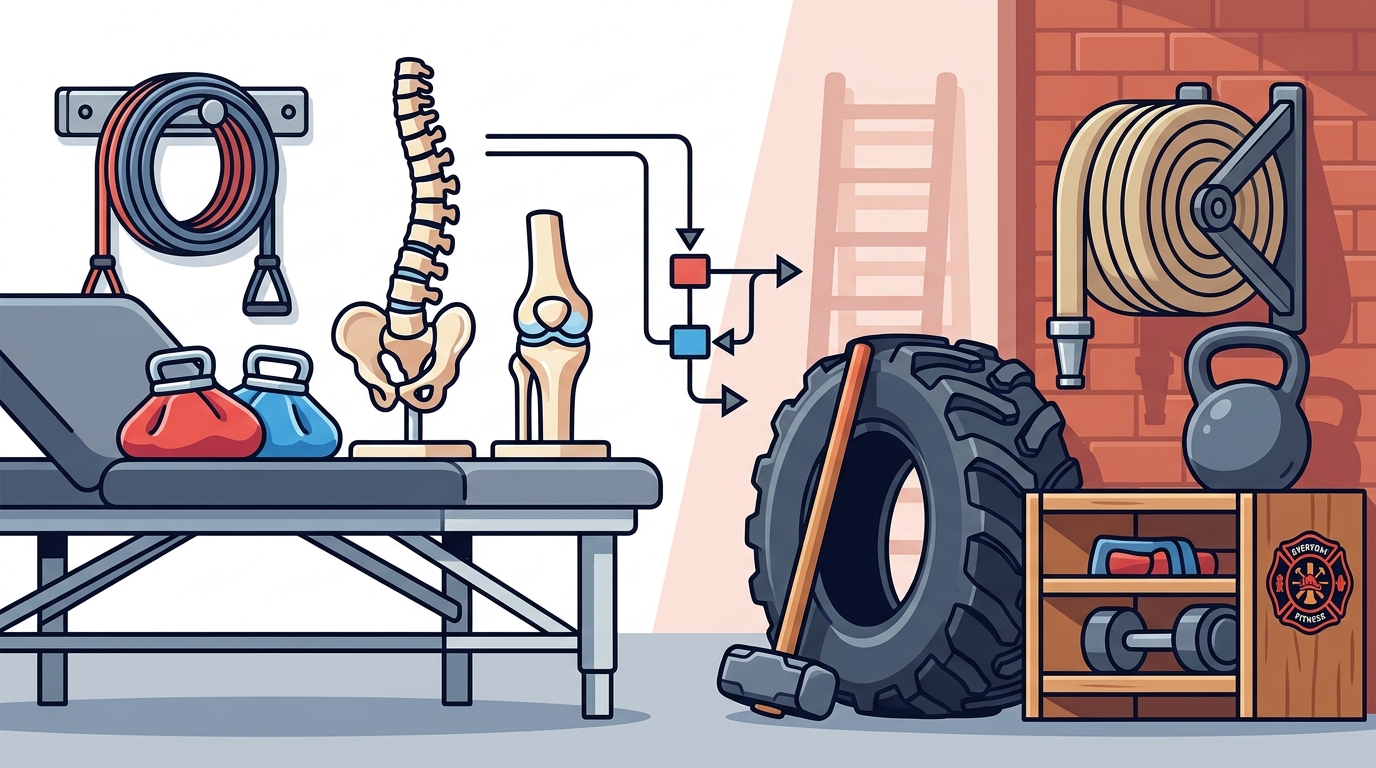
Dynamic resistance training utilizes oscillating weights to develop explosive power and joint stability simultaneously. Kettlebell exercises like swings, cleans, and presses mimic the unpredictable physical demands of emergency response. Research published by the National Fire Protection Association indicates that ballistic training improves cardiovascular endurance and muscular coordination. These movements engage the posterior chain while protecting the lumbar spine. First responders integrate these drills to build functional strength that translates directly to live scenarios.
Core Stabilization Drills
Core stabilization drills focus on activating deep abdominal and pelvic floor muscles to protect the spine during heavy lifting. Traditional crunches often fail to engage these critical stabilizers effectively. Instead, anti-rotation presses and farmer carries build real-world durability. Coaches emphasize bracing techniques that mimic the pressure changes experienced inside a burning structure. This targeted approach reduces chronic lower back pain and improves overall lifting mechanics.
Periodized Coaching Frameworks
Structured Training Cycles
Structured training cycles divide annual preparation into distinct phases that alternate between intensity and recovery. This periodization model prevents overuse injuries by managing systemic fatigue. Coaches design mesocycles that focus on strength, hypertrophy, and sport-specific conditioning. Athletes follow precise progression charts to ensure continuous adaptation. The framework guarantees that physical readiness peaks during critical operational periods.
Active Recovery Integration
Active recovery integration involves low-intensity movement sessions that promote blood flow and accelerate tissue repair. High-impact training days must be balanced with swimming, cycling, or yoga to prevent cumulative stress. Studies from the American Medical Association show that active recovery reduces delayed onset muscle soreness by nearly forty percent. Coaches schedule these sessions strategically to maintain joint lubrication and neural efficiency. This balance ensures long-term career longevity for first responders.
Dynamic Mobility Drills
Joint Range Optimization
Joint range optimization focuses on restoring full articulation to stiff or restricted movement patterns. Firefighters often develop tight hip flexors and thoracic spines from prolonged crouching and gear wear. Dynamic stretching routines address these restrictions through controlled, repetitive motion. Coaches implement leg swings, cat-cow flows, and thoracic rotations to improve tissue elasticity. Enhanced mobility directly correlates with reduced injury risk during high-stress operations.
Neuromuscular Coordination
Neuromuscular coordination is a training principle that synchronizes brain signaling with muscle contraction for precise movement execution. Balance boards, single-leg deadlifts, and agility ladders challenge proprioceptive feedback loops. These drills improve reaction times and spatial awareness under physical duress. First responders practice these exercises to maintain stability on uneven terrain or in low-visibility environments. The neurological adaptations translate to faster, safer emergency responses.
Nutrition and Recovery Integration
Metabolic Fuel Optimization
Metabolic fuel optimization involves timing carbohydrate and protein intake to maximize tissue repair and energy replenishment. Post-workout nutrition windows are critical for restoring glycogen stores and repairing micro-tears. Coaches recommend lean proteins and complex carbohydrates within two hours of training. This strategic timing accelerates recovery and prevents metabolic slowdown. Athletes track their daily intake to ensure consistent energy availability for demanding shifts.
Sleep and Stress Management
Sleep and stress management addresses the physiological impact of irregular shift schedules on recovery processes. Chronic sleep deprivation impairs cognitive function and increases injury susceptibility. Coaches implement sleep hygiene protocols that prioritize seven to nine hours of uninterrupted rest. Mindfulness practices and breathing exercises further reduce cortisol levels. This holistic approach ensures that physical training yields maximum adaptive benefits.
Comparative Program Analysis
| Program Type | Primary Focus | Best For | Implementation Difficulty |
|---|---|---|---|
| Functional Movement Rehabilitation | Joint alignment and compensatory pattern correction | Personnel with chronic joint pain | Moderate |
| Kettlebell Strength Protocols | Explosive power and posterior chain development | Active duty personnel seeking performance gains | High |
| Periodized Coaching Frameworks | Long-term athletic development and injury prevention | Departments implementing standardized training | Moderate |
| Dynamic Mobility Drills | Range of motion and neuromuscular synchronization | Personnel recovering from acute soft tissue injuries | Low |
| Nutrition and Recovery Integration | Metabolic optimization and systemic fatigue reduction | All personnel requiring sustained operational readiness | Moderate |
Key Takeaways
- Functional movement rehabilitation restores natural joint mechanics through controlled multi-planar exercises.
- Kettlebell protocols develop explosive power while protecting the lumbar spine during heavy lifting.
- Periodized coaching frameworks prevent overuse injuries by managing systemic fatigue across training cycles.
- Dynamic mobility drills improve tissue elasticity and reduce injury risk during high-stress operations.
- Nutrition and recovery integration accelerates tissue repair and prevents metabolic slowdown.
- Coaches at Everyday Heroes Fitness have helped over 1,000 first responders regain strength and confidence.
- The 4-week functional program has been utilized by more than 6,000 firefighters to improve on-shift performance.
Frequently Asked Questions
How long does it typically take to recover from a firefighter-specific injury?
Recovery timelines vary based on injury severity and adherence to rehabilitation protocols. Mild soft tissue strains usually resolve within three to four weeks. Moderate ligament injuries require six to eight months of structured physical therapy. Severe structural damage may demand surgical intervention followed by extended rehabilitation. Consistent adherence to prescribed movement patterns significantly accelerates healing outcomes.
Can kettlebell training replace traditional weightlifting for first responders?
Kettlebell training complements traditional weightlifting by emphasizing functional movement patterns over isolated muscle development. Ballistic exercises improve cardiovascular endurance and muscular coordination simultaneously. Many departments now integrate kettlebell protocols into their standard fitness assessments. This hybrid approach reduces joint stress while maintaining high performance standards. Personnel often report faster strength gains with fewer overuse injuries.
What are the most common injuries firefighters experience on the job?
Musculoskeletal injuries account for the majority of first responder workplace accidents. Lower back strains, shoulder impingements, and knee ligament tears are highly prevalent. These injuries typically result from heavy gear loads, repetitive lifting, and awkward postures. Preventive conditioning programs focus on strengthening supporting musculature and improving movement mechanics. Early intervention through targeted rehabilitation significantly reduces long-term disability claims.
How do coaches design programs for personnel with chronic back pain?
Coaches design programs for chronic back pain by prioritizing core stabilization and spinal decompression. Anti-rotation exercises and controlled hip hinges build durable abdominal support. Heavy axial loading is gradually introduced only after foundational stability is established. Breathing mechanics and intra-abdominal pressure training protect vulnerable spinal segments. This methodical progression ensures safe strength development without exacerbating existing discomfort.
Is online coaching effective for firefighters with demanding shift schedules?
Online coaching delivers highly effective results for personnel managing irregular shift rotations. Digital platforms provide flexible scheduling options that adapt to unpredictable call volumes. Coaches monitor progress through video analysis and weekly check-ins to maintain accountability. Athletes receive customized programming that adjusts to their current physical condition. This remote model has successfully transformed thousands of first responder fitness journeys.
What equipment is required to start a functional recovery program?
Functional recovery programs require minimal equipment to begin effective rehabilitation. Resistance bands, stability balls, and basic kettlebells provide sufficient stimulus for tissue remodeling. Bodyweight movements form the foundation of most initial training phases. Departments can easily integrate these tools into standard station facilities. This accessibility ensures consistent programming regardless of budget constraints or facility limitations.
Start Your Recovery Journey Today
Reclaim your physical performance and return to duty with confidence. Our specialized coaching system addresses the unique demands of first responder work while prioritizing long-term joint health. Apply for our online coaching program to access personalized training plans and expert guidance. Visit our cart to explore available resources and secure your spot in the next training cycle. Begin your transformation today by visiting the main portal at https://everydayheroesfitness.com/.